

Magazine Preservation Project
333 magazines · 1963 to 2024 · 7 countries
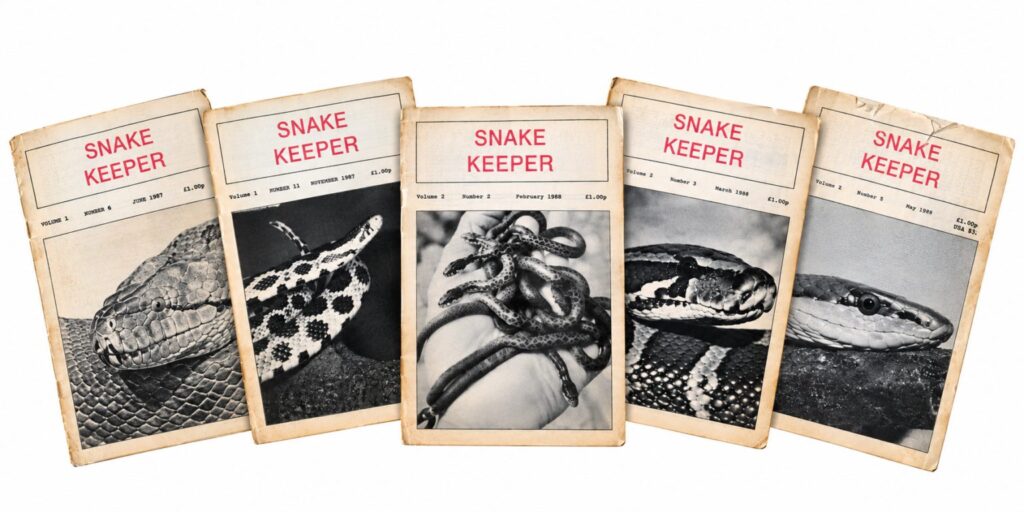
I have, in my possession, a physical copy of each magazine pictured here.
This collection focuses on periodicals containing material about snakes. I cannot preserve every reptile magazine ever published, so I established a simple criterion for this page: each magazine included here contains a snake or material related to snakes. I also have publications devoted to other reptiles and animals, including turtles, chameleons, lizards, crocodiles, spiders and bats, to name a few. Those fall outside the primary focus of this collection, but they are also worthy of preservation and some may be featured here. I have a particular interest in preserving Volume 1 publications and memorial editions as well. I hope eventually to pass publications outside my collection’s focus to others interested in preserving them.
Periodicals devoted to snakes provide a snapshot in time of our changing knowledge and understanding of these animals. They document the husbandry practices recommended at the time, scientific and general knowledge available to readers, cultural attitudes and trends involving snakes, and the changing popularity of different species. Read chronologically, they also show how some ideas and practices changed as our knowledge increased.
Much of this history can disappear if the original material is not preserved. Many of these publications were produced long before digital publishing became common, and many of the publishers no longer exist. As physical copies are discarded or deteriorate, surviving issues become more difficult to locate. Preserving the magazines also preserves the information they contain and allows it to be examined again in the future.
For many visitors, these images of preserved originals may provide their first opportunity to see publications they otherwise would never encounter. By preserving the physical issues and documenting their publication histories, this project keeps a visible record of a part of reptile and amphibian publishing that might otherwise gradually disappear from public view.
The history of libraries and archives provides much larger examples of what can happen when recorded information is not preserved.
Building the collection has taken me beyond simply finding the magazines. Publishers were not always consistent in how they identified individual issues, and some earlier magazines were not dated at all. Determining the publication date or sequence of certain issues has therefore required additional research and comparison with other issues and available publication information. Even the same publication printed in different languages can change or alter the volume number. If you notice an error, please feel free to contact me with a correction.
I have not received formal instruction in historical or archival research. The methods I use to investigate, document, and organize this collection are based on my own understanding of what should be done, and I recognize that someone with formal training might approach this work differently.
The collection is also international. I have obtained publications from Australia, Germany, Japan, Spain, United Kingdom and the United States. (I am based in the U.S.). Locating publications from different countries has allowed me to preserve material that reflects different histories, perspectives, literature and approaches to reptile keeping.
I have also collected information about the publications themselves, including publisher addresses, editor names, publication and distribution information, photographers and other historical or biographical details. Additional information is available upon request.
The purpose of this page is to preserve, document, and share periodicals related primarily to snakes and to make information about them available to others. I am still adding to the collection. My continually growing library currently contains 333 magazines dating from 1963 through 2024 with the works of Contributions to American Herpetology referencing 1877.
If you are conducting research involving any of these publications, please contact me. If I have information or material that may help, I am happy to share what I can.
This is an active research and preservation project, and the documents are continually being reviewed and updated. Some may contain personal notes, reminders, or research cues intended for my own reference. If you encounter something that seems unclear or out of place, it is likely a note to myself and can be disregarded.
HOW TO USE THIS PAGE
Looking for an overview? The webpage identifies each publication (Publication Identification) and explains why it is worth preserving (Preservation Significance).
Looking at a specific magazine issue? Each individual issue entry identifies that physical issue and documents what it contains.
Want to dig deeper? The Magazine Research Record (MRR), available as a PDF, provides more detailed documentation of the research conducted for each publication, including what has been established, supporting evidence, and information that remains uncertain or requires further investigation.
Index of magazines (59)
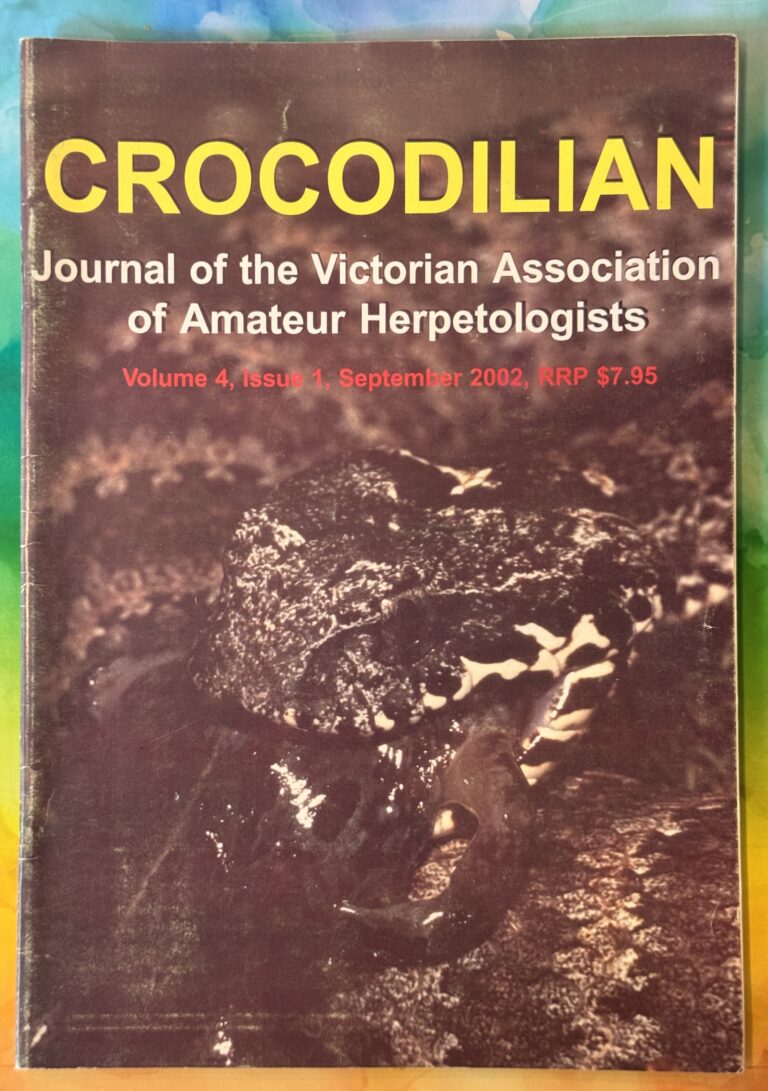
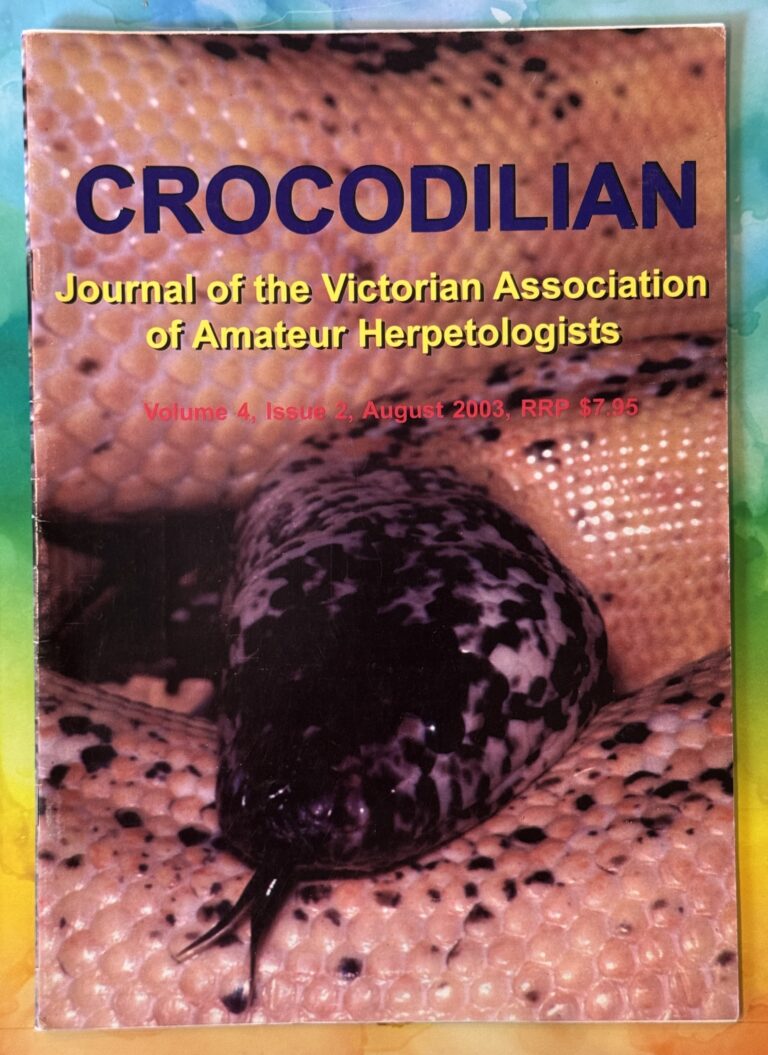
- Crocodilian 2002 to 2003 Editor Seona Adams · Publisher: Victorian Association of Amateur Herpetologists Australia
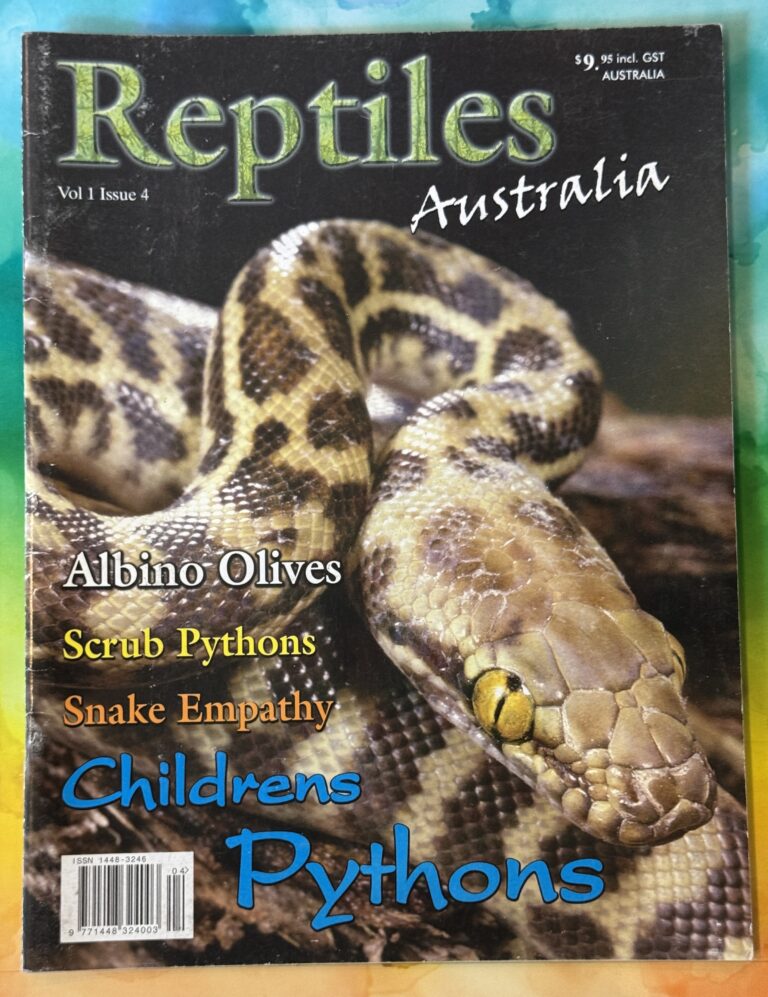
- Reptiles Australia 2003 to 2010 Editor Simon Watharow · Publisher: Alex Lannan Australia
- Canadian Reptile Hobbyist 2016 Publisher: MeisterWorks Graphic Design Canada
- Reptile Life 1996 to 1998 Editor Jonathan Wright · Publisher: Wise and Wright Publishers Canada
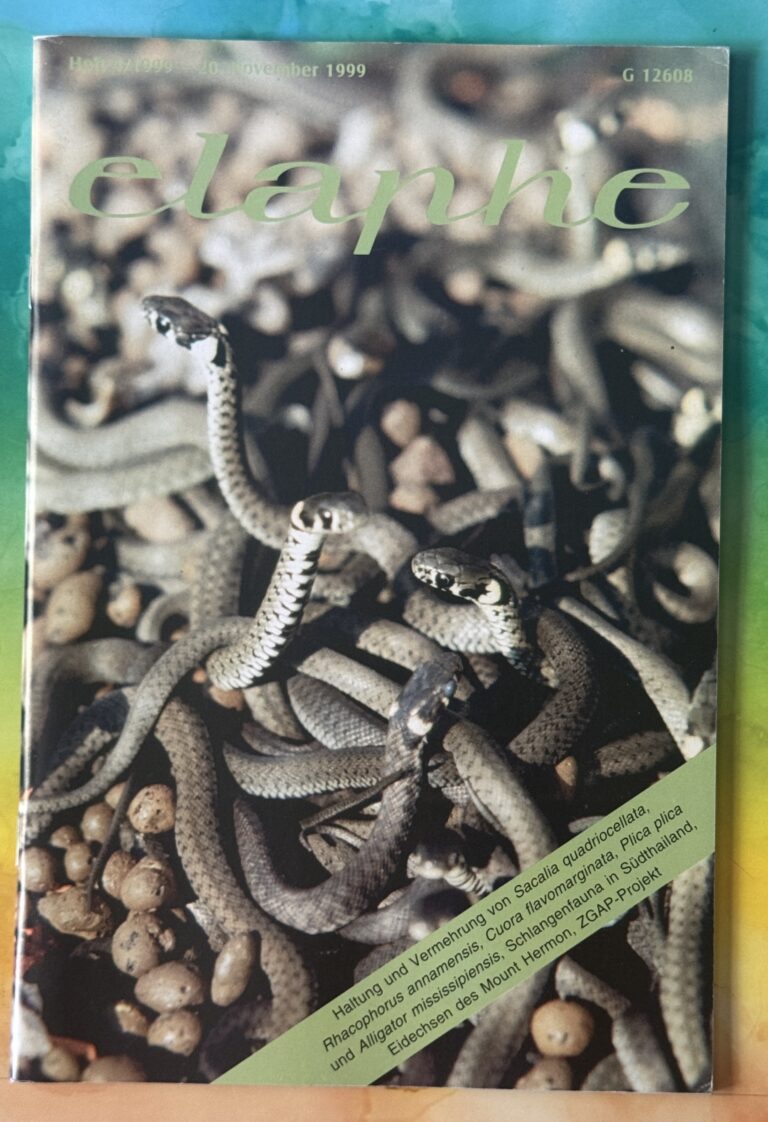
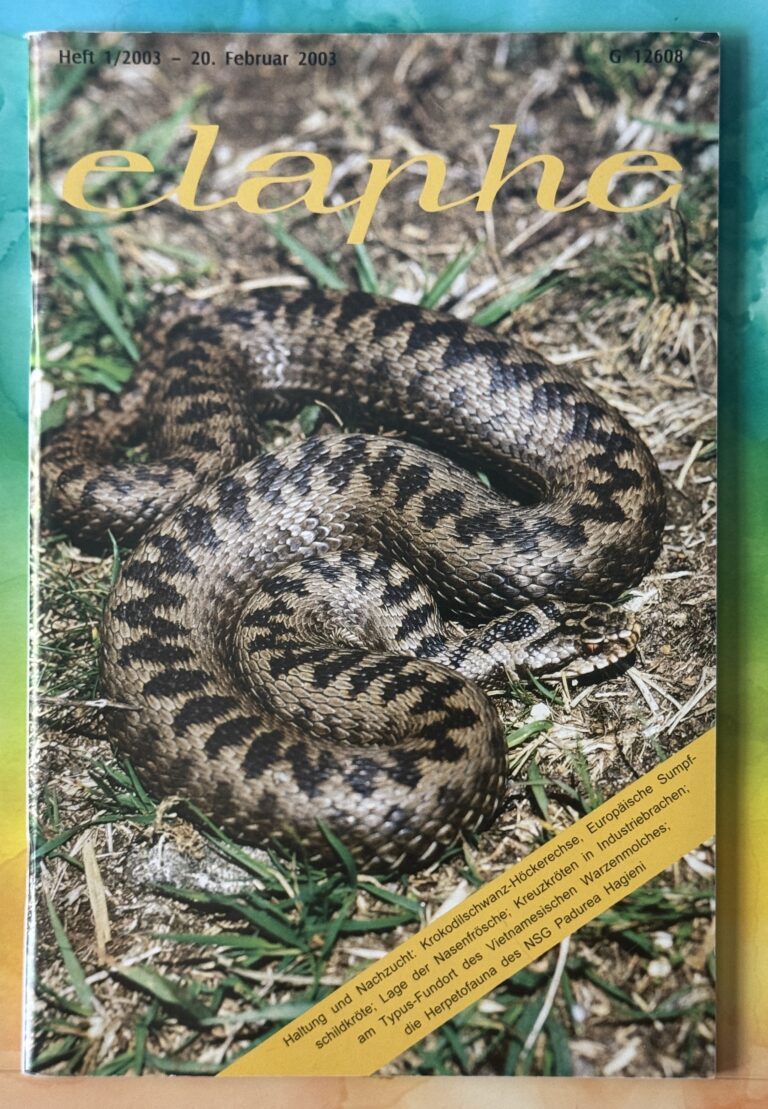
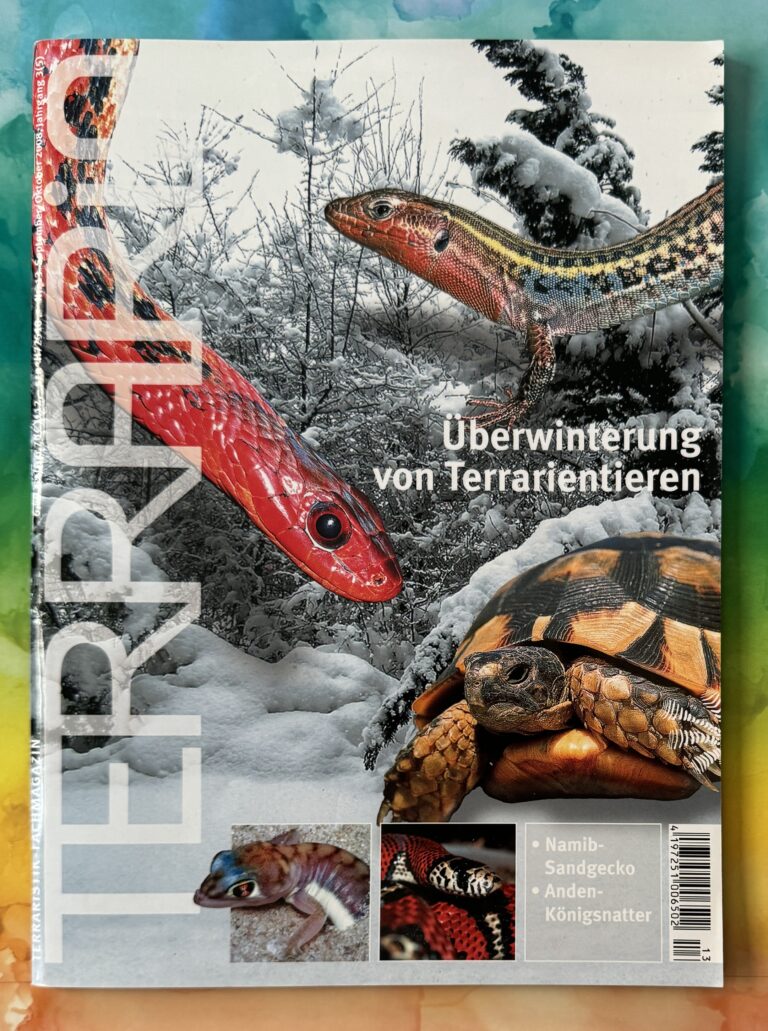
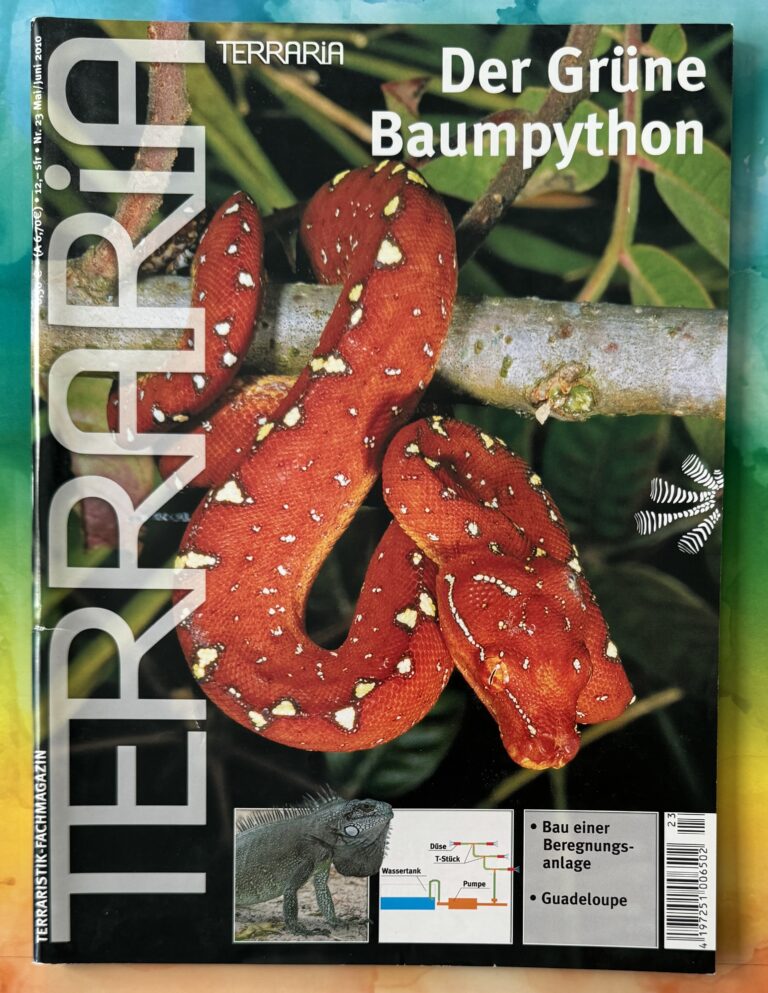
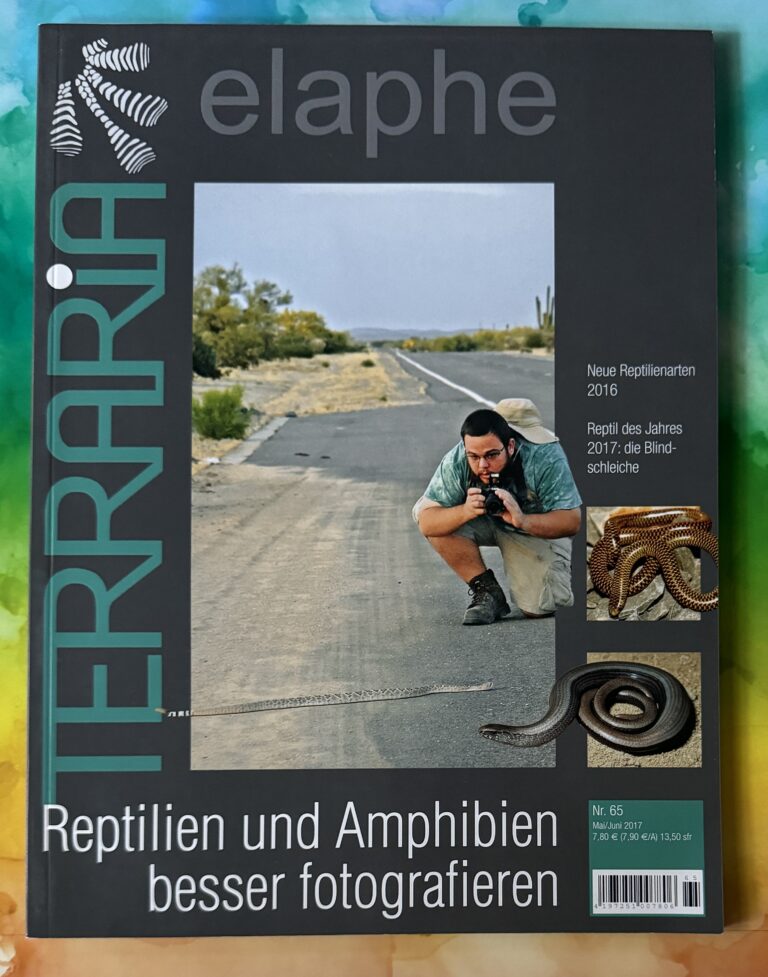
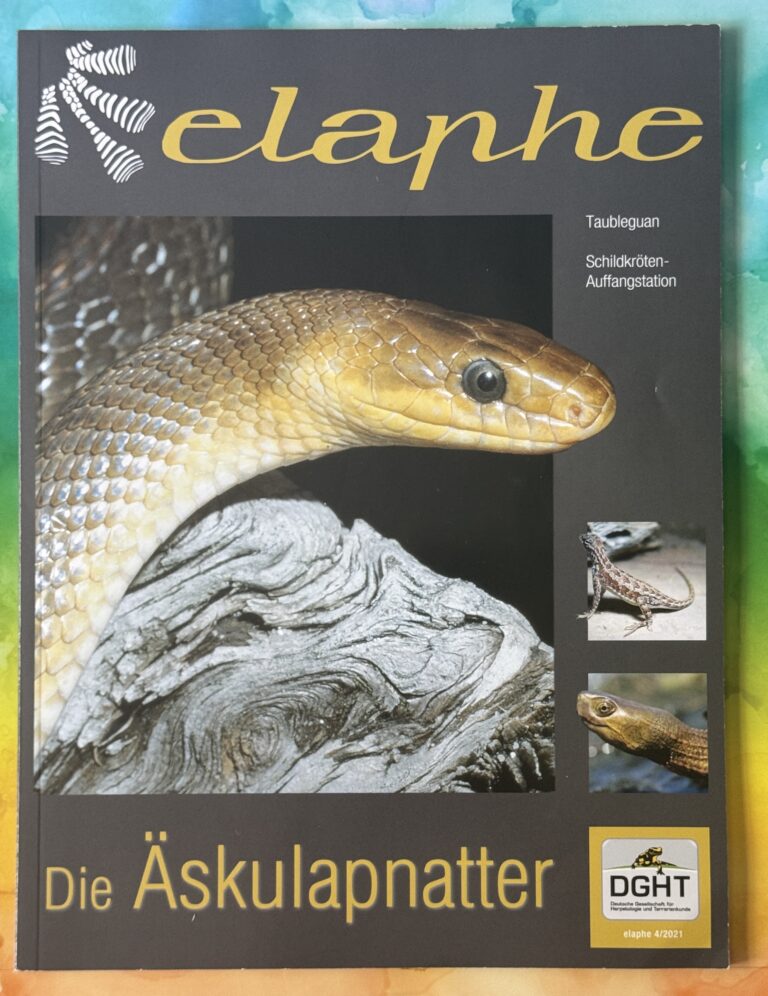
- elaphe / Terraria 1999 to 2021 Publisher: Deutsche Gesellschaft für Herpetologie und Terrarienkunde Germany
- Herpetfauna 1981 to 1999 Publisher: herpetofauna-Verlags GmbH Germany
- Creeper (クリーパー) 2021 to 2022 Publisher: クリーパー社 Japan
- Repfan (レプファン) 2019 to 2024 Publisher: Kasakura Publishing Co., Ltd Japan
- Scale (スケイル) 1998 Editor Art Village · Publisher: Art Village Japan
- Vivarium Guide (ビバリウムガイド) 2016 to 2025 Publisher: MPJ Co., Ltd. / エムピージェー Japan
- Reptilia 1998 to 2018 Editor Mercè Viader Staub · Publisher: Reptilia Ediciones, S.L Spain
- Animal Behaviour 2023 to 2024 Publisher: Elsevier United Kingdom
- Exotics Keeper Magazine (EK Magazine) 2020 to 2025 Editor Thomas Marriott · Publisher: Peregrine Livefoods Ltd United Kingdom
- Nature 1998 Publisher: Macmillan Magazines Ltd United Kingdom
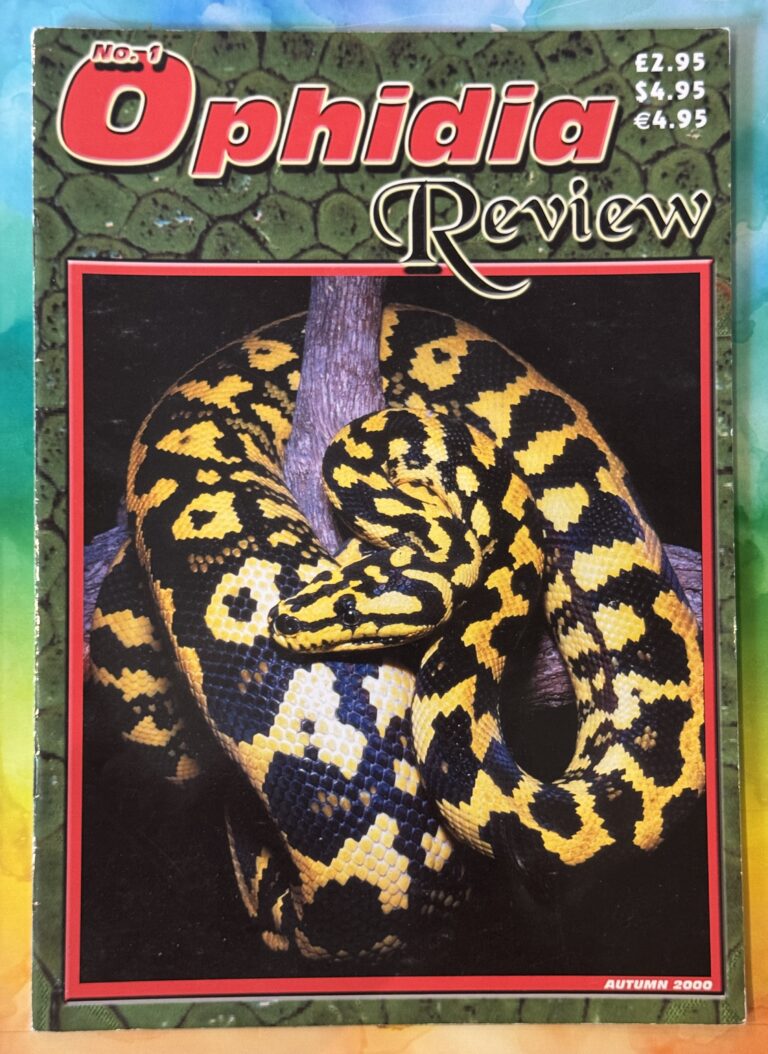
- Ophidia Review 2000 Editor Tom Burgess · Publisher: C-View Media United Kingdom
- Pet Reptile 1997 to 2001 Editor Gethin James · Publisher: Freestyle Publications Ltd United Kingdom
- Practical Reptile Keeping 2009 to 2026 Editor David Alderton · Publisher: Kelsey Publishing Group / Kelsey Publishing Limited, United Kingdom United Kingdom
- Reptile Care 2004 to 2007 Editor Chris Brock · Publisher: Mulberry Publications Ltd United Kingdom
- Reptile World 2003 to 2004 Editor Liz Donlan · Publisher: Marine World Publications Ltd United Kingdom
- Reptilian 1992 to 2003 Editor Tom Burgess · Publisher: Mantella Publishing United Kingdom
- Snake Keeper (1987 -1988) 1987 to 1988 Editor Michael Connolley · Publisher: Michael Connolley United Kingdom
- Boulenger Contributions to American Herpetology 1877 to 1977 Publisher: The Ohio Herpetological Society United States
- Breeding Snakes in Captivity 1976 to 1989 Publisher: Palmetto Publishing Co United States
- Captive Breeding 1992 to 1995 Editor Richard Aquiline · Publisher: Richard Aquiline United States
- Fauna 1997 to 2003 Publisher: International Fauna Society United States
- Herp Nation 2010 to 2015 Publisher: Herp Nation Magazine / Herp Nation Media United States
- Natural History 1900 to 1995 Editor Ellen Goldensohn Managing Editor · Publisher: American Museum of Natural History, New York & Robert L. Gebbie United States
- Reptile & Amphibian Hobbyist 1990 to 2001 Editor Tom Mazorlig · Publisher: T.F.H. Publications, Inc United States
- Reptile & Amphibian Magazine 1999 Editor Norman Frank, DVM · Publisher: R&A Publishing United States
- Reptile Hobbyist 1995 to 1998 Editor Tom Mazorlig · Publisher: T.F.H. Publications, Inc United States
- Reptiles 1993 to 2024 Editor Phillip Samuelson · Publisher: Fancy Publications, Inc United States
- Reptiles USA 1994 to 2009 Editor Phillip Samuelson · Publisher: Fancy Publications, Inc United States
- Science 1880 to 2004 Editor H. Holden Thorp · Publisher: American Association for the Advancement of Science United States
- Scientific American 1982 Editor Dennis Flanagan · Publisher: Gerard Piel United States
- Smithsonian 2012 Publisher: Smithsonian Institution United States
- The Vivarium 1997 to 1999 Publisher: American Federation of Herpetoculturists United States
- Entertainment Weekly 1990 to 2022 Publisher: Time Inc Snakes: Fear, Fascination, and Public Perception
- Fangoria 1979 to 2006 Publisher: O’Quinn Studios Snakes: Fear, Fascination, and Public Perception
- Life Magazine 1963 Editor George P. Hunt, Managing Editor · Publisher: Time Inc Snakes: Fear, Fascination, and Public Perception
- National Geographic 1970 to 1971 Publisher: National Geographic Society Snakes: Fear, Fascination, and Public Perception
- Sports Afield 1982 to 1990 Publisher: Hearst Magazines / Hearst Corporation Eight Years Apart. The Same Scientific Error
- Boy’s Book of Snakes: How to Recognize and Understand Them 1949 to 1972 By Percy A. Morris · Publisher: Scholastic Book Services Something for my young visitors
- National Geographic Kids 2015 Something for my young visitors
- National Geographic Kids 2015 Something for my young visitors
- National Geographic Kids 2009 Something for my young visitors
- National Geographic Kids 2012 Editor Rachel Buchholz Something for my young visitors
- Ranger Rick 1991 Something for my young visitors
- Snakes 2017 Something for my young visitors
- Snakes 2013 Something for my young visitors
- Snakes 1949 to 1972 By Herbert S. Zim · Publisher: Scholastic Something for my young visitors
- The Snake Scientist 1999 Something for my young visitors
- The Snake that went to school 1957 Something for my young visitors
- ZooBooks 1984 Something for my young visitors
- ZooBooks 1981 Something for my young visitors
- ZooBooks 2006 Something for my young visitors
- ZooBooks 1981 Something for my young visitors
- ZooBooks 2003 Something for my young visitors
- ZooBooks 2001 Something for my young visitors
- ZooBooks 1991 Something for my young visitors
No title matches.
Australia
Crocodilian
Journal of the Victorian Association of Amateur Herpetologists
Publication Identification
| Field | Information |
| Country | Australia |
| Publisher | Victorian Association of Amateur Herpetologists (VAAH) |
| Publisher address | Pending research update |
| Magazine title | Crocodilian: Journal of the Victorian Association of Amateur Herpetologists |
| Publication status | Presumed discontinued; no verified current publication activity |
| Publication run | Documented from at least 2000 through November 2007; first and final publication dates unverified |
| Editor | Seona Adams |
| Printer | Pending research update |
| ISSN | Pending research update |
| Language | English |
| Publication type | Herpetological association journal covering reptiles, amphibians, captive keeping, field observations and taxonomy |
| Publication frequency | Pending research update |
Preservation Significance
These issues document a small Australian herpetological association publication that circulated in limited numbers yet became part of the scientific and taxonomic literature. That combination of association publishing, limited circulation and later scientific citation makes Crocodilian particularly relevant to a preservation collection.
For the website, the physical-cover evidence should remain distinct from later research. The covers directly establish Volume 4, Issues 1 and 2, their dates, association title and $7.95 RRP. Article titles, page ranges, earlier and later issue evidence, and circulation context come from external bibliographic research.
The mastheads add another preservation layer by identifying the people and association structure behind the publication. They document Seona Adams as Magazine Editor, Mick Pugh as President, Kelly Dougall as Secretary, Bernie Martin as Treasurer, and Paul Tamis, Paul Hulett, and Ian Dougall as members of the Executive Committee. The mastheads also preserve the Victorian Association of Amateur Herpetologists website and meeting information, showing Crocodilian as a working association publication rather than an anonymous commercial magazine.
Magazine Research Record
Reptiles Australia
Publication Identification
| Field | Information |
| Country | Australia |
| Publisher | Alex Lannan later issues |
| Publisher address | PO Box 4499, Wantirna, Victoria 3152, Australia |
| Magazine title | Reptiles Australia |
| Publication status | Pending research update |
| Publication run | Documented Volume 1 through Volume 6. Full start and end dates pending research update; later collectors report a thirty three issue run, not independently confirmed. |
| Editor | Simon Watharow |
| Printer | Design & Printing Leading Edge Solutions earlier issues |
| ISSN | 1448-3246 |
| Language | English |
| Publication type | Reptile husbandry, field herpetology, breeding, conservation, veterinary topics, species profiles, books, products, and reptile community news |
| Publication frequency | Every two months / bimonthly |
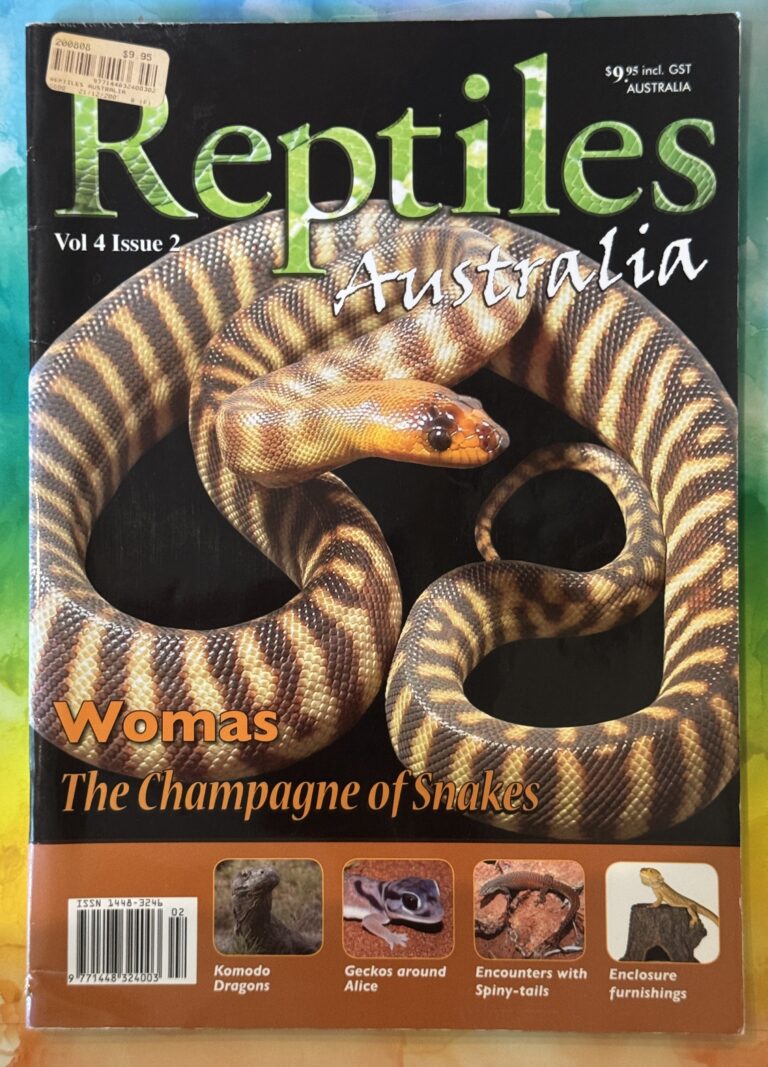
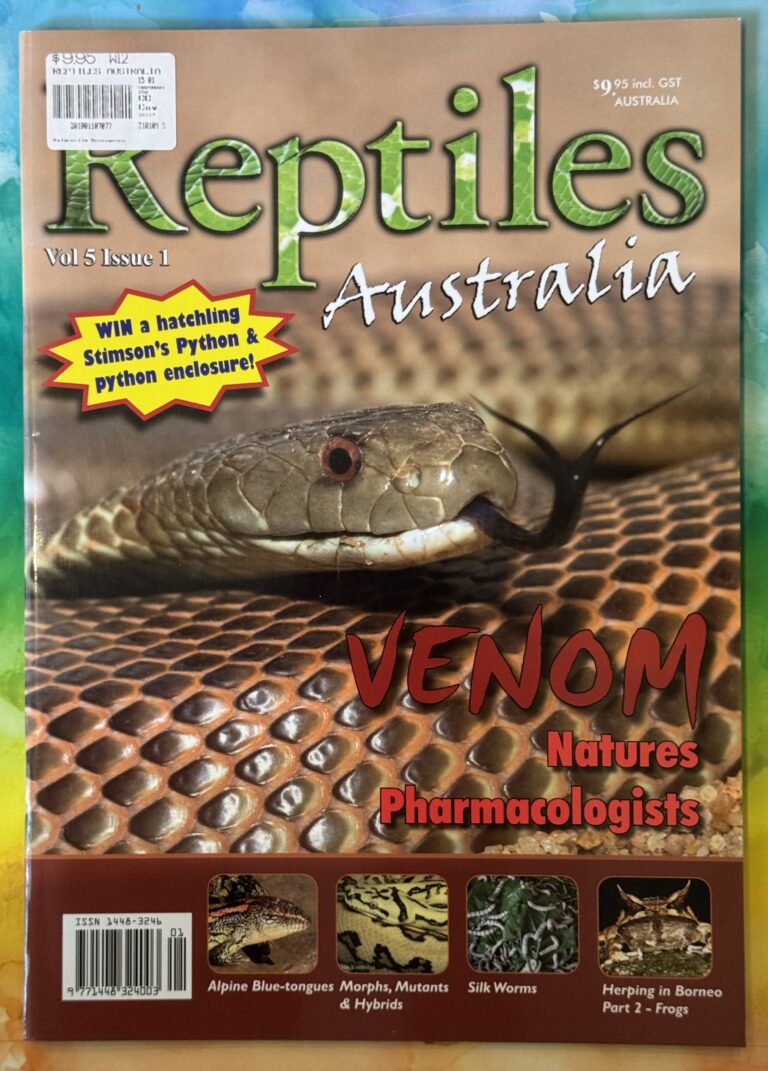
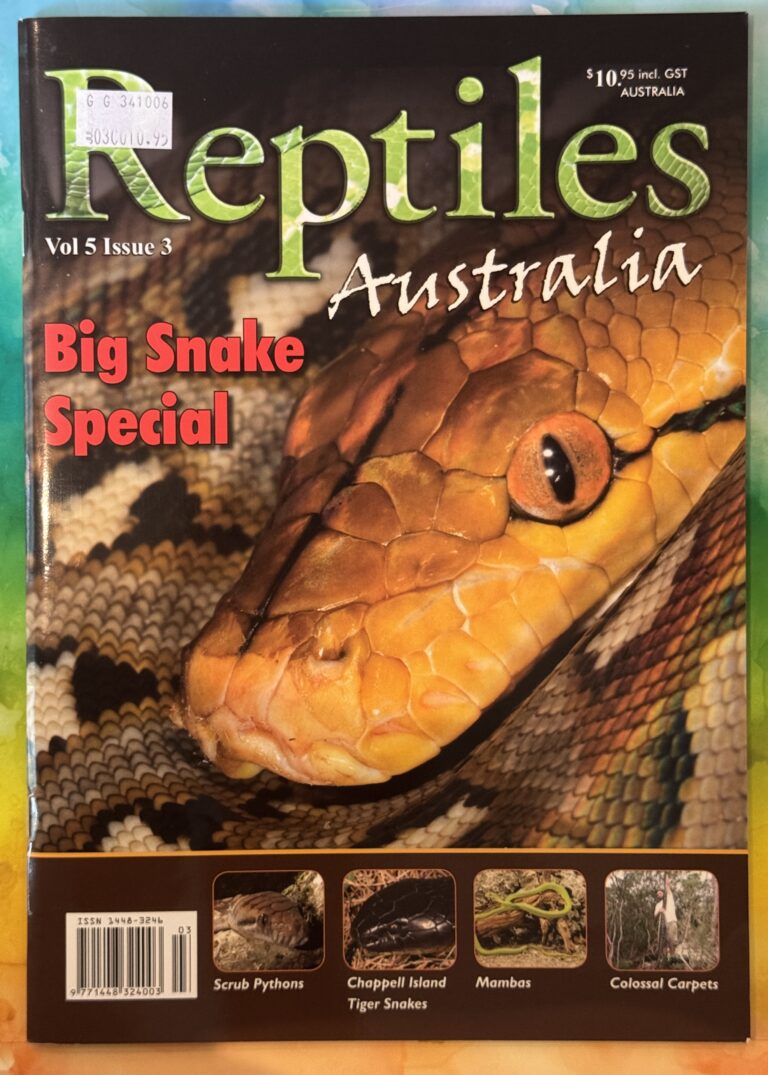
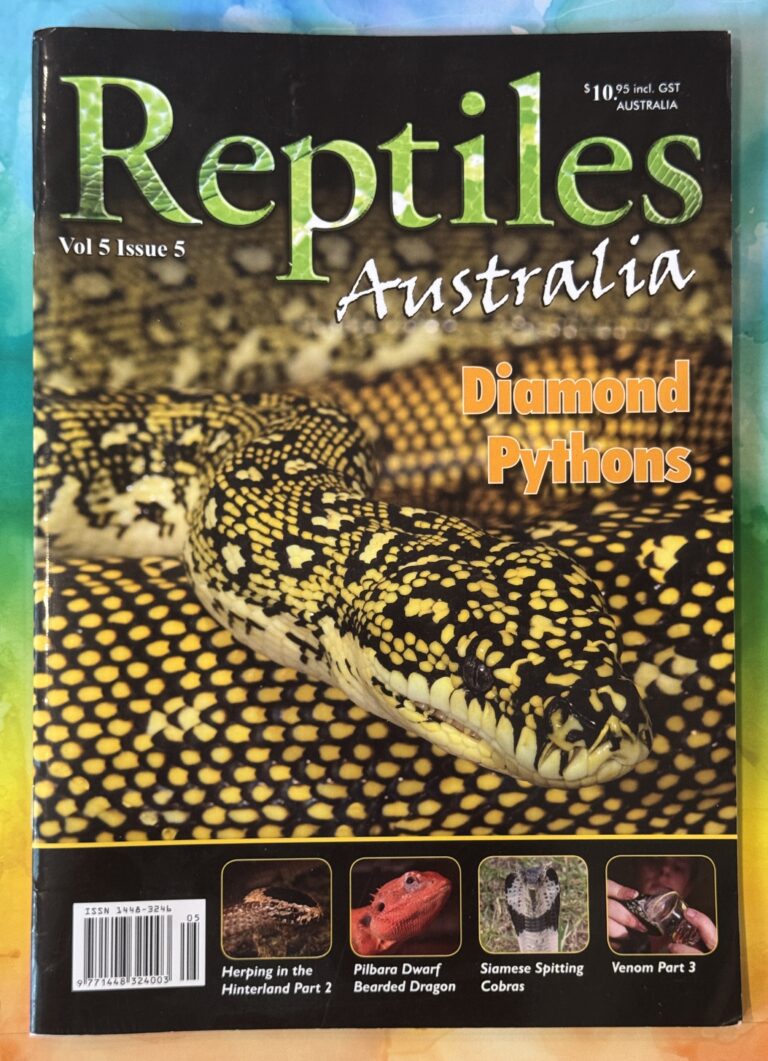
Preservation Significance
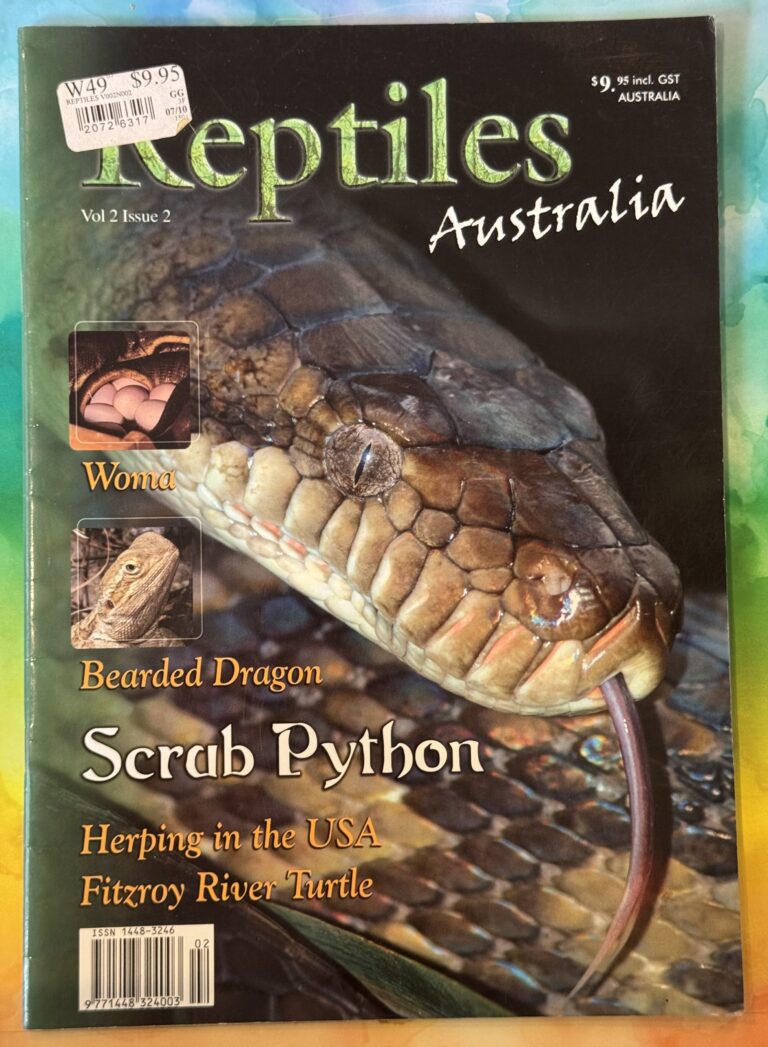
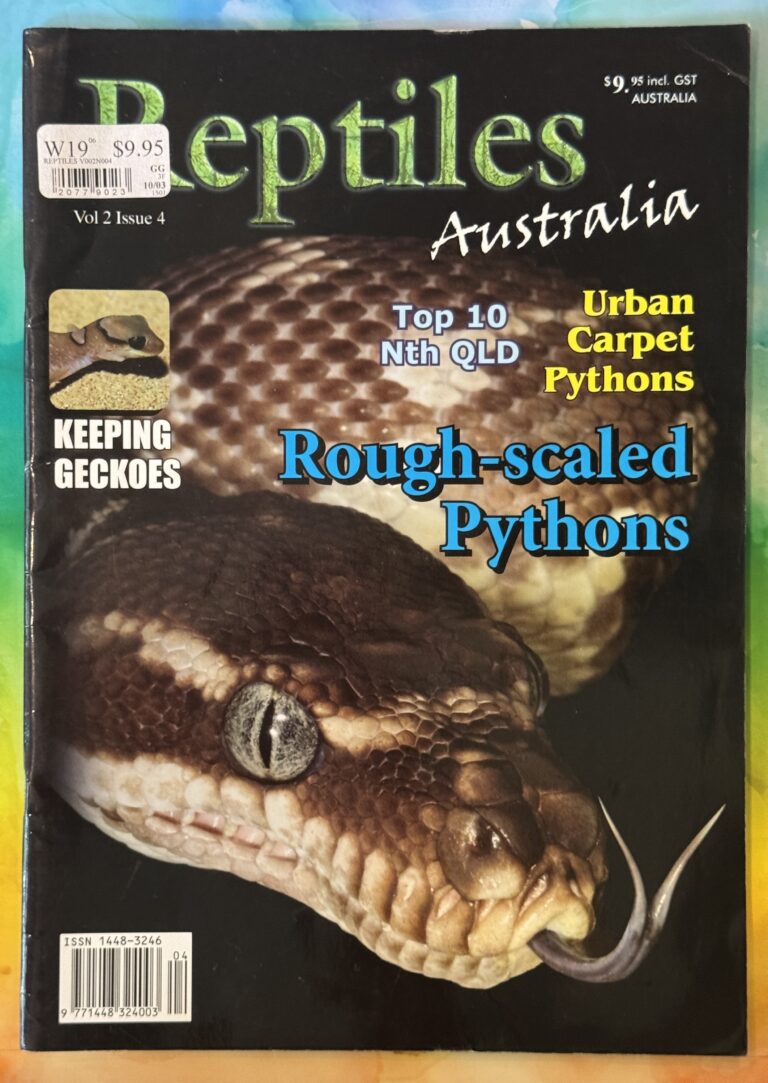
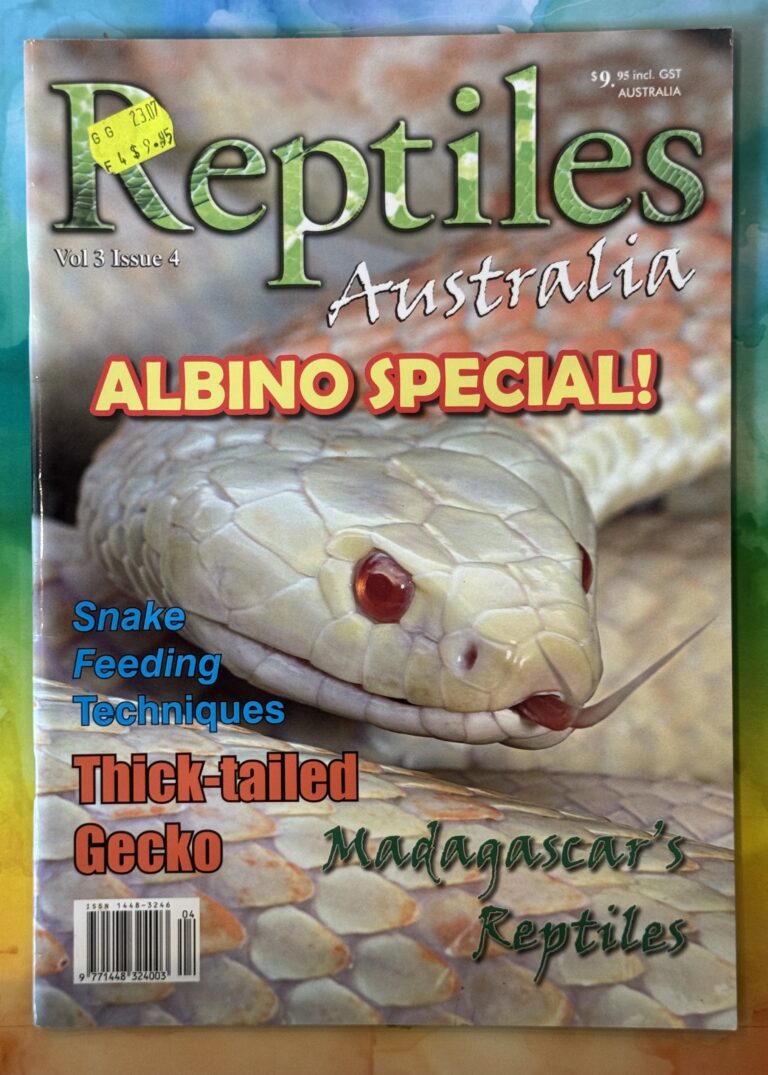
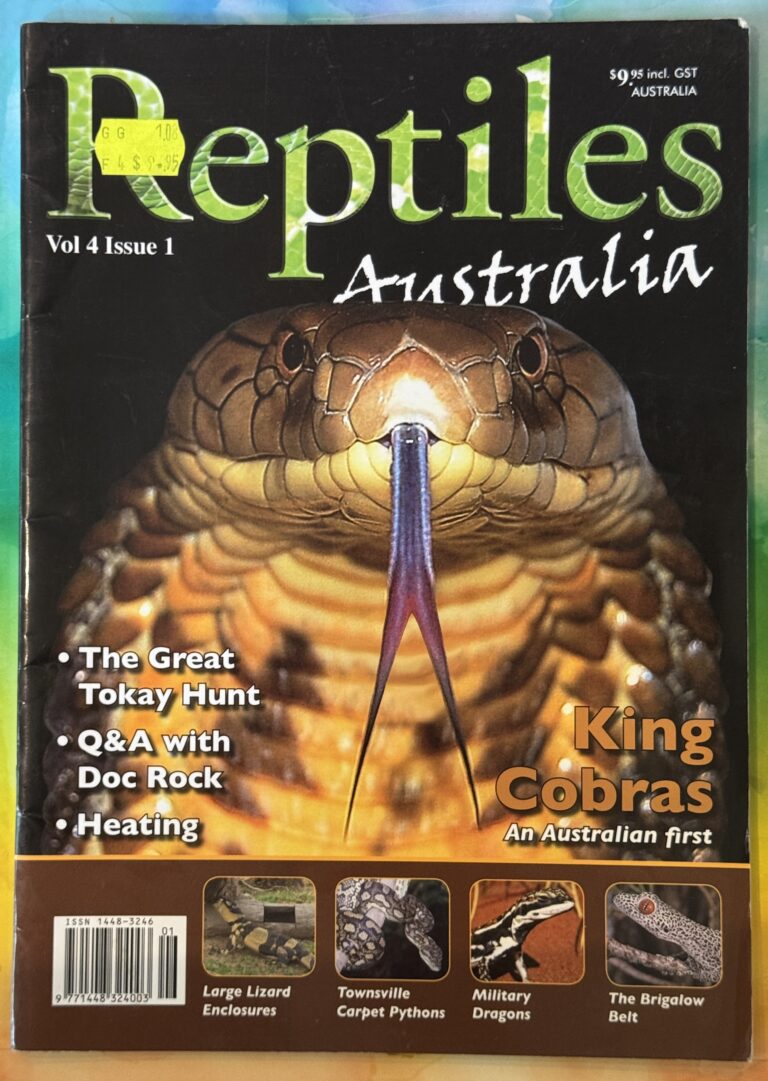
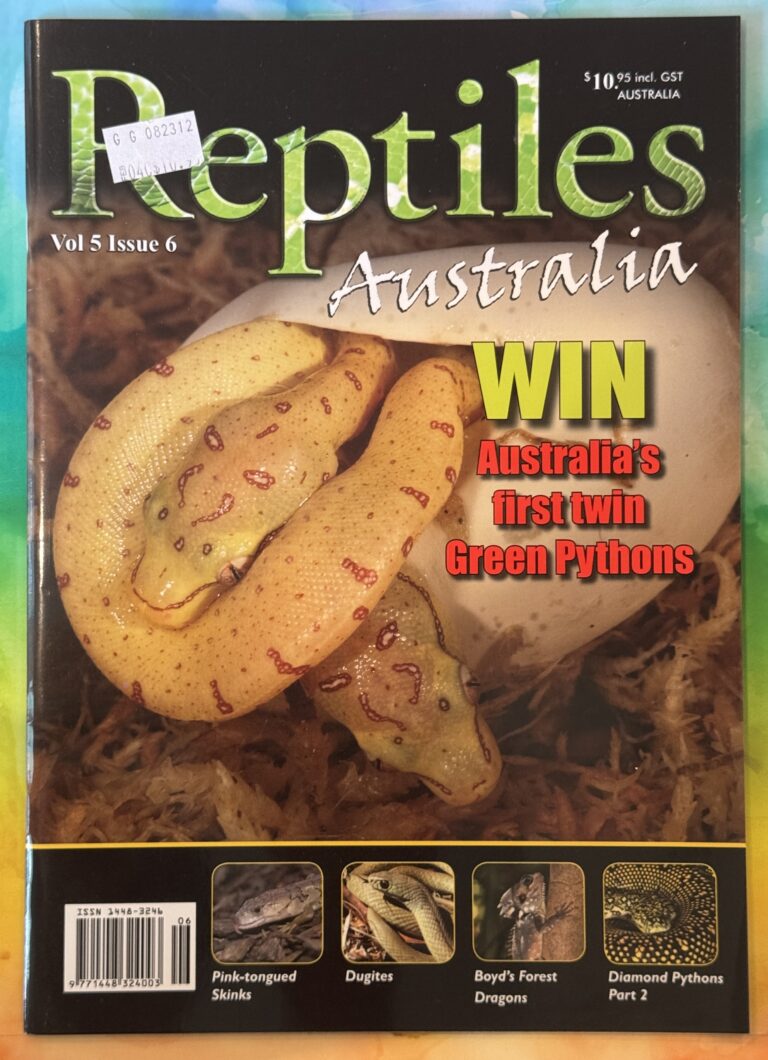
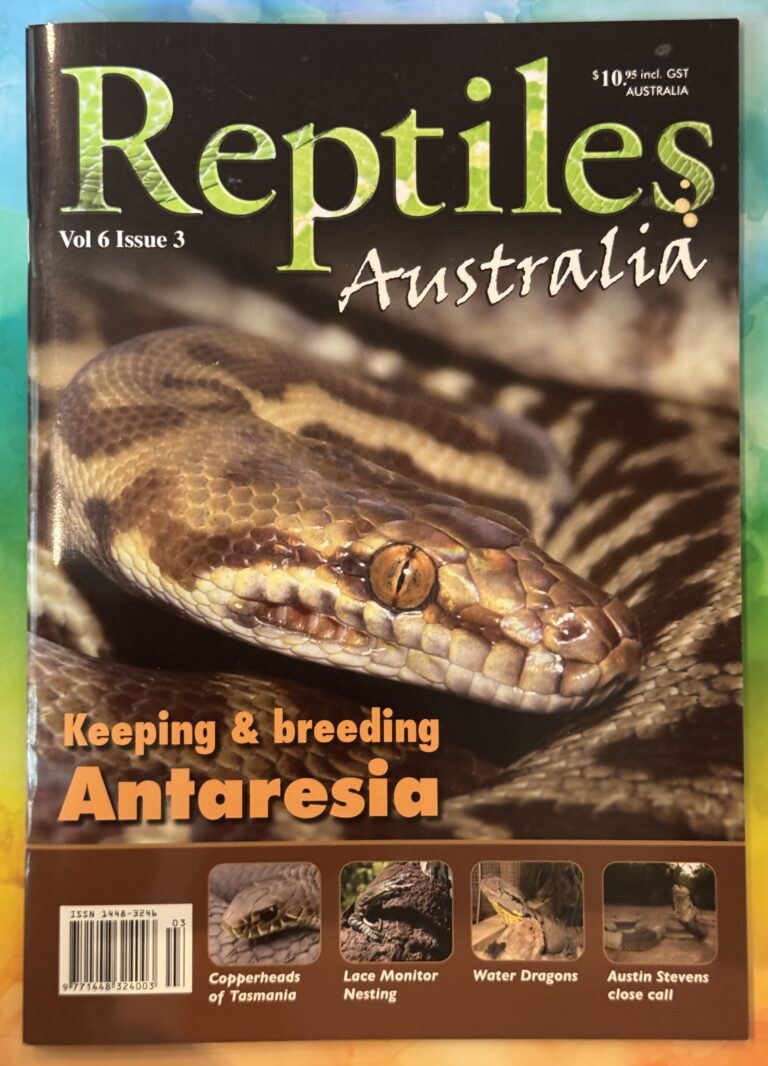
Reptiles Australia has strong preservation significance as a specialist Australian herpetological magazine that combined captive husbandry, breeding, field observations, conservation, veterinary material, species profiles, and community reporting. The supplied issues span six volumes and preserve a broad cross section of the magazine rather than a single isolated issue. Read together, the covers show recurring attention to Australian pythons, venomous snakes, lizards, turtles, field herping, captive breeding, morphs, feeding, enclosure design, and regional reptile conservation.
The surviving masthead and editor pages add substantial historical value because they document the people and working structure behind the publication. Simon Watharow is identified as editor in the earlier supplied masthead, with Rachael Hammond credited for layout, design, and illustrations, Angela Reid for administration, and a group of writers and contributing photographers named by the magazine. A later masthead shows an expanded production structure including Leesa Lannan as Admin / Co. Editor, Attila Vermes in graphic design, and Katerina Tanasic as designer assistant. These changes preserve evidence of how the publication developed internally over time.
The editor’s own statements also preserve the magazine’s purpose. The early supplied editor note describes the publication as bimonthly and states an intention to bring readers a reptile magazine every two months. It invites prospective authors, encourages inexperienced writers to seek help from the support group, and describes the magazine as a place to publish, share, and promote reptile husbandry and field herpetology. A later editor note continues that emphasis, describing a balance of husbandry, conservation, field, and general articles and placing particular importance on detailed husbandry material based on records, research, and writing.
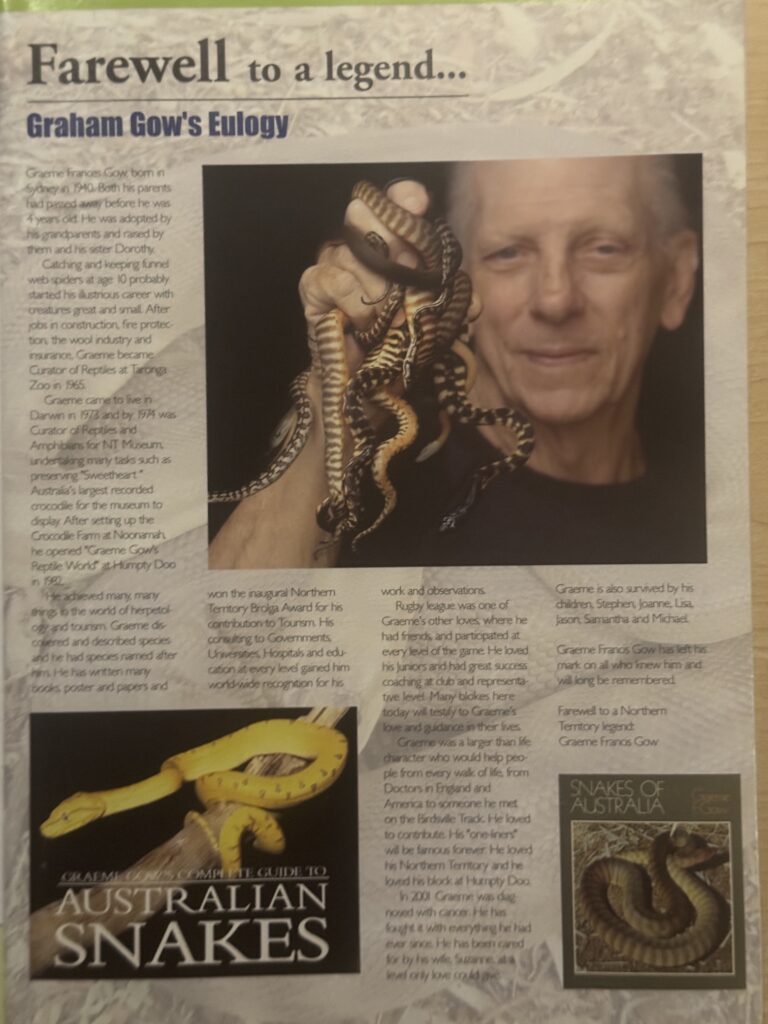
One represented issue also preserves a memorial to Graeme Francis Gow, an important figure in Australian herpetology. The memorial records his work with reptiles, his curatorial career, his move to Darwin, his work with the Northern Territory Museum, the establishment of the Crocodile Farm at Noonamah, the opening of Graeme Gow’s Reptile World at Humpty Doo, his publications, and his influence on keepers, herpetologists, and the wider Australian community. Preserving that issue therefore retains not only reptile information but also a contemporary record of the people who shaped Australian herpetology.
The physical run is also significant because later collector discussions indicate that Reptiles Australia is now difficult to assemble as a complete set. Later collectors describe a thirty three issue run and specifically note missing early and late issues when attempting to complete their sets. The issues preserved here therefore contribute to the survival of a specialist print publication from a period when much reptile information was still circulated through magazines rather than through websites and social media.
Magazine Research Record
Canada
Canadian Reptile Hobbyist
Captive Care, Breeding & Natural History
Publication Identification
| Field | Information |
| Country | Canada |
| Publisher | MeisterWorks Graphic Design |
| Publisher address | Unavailable. Exact historical street address not established without masthead. |
| Magazine title | Canadian Reptile Hobbyist |
| Publication status | Presumed discontinued. |
| Publication run | September 2016 to approximately 2017. Final issue and exact cessation date unverified. |
| Editor | Pending research update. |
| Printer | Pending research update. |
| ISSN | Unavailable. Not displayed on the supplied cover; masthead not supplied. |
| Language | English |
| Publication type | Specialist reptile and amphibian hobbyist magazine |
| Publication frequency | Unavailable. Not established from the supplied evidence. |
Preservation Significance
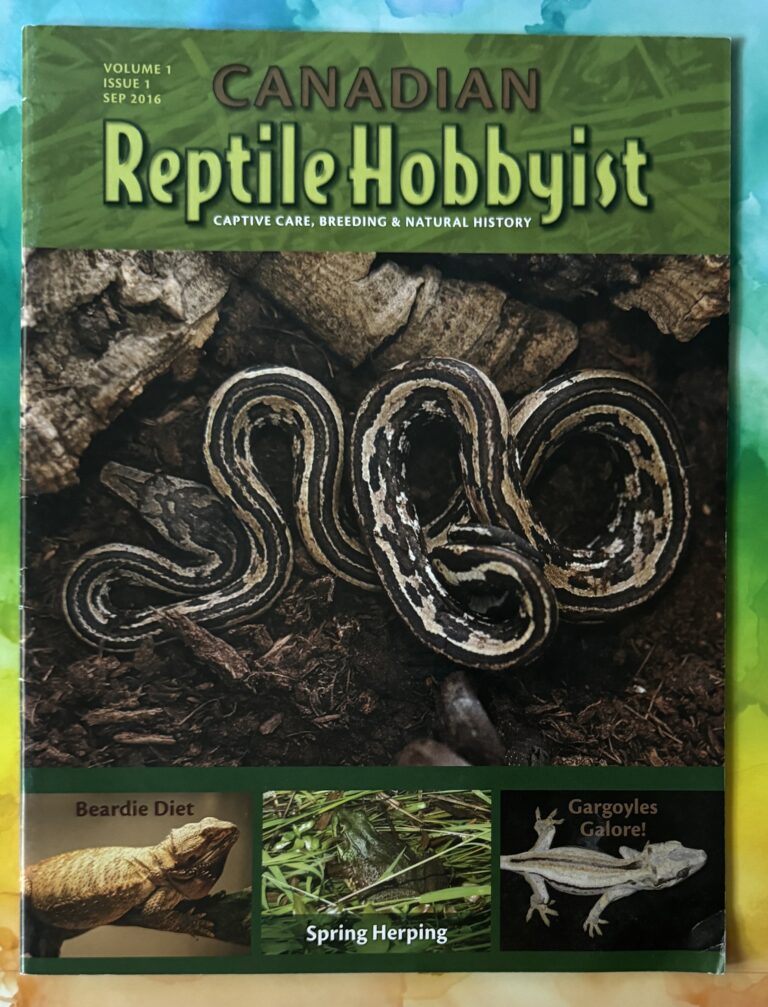
Canadian Reptile Hobbyist has preservation significance because it documents an effort to create a distinctly Canadian reptile and amphibian publication focused on captive care, breeding, natural history, conservation, and the Canadian herpetocultural community. This September 2016 copy is Volume 1, Issue 1, the premiere issue of the publication. Contemporary records show that the magazine was launched through MeisterWorks Graphic Design by Neil Meister and that a second issue was being prepared in 2017, but the publication has left a relatively limited public record. Preserving the first physical issue therefore retains direct evidence of the magazine’s launch, its original design and editorial focus, and an early attempt to give Canadian breeders, businesses, conservationists, researchers, and reptile keepers a publication centered on their own community.
Magazine Research Record
Reptile Life
Publication Identification
| Field | Information |
| Country | Canada |
| Publisher | Wise and Wright Publishers |
| Publisher address | 100, 1039 17th Ave SW, Suite 214, Calgary, Alberta T2T 0B2 |
| Magazine title | Reptile Life |
| Publication status | Unknown; documented as an active Canadian magazine through at least 2009 |
| Publication run | August/September 1996 through at least 2009; began as The OphidioFile / Canadian Journal of Reptiles and Amphibians and continued as Reptile Life |
| Editor | Jonathan Wright |
| Printer | Central Web Colorpress, Edmonton, Alberta (Issues 5 and 6; other issues pending research update) |
| ISSN | 1205-8378 (printed in the mastheads for Issues 4, 5, and 6) |
| Language | English |
| Publication type | Reptiles and amphibians, natural history, field herpetology, conservation, captive care, and husbandry |
| Publication frequency | Bimonthly; six issues per subscription year (Issue 6 subscription form) |
Preservation Significance
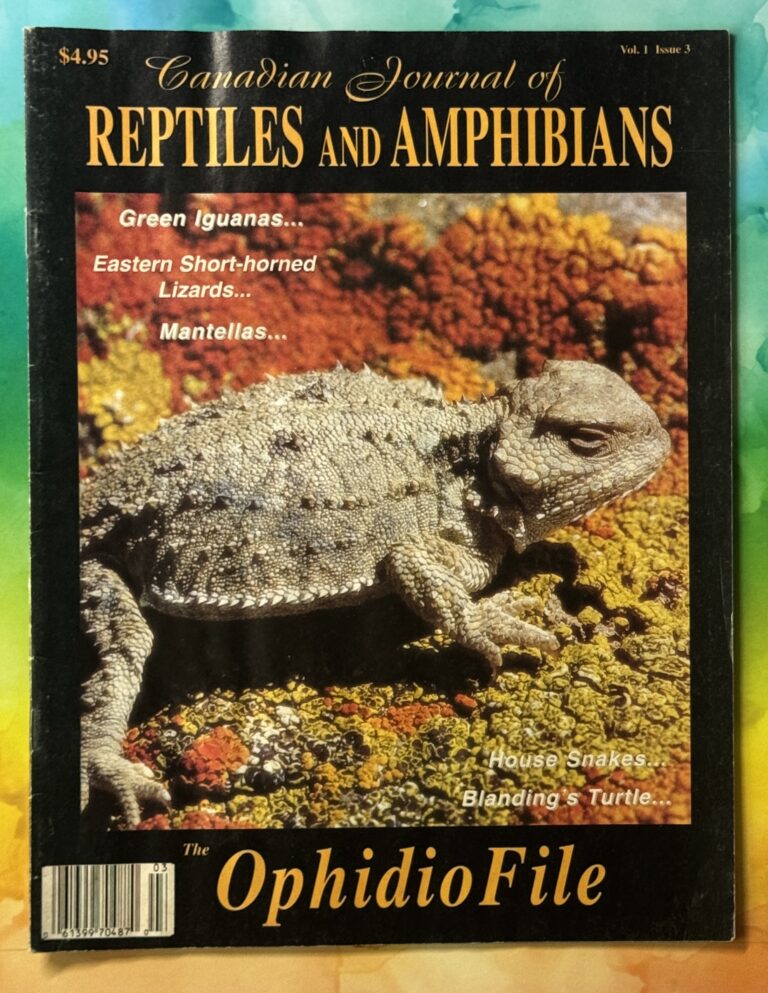
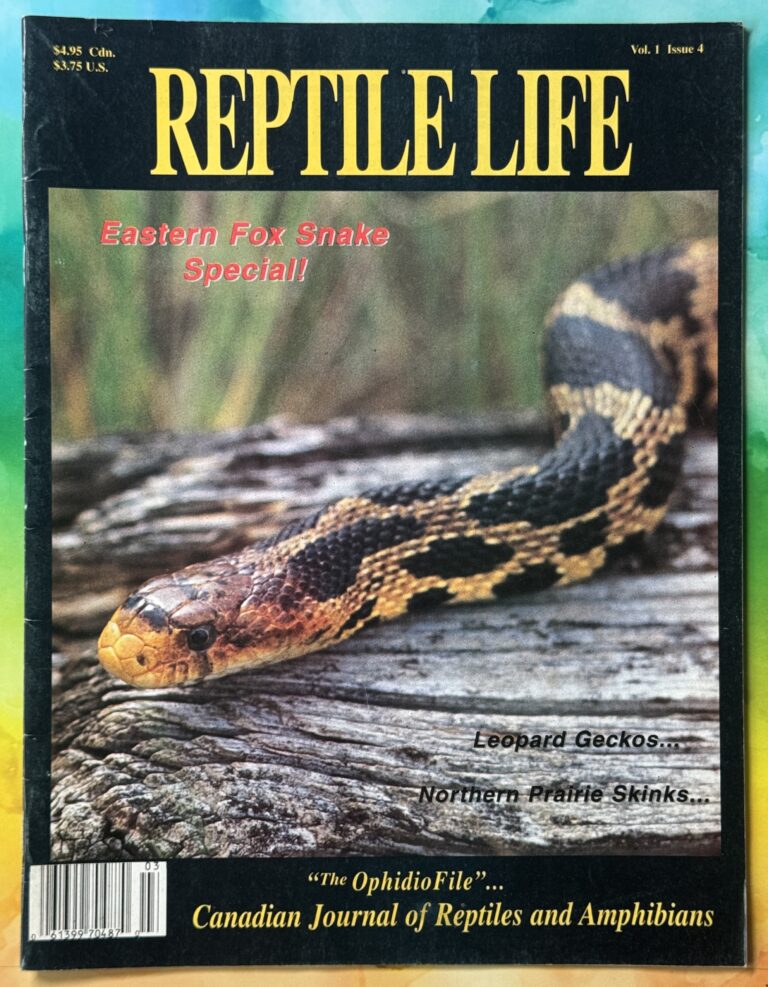
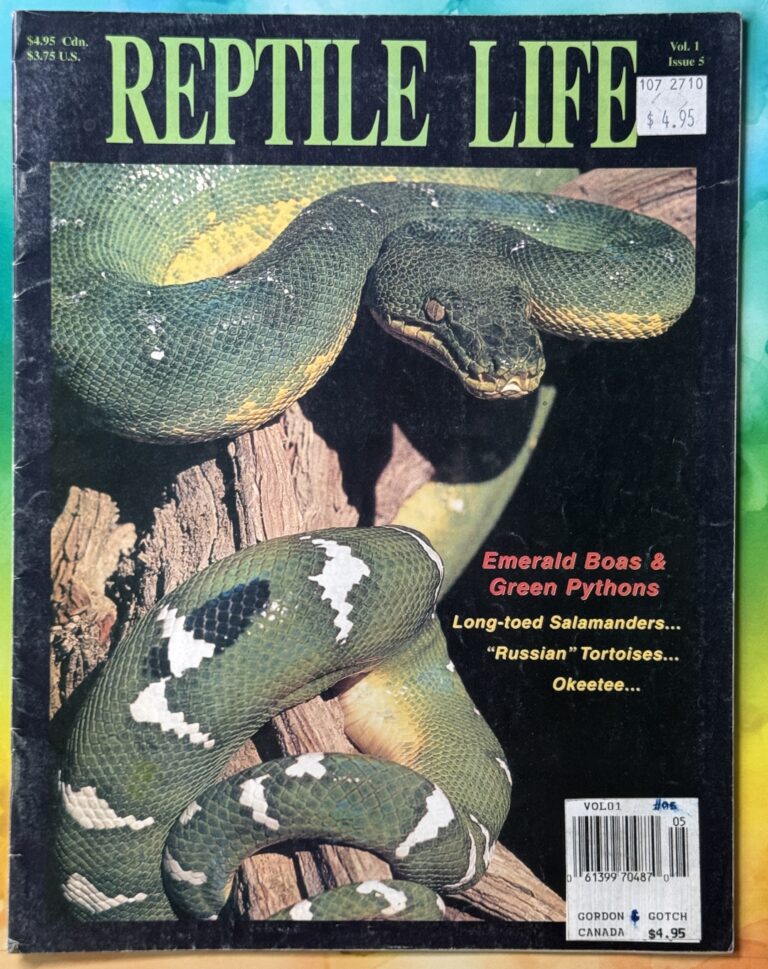
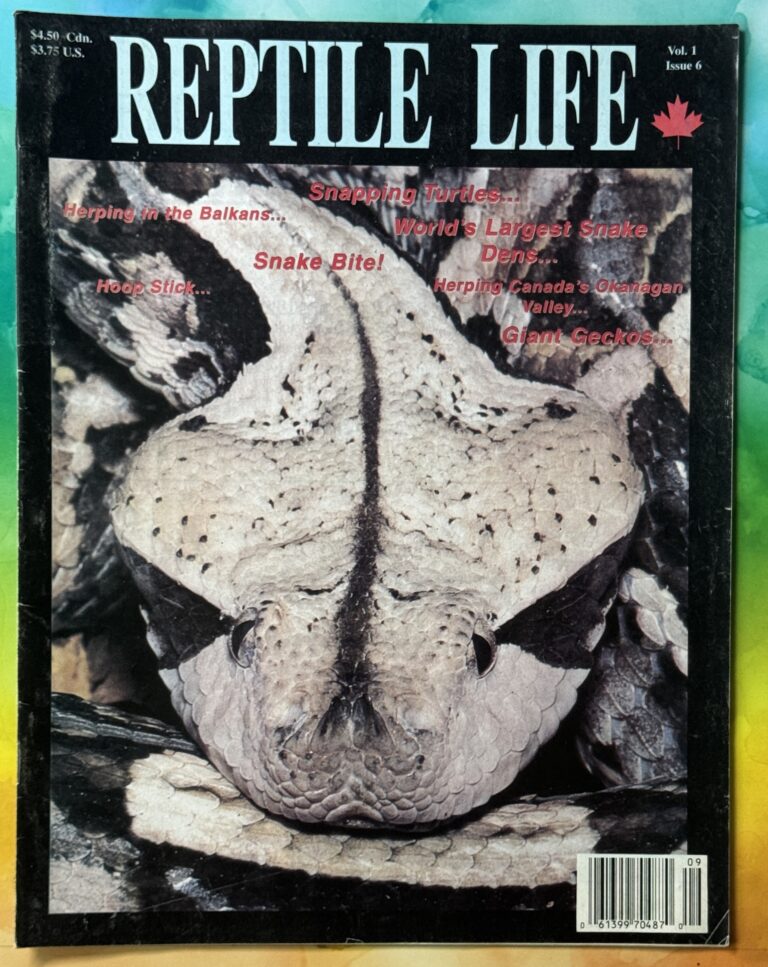
This short run has unusual preservation value because the surviving physical issues document a visible change in publication identity within the first volume. Volume 1, Issue 3 is presented as Canadian Journal of Reptiles and Amphibians with The OphidioFile prominently displayed on the cover. Volume 1, Issue 4 introduces Reptile Life as the dominant title while still retaining “The OphidioFile” and “Canadian Journal of Reptiles and Amphibians” at the bottom of the cover. By Issues 5 and 6, Reptile Life stands alone as the principal publication title. Preserving the issues together therefore documents the title transition directly through the magazines themselves rather than requiring the change to be reconstructed later from secondary references.
The collection also preserves two physically different copies of Volume 1, Issue 5. One copy is identified in the collection as a mailed copy and carries an added Gordon & Gotch Canada distribution label and separate pricing sticker. The other is identified as a newsstand copy and has a different barcode presentation without the added distributor label. The paired copies preserve evidence of how the same issue circulated through different distribution channels. That makes the duplicate issue useful as publication history rather than simple duplication.
The covers and contents also preserve a broad picture of Canadian reptile and amphibian interests during the publication period. The represented issues include material on Eastern fox snakes, house snakes, leopard geckos, northern prairie skinks, green iguanas, mantellas, Blanding’s turtle, emerald boas, green pythons, long toed salamanders, Russian tortoises, snapping turtles, snakebite, herping in Canada and abroad, and the world’s largest snake dens. Together, the issues preserve both specialist information and a physical record of how reptile and amphibian subjects were presented to Canadian readers.
Magazine Research Record
Germany
elaphe / Terraria
Publication Identification
| Field | Information |
| Country | Germany |
| Publisher | Deutsche Gesellschaft für Herpetologie und Terrarienkunde (DGHT); Natur und Tier Verlag GmbH (NTV). DGHT and NTV jointly published the combined title. |
| Publisher address | Pending research update |
| Magazine title | elaphe (standalone); TERRARIA (standalone); TERRARIA/elaphe (combined publication) |
| Publication status | elaphe: active as a DGHT publication. Standalone TERRARIA: ceased with No. 74 (November 2018). Combined TERRARIA/elaphe: ended in 2018. |
| Publication run | elaphe first appeared in 1979, was interrupted following German reunification, revived as a DGHT magazine, combined with TERRARIA beginning in 2012, and returned under its own title with issue 1/2019. TERRARIA existed independently by 2008; its precise first issue date is not established in the supplied record. Combined publication: 2012–2018. |
| Editor | Pending research update. Individual issue editorial personnel require verification; transition-era personnel are documented below. |
| Printer | Druck Center Meckenheim for elaphe, Heft 3/2011. Other issues: Pending research update |
| ISSN | elaphe (current DGHT record): 2627-6275. Historical TERRARIA and combined-title identifiers: Pending research update |
| Language | German |
| Publication type | Specialist herpetology, terrarium keeping, conservation and research publications |
| Publication frequency | TERRARIA and combined TERRARIA/elaphe: bimonthly for documented issues. elaphe: frequency varied over its history; four issues annually from 2024, according to DGHT. |
Preservation Significance
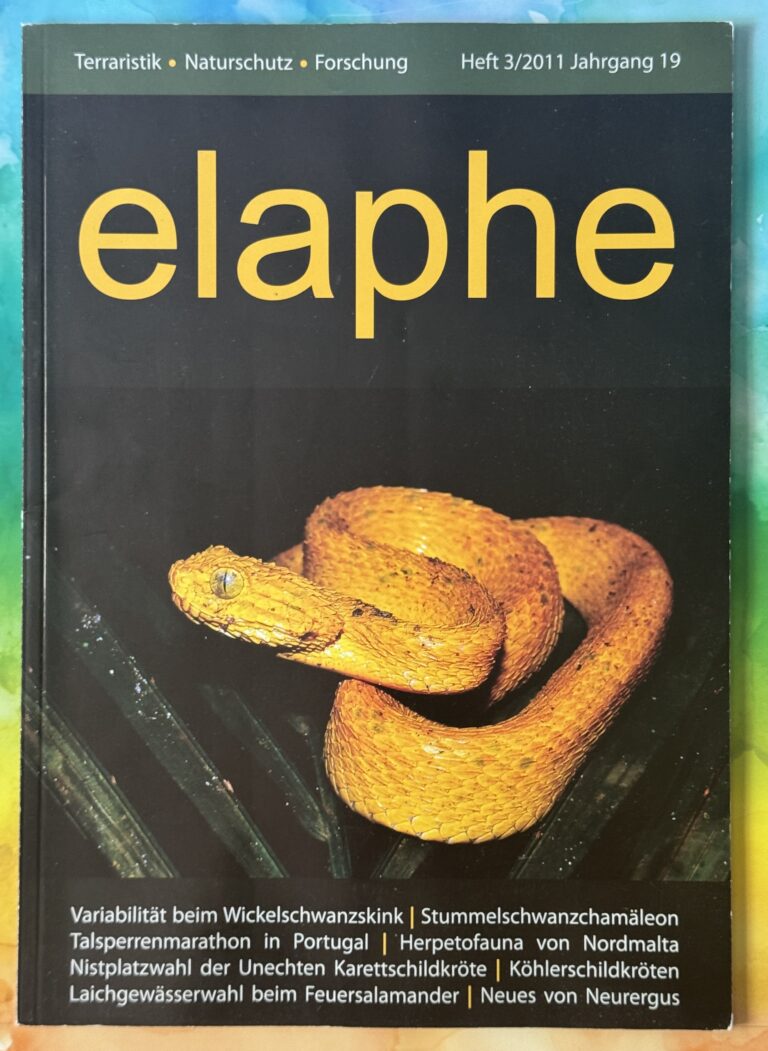
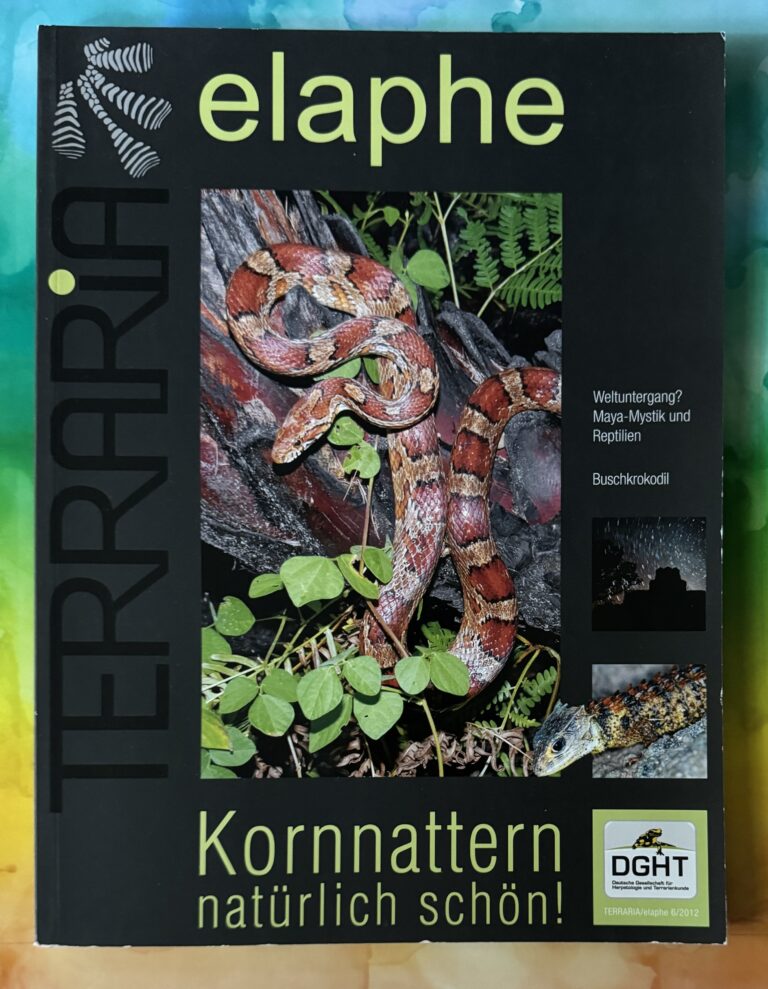
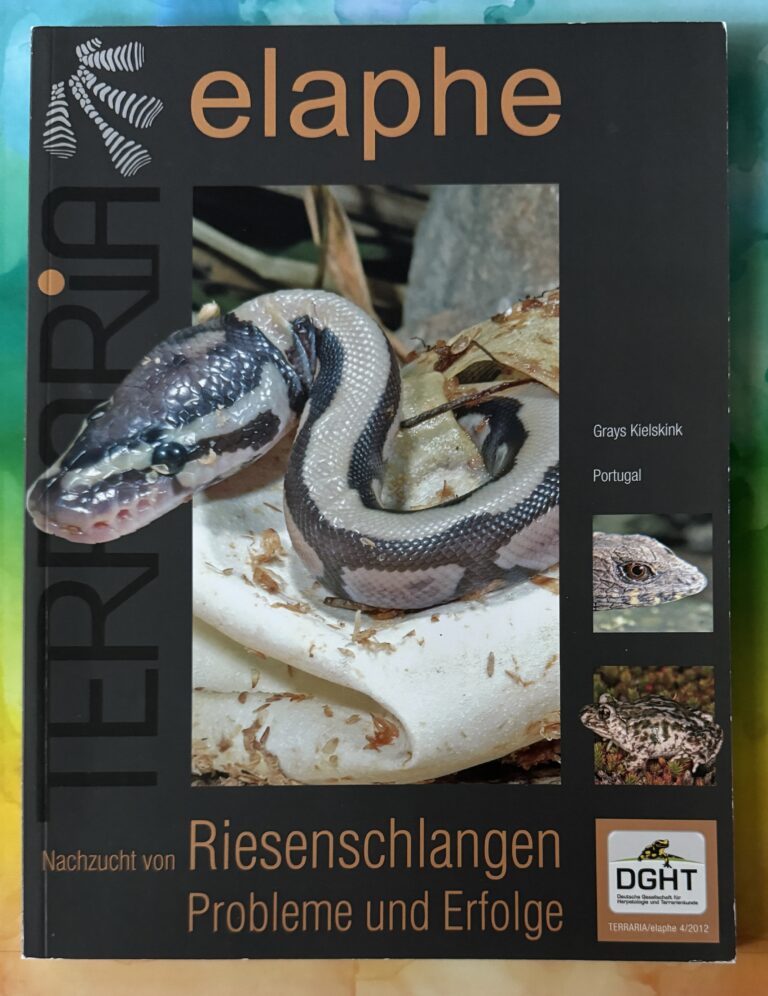
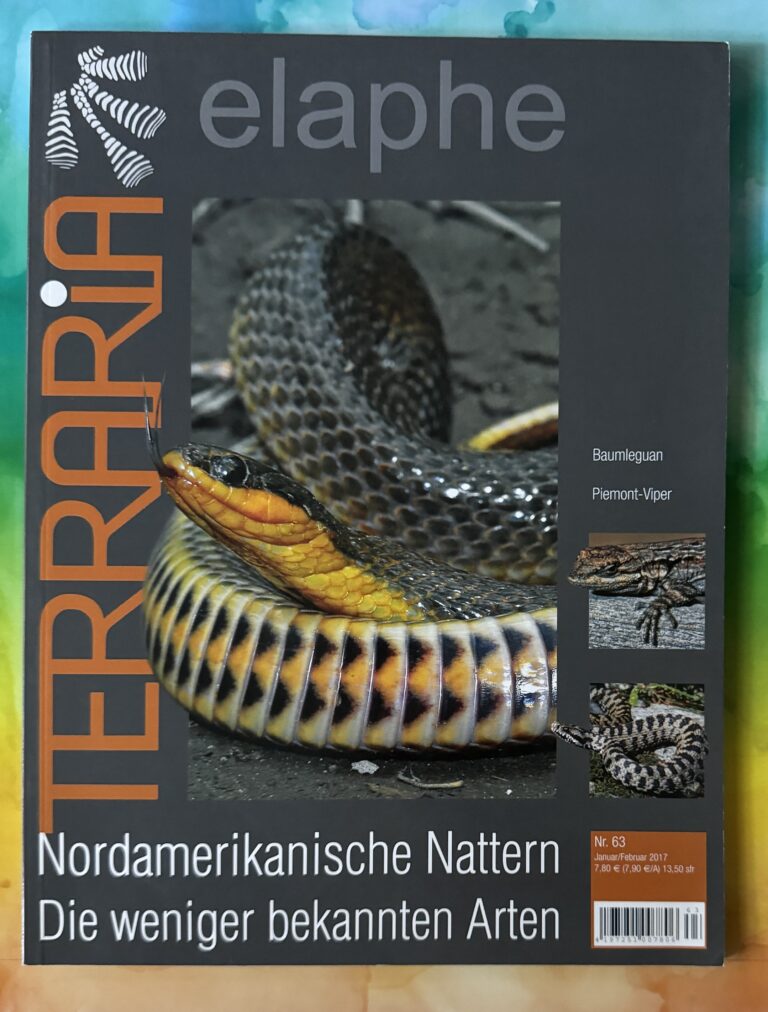
The physical issues preserve a publishing relationship that is not apparent from the magazine names alone. The collection contains standalone examples of elaphe, standalone issues of TERRARIA, issues published under the combined TERRARIA/elaphe title, and a later issue of elaphe after the combined arrangement ended. Together, these copies document two distinct German herpetological publishing traditions, their temporary combination, changes in branding and production, and the return of elaphe as a separate DGHT publication.
Cataloging each issue under the title used at the time of publication protects this chronology. Treating all ten issues as one uninterrupted title would obscure the distinct origins and later changes in the relationship between the publications.
Magazine Research Record
Herpetfauna
Publication Identification
| Field | Information |
| Country | Germany |
| Publisher | herpetofauna-Verlags GmbH |
| Publisher address | Pending research update. Historical publishing locations include Ludwigsburg-Oßweil and Weinstadt. |
| Magazine title | herpetofauna |
| Publication status | Discontinued. A historical account reports cessation in 2004; exact final issue pending research update. |
| Publication run | First issue: 1. Jahrgang, No. 1, July 1979. Known publication period: 1979–2004. Exact final issue pending research update. |
| Editor | Pending research update |
| Printer | Pending research update |
| ISSN | 0172-7761 |
| Language | German |
| Publication type | German specialist herpetological and terrarium periodical |
| Publication frequency | Bimonthly / six issues per year |
Preservation Significance
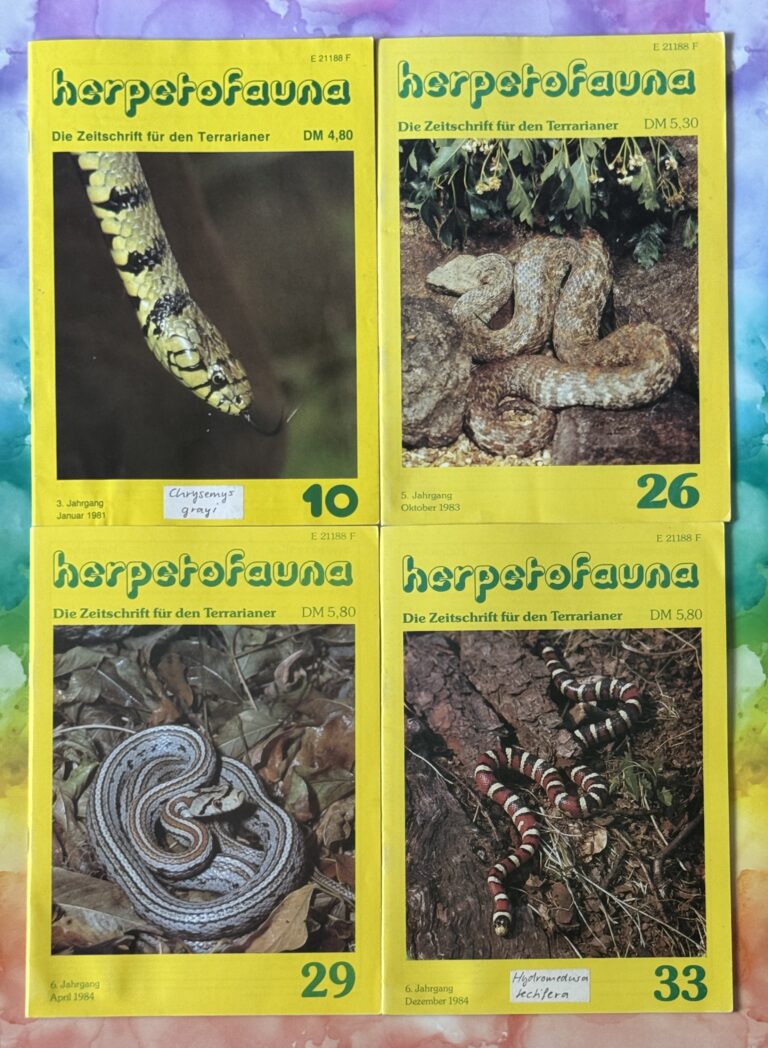
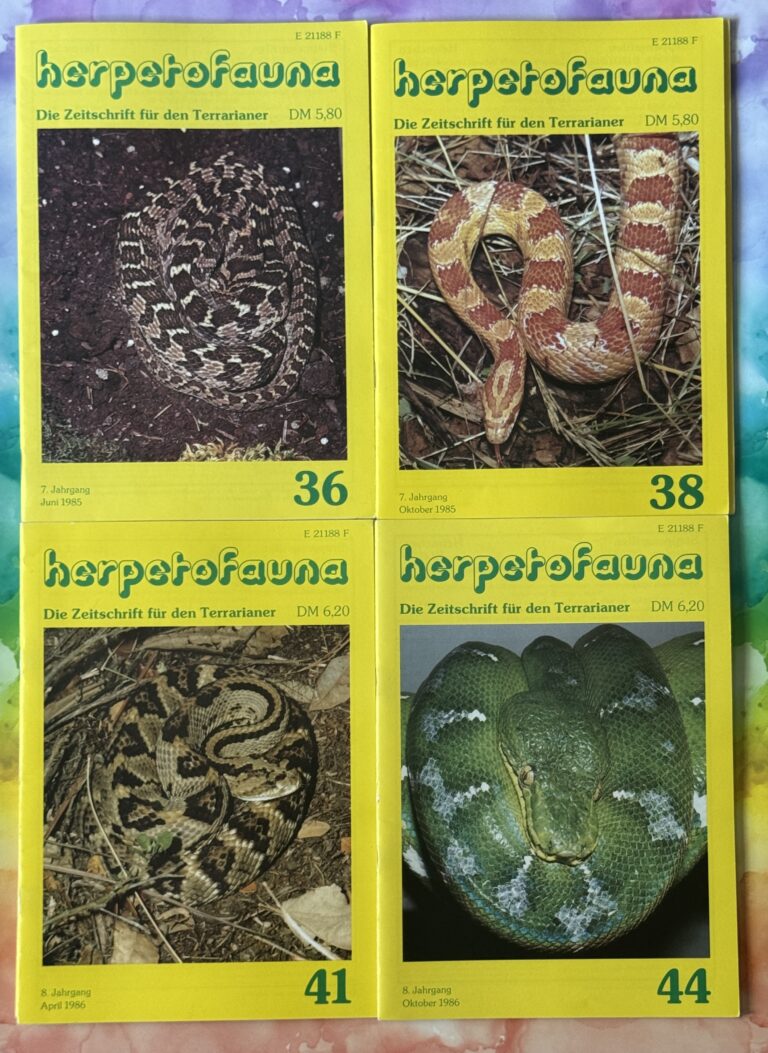
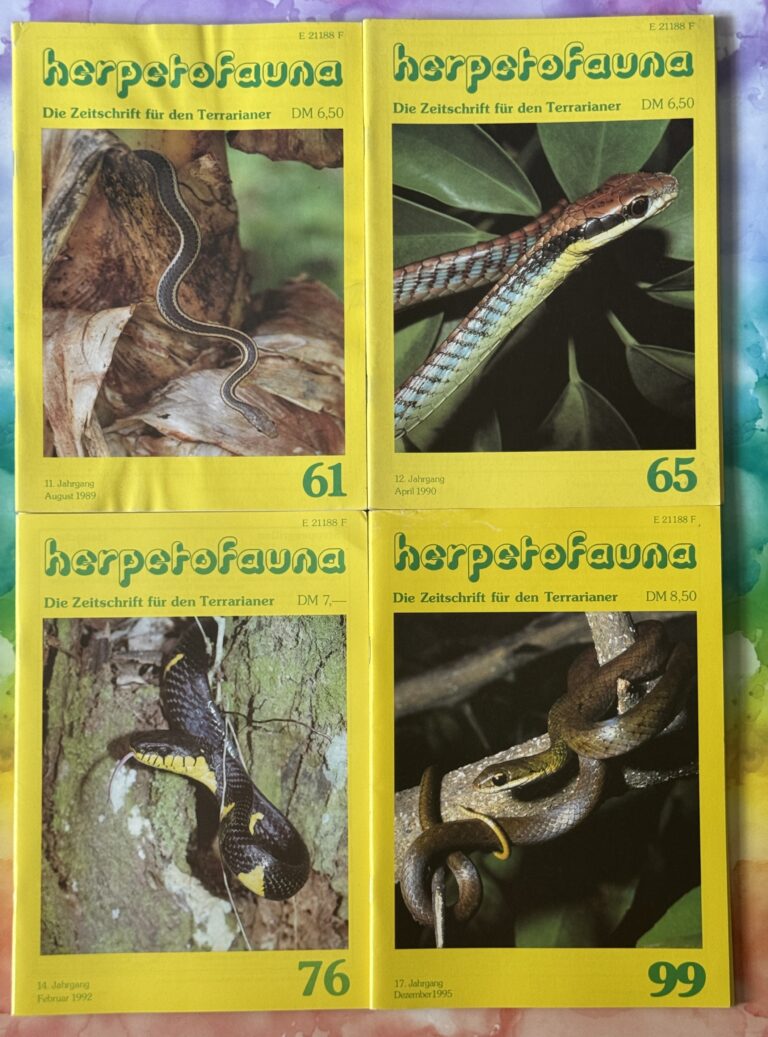
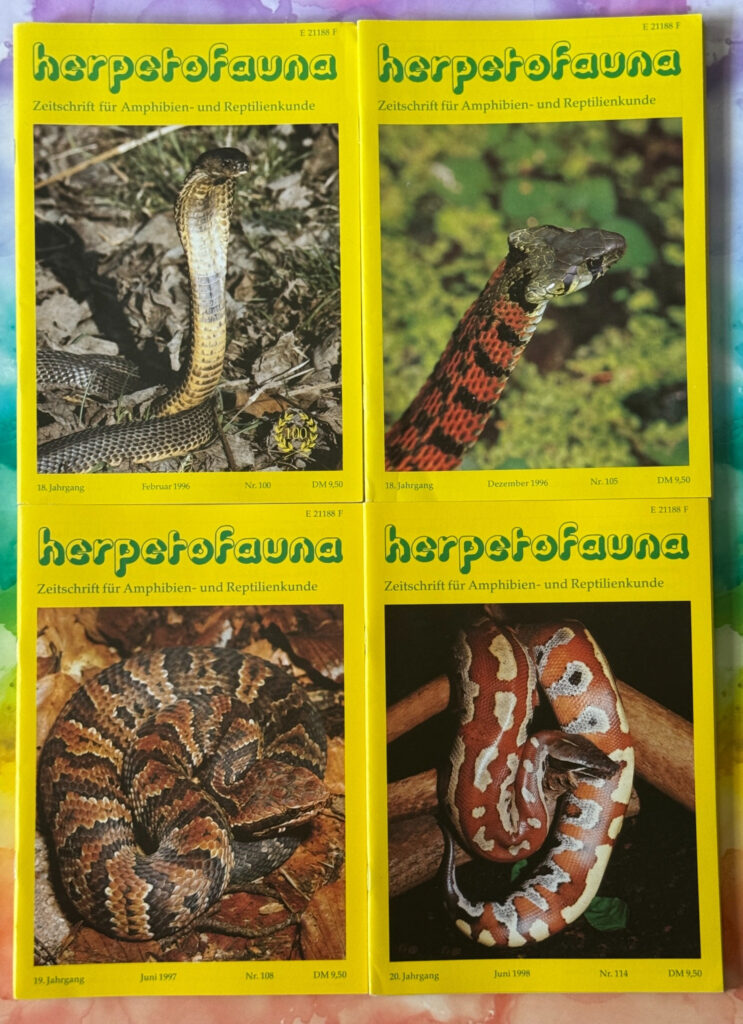
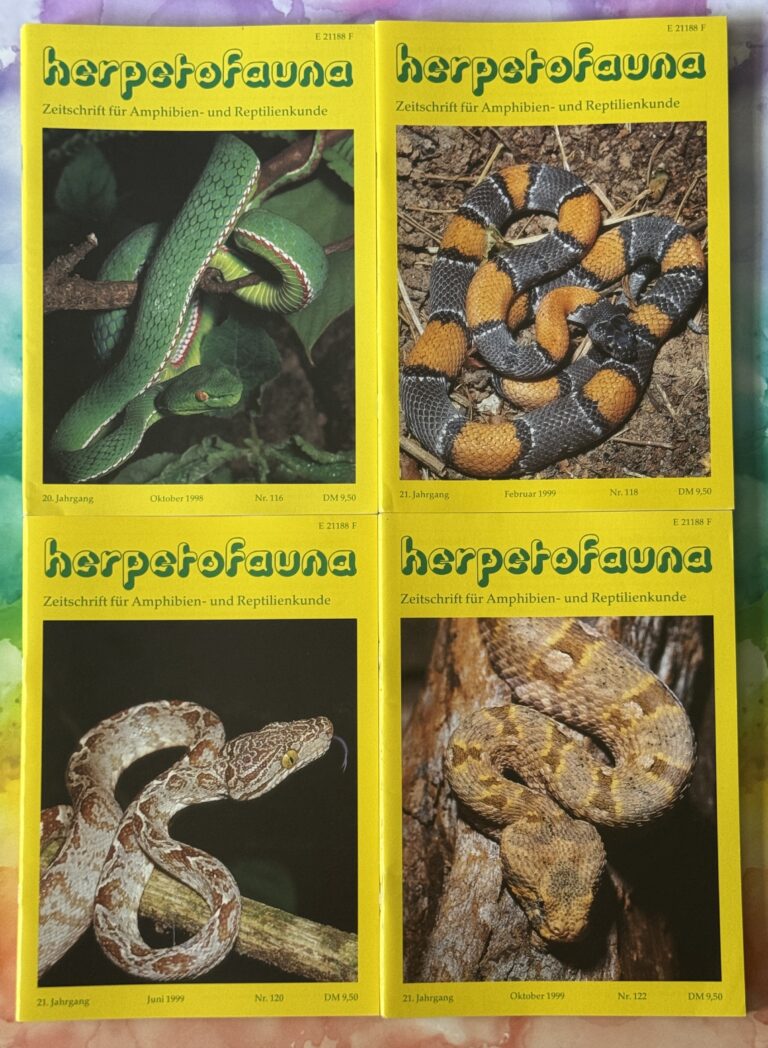
Herpetofauna has preservation significance as a long running German specialist periodical documenting reptile and amphibian keeping, husbandry and herpetology across more than two decades of rapid change in European terraristics. The issues represented in the collection span 1981 through 1999 and preserve a nearly twenty year visual and bibliographic record of the publication, including sequential issue numbering, volume years, changing cover prices, evolving subtitle language and a sustained emphasis on reptiles and amphibians. The earlier issues identify the publication as “Die Zeitschrift für den Terrarianer” (“The Magazine for the Terrarium Keeper”), while later issues use “Zeitschrift für Amphibien- und Reptilienkunde” (“Journal for Amphibian and Reptile Studies”), reflecting a shift in how the publication presented its subject and audience. The surviving covers also document the prominent place of snakes within the magazine’s visual identity, while the publication’s complete index records articles dating back to 1979. Preserving these physical issues retains evidence of German language herpetological and terrarium culture, publication practices and specialist knowledge that developed before online herpetological information became widespread.
Magazine Research Record
Japan
Creeper (クリーパー)
Publication Identification
| Field | Information |
| Country | Japan |
| Publisher | クリーパー社 (Creeper-sha / Creeper Publishing) |
| Publisher address | 2-6-7 Nakai, Shinjuku-ku, Tokyo 161-0035, Japan |
| Magazine title | Creeper (クリーパー) |
| Publication status | Active |
| Publication run | 2000 to present |
| Editor | Pending research update |
| Printer | Pending research update |
| ISSN | Pending research update |
| Language | Japanese |
| Publication type | Reptile and amphibian information magazine |
| Publication frequency | Bimonthly |
Preservation Significance
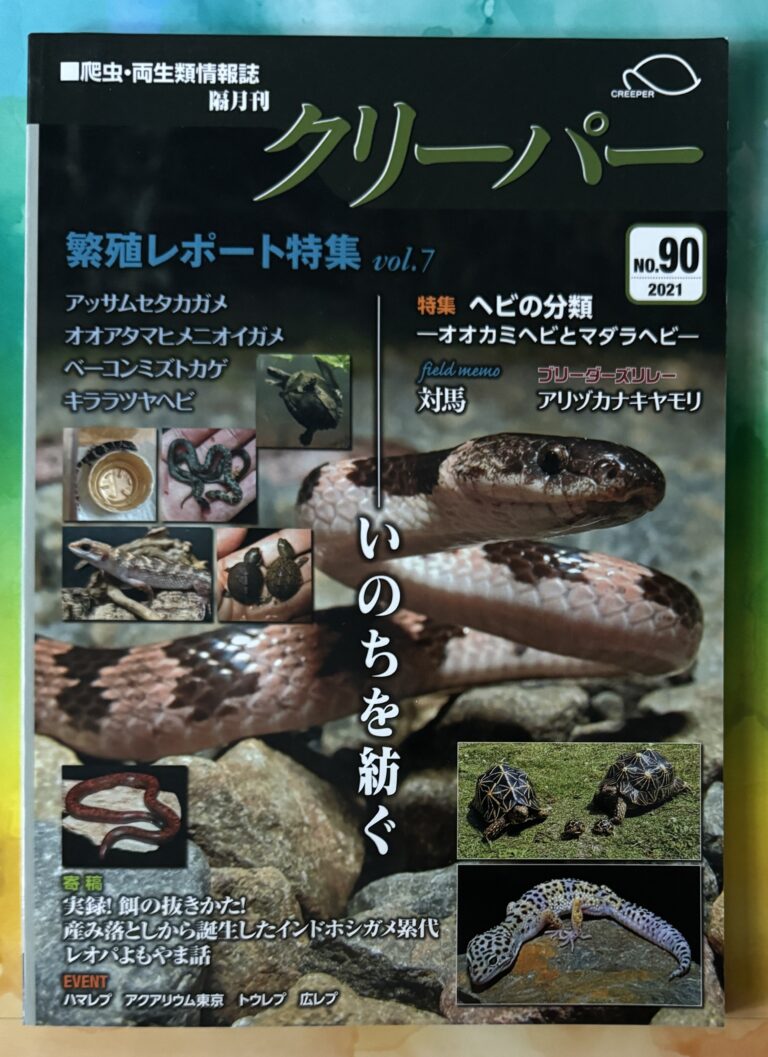
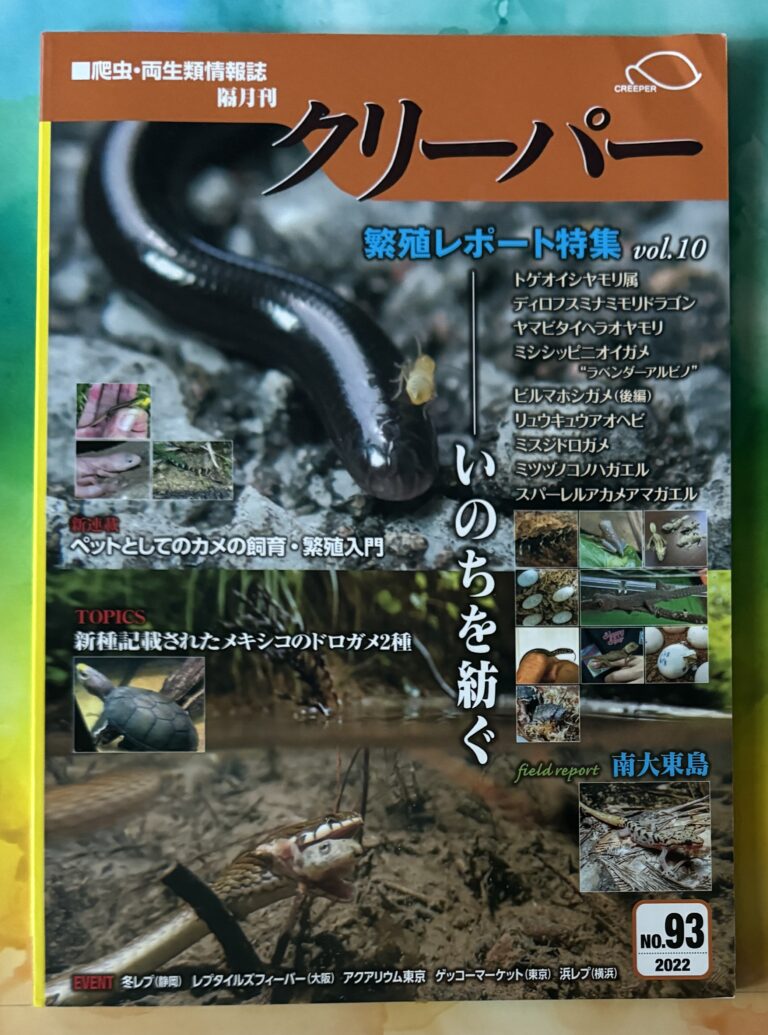
These issues have preservation value because they document a specialized Japanese reptile and amphibian publication that combines captive husbandry, breeding reports, taxonomy, natural history, field observations, conservation topics, and the Japanese herpetocultural community. For an English language preservation project, the physical copies also preserve material that is less accessible to researchers and hobbyists who do not read Japanese or routinely search Japanese catalogs and publisher archives.
The two issues further demonstrate why retaining the original physical publication matters bibliographically. The prominent “vol. 7” and “vol. 10” on the covers refer to the Breeding Report Special series, while the magazines themselves are both bibliographic Volume 16. Preserving the issues together with accurate metadata prevents that distinction from being lost or miscataloged. No. 90 is also listed by the publisher as sold out, making the physical copy useful evidence of an issue that is no longer available as a normal publisher back issue. Together, Nos. 90 and 93 preserve a snapshot of Japanese reptile and amphibian publishing, husbandry practice, field reporting, and taxonomic interests in 2021 and 2022.
Magazine Research Record
Repfan (レプファン)
Publication Identification
| Field | Information |
| Country | Japan |
| Publisher | Kasakura Publishing Co., Ltd. / 笠倉出版社 |
| Publisher address | Pending research update |
| Magazine title | REPFAN / レプファン |
| Publication status | Ongoing series, as documented in the original research record |
| Publication run | Documented represented volumes from December 2018 through May 2024; series start date and complete span: Pending research update |
| Editor | Pending research update |
| Printer | Pending research update |
| ISSN | Not applicable to the documented individually ISBN-identified mook volumes; see Research Cautions |
| Language | Japanese, with frequent English feature headings and species names |
| Publication type | Japanese reptile and exotic animal mook, issued within the SAKURA MOOK line |
| Publication frequency | Several times annually according to the current listings; exact historical schedule: Pending research update |
Preservation Significance
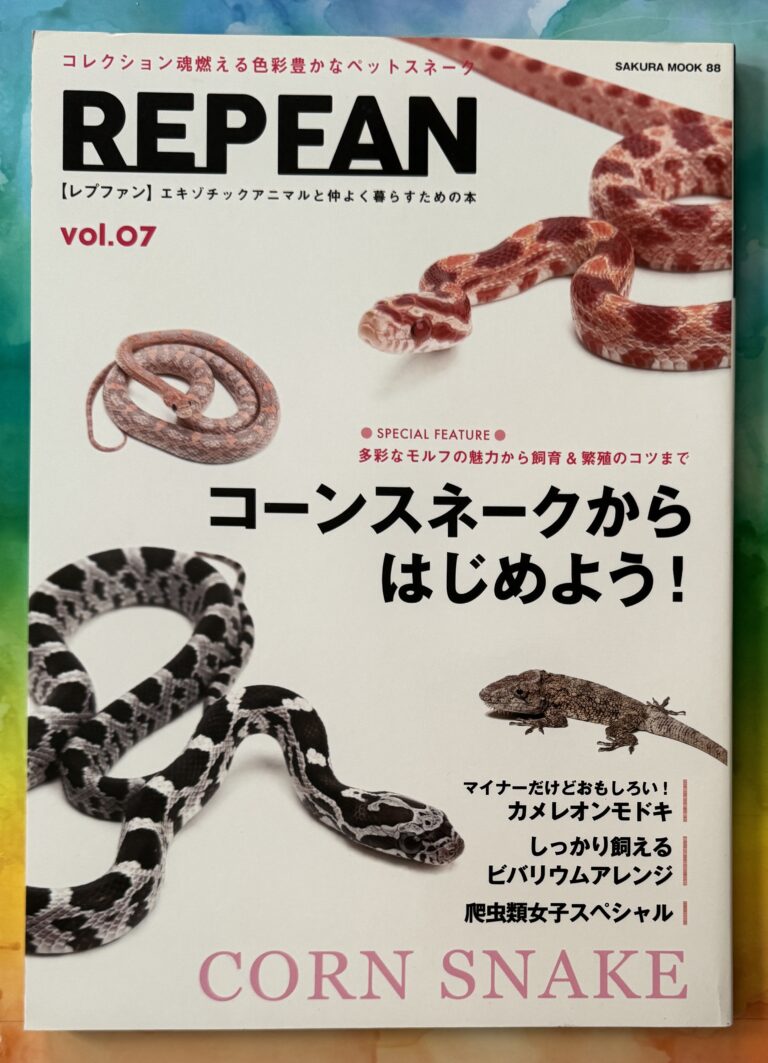
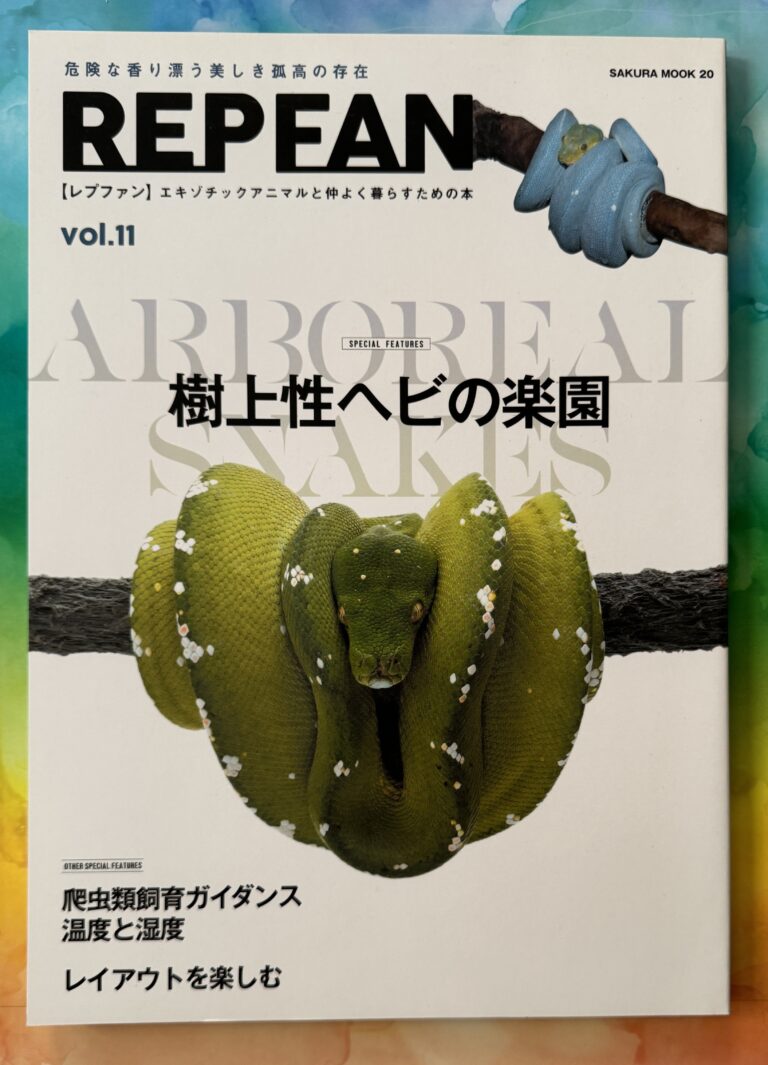
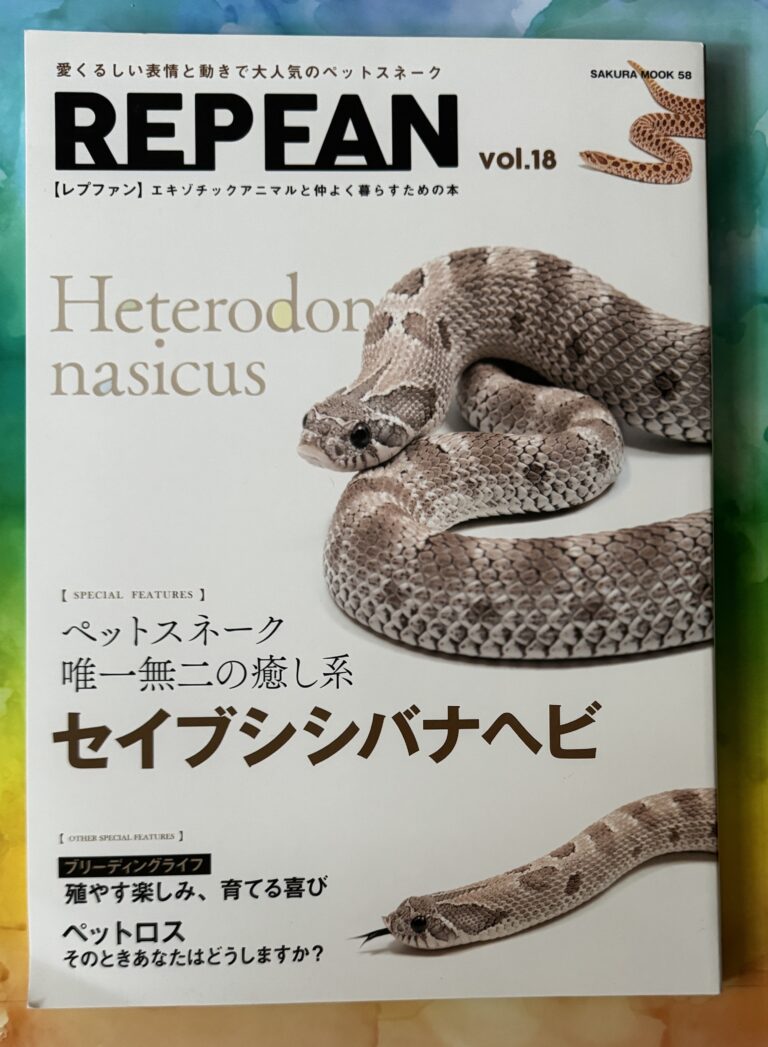
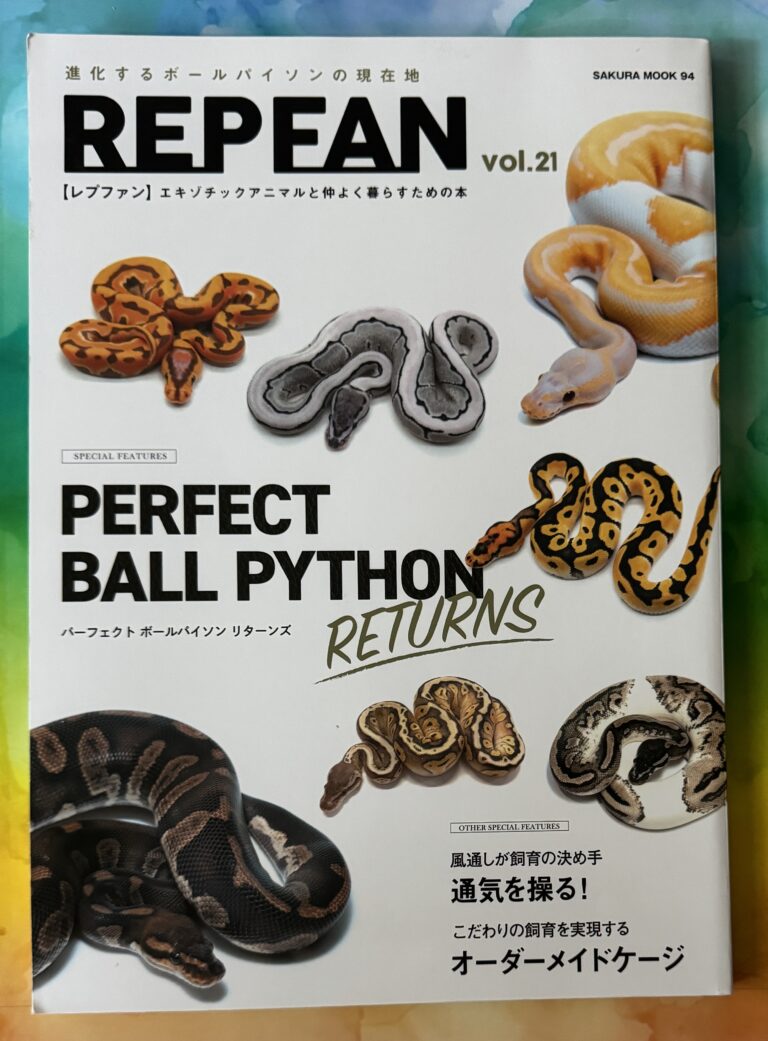
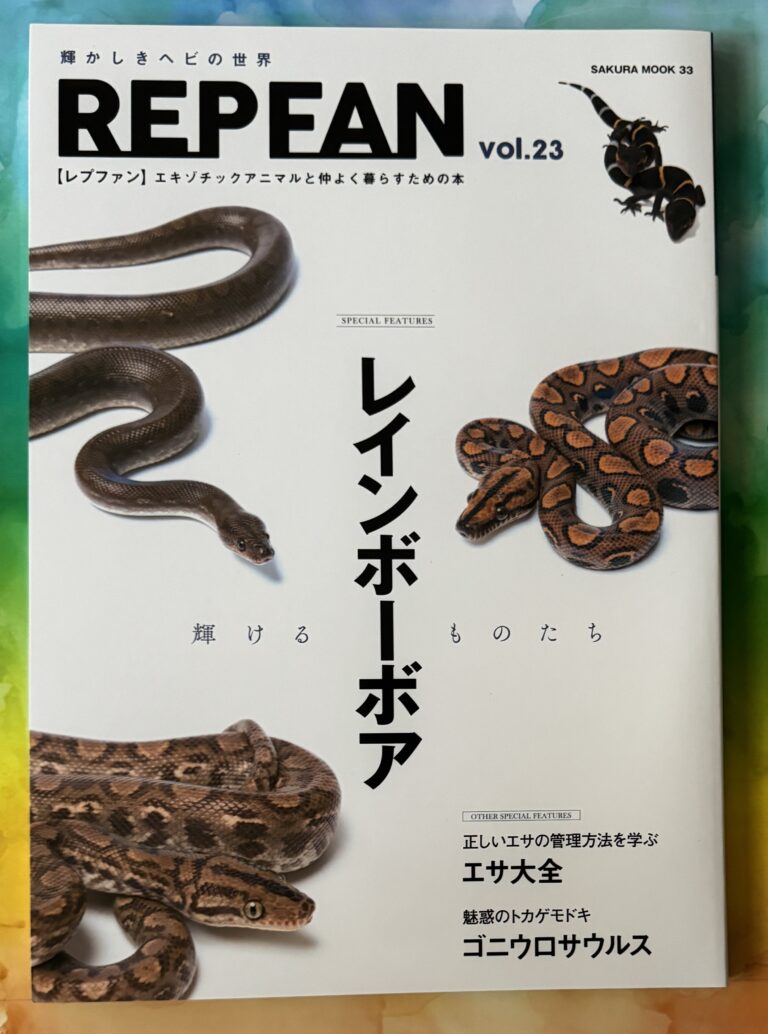
REPFAN adds a distinctly Japanese publishing perspective to the preservation project. Unlike the British and American hobby magazines in the collection, REPFAN is issued as a Japanese mook within the SAKURA MOOK line. The represented copies therefore preserve not only reptile husbandry information but also a different national publishing format, graphic style, terminology and presentation of the reptile hobby.
All five represented volumes are strongly snake centered. Vol.7 uses corn snakes as the principal feature. Vol.11 focuses on arboreal snakes. Vol.18 centers on the western hognose snake. Vol.21 returns to ball pythons with a major “Perfect Ball Python Returns” feature. Vol.23 highlights rainbow boas. The covers also document the Japanese market’s strong interest in morphs, breeding, enclosure design and visually distinctive captive snakes.
The series is especially useful for international comparison because the covers combine Japanese explanatory text with English taxonomic or hobby terminology. This makes the physical issues evidence of how global reptile keeping language, species popularity and morph culture were adapted for a Japanese readership.
Magazine Research Record
Scale (スケイル)
Publication Identification
| Field | Information |
| Country | Japan |
| Publisher | Art Village, independently verified |
| Publisher address | Pending research update |
| Magazine title | scale |
| Publication status | Pending research update. Collector accounts suggest issue 011 was the last before suspension, but the final status is not independently established. |
| Publication run | Documented issue 001 in 1997 through at least issue 011 in 2001; complete inaugural and final publication dates pending research update. |
| Editor | Art Village credited as editor or compiler in a Japanese bookseller record for issue 005; named individual editor pending research update |
| Printer | Pending research update |
| ISSN | Pending research update |
| Language | Japanese, with recurring English section labels and headings |
| Publication type | Japanese reptile and amphibian information magazine |
| Publication frequency | Quarterly, independently documented in a contemporary 1998 reference |
Preservation Significance
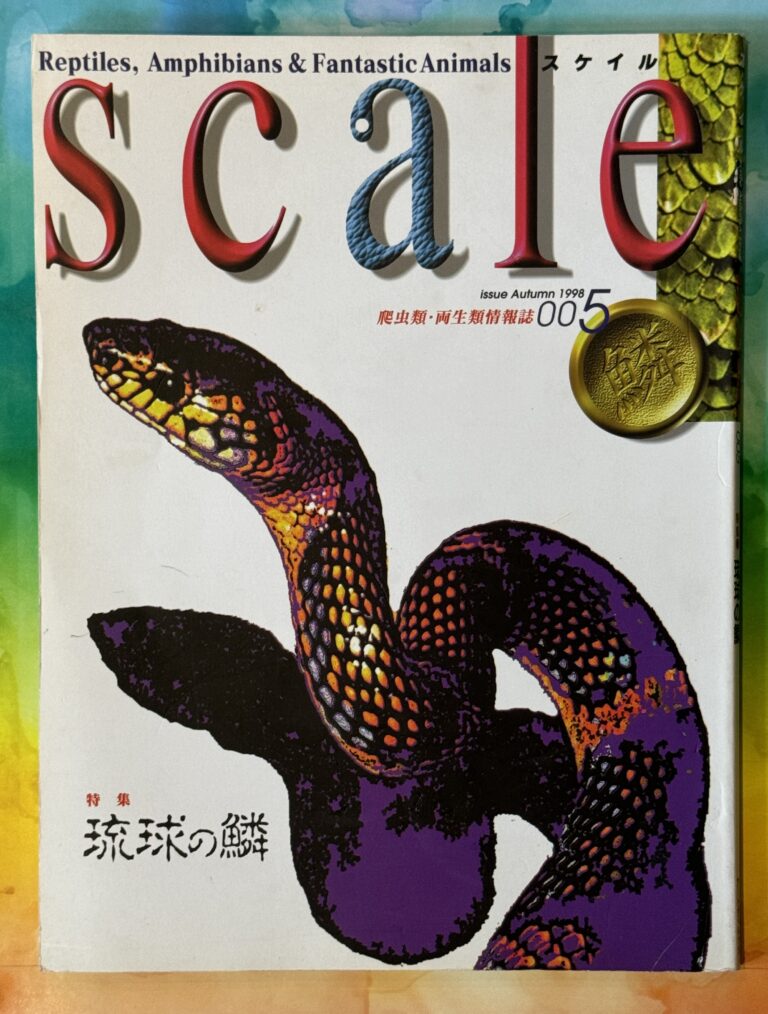
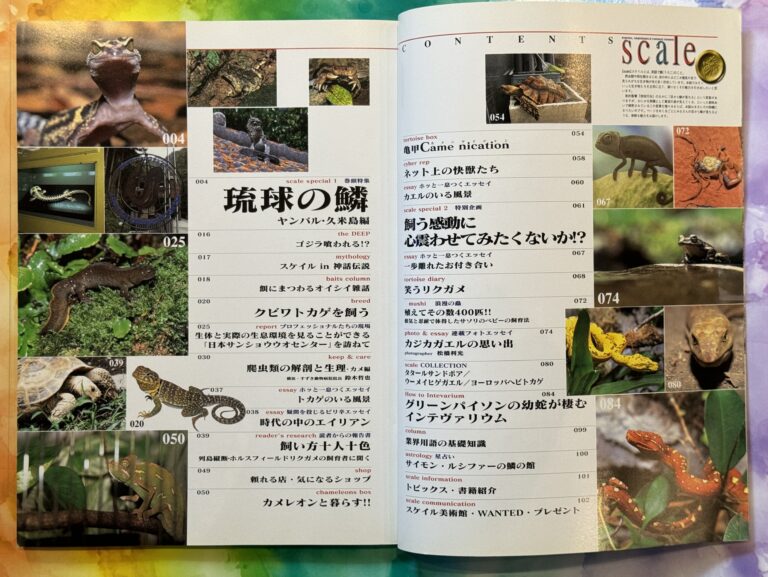
Issue 005 is a strong preservation example because it documents a late 1990s Japanese reptile and amphibian magazine that combined field herpetology, captive care, natural history, photography, specialist retail information and terrarium culture in a highly visual format. The issue also demonstrates how Japanese herpetological publishing developed its own editorial and graphic identity rather than simply reproducing the visual conventions of English language hobby magazines.
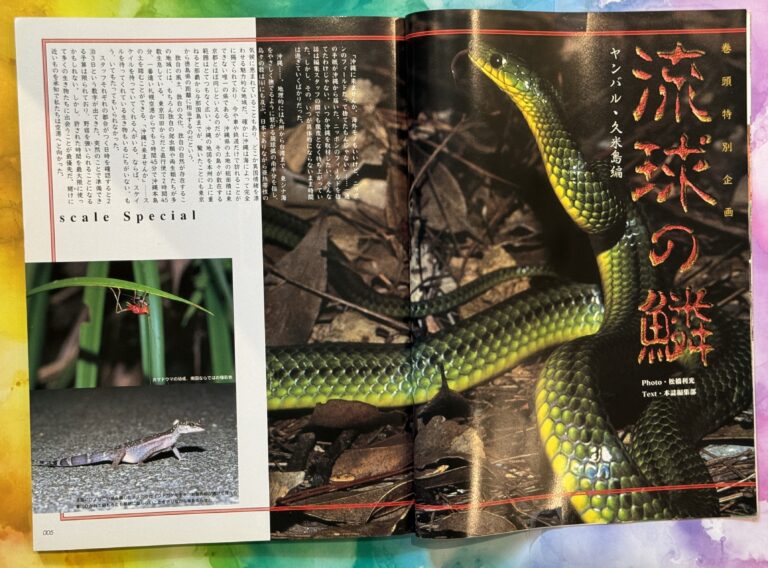
The principal feature, 琉球の鱗, centers on the Ryukyu Islands and specifically identifies Yanbaru and Kume Island. The opening feature photographs reptiles and other animals in habitat and presents regional field material alongside the magazine’s broader captive care and husbandry content. This makes the issue useful not only as a hobby publication but also as a record of how native Japanese reptiles and amphibians were presented to specialist readers during the period.
The issue also preserves a publication that is difficult to reconstruct from current online information alone. Contemporary and later sources confirm the title, publisher and issue numbering, but complete publication records are sparse. A surviving physical issue therefore preserves cover design, internal organization, photography, Japanese terminology and article sequencing that would otherwise be difficult to document reliably.
Magazine Research Record
Vivarium Guide (ビバリウムガイド)
Publication Identification
| Field | Information |
| Country | Japan |
| Publisher | MPJ Co., Ltd. / エムピージェー |
| Publisher address | Pending research update |
| Magazine title | Vivarium Guide |
| Publication status | Active / continuing, as documented in the existing National Diet Library and publisher research |
| Publication run | 1997 to present, as documented in the existing record |
| Editor | Pending research update |
| Printer | Pending research update |
| ISSN | Pending research update |
| Language | Japanese |
| Publication type | 爬虫・両生類の飼育情報誌, a reptile and amphibian husbandry information magazine |
| Publication frequency | Quarterly |
Preservation Significance
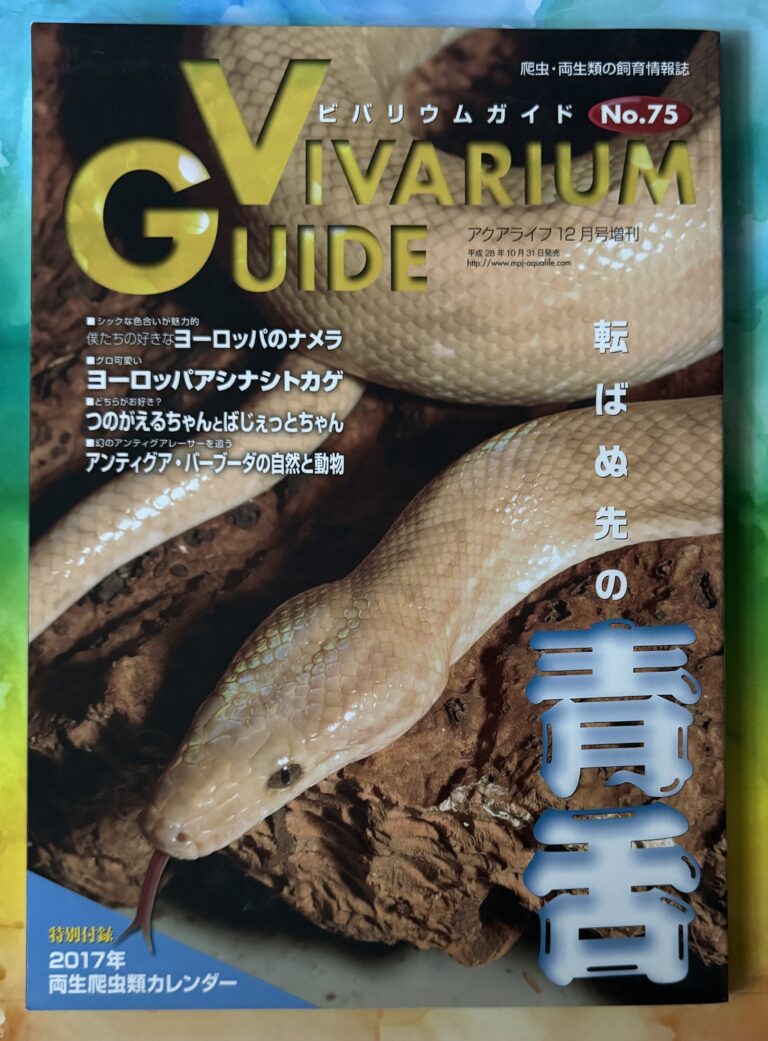
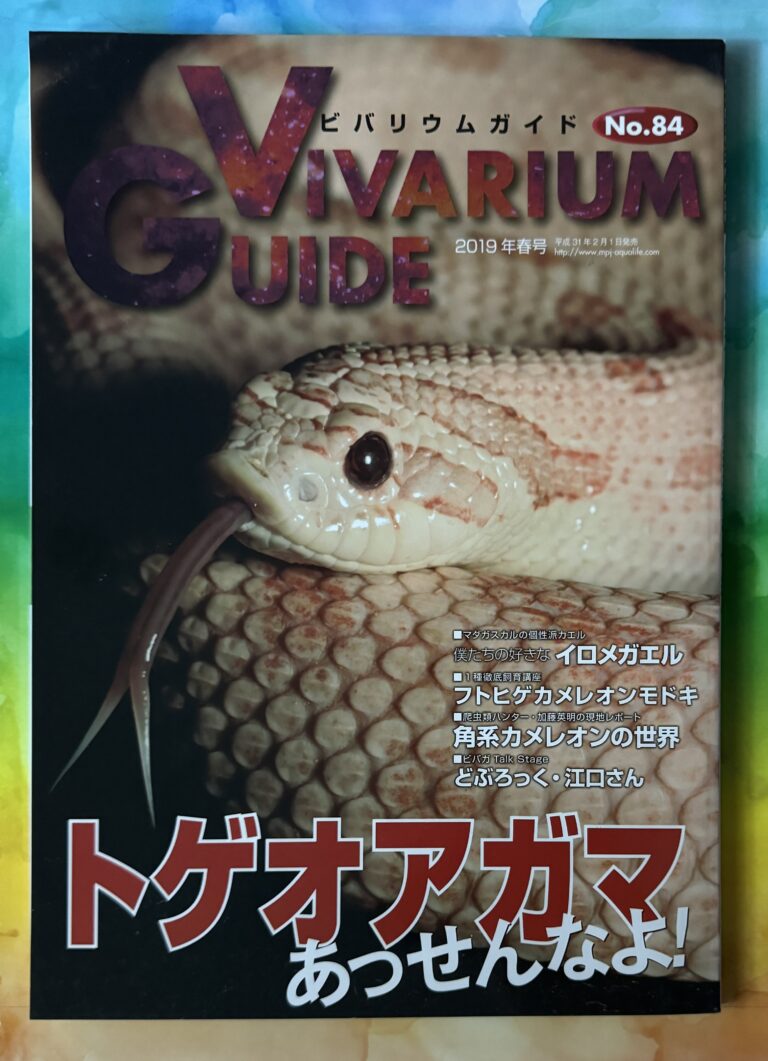
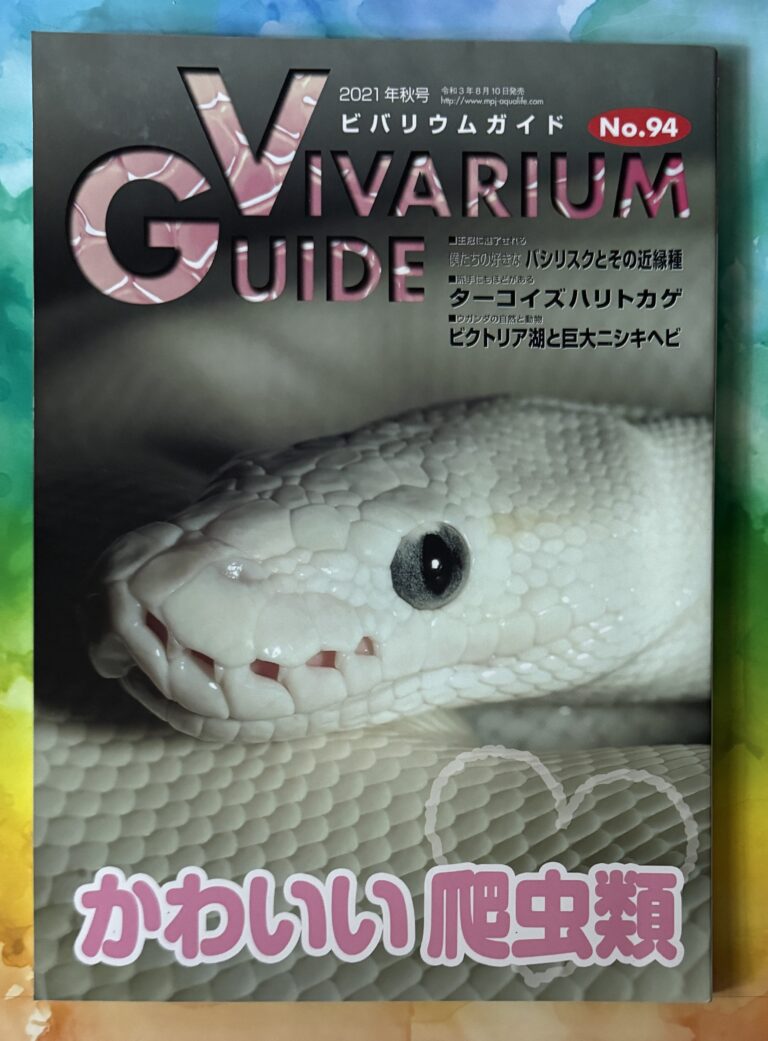
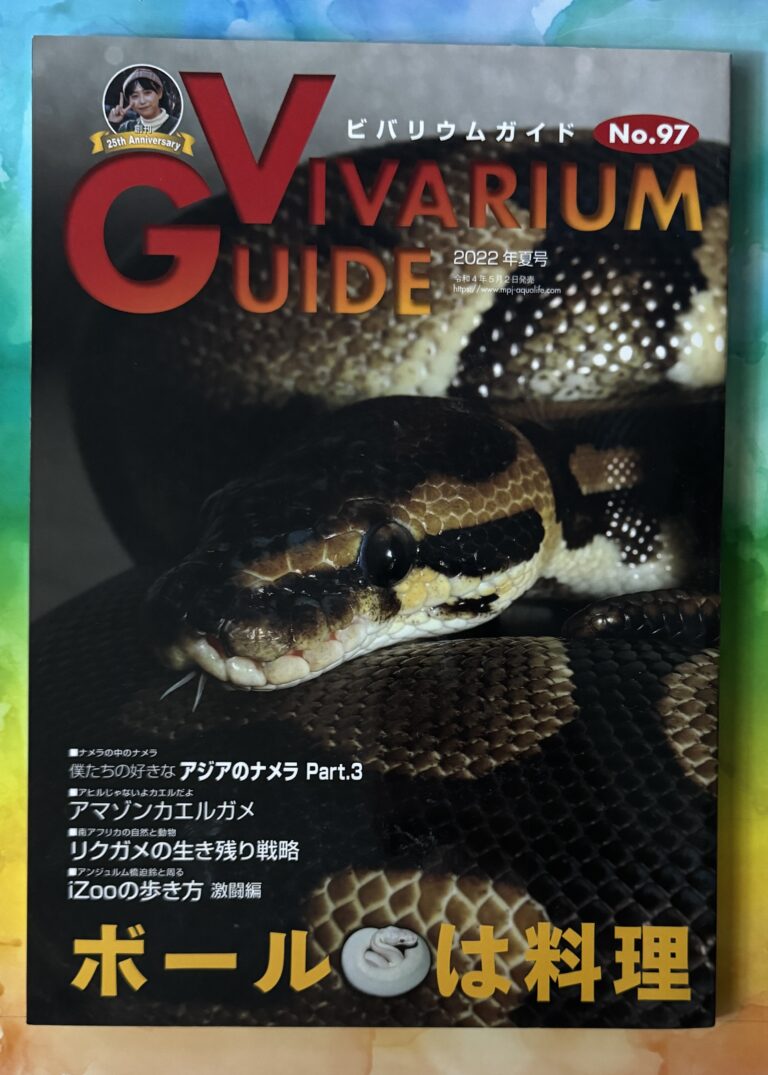
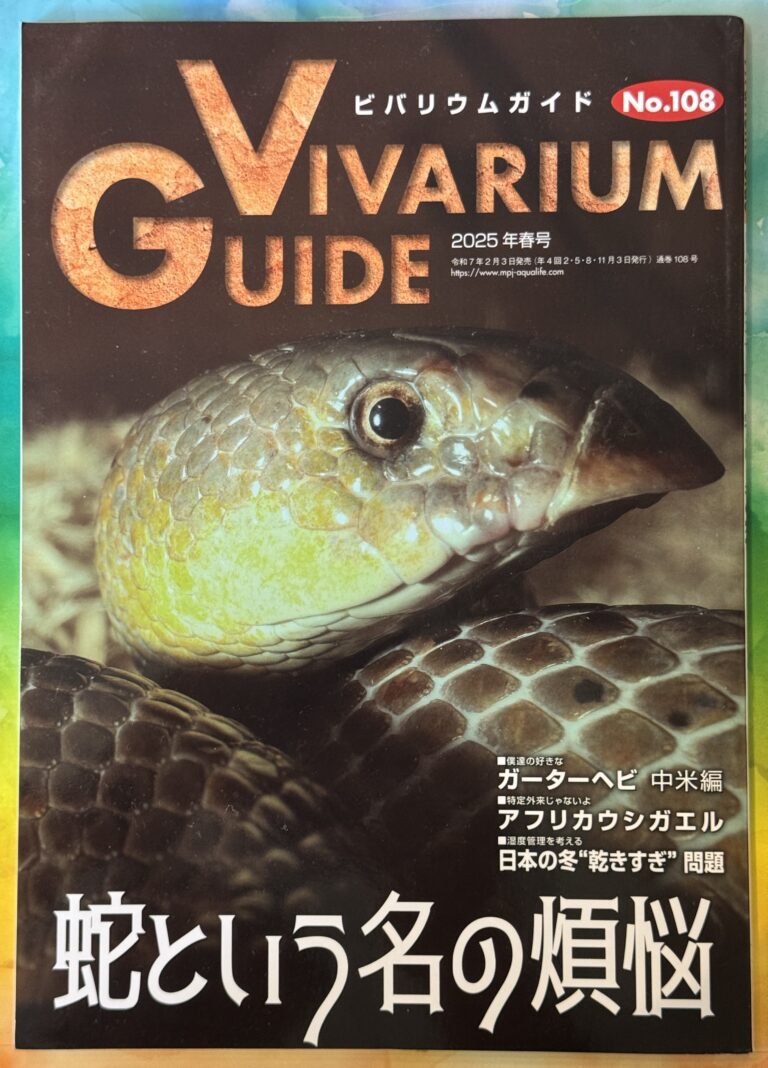
Vivarium Guide is significant within the collection because it documents a long running Japanese reptile and amphibian publication across nearly a decade of represented issues. The surviving examples span No. 75 in 2016 through No. 108 in 2025 and show continuing coverage of snakes, lizards, turtles, frogs, captive breeding, morphology, husbandry, field observations, zoos, exhibitions and the wider Japanese reptile keeping community.
The represented run is especially useful because it captures both continuity and change. The magazine retains the same recognizable Vivarium Guide identity while its typography, cover photography, feature emphasis and graphic treatment shift from issue to issue. The sequence also preserves how reptile husbandry and species interests were presented to Japanese readers during a period when captive breeding, morph culture, specialist events and online reptile communities were becoming increasingly established.
Snake related material is prominent throughout the represented issues. The collection includes features on rat snakes, pythons, garter snakes, ball python morphs, snake feeding and a full snake themed issue for 2025. This makes Vivarium Guide particularly relevant to a preservation collection centered on snakes while still documenting the broader reptile and amphibian culture surrounding them.
Magazine Research Record
Spain
Reptilia
The European Herp Magazine
Publication Identification
| Field | Information |
| Country | Spain |
| Publisher | Reptilia Ediciones, S.L.; German edition: Natur und Tier Verlag GmbH / Nature and Animal Publishing GmbH |
| Publisher address | Muntaner 88, 5º 1ª, 08011 Barcelona, Spain |
| Magazine title | Reptilia |
| Publication status | English and Spanish editions reportedly suspended in 2012; German edition continued. Final publication status across all editions: Pending research update. |
| Publication run | English numbered edition documented from January / February 1998 through 2012 according to secondary sources; German issues represented through February / March 2018. Earlier Spanish publishing history: Pending research update. |
| Editor | Mercè Viader Staub (Director, English edition; International Relations Officer) |
| Printer | Druckhaus Fromm, Osnabrück (later German production as documented in the research); other issue-specific printers: Pending research update |
| ISSN | 1431-8997 (German edition); English edition ISSN: Pending research update |
| Language | English and German editions represented; Spanish edition also documented in the publication history |
| Publication type | International specialist reptile, amphibian, and terrarium magazine issued in multiple language editions |
| Publication frequency | Six issues per year / every two months (German edition); English edition frequency: Pending research update |
Preservation Significance
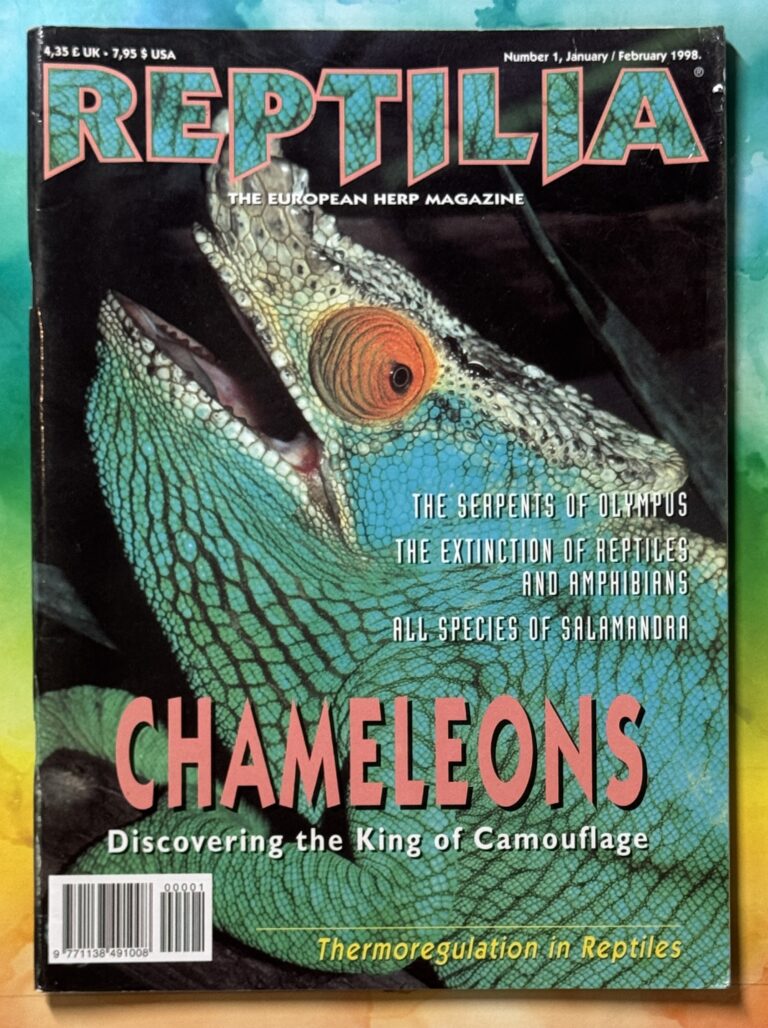
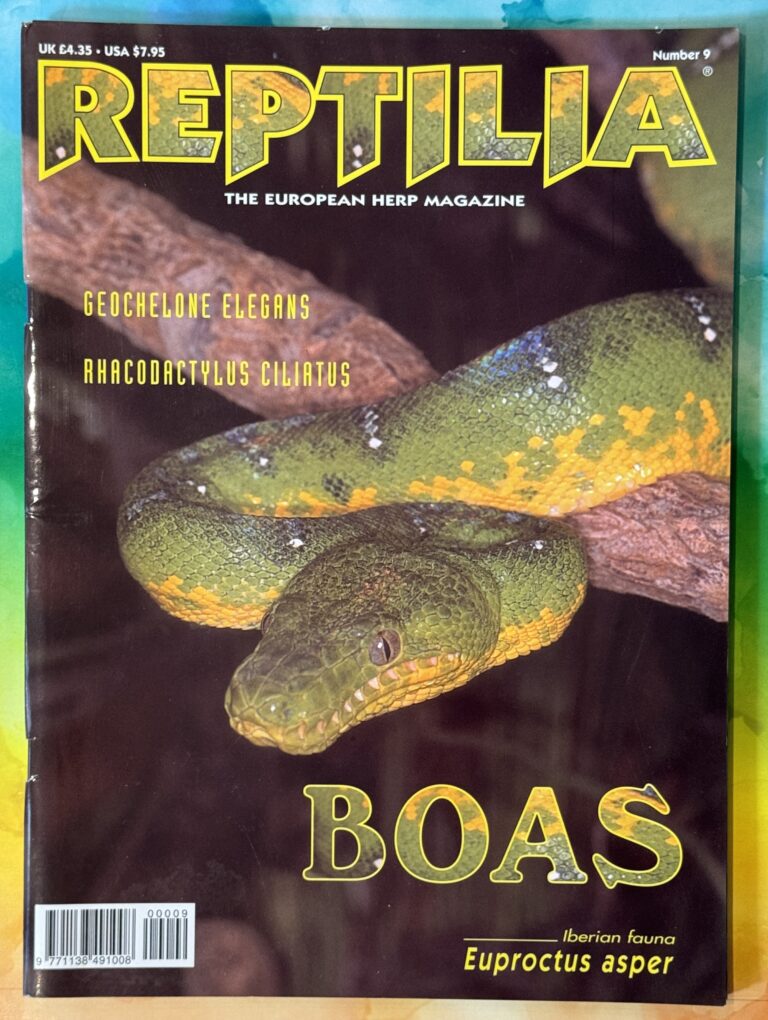
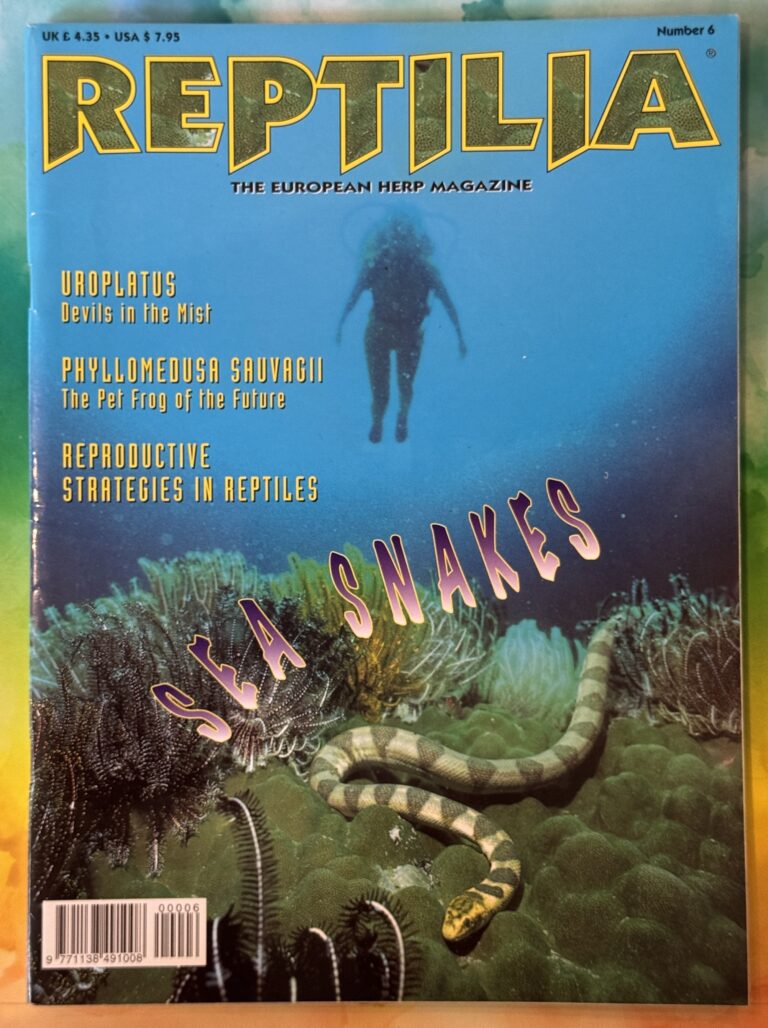
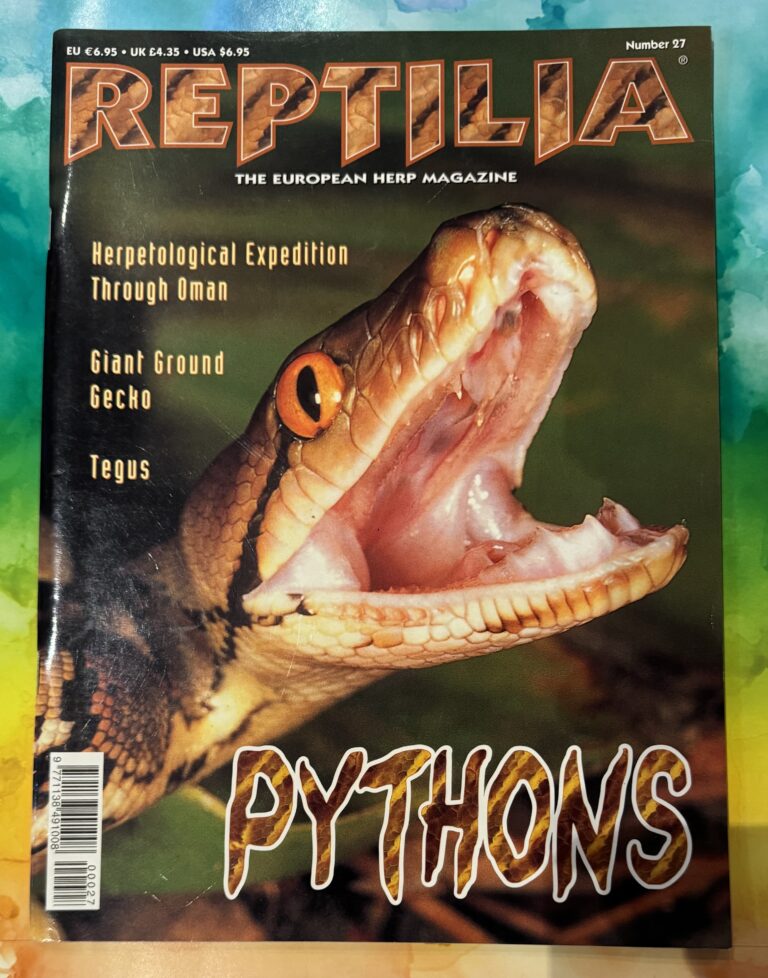
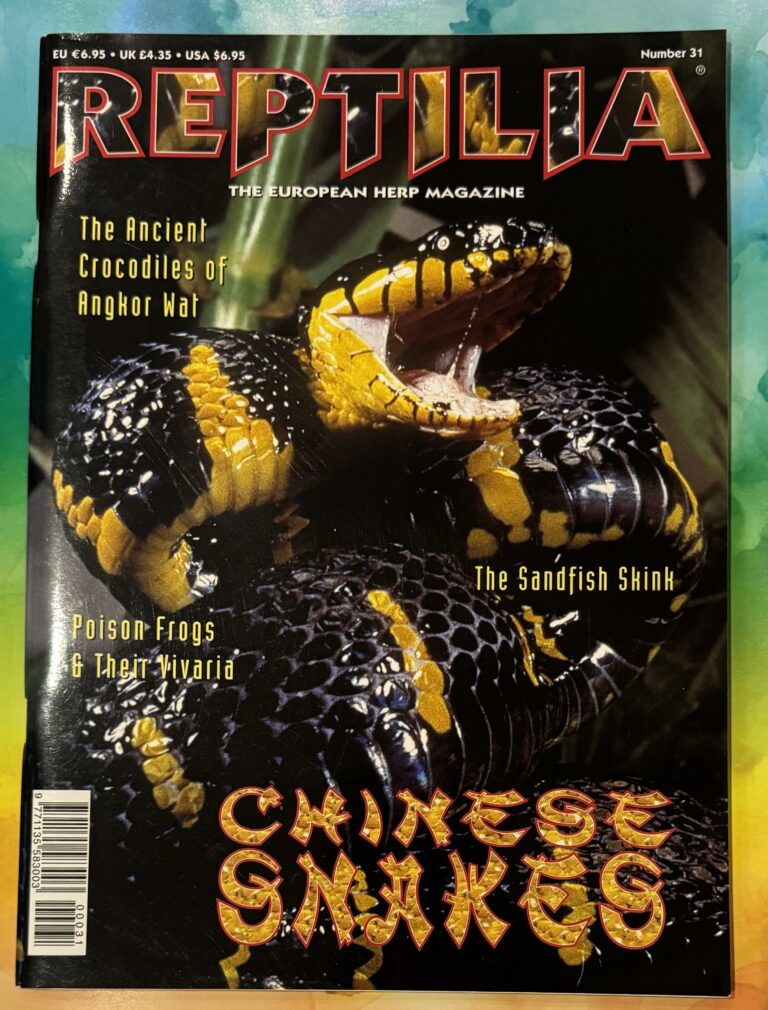
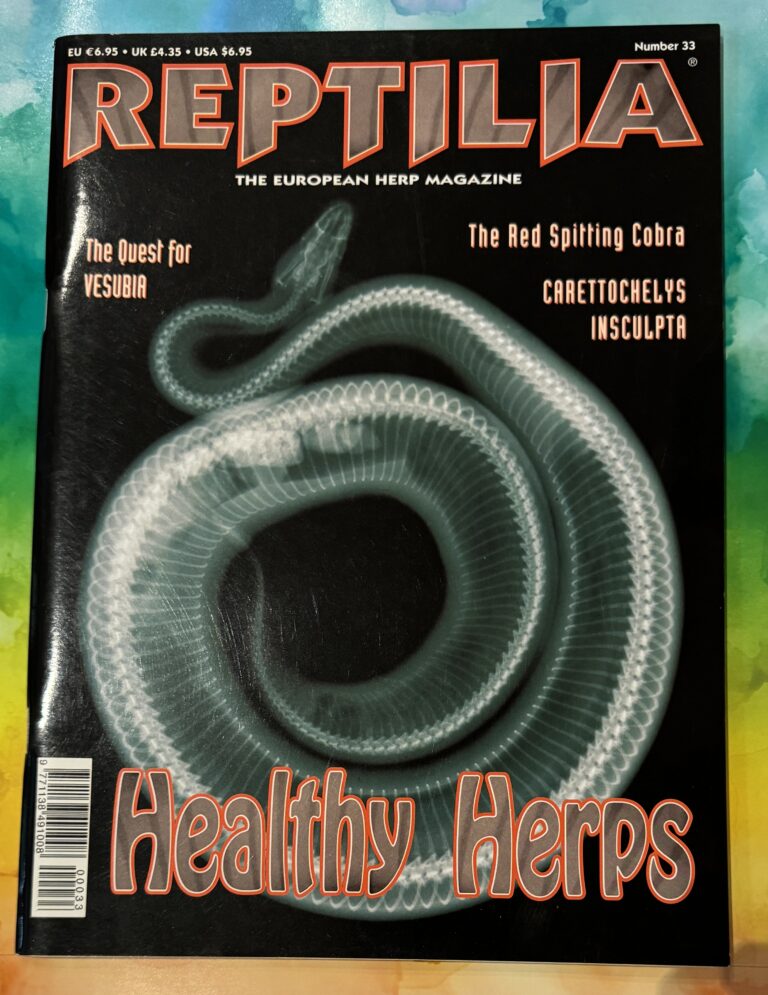
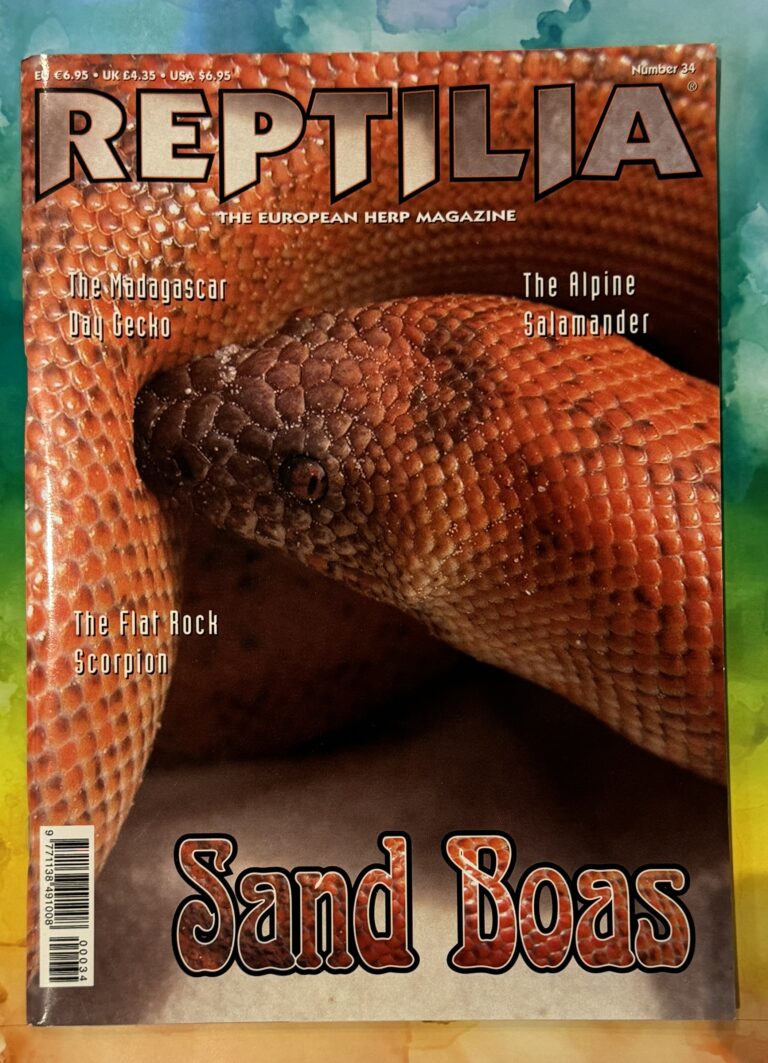
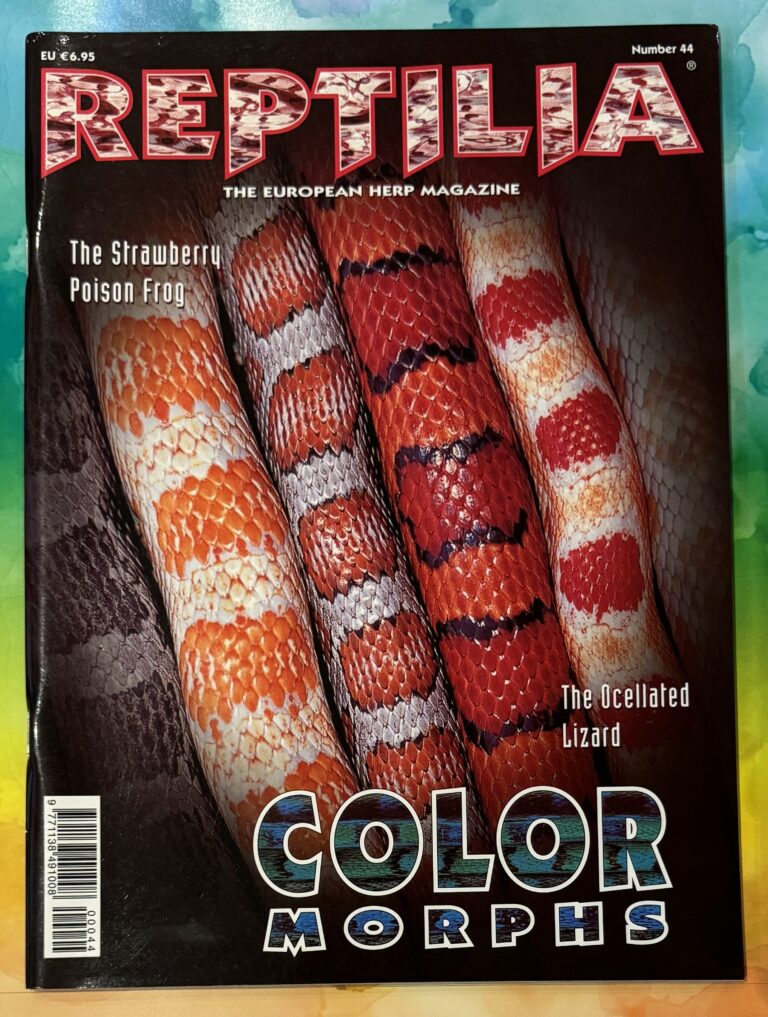
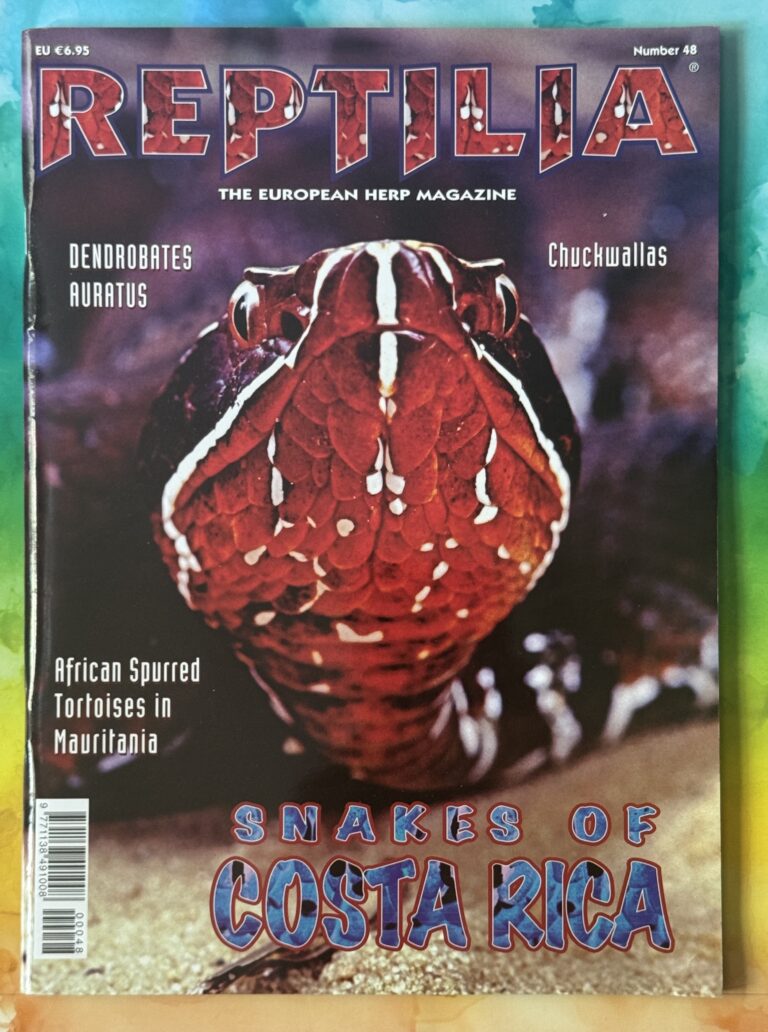
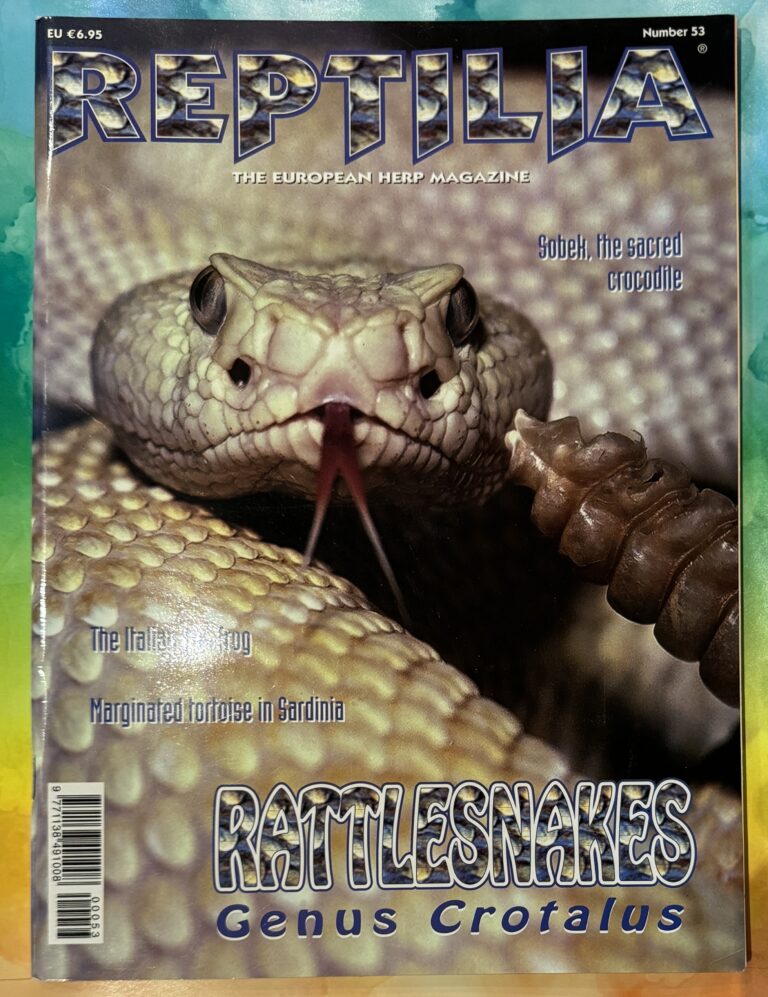
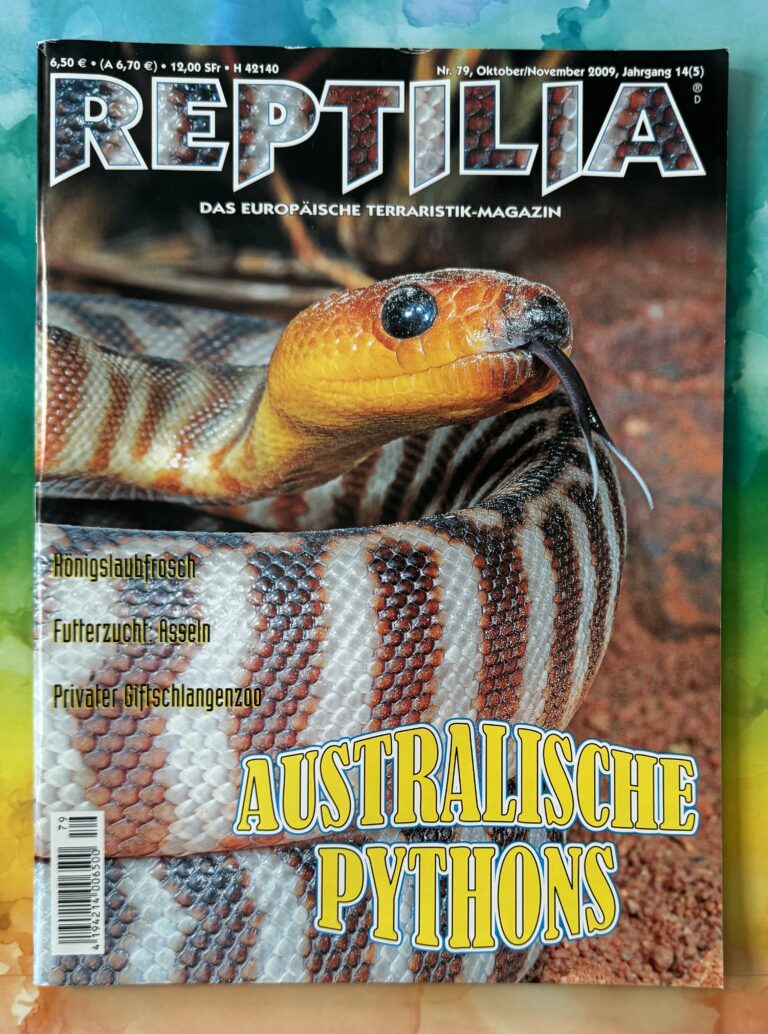
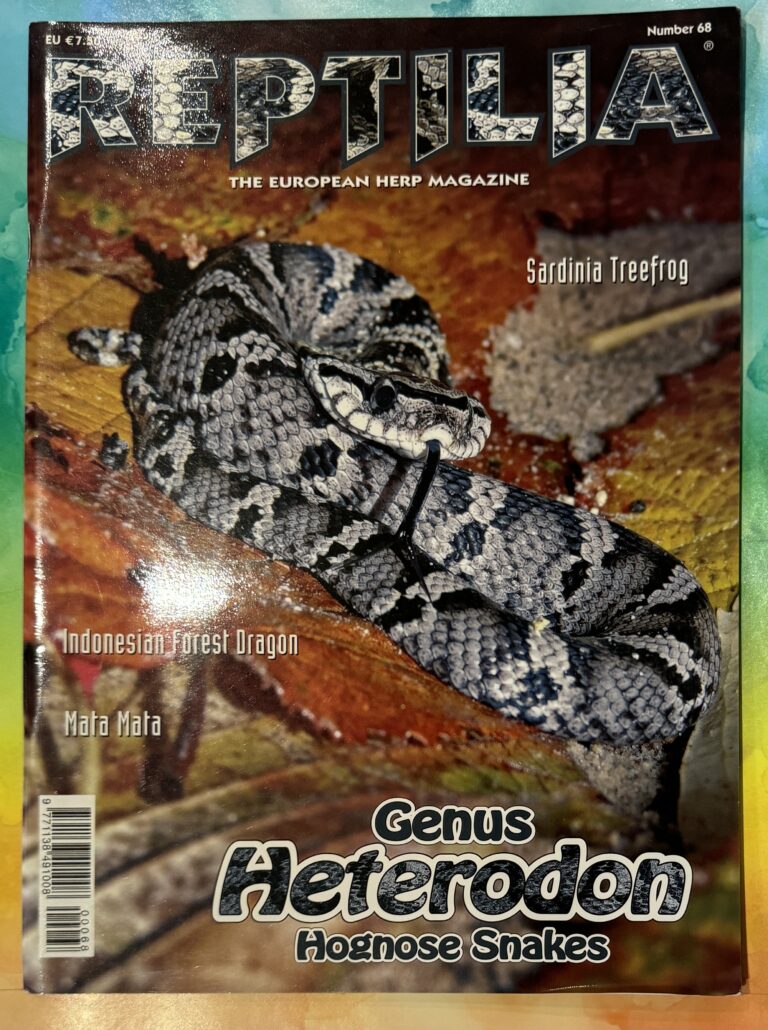
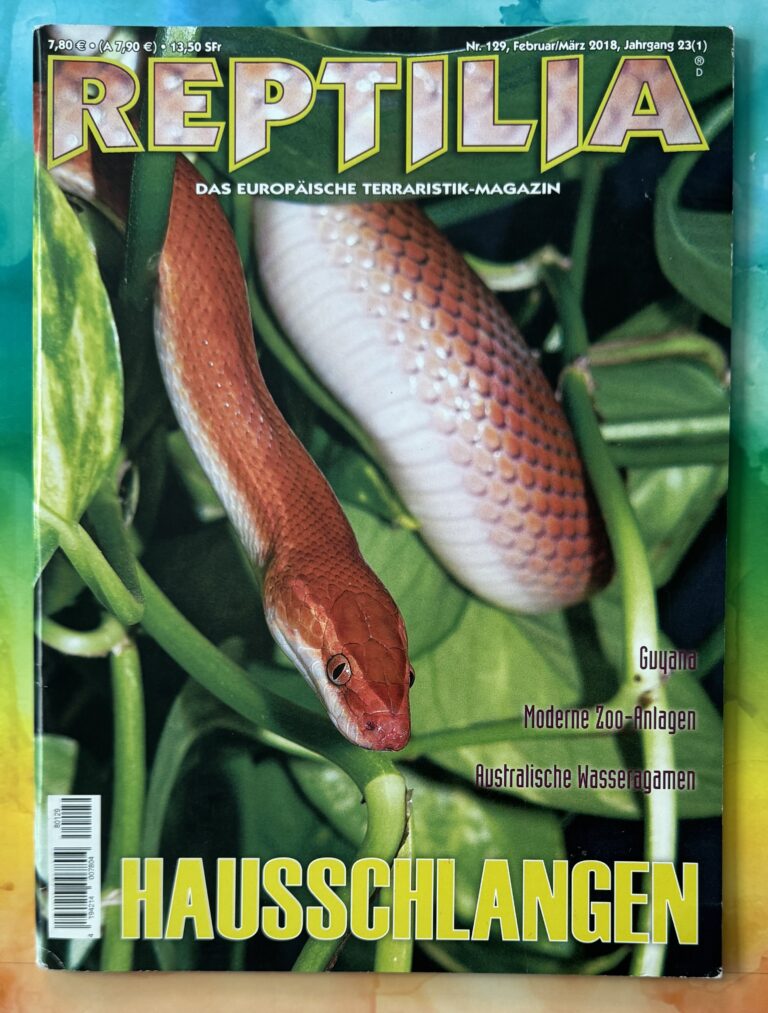
Reptilia has exceptional preservation significance within the collection because the surviving issues document an international specialist magazine across different languages, publishers, decades, numbering systems, and editorial eras. The collection begins with Number 1 of the English language edition in January / February 1998 and extends to Number 129 of the German edition in February / March 2018. That twenty year span allows the publication to be studied not as a single isolated title but as a long running European herpetological publishing project whose identity continued across national and language boundaries.
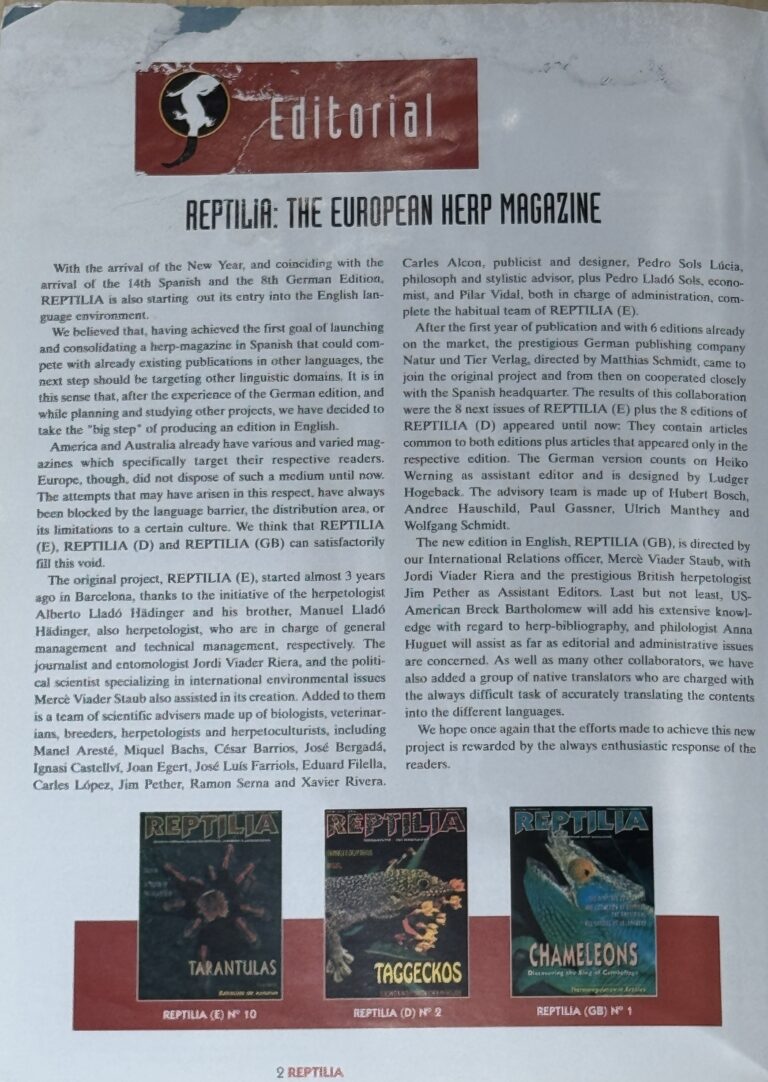
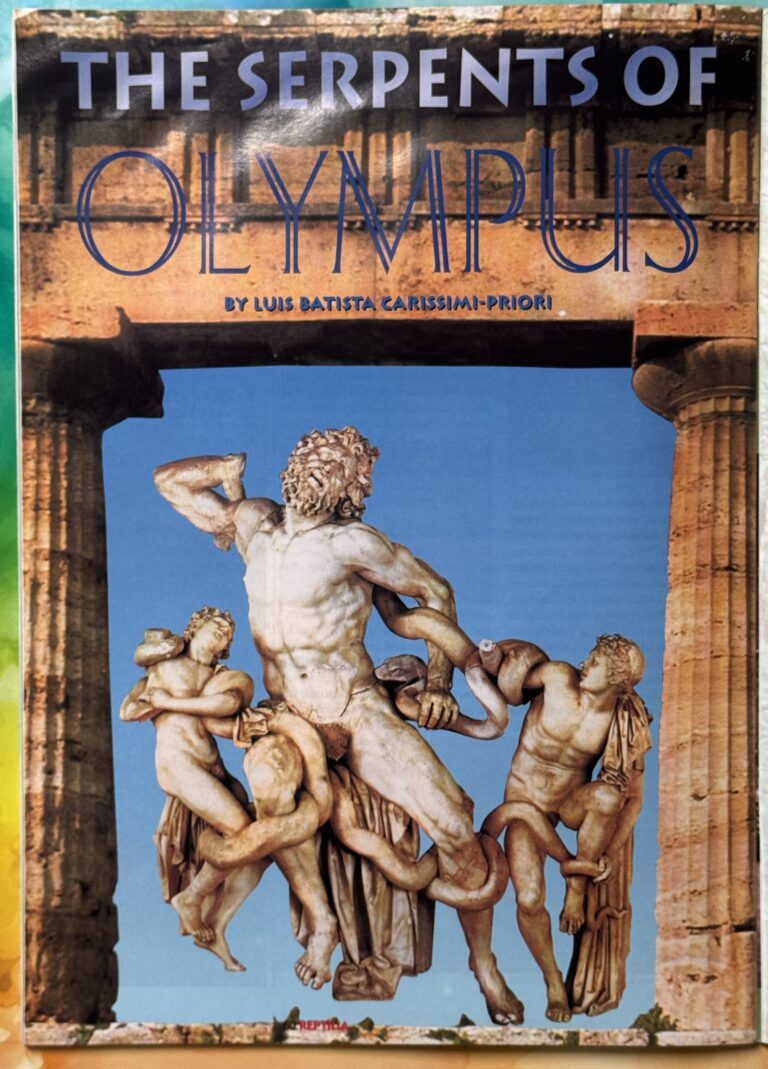
The first English issue is especially important. It identifies itself as Number 1, January / February 1998 and uses the subtitle The European Herp Magazine. Its cover subjects include chameleons, thermoregulation in reptiles, the extinction of reptiles and amphibians, salamanders, and The Serpents of Olympus. As an inaugural issue, it preserves the magazine at the beginning of its English language run and provides a baseline for later changes in design, price, subject emphasis, and distribution.
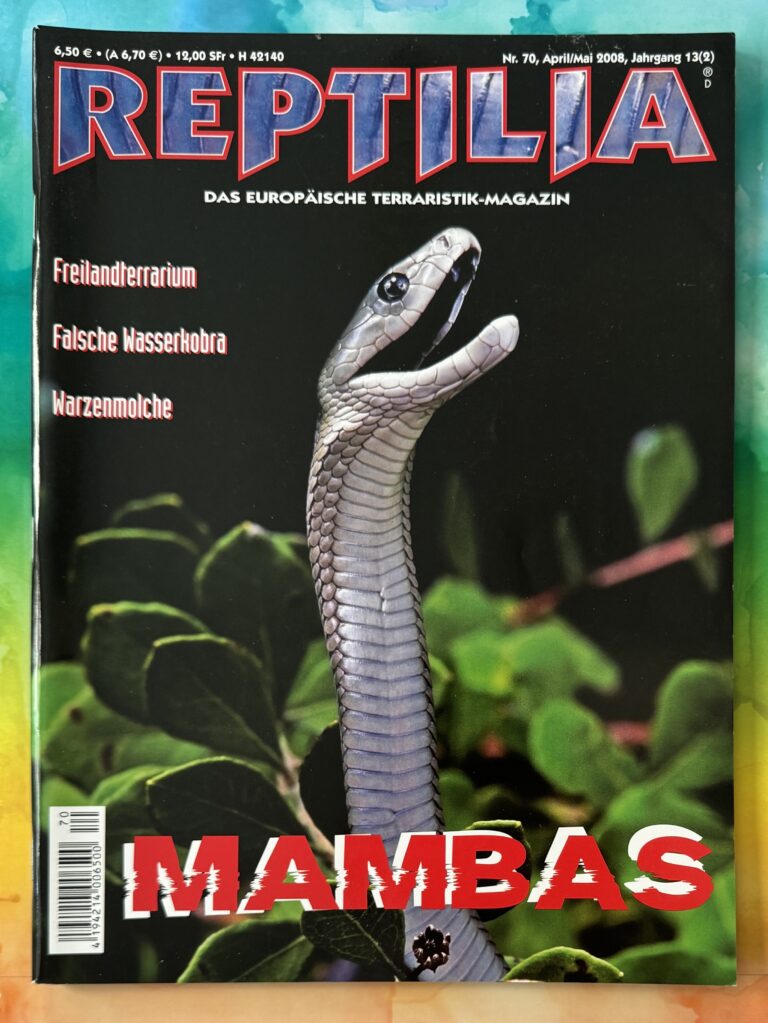
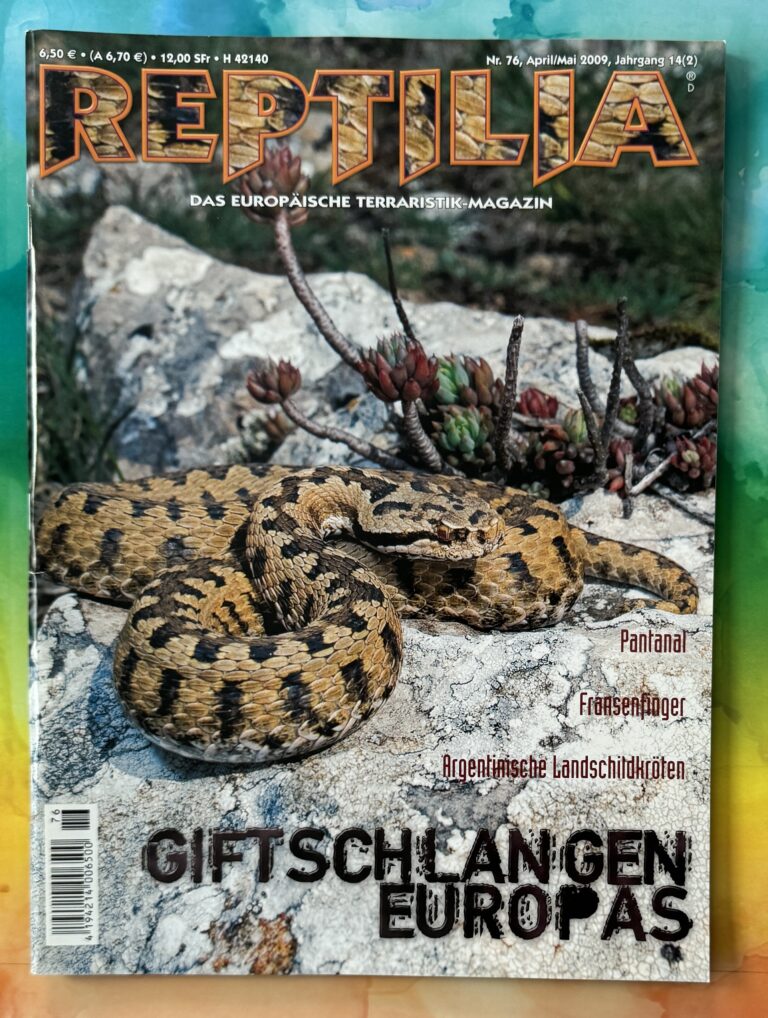
The collection also preserves the transition from the English language edition to later German language issues. The English covers use The European Herp Magazine, while the German covers use Das Europäische Terraristik-Magazin. The later German issues retain the recognizable Reptilia identity while adding year and volume information, including Number 70 as Jahrgang 13 (2), Number 76 as Jahrgang 14 (2), Number 79 as Jahrgang 14 (5), and Number 129 as Jahrgang 23 (1). This continuity makes the run useful for documenting how one specialist publication was adapted for different readerships over time.
The subject range represented on the covers is equally significant. Across the surviving issues, Reptilia covers snakes, lizards, turtles, tortoises, frogs, salamanders, crocodilians, field expeditions, conservation, captive breeding, reproductive biology, venomous species, regional faunas, zoo design, and terrarium practice. The issues therefore preserve not only husbandry information but also the changing scientific, conservation, and cultural interests of European herpetology and terraristics.
The collection is particularly valuable because the English and Spanish language editions were later discontinued while the German edition continued. A later independent index describes Reptilia as a Spanish publication produced in English, German, and Spanish and reports that the English and Spanish editions suspended publication in 2012. The physical copies preserved here therefore retain access to a publication stream that is no longer continuously available in those languages.
The inaugural English editorial provides firsthand evidence that Reptilia operated as a coordinated international publishing project rather than as unrelated language editions. The Spanish and German publishers worked together on editions that shared some articles while also publishing material intended for their respective audiences. The English edition extended that collaboration to another readership. Preserving the different editions documents how specialist herpetological information was adapted, translated, and shared across linguistic and national boundaries.
Magazine Research Record
United Kingdom
Animal Behaviour
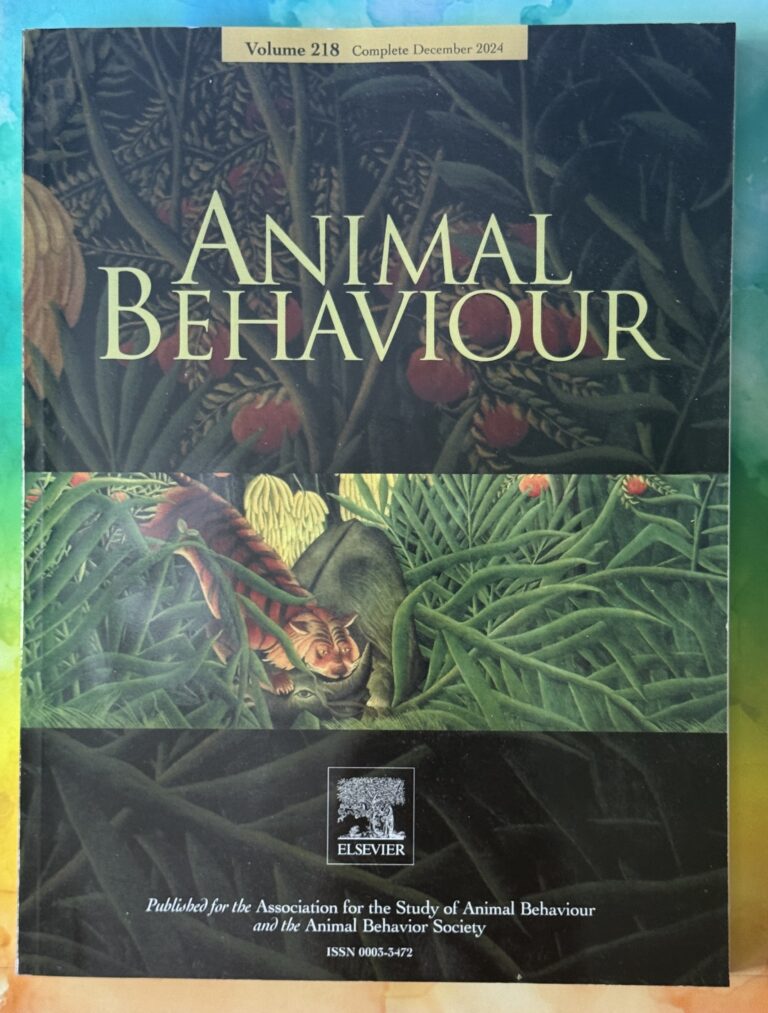
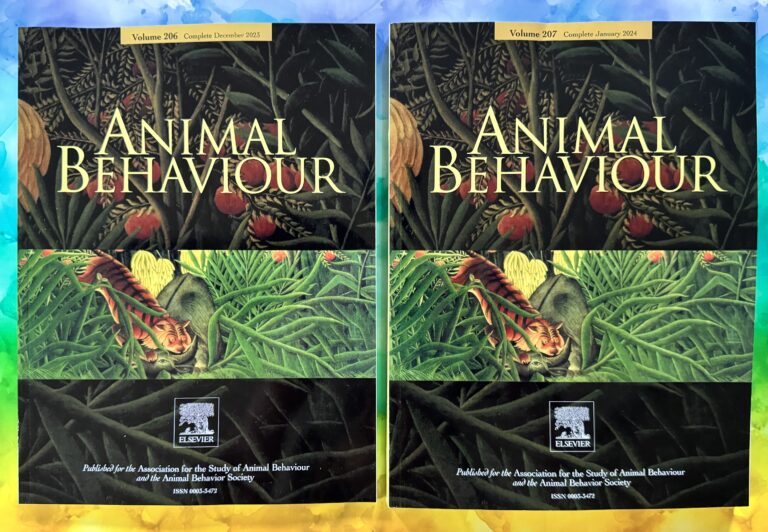
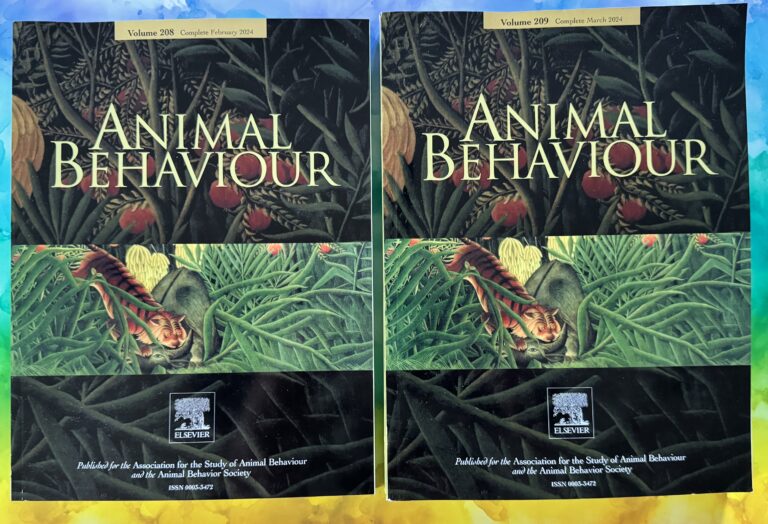
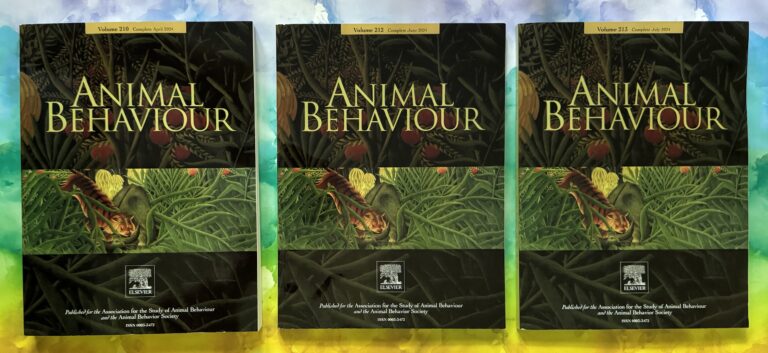
These are a different than the rest, Scientific Journals. I suspect that these are better preserved than the magazines but this is information I use to gain the knowledge to understand and care for my snakes when articles arise related to snakes.
Publication Identification
| Field | Information |
| Country | United Kingdom |
| Publisher | Elsevier; published for the Association for the Study of Animal Behaviour (ASAB), in collaboration with the Animal Behavior Society |
| Publisher address | Pending research update |
| Magazine title | Animal Behaviour |
| Publication status | Continuing scientific journal, as documented by the December 2024 issue and publication history |
| Publication run | First appeared in 1953; current title Animal Behaviour dates from 1958. Complete publication run: continuing |
| Editor | Pending research update |
| Printer | Pending research update |
| ISSN | 0003-3472 (print); 1095-8282 (online) |
| Language | English |
| Publication type | Scientific journal of animal behaviour / ethology |
| Publication frequency | Monthly |
Preservation Significance
Animal Behaviour has preservation significance because it is a long-running scientific journal documenting the development of research into animal behaviour and ethology. These physical issues from December 2023 through December 2024 preserve a contemporary snapshot of the questions, methods, terminology, and research priorities being published by the field during that period. Unlike many hobby publications in the collection, Animal Behaviour represents formal scientific literature published for major professional societies, allowing the preservation project to show how academic research and the broader study of animal behaviour coexist alongside practical husbandry and herpetocultural publications. Keeping the physical issues also preserves their original printed presentation as part of the historical record of scientific communication.
Magazine Research Record
Exotics Keeper Magazine (EK Magazine)
Publication Identification
| Field | Information |
| Country | United Kingdom |
| Publisher | Peregrine Livefoods Ltd. |
| Publisher address | Rolls Farm Barns, Hastingwood Road, Essex, CM5 0EN, United Kingdom |
| Magazine title | Exotics Keeper Magazine (EK Magazine) |
| Publication status | Active / continuing publication |
| Publication run | October 2020 through at least January 2025, as documented in the current record |
| Editor / editorial lead | Thomas Marriott |
| Printer | Pending research update |
| Print ISSN | 2634-4693 |
| Digital ISSN | 2634-4688 |
| Language | English |
| Publication type | Specialist exotic animal keeping, husbandry, welfare and conservation magazine |
| Publication frequency | Monthly |
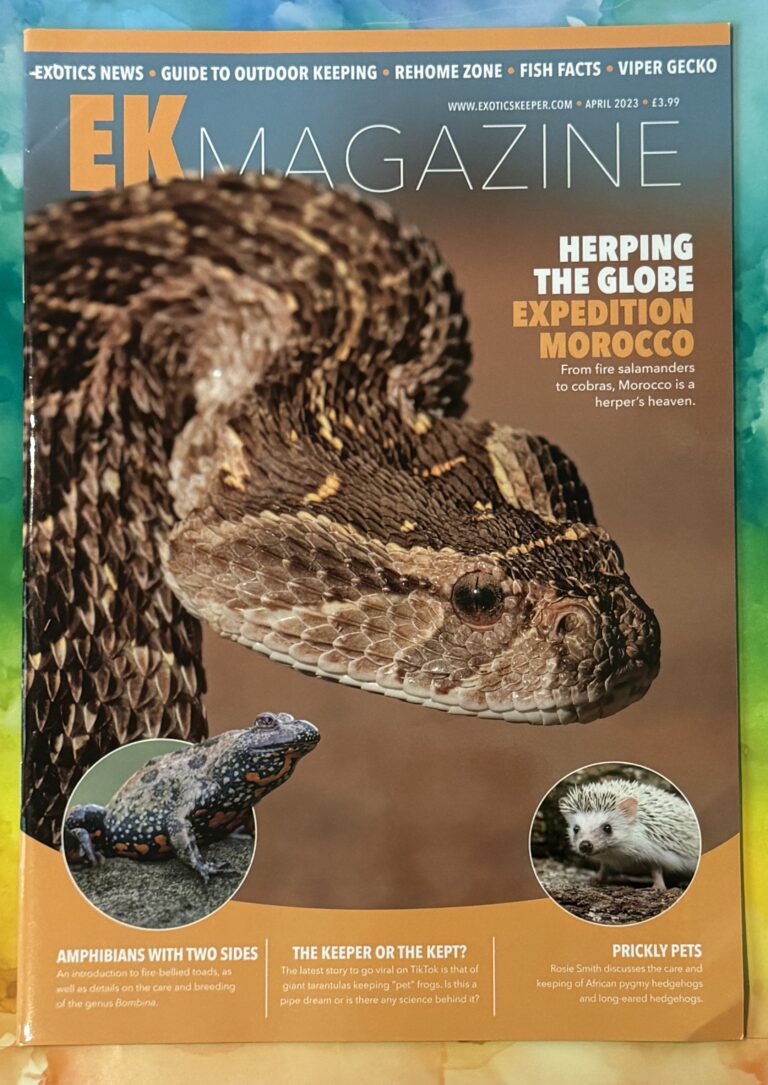
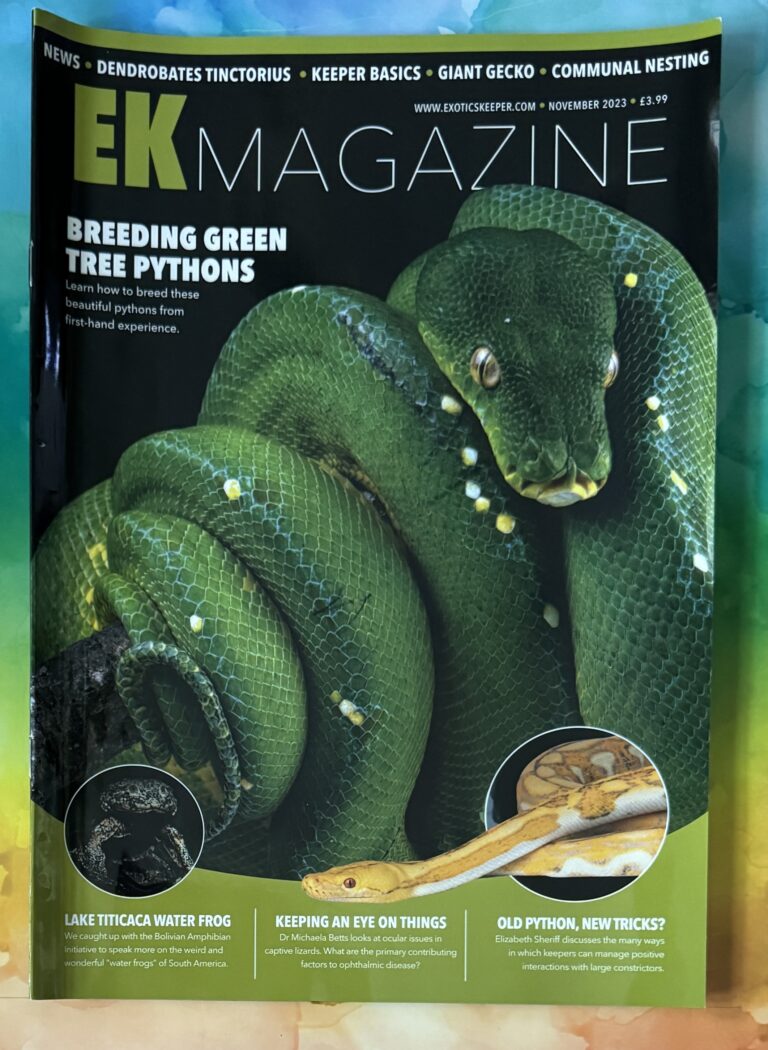
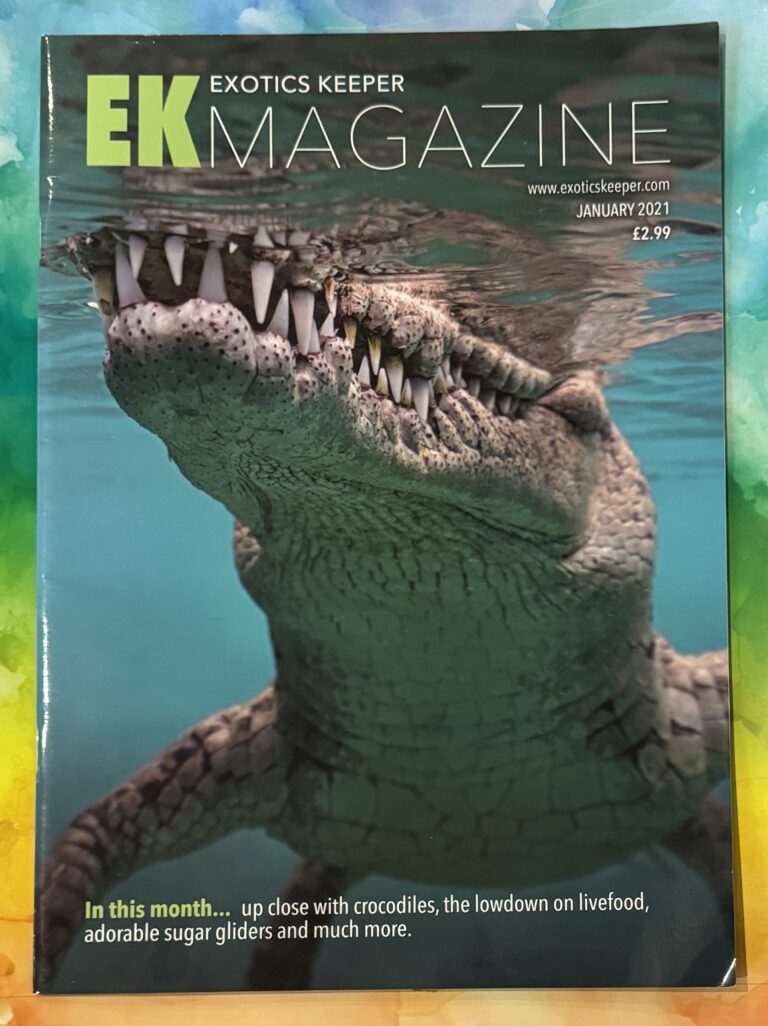
Preservation Significance
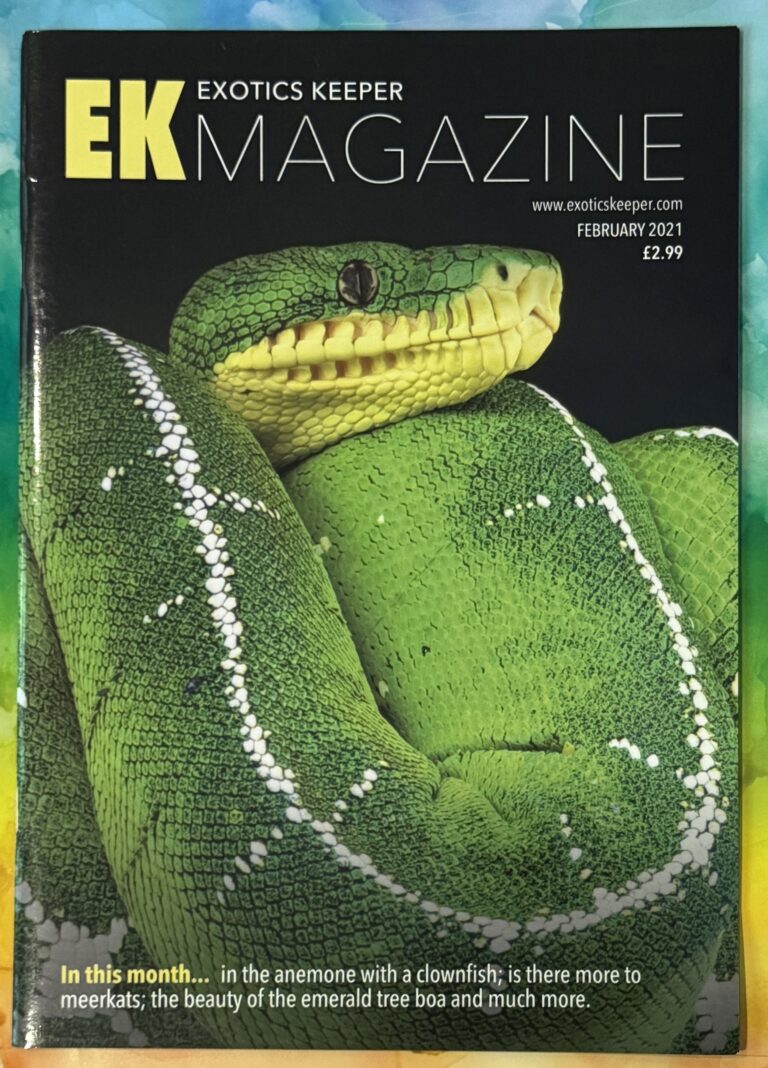
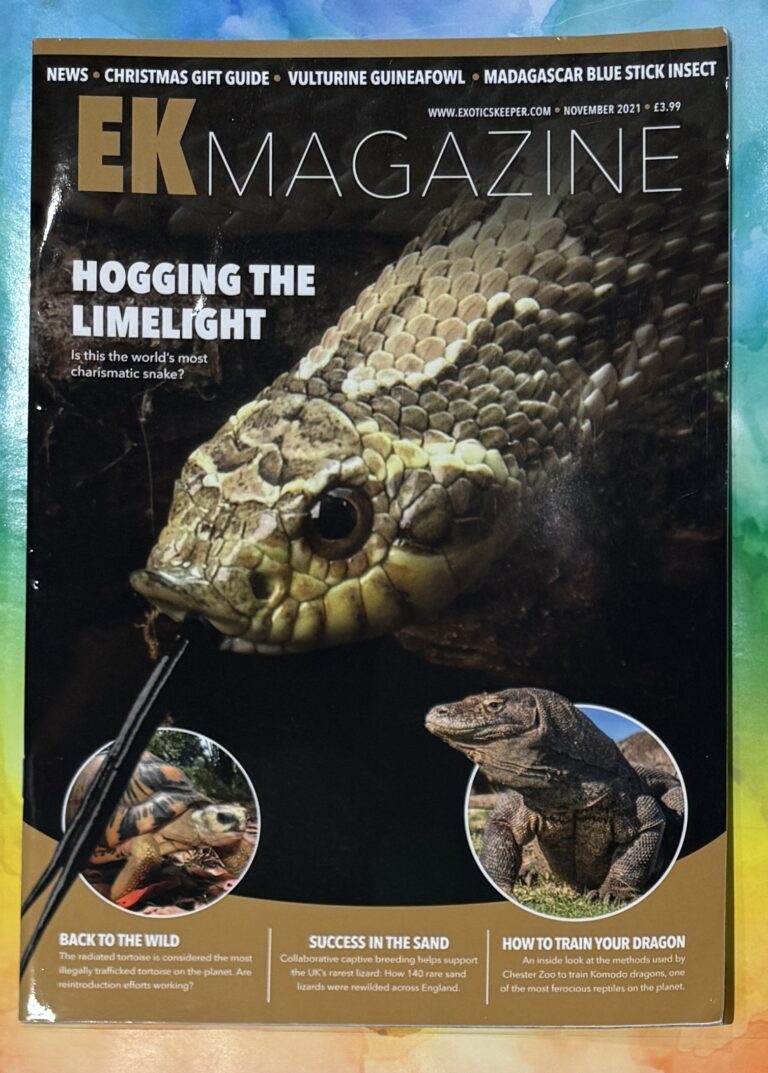
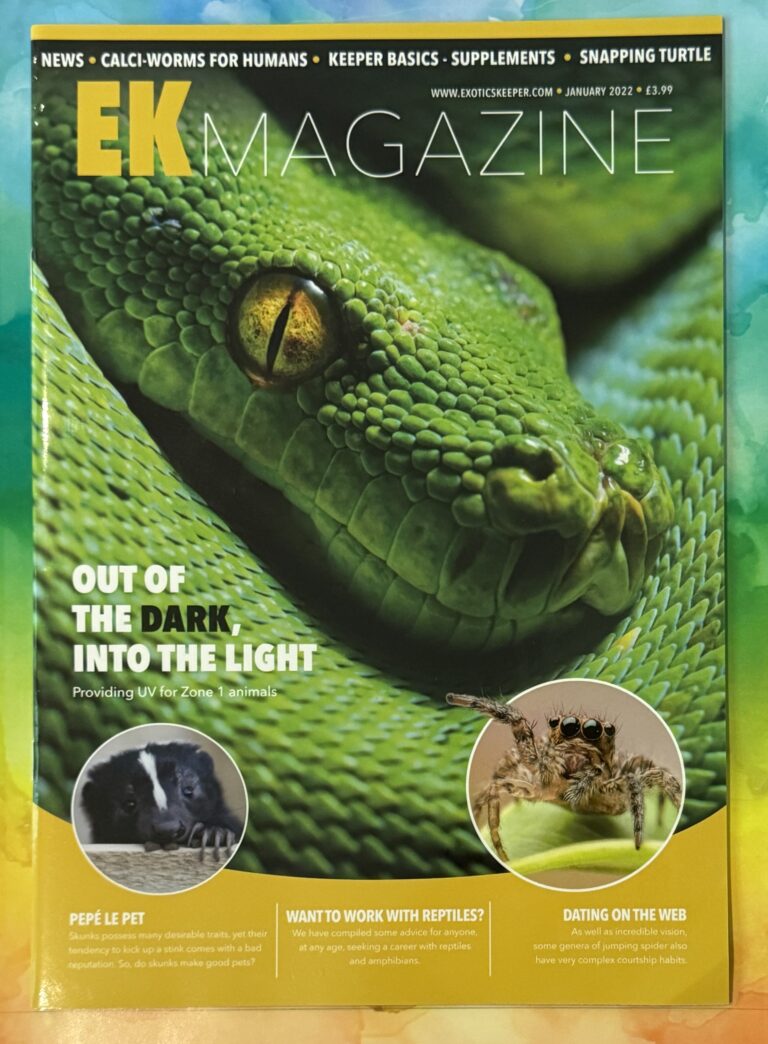
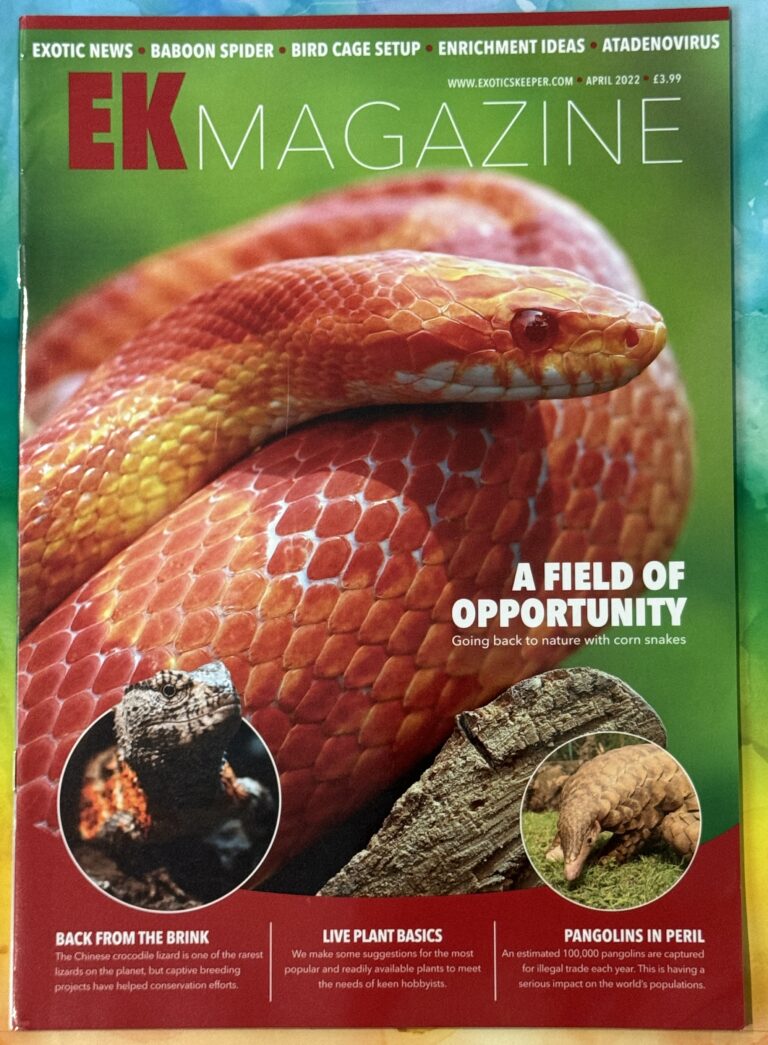
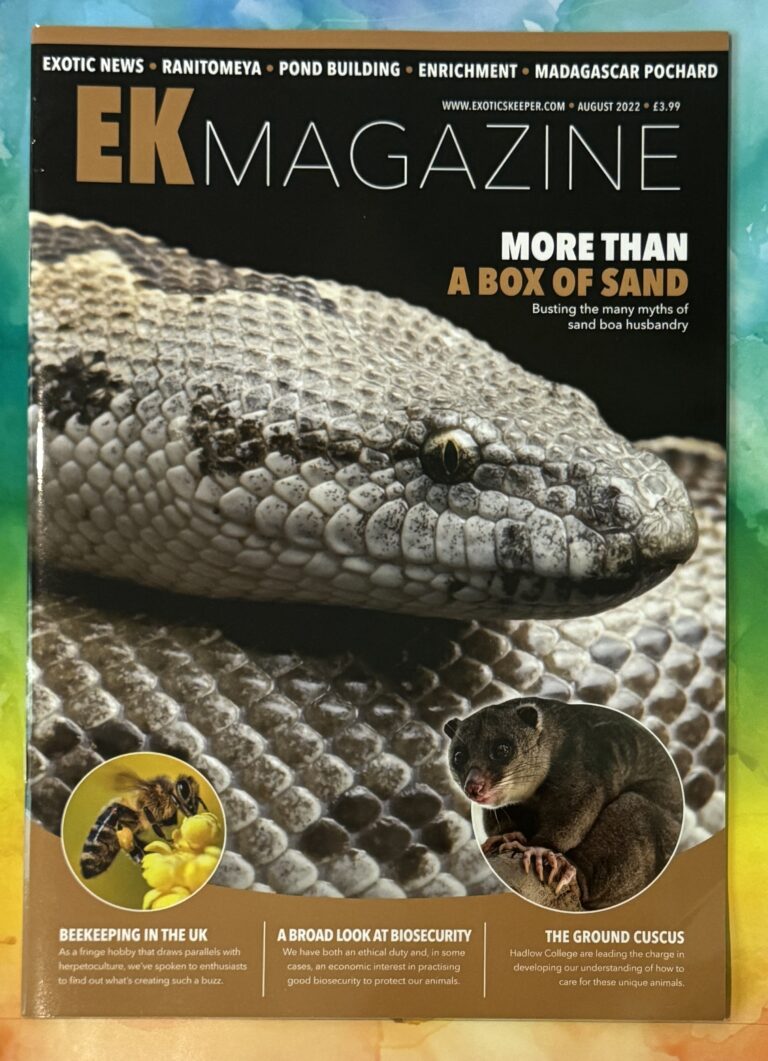
These issues preserve a physical record of contemporary British exotic animal keeping during a period in which husbandry, welfare, conservation and responsible ownership increasingly overlap. The collection documents not only reptiles and amphibians, but also invertebrates, birds and exotic mammals, showing how the modern exotic animal hobby is presented to keepers across a broad range of taxa. The issues also preserve changes over time in subjects emphasized by the publication, including enrichment, biosecurity, conservation breeding, wildlife trade, veterinary concerns and evidence based husbandry. Although a digital back catalogue currently exists, physical copies remain useful evidence of the magazine as originally printed, distributed and presented, and they provide a durable snapshot of contemporary herpetoculture and exotic animal care that does not depend on continued online availability.
Nature
Publication Identification
| Field | Information |
| Country | United Kingdom |
| Publisher | Macmillan Magazines Ltd. (1998 bibliographic identification) |
| Publisher address | Pending research update. Historical publishing location documented as London, United Kingdom. |
| Magazine title | Nature |
| Publication status | Active; continuing scientific journal |
| Publication run | First published 4 November 1869; continues to present |
| Editor | Pending research update |
| Printer | Pending research update |
| Print ISSN | 0028-0836 |
| Language | English |
| Publication type | International weekly scientific journal |
| Publication frequency | Weekly |
Preservation Significance
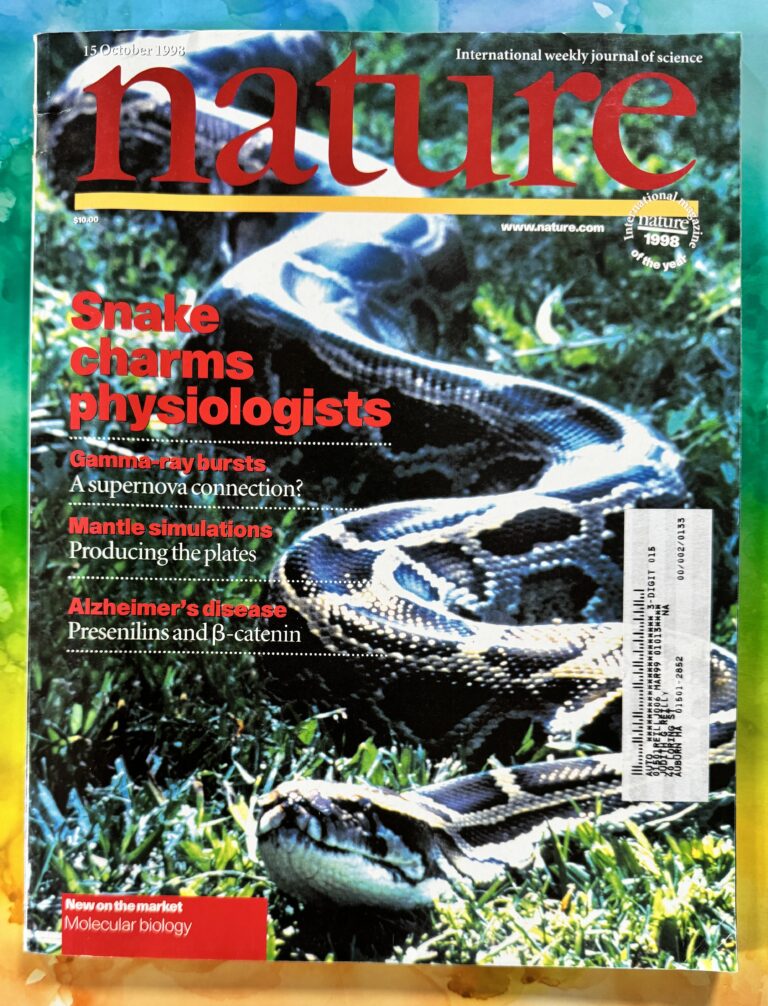
This issue has unusually strong preservation value because the snake material is not a hobbyist feature placed inside a general interest magazine. It is the principal cover subject of one of the world’s major scientific journals. The cover places a large python photograph behind the headline “Snake charms physiologists,” documenting a moment when snake physiology was presented as scientifically important enough to lead an international weekly research journal.
The associated paper by Stephen M. Secor and Jared Diamond examined juvenile pythons as a model of extreme physiological regulation. The authors emphasized the dramatic changes that occur when infrequently feeding snakes process very large meals, including rapid increases in metabolism, secretion, enzyme and transporter activity, and tissue growth. The paper argued that these animals offered an unusually powerful vertebrate model for studying physiological regulation. The article has continued to be cited in later work on python digestion, organ growth and evolutionary physiology.
Within a preservation collection centered on snakes, this issue is particularly useful because it demonstrates the scientific importance of snakes outside the specialist herpetoculture press. It records a point at which python biology was being used to answer broad questions in vertebrate physiology, giving the issue both herpetological and wider scientific historical significance. Unlike fear-oriented popular portrayals, this cover foregrounds snakes as valuable scientific research subjects and emphasizes their importance to broader vertebrate physiology.
Ophidia Review
Publication Identification
| Field | Information |
| Country | United Kingdom |
| Publisher | C-View Media |
| Publisher address | Pending research update |
| Magazine title | Ophidia Review |
| Publication status | Not independently established; historical issue documented |
| Publication run | Begins with No. 1, Autumn 2000. Final issue and total run not verified |
| Editor | Tom Burgess |
| Printer | Pending research update |
| ISSN | 1464-7397 |
| Language | English |
| Publication focus | Specialist reptile and amphibian publishing, with this title focused on snakes and snake keeping |
| Publication frequency | Pending research update |
Preservation Significance
This issue has particularly strong preservation significance because it is the first issue of Ophidia Review and preserves the publication at the moment of its launch. The interior introduction explicitly identifies it as the first edition and explains the publisher’s decision to create a new series of specialised reptile and amphibian publications rather than expand an existing general publication. That statement gives the issue value beyond its individual articles because it records the publisher’s original editorial purpose and its view that reptile keeping was becoming increasingly specialised.
The issue also preserves a distinct snapshot of snake related publishing at the beginning of the 2000s. Its contents combine field and natural history material, captive breeding, taxonomic revision, news, and classified advertising. The inaugural contents include the Tyrolean Tree Viper, a revision of the Australasian pythons, captive breeding of Crotalus cerastes, snakes in the news, and classified advertisements. Preserving the physical issue retains not only those articles but also the launch statement, pricing, subscription structure, advertising contacts, editorial information, and design of a short lived specialist publication.
The first issue is additionally important because later bibliographic references continue to cite material published in Ophidia Review No. 1. The ISSN record confirms Ophidia Review as a United Kingdom print periodical, and later herpetological references cite the Australasian python revision as originally published in this inaugural issue. For a publication that is now difficult to encounter in ordinary circulation, retaining the original issue provides direct physical evidence of material that otherwise survives mainly through scattered citations and archived references.
Magazine Research Record
Pet Reptile
Publication Identification
| Field | Information |
| Country | United Kingdom |
| Publisher | Freestyle Publications Ltd. (October 1997 inaugural-issue masthead) |
| Publisher address | Alexander House, Ling Road, Tower Park, Poole, Dorset BH12 4NZ, United Kingdom (October 1997 masthead) |
| Magazine title | Pet Reptile |
| Publication status | Discontinued. Independent periodical indexing reports that publication ended in 2001. |
| Publication run | Inaugural issue confirmed as October 1997 by the editor’s statement; documented copies extend through June 2001. Exact final issue designation: Pending research update. |
| Editor | Gethin James (October 1997 inaugural issue) |
| Printer | Pending research update |
| ISSN | 1361-3989 (printed October 1997 masthead); 1369-2510 inferred from cover EAN. Discrepancy pending research update. |
| Language | English |
| Publication type | Reptile, amphibian and invertebrate hobby magazine |
| Publication frequency | Monthly; inaugural masthead states 12 issues per year. |
Preservation Significance
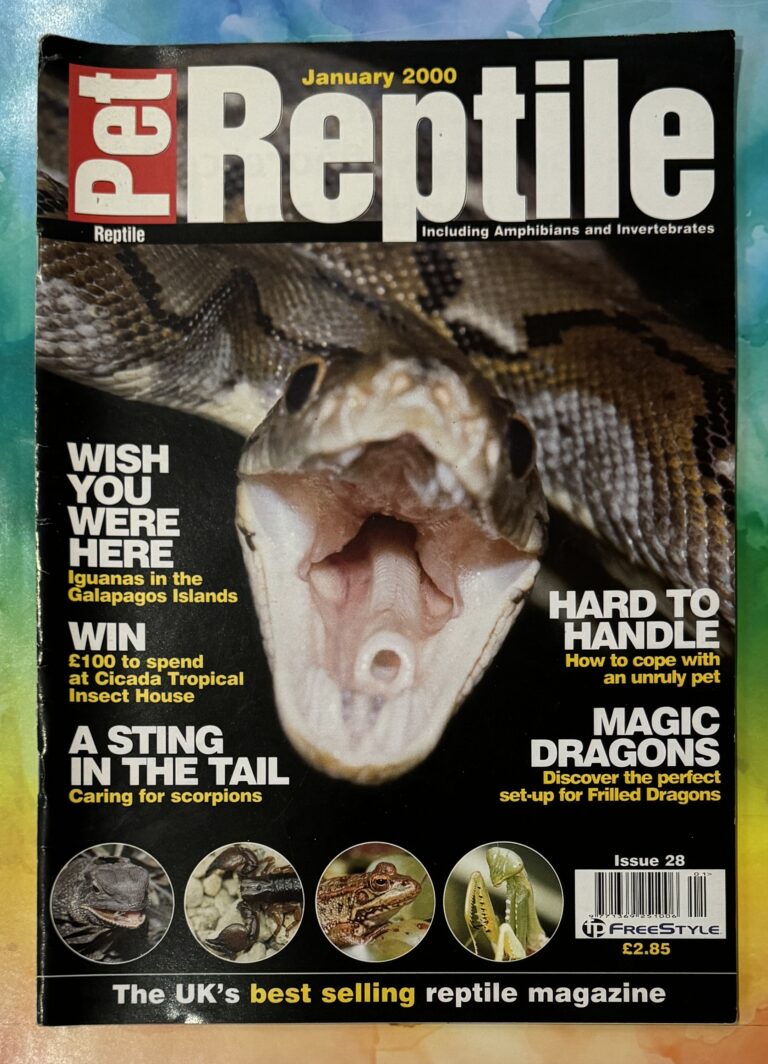
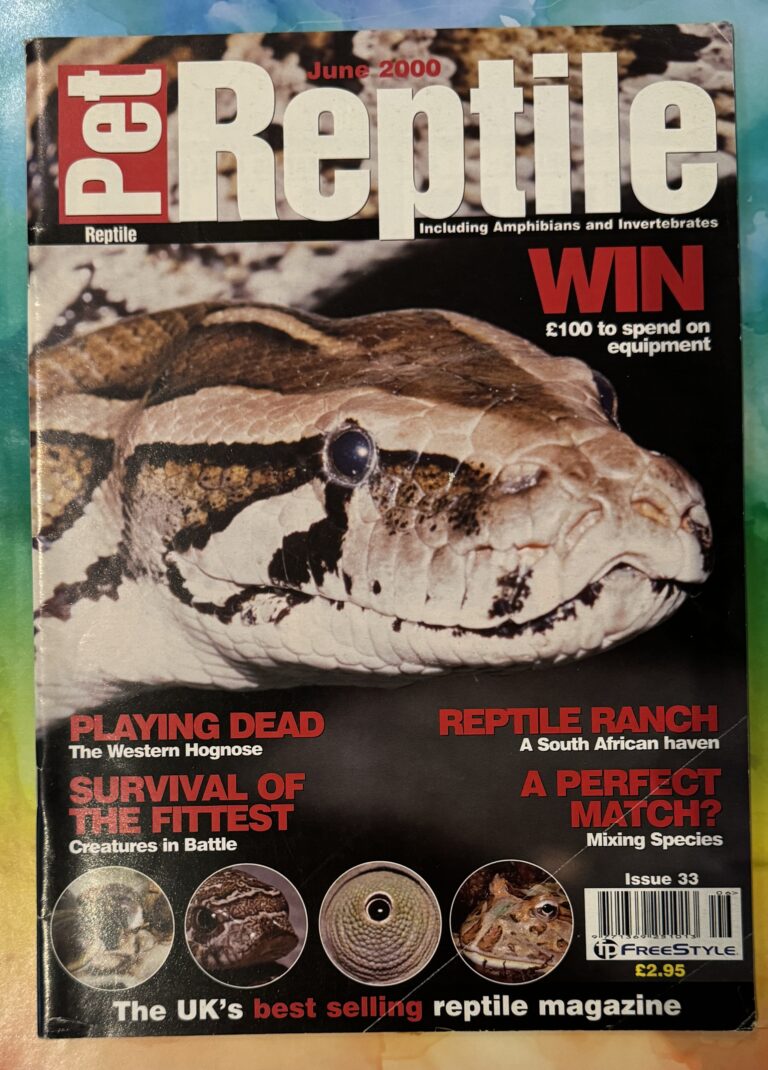
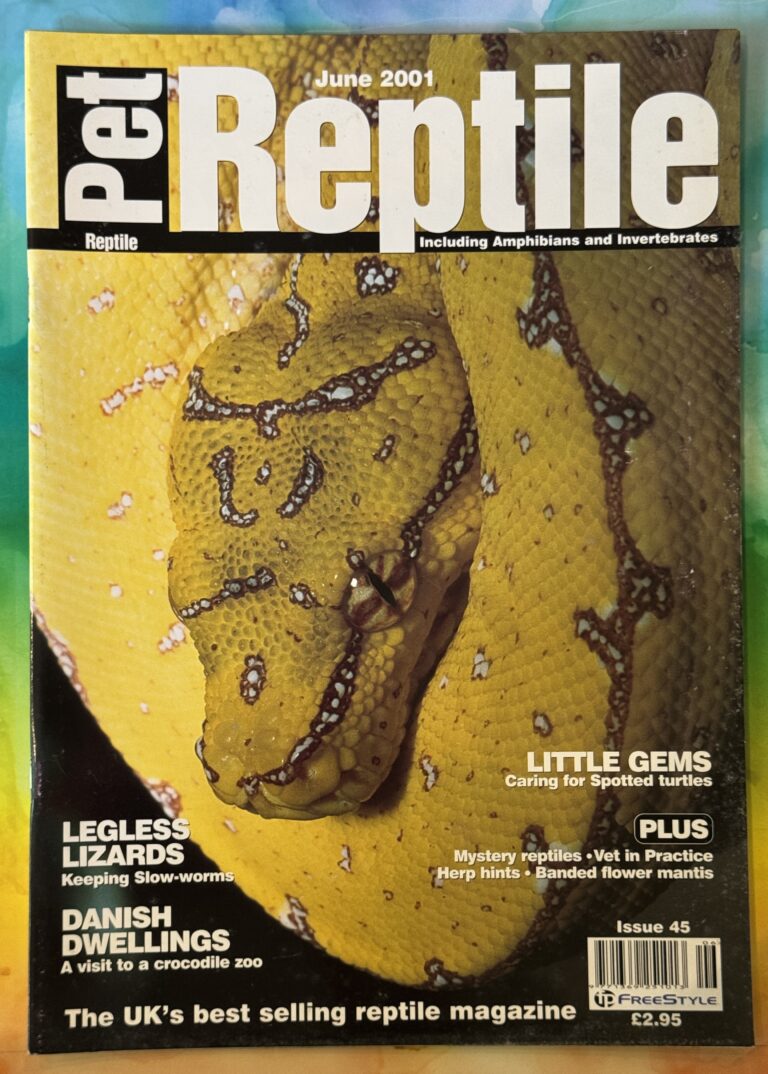
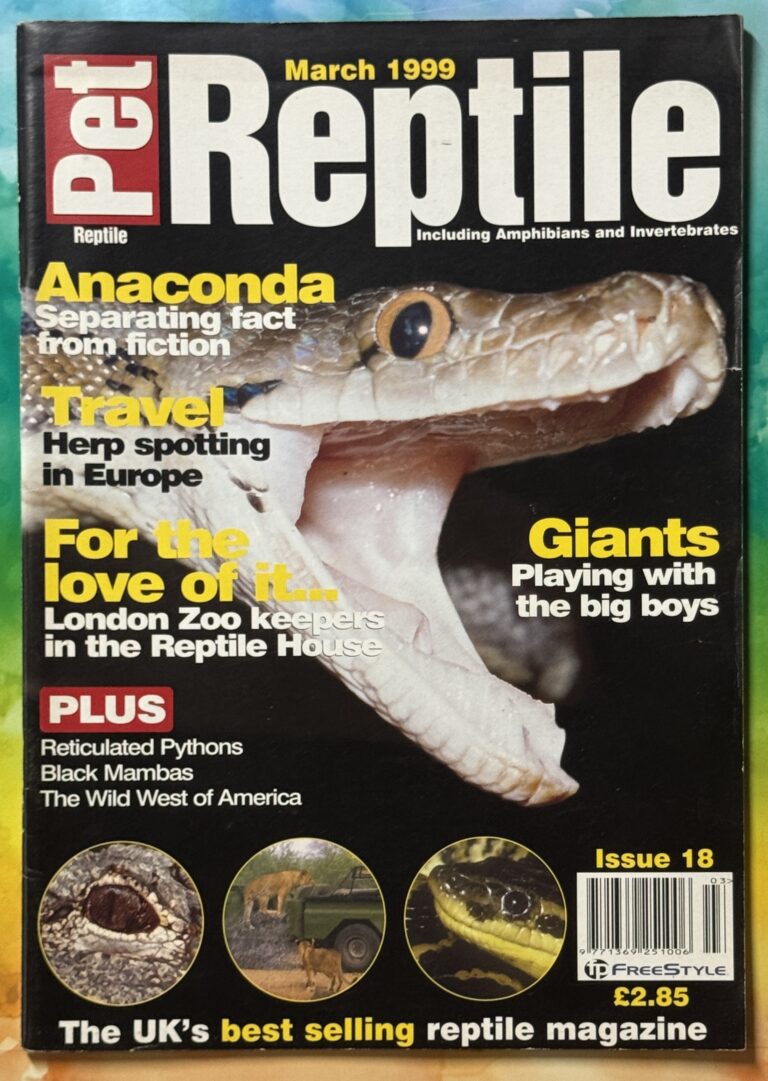
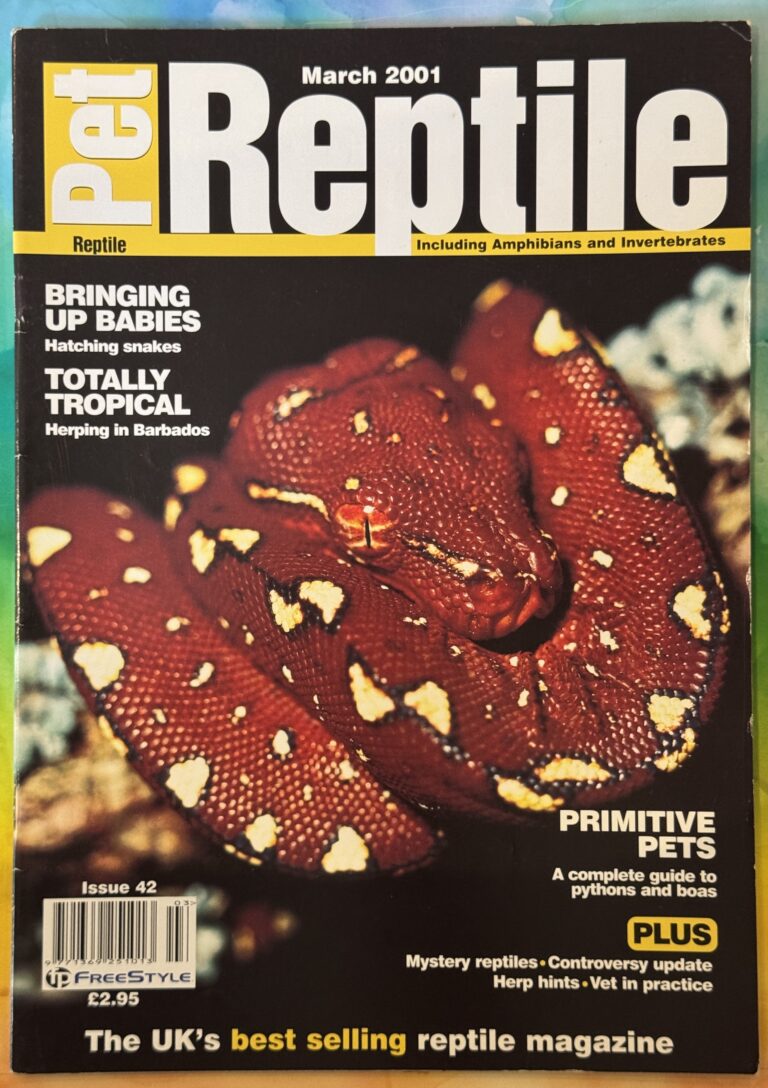
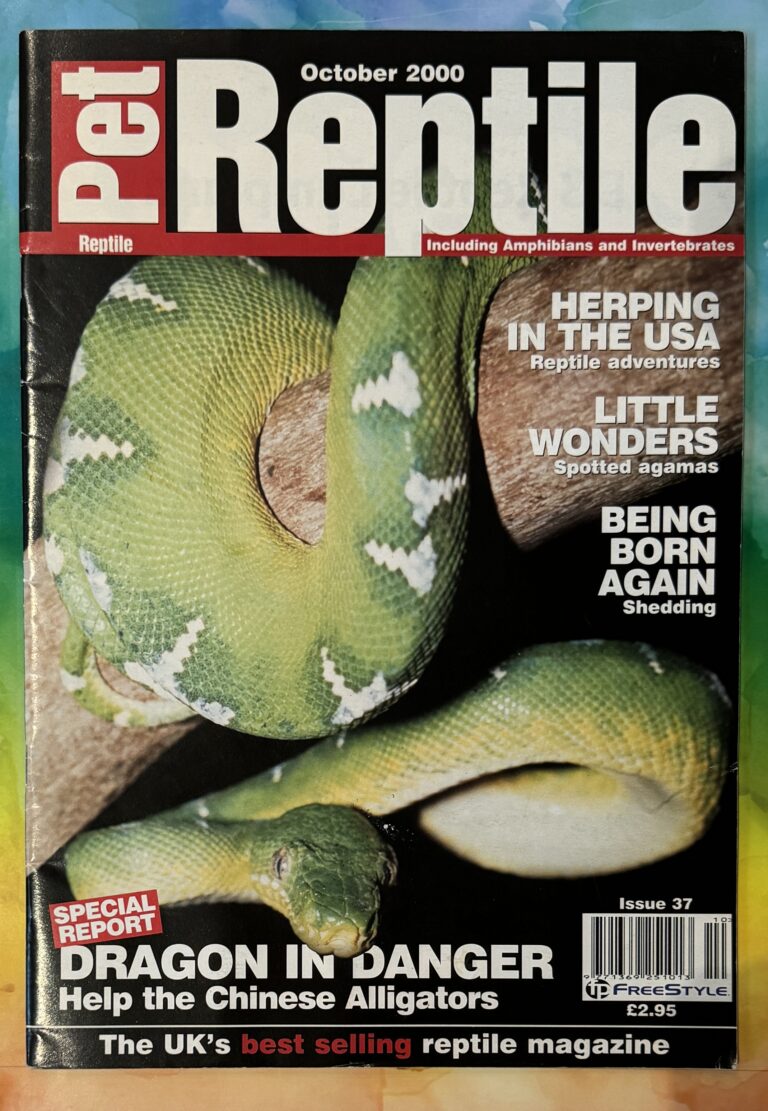
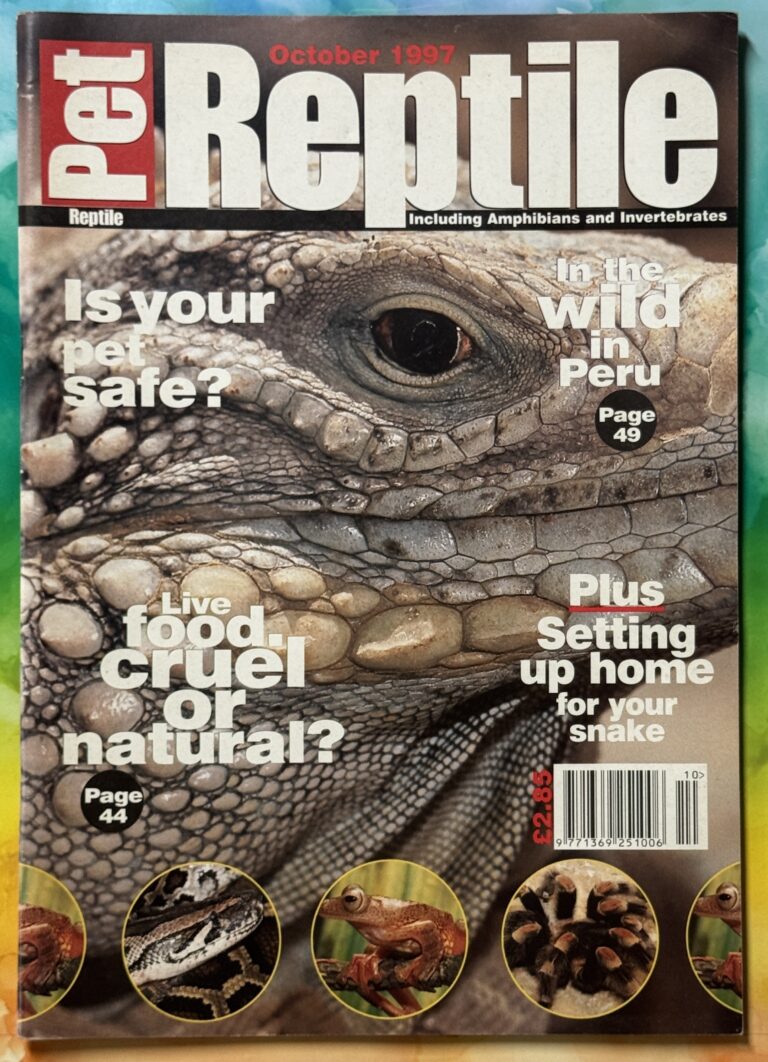
The represented Pet Reptile run preserves an important late 1990s and early 2000s British hobby publication at a time when specialist reptile keeping information was still heavily dependent on print magazines. The covers show a strongly practical editorial approach, with recurring material on husbandry, feeding, hygiene, breeding, travel, wild herpetology and the care of snakes, lizards, amphibians and invertebrates.
The October 1997 inaugural editorial, written by Gethin James, provides direct evidence of the magazine’s founding purpose. It describes a monthly publication intended to give both beginners and experienced keepers balanced, factual guidance on reptiles, amphibians and invertebrates. The editor explicitly contrasts its approach with sensationalized tabloid portrayals of exotic pets. This opening statement is especially valuable because it documents the educational aims and public perceptions that the magazine sought to address at its launch.
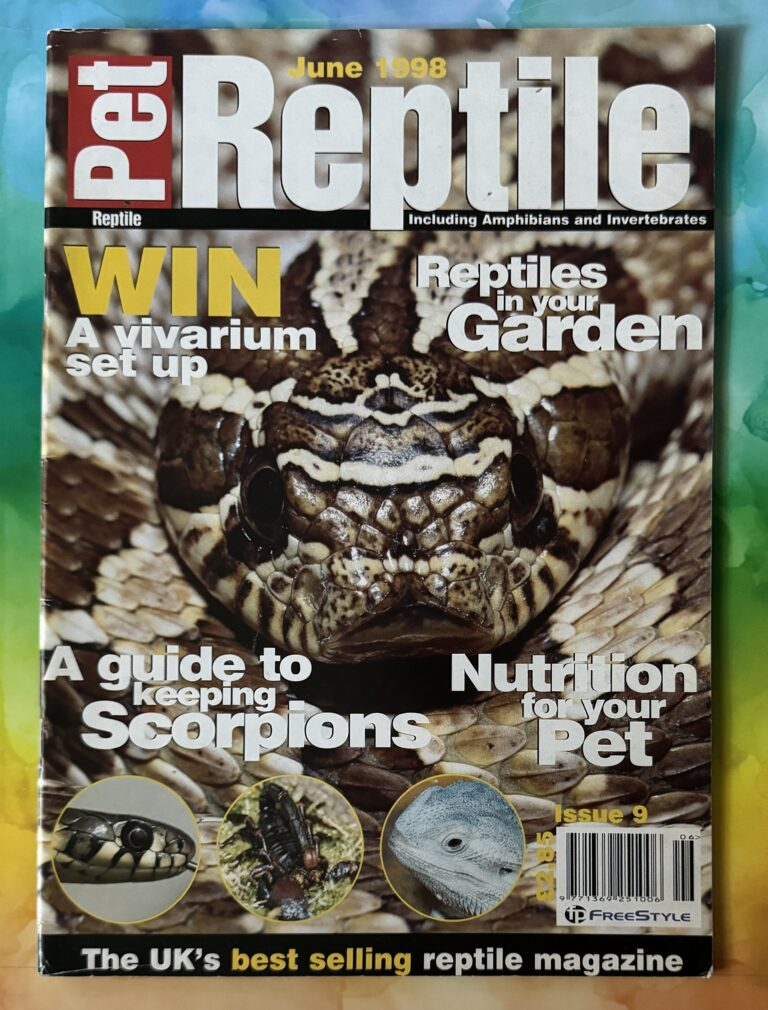
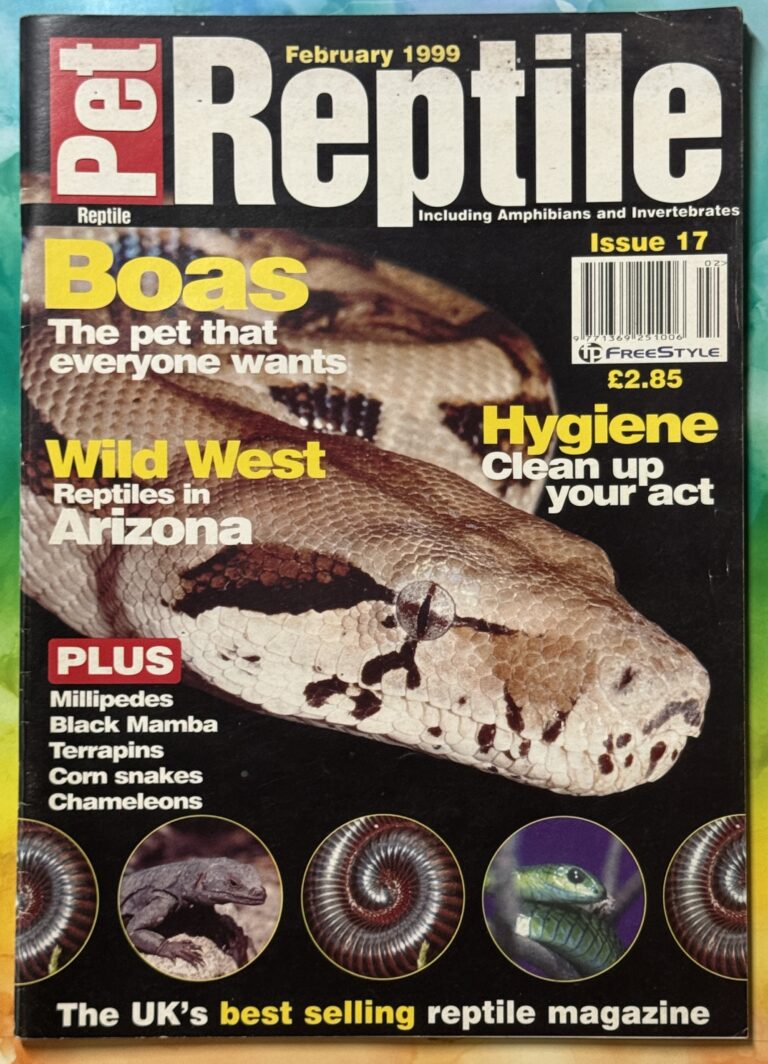
Snakes are particularly prominent across the represented set. The June 1998 issue centers on scorpions but still includes a snake photograph in a secondary cover image. February 1999 features boas, March 1999 features an anaconda, March 2001 centers on pythons and boas, June 2001 places a green tree python on the cover, and several other issues feature snakes as either the principal image or a secondary photograph. This makes the run useful for documenting how snakes were marketed to British keepers during this period.
The October 1997 copy is confirmed as the inaugural issue by Gethin James’s opening editorial, which welcomes readers to the first issue. June 1998 is explicitly numbered Issue 9. The October 1997 cover itself does not print a number, so it remains identified by date and inaugural status without assigning a number not verified in the physical issue.
Independent periodical indexing identifies Pet Reptile as a United Kingdom publication aimed at a relatively accessible or entry level readership while still containing useful herpetological articles. The same indexing records that the title had ceased publication by 2001, giving the surviving physical copies additional preservation importance.
Magazine Research Record
Practical Reptile Keeping
Publication Identification
| Field | Information |
| Country | United Kingdom |
| Publisher | Kelsey Publishing Group / Kelsey Publishing Limited, United Kingdom |
| Publisher address | Kelsey Publishing Group, Cudham Tithe Barn, Berry’s Hill, Cudham, Kent TN16 3AG |
| Magazine title | Practical Reptile Keeping |
| Publication status | Continuing publication documented through 2026 |
| Publication run | Launched July 2009; continuing publication documented through 2026 |
| Editor | David Alderton |
| Printer | William Gibbons & Sons Ltd., Willenhall, West Midlands |
| ISSN | 2040-0675. The represented cover barcodes encode the serial identifier in standard EAN form. |
| Language | English |
| Publication type | Monthly herpetoculture and reptile husbandry magazine |
| Publication frequency | Monthly. The represented covers use monthly dates, with occasional seasonal wording such as “Summer.” |
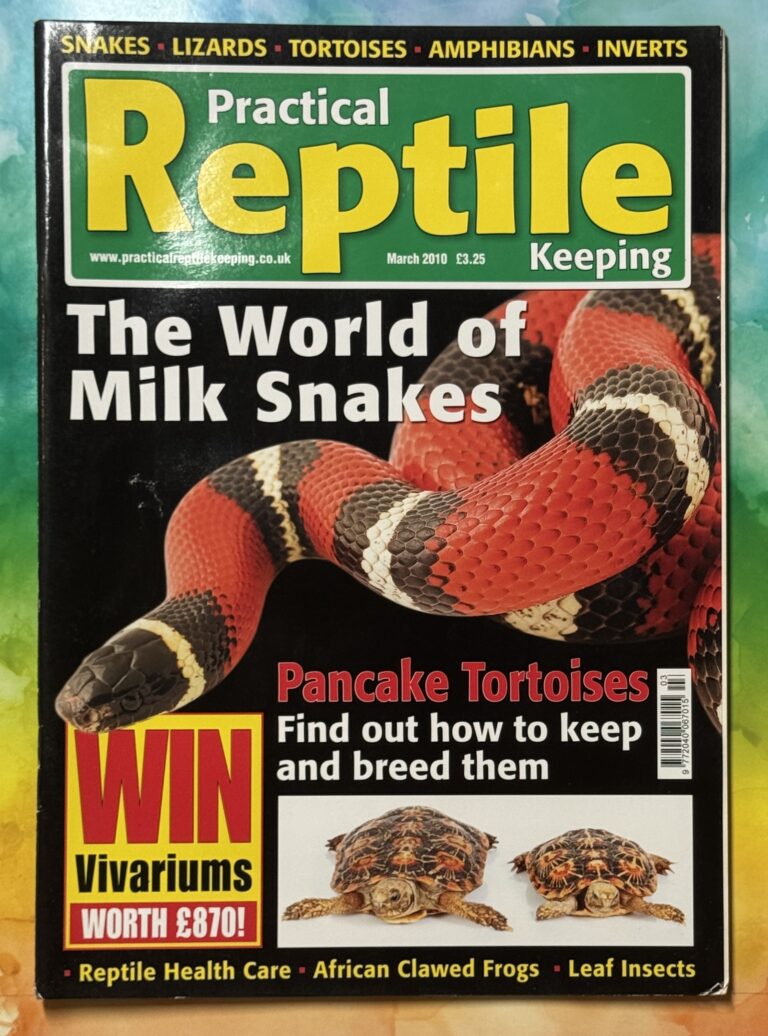
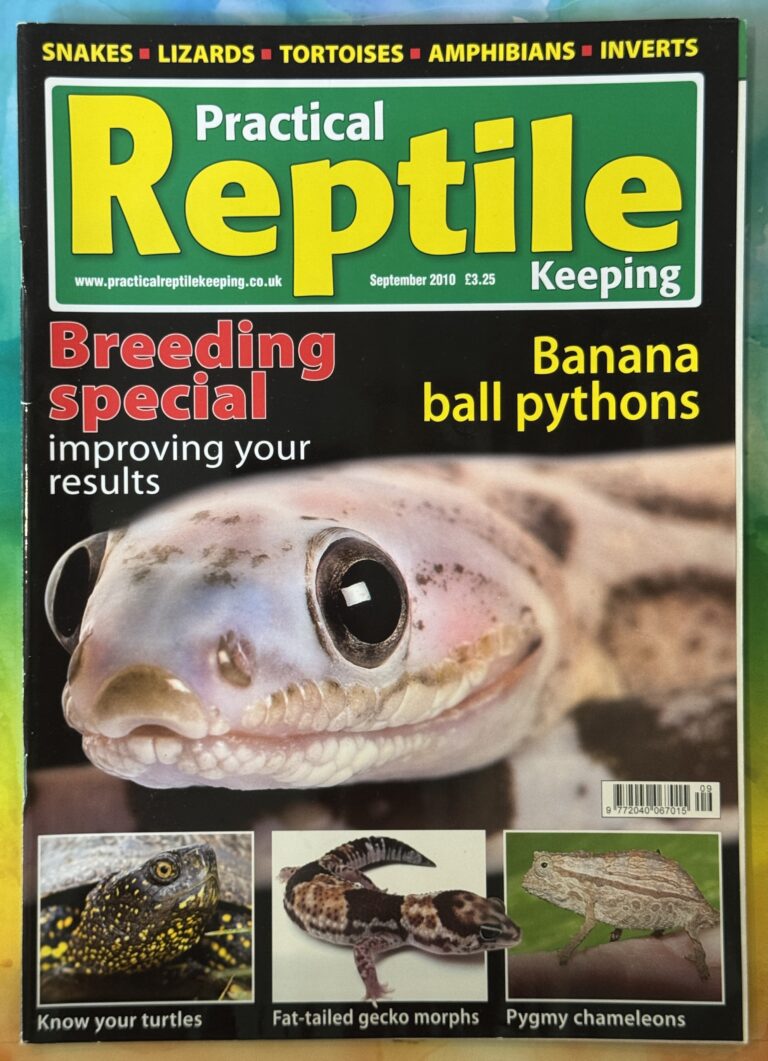
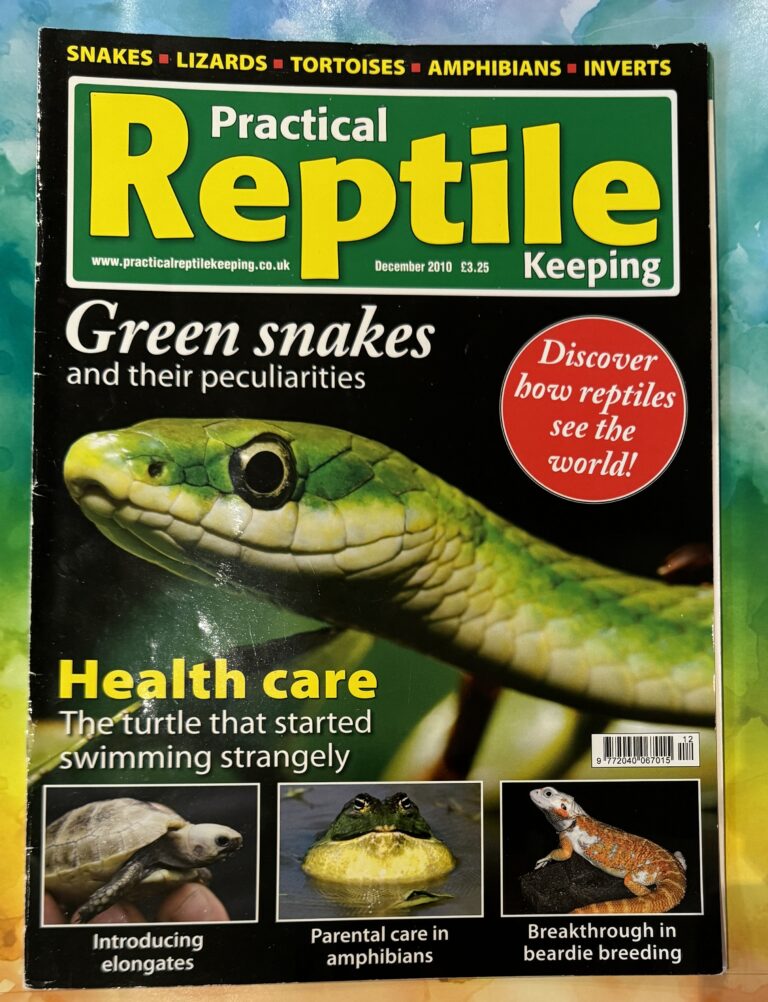
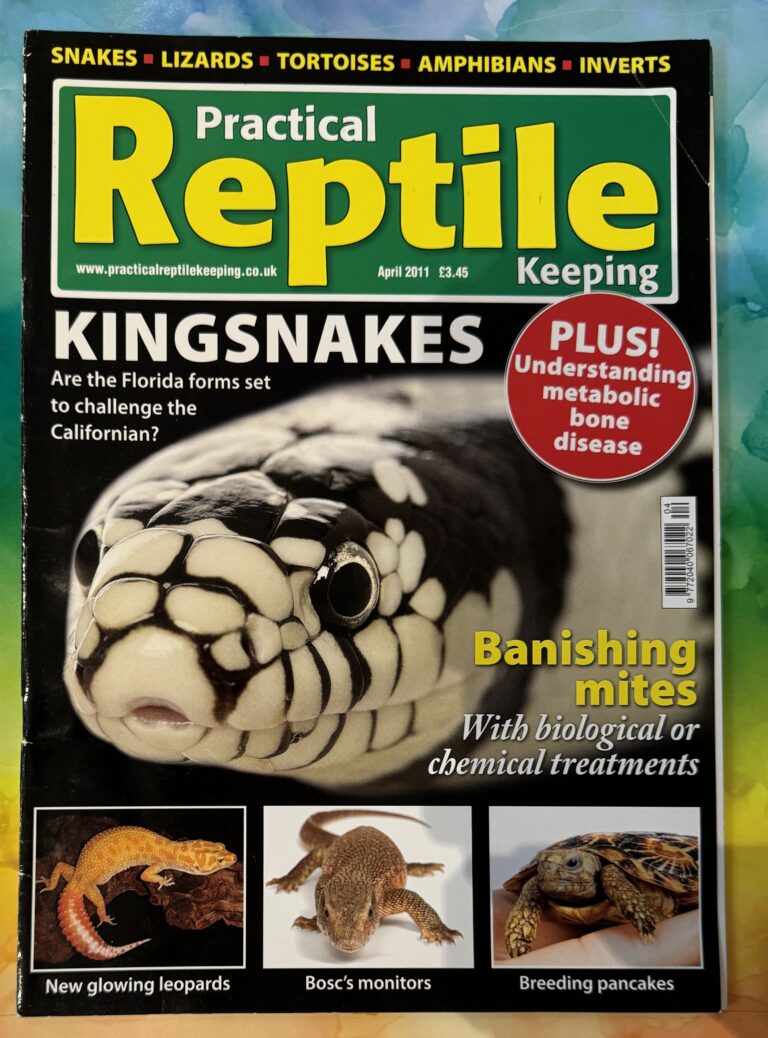
| Collection coverage | 56 physical copies were reviewed. Four are duplicate issues, leaving 52 unique represented issues. |
| Earliest issue represented | July 2009 |
| Latest issue represented | November 2017 |
| Country | United Kingdom |
| Magazine title | Practical Reptile Keeping |
| Language | English |
| Publication type | Monthly herpetoculture and reptile husbandry magazine |
| Launch | July 2009. The earliest represented cover is explicitly marked “NEW,” and independent contemporary and current publication records identify the title as having launched in 2009. |
| Publication frequency | Monthly. The represented covers use monthly dates, with occasional seasonal wording such as “Summer.” |
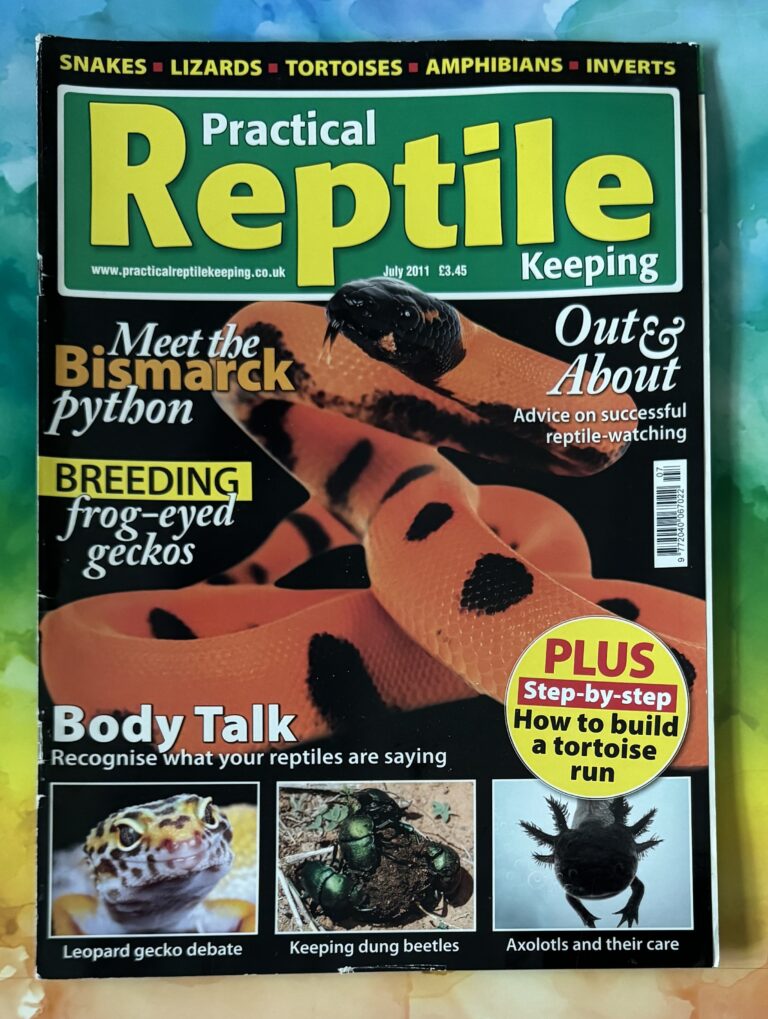
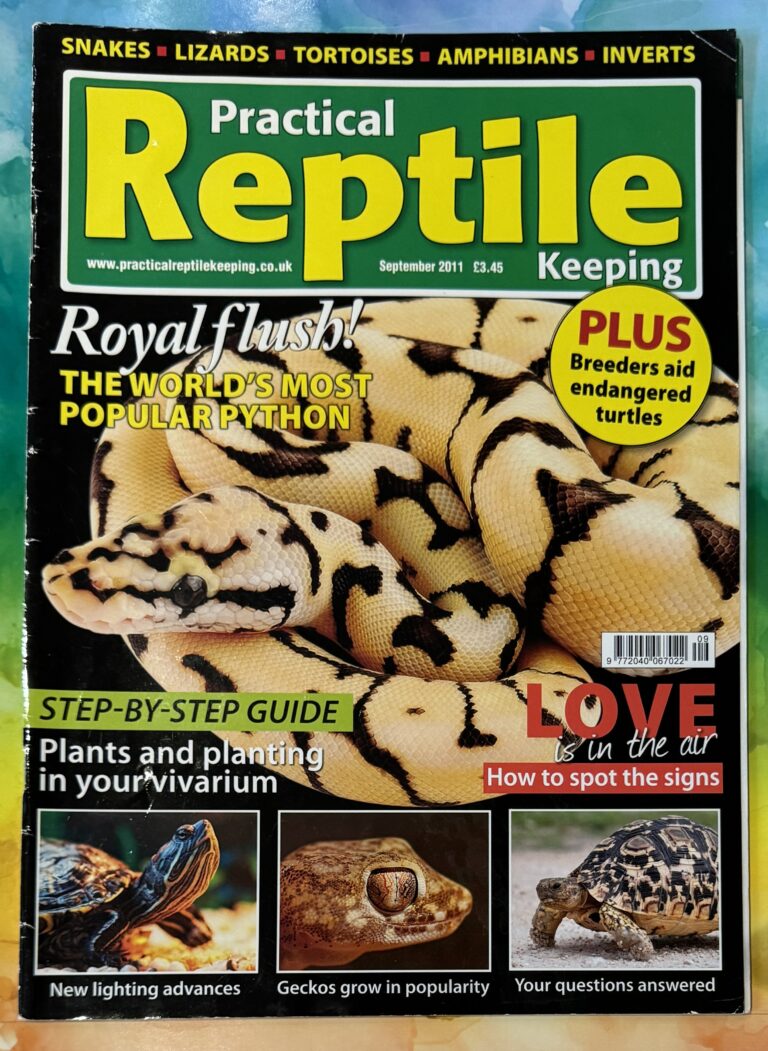
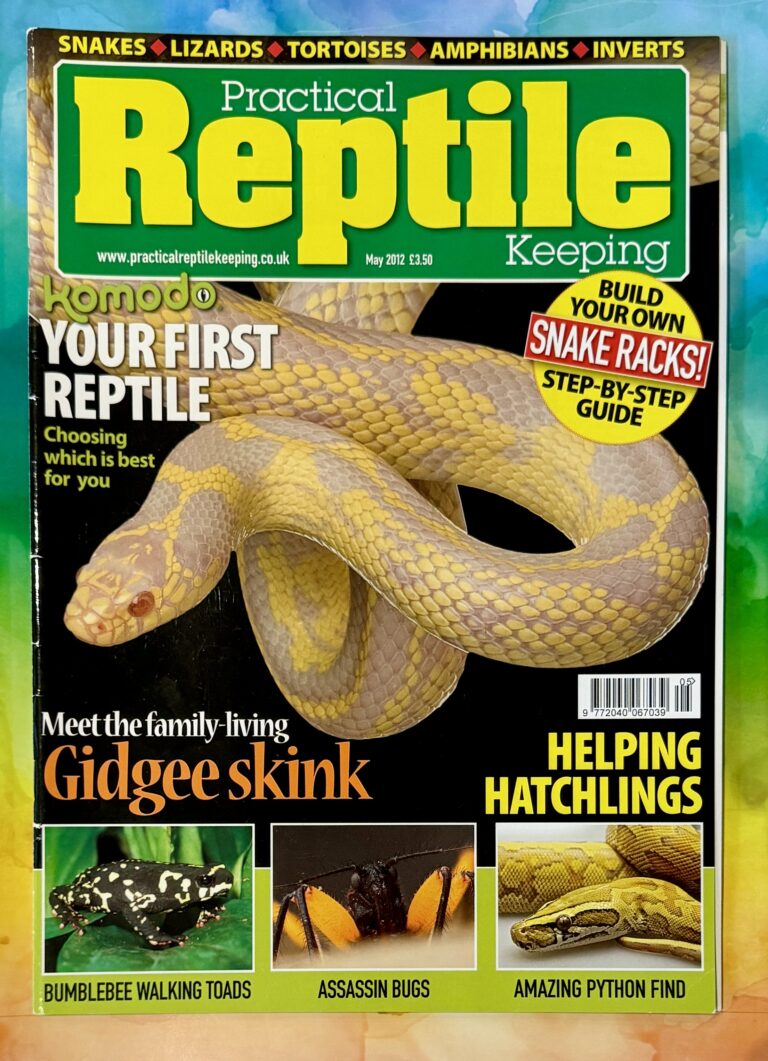
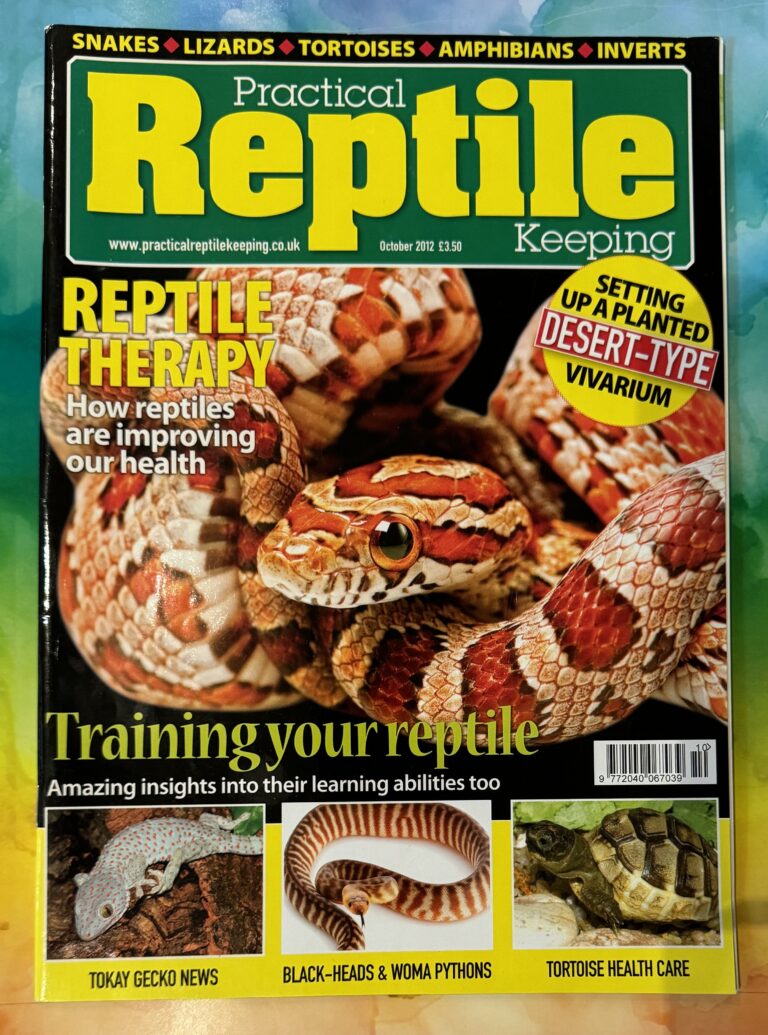
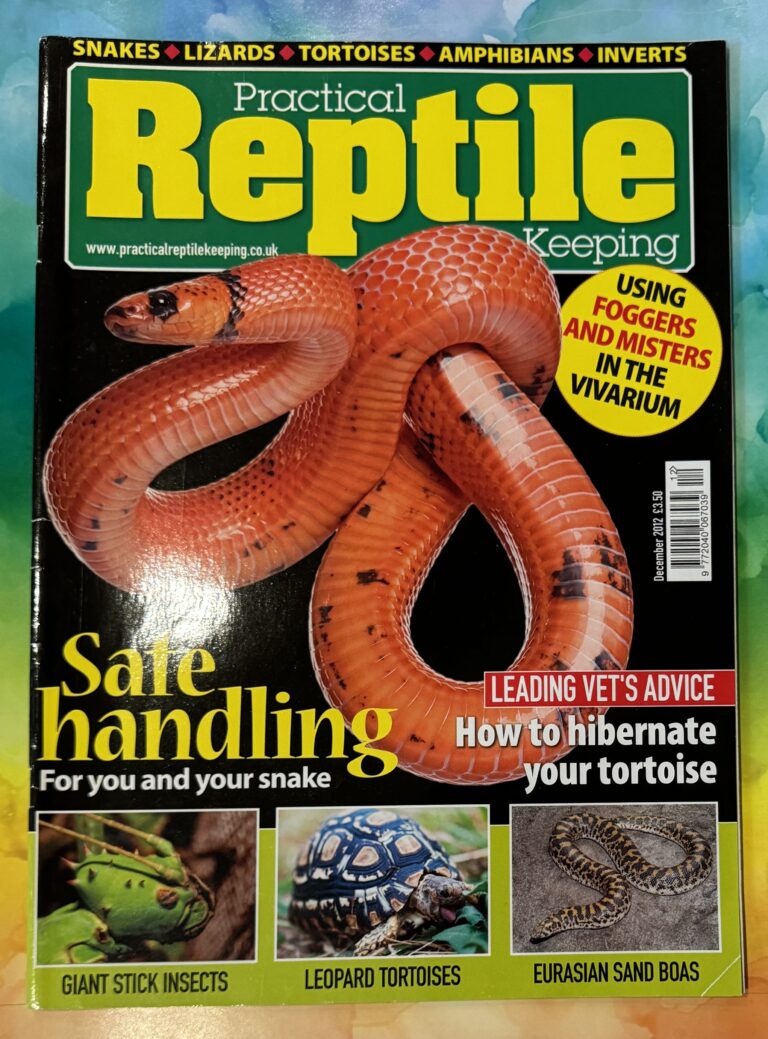
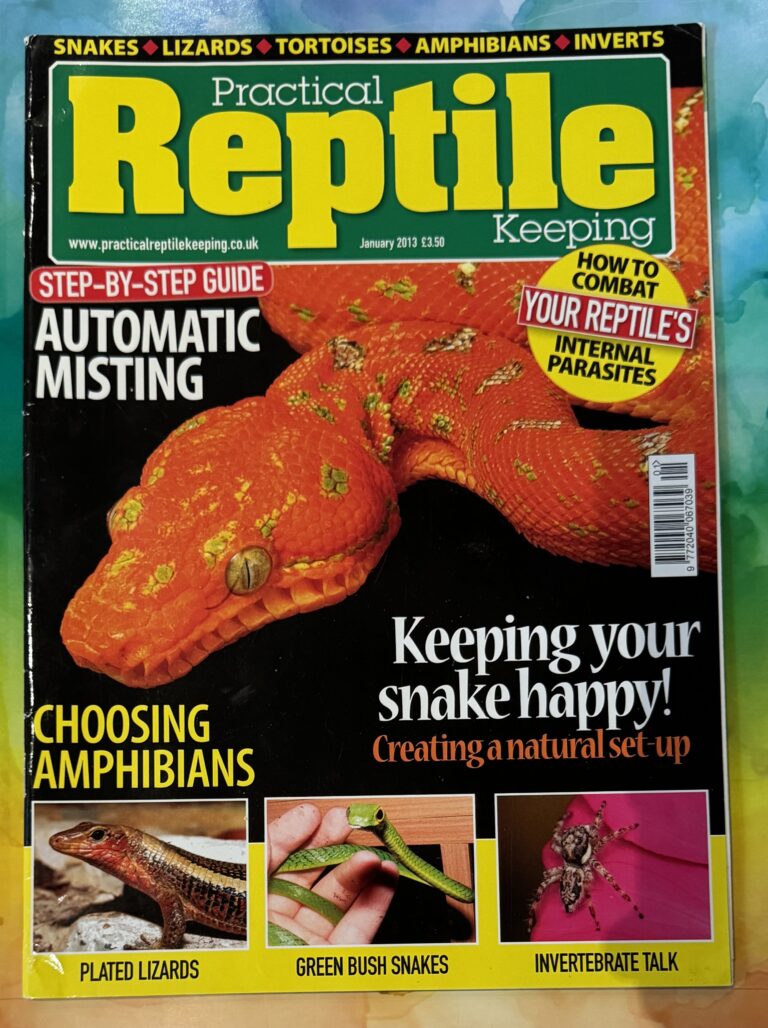
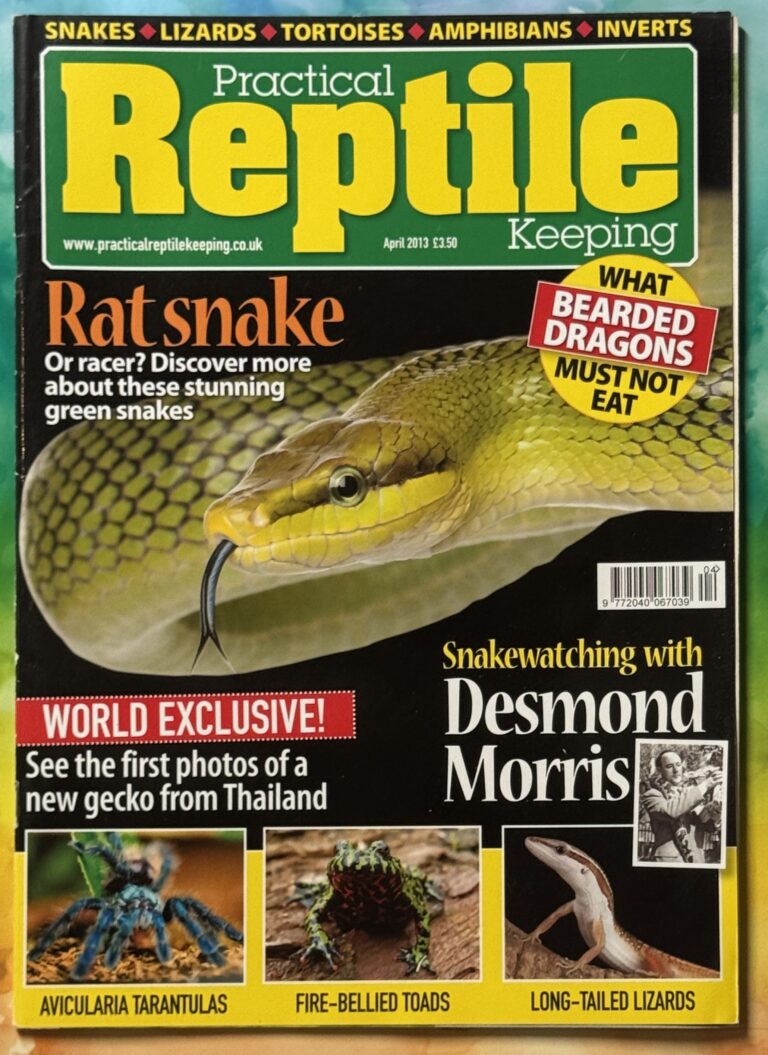
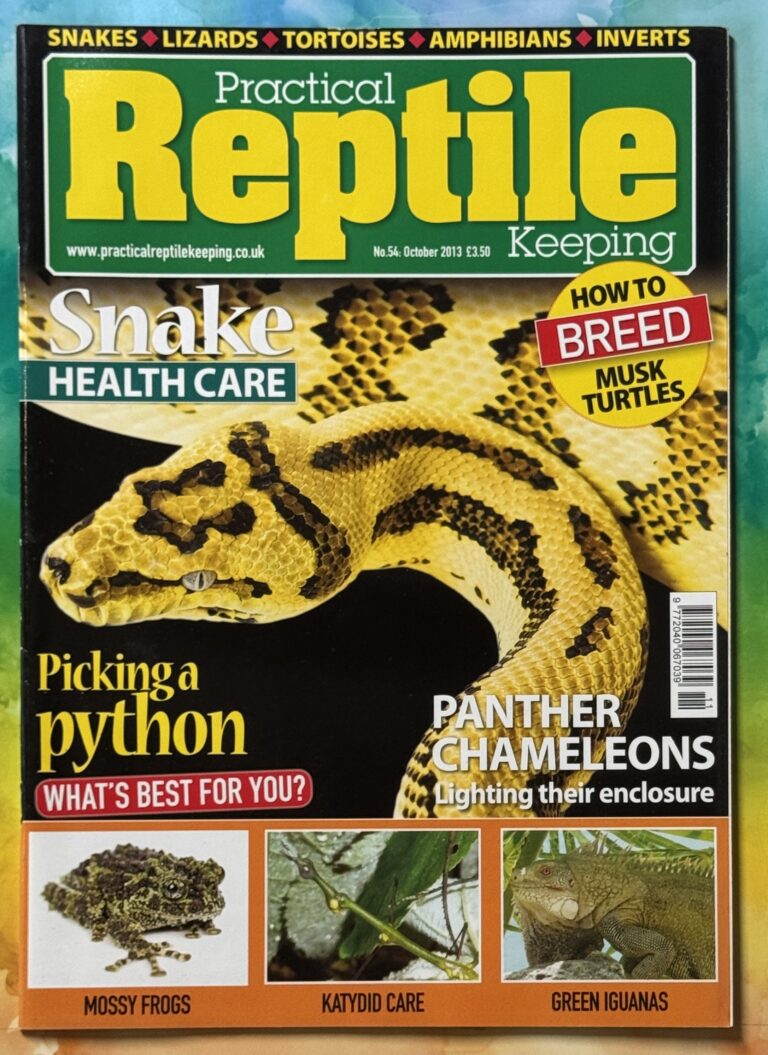
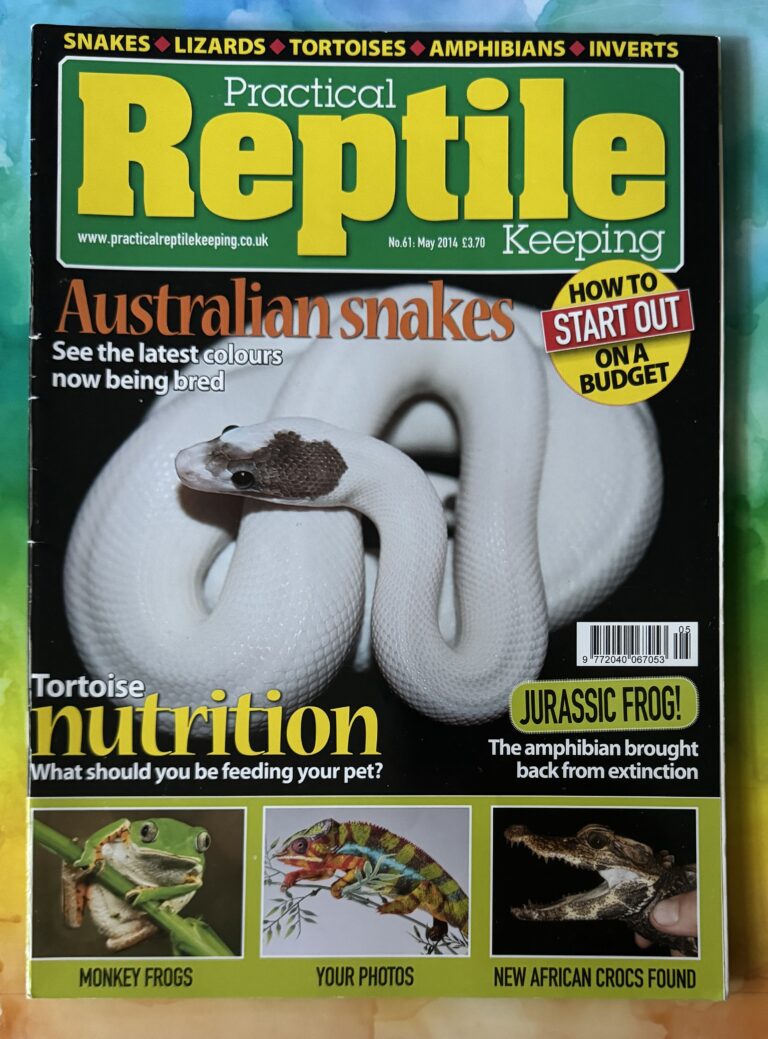
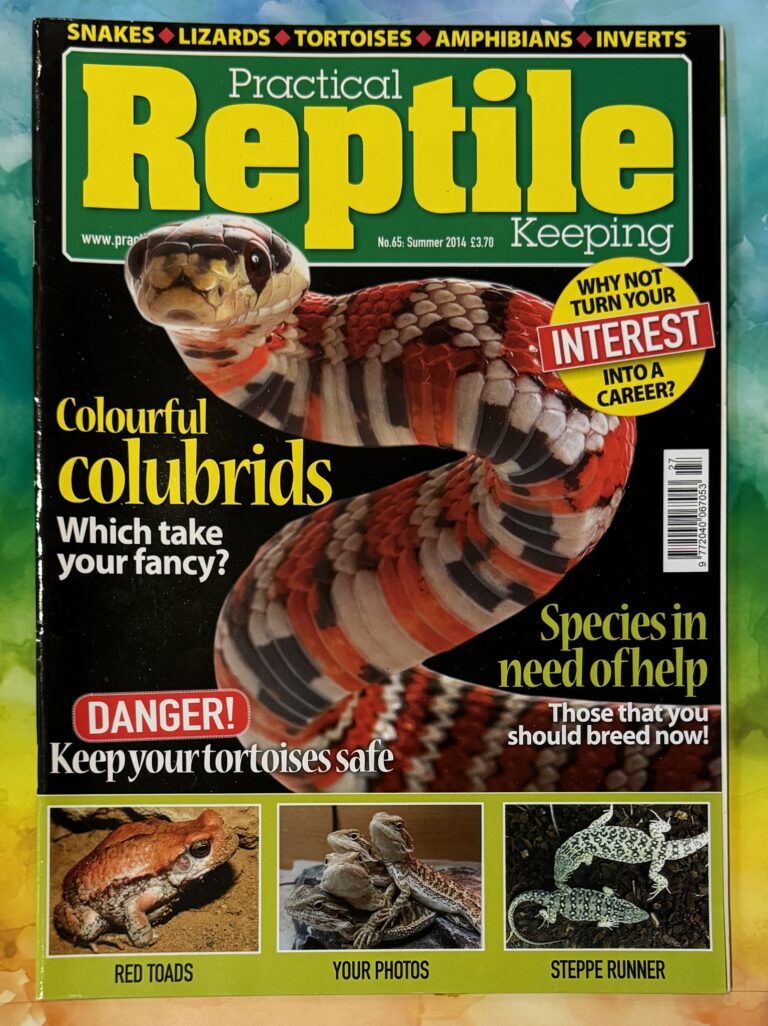
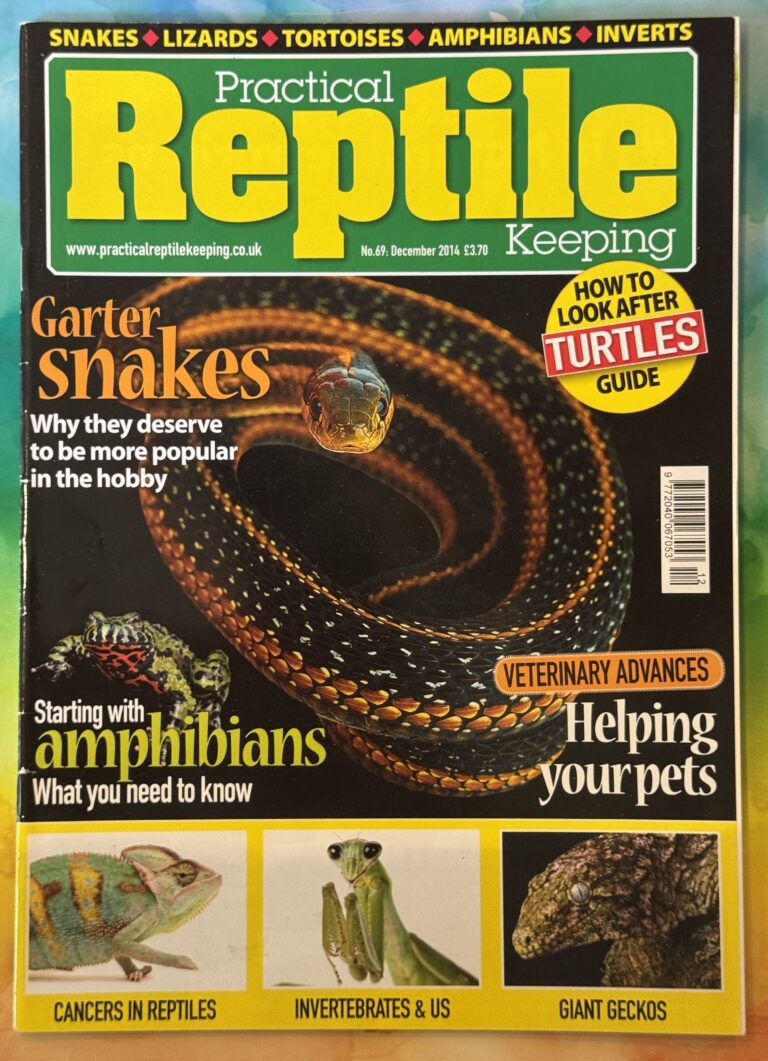
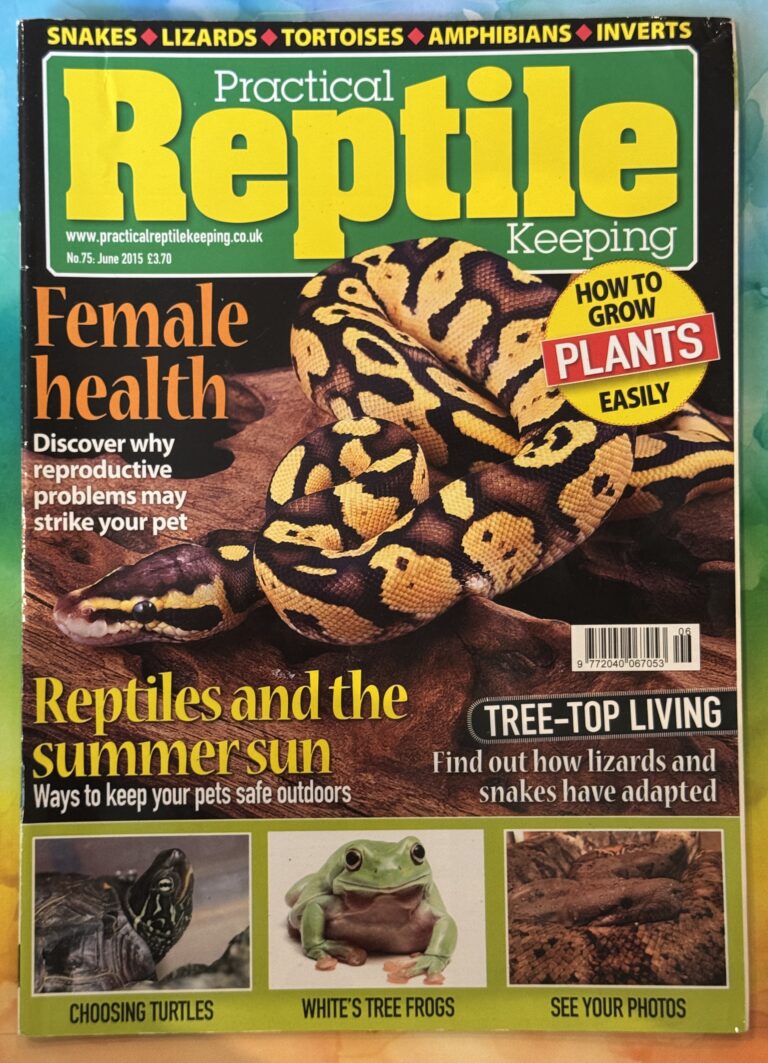
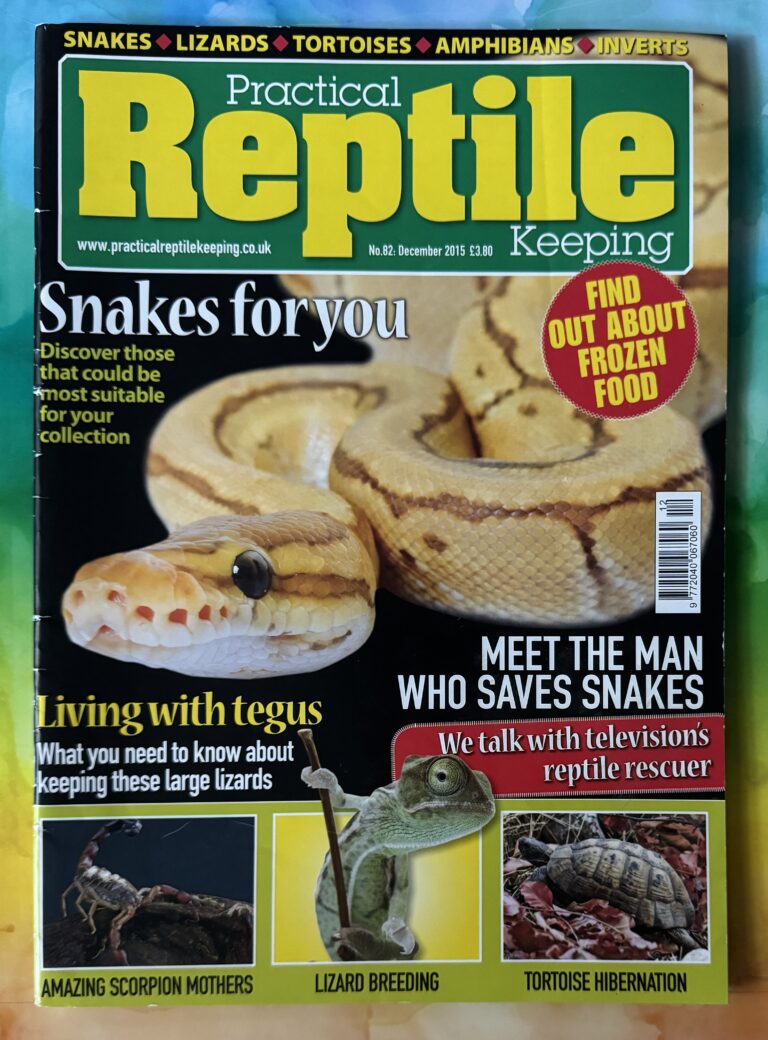
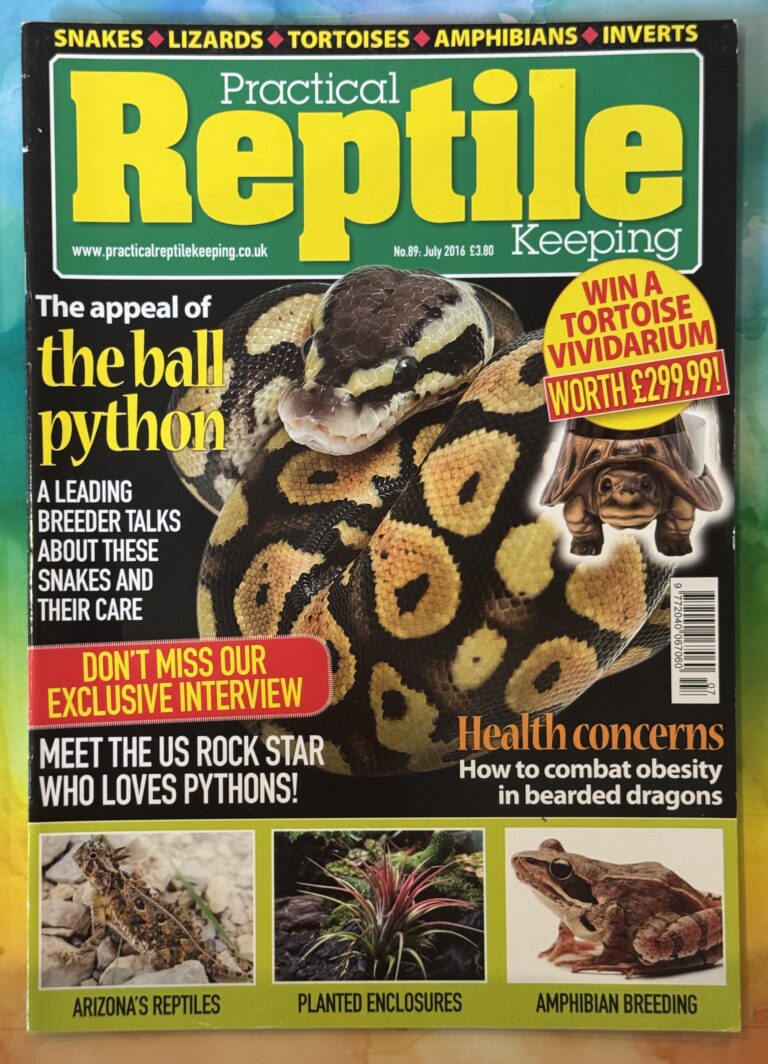
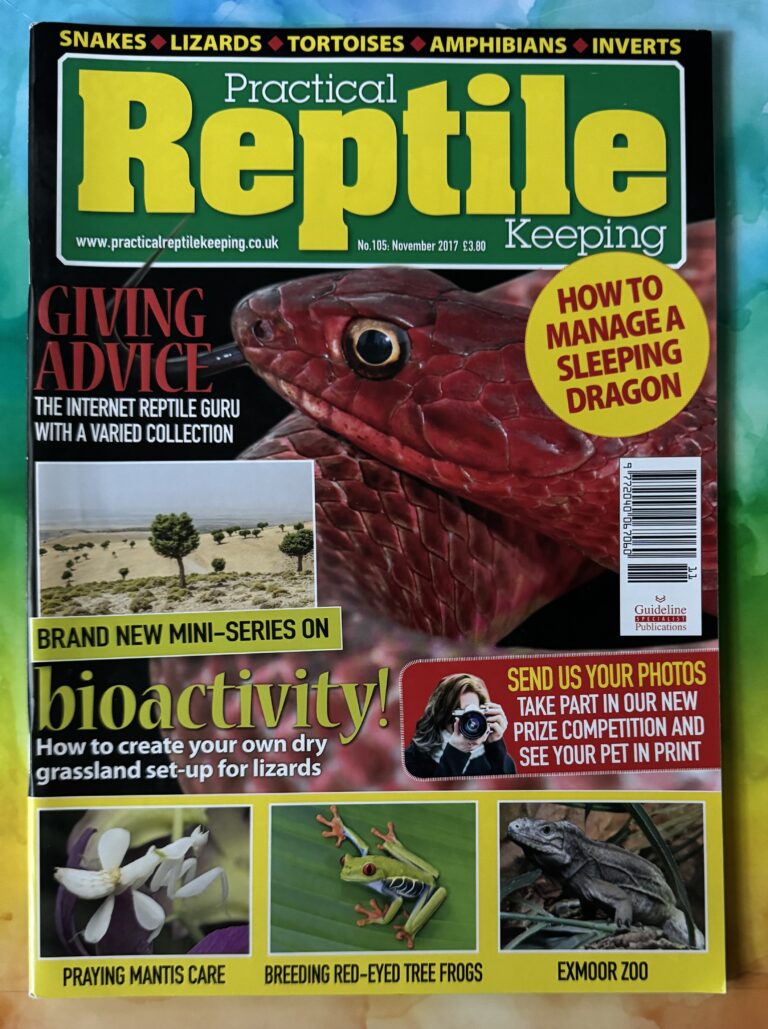
Preservation Significance
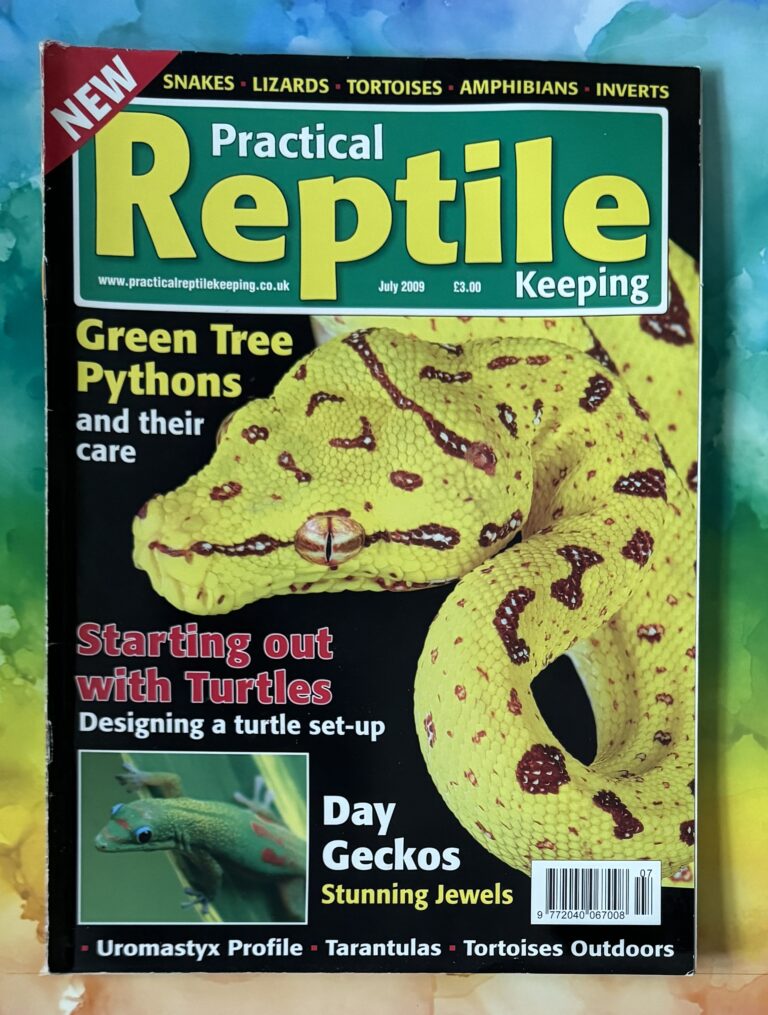
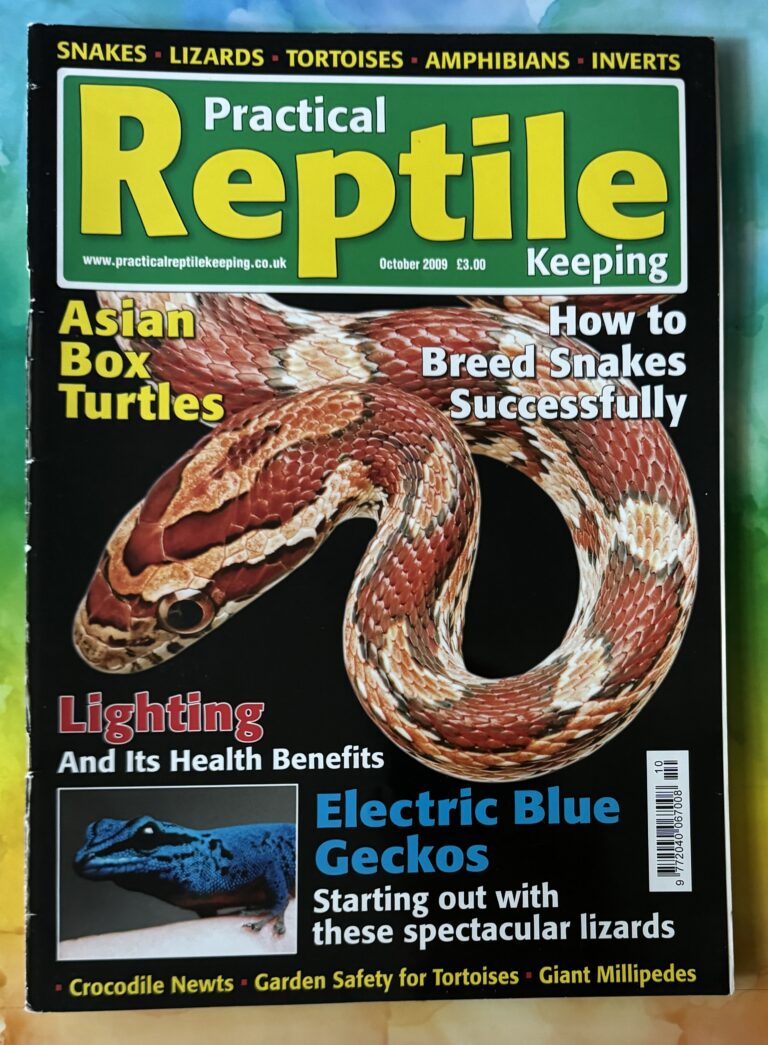
Practical Reptile Keeping is significant within the preservation project because the represented set begins with the July 2009 launch issue and then follows the magazine across much of its early development. The surviving covers document changes in reptile husbandry, breeding, veterinary care, behavior, enclosure design, lighting, nutrition, conservation and popular species over more than eight years. Because the magazine was written for keepers rather than for a strictly academic audience, it preserves a detailed record of what practical reptile care information was being presented to hobbyists at specific points in time.
The set is also unusually useful for studying the changing visual culture of herpetoculture. Cover design consistently combines dramatic animal photography with short statements about husbandry, behavior, health and breeding. Subjects include safe snake handling, reptile recognition and communication, snake mating, maternal incubation, reptile training, bioactive enclosures, lighting, ultraviolet exposure, obesity, veterinary advances, conservation, captive breeding and species selection. These covers preserve not only which animals were popular, but also which questions and care concerns publishers believed were important enough to place before a general reptile keeping audience.
A complete cover review of the 56 physical copies produced a notable result: every single cover contains at least one photograph of a snake. This remains true even when the principal cover animal is a tortoise, turtle, frog, gecko, chameleon, monitor or other reptile. In those cases a snake frequently appears in a smaller photograph, inset or secondary feature. The pattern provides direct visual evidence of how central snakes remained to the magazine’s identity and marketing throughout the represented run.
The July 2009 launch issue adds particular preservation value because it documents the title at the moment of introduction. Later represented issues show the magazine becoming an established monthly publication, with numbered issues visible on many later covers, including No. 54 in October 2013, No. 70 in January 2015, No. 82 in December 2015, No. 89 in July 2016 and No. 105 in November 2017. Together, these physical issues preserve a substantial early cross section of a British reptile periodical that continues to circulate years after the represented collection ends.
Magazine Research Record
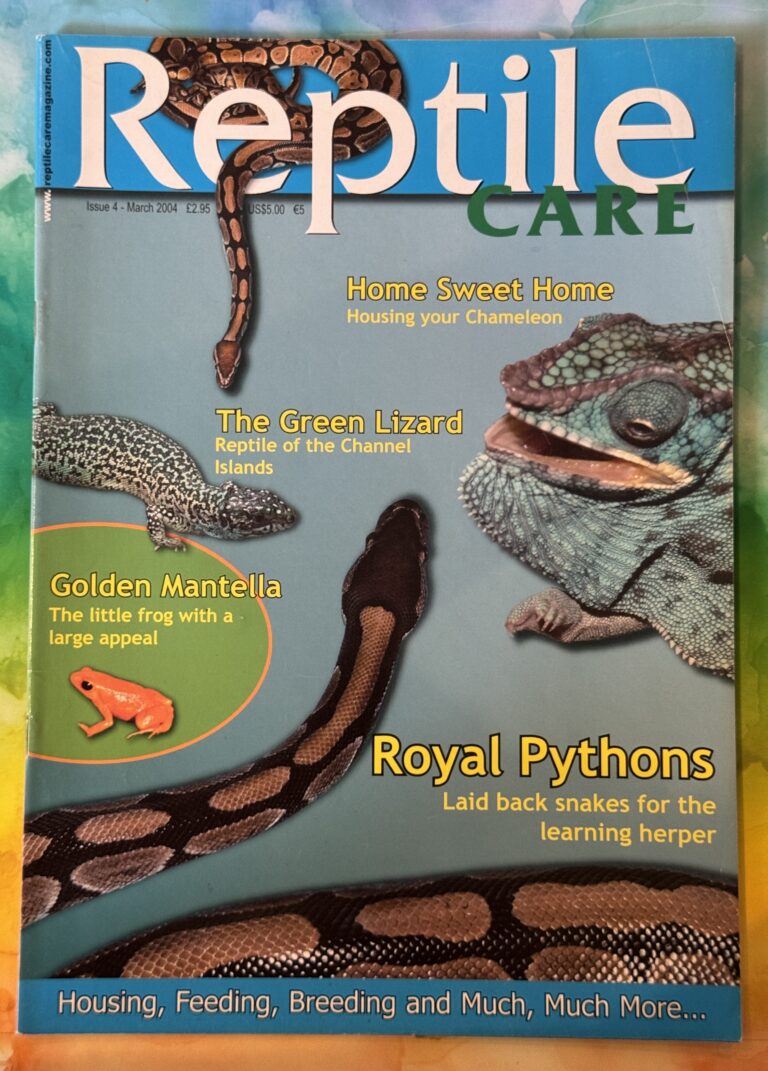
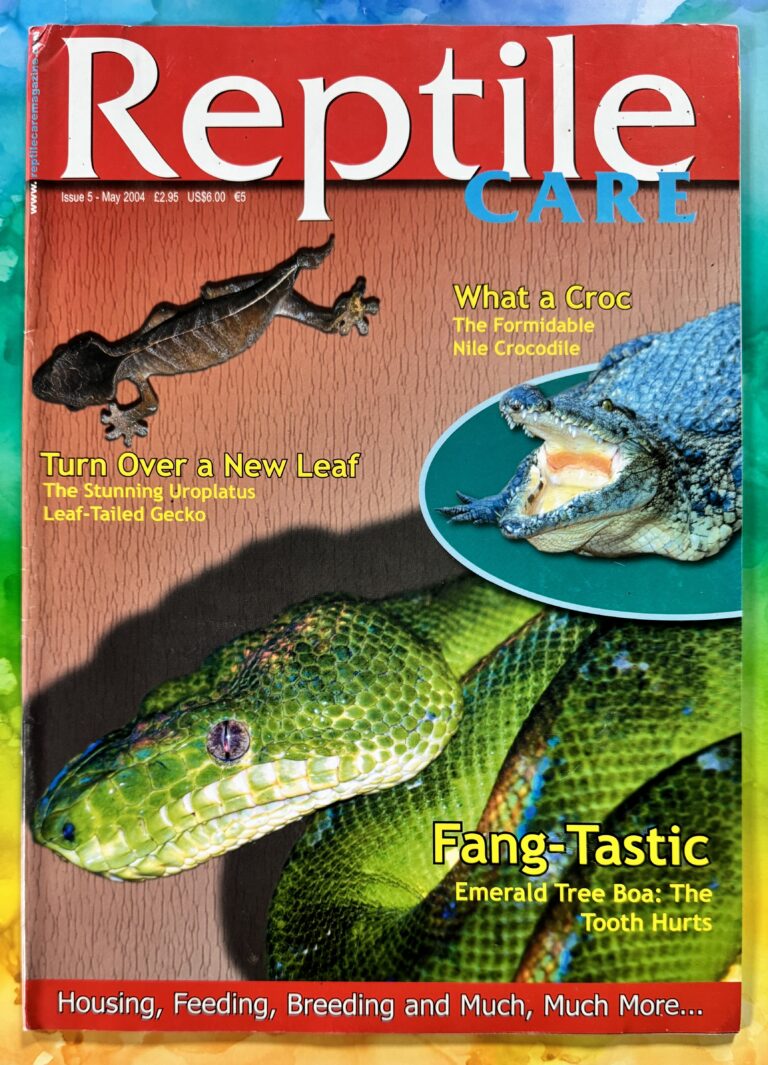
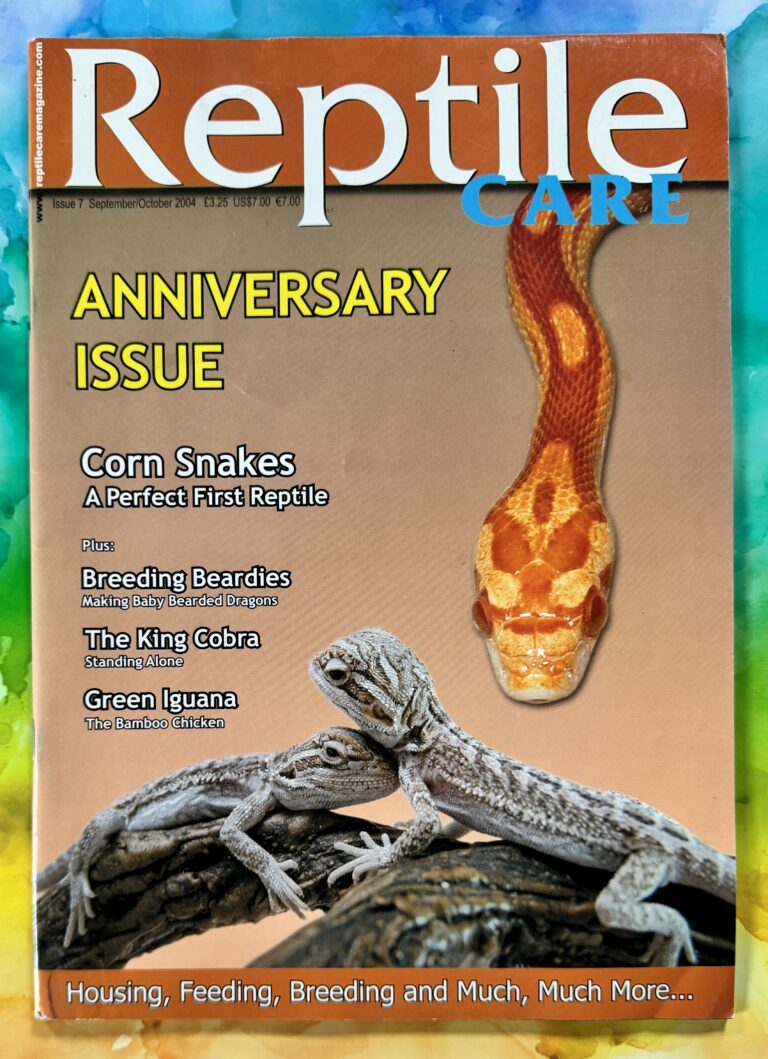
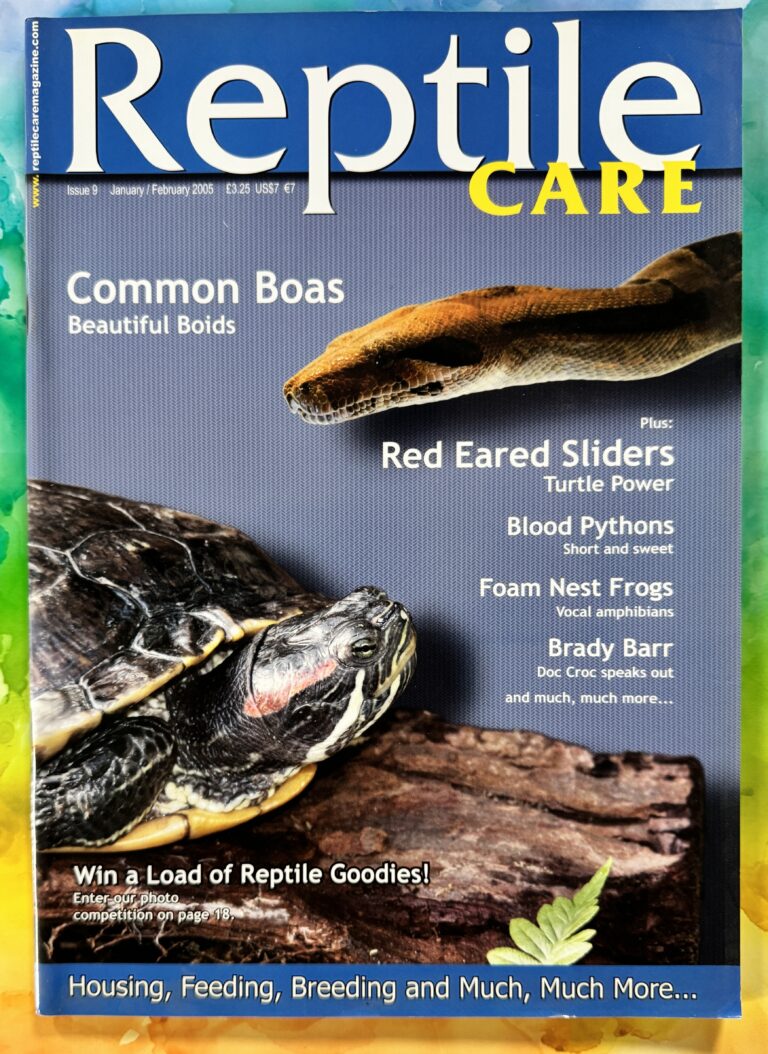
Reptile Care
Publication Identification
| Field | Information |
| Country | United Kingdom |
| Publisher | Mulberry Publications Ltd. (2004–2006); Reptile Care UK Ltd. (Volume 4, Issue 1, 2007) |
| Publisher address | Mulberry Publications Ltd.: Suite 209, 2nd Floor, Wellington House, Butt Road, Colchester, Essex CO3 3DA. Reptile Care UK Ltd.: 126–128 Gloucester Road North, Filton, Bristol BS34 7BQ, United Kingdom. |
| Magazine title | Reptile Care |
| Publication status | Out of print, according to a later herpetological bibliography. Exact final issue and cessation date: Pending research update |
| Publication run | Introduced in late 2003; represented issues extend through Volume 4, Issue 1 (2007). Exact final issue: Pending research update. |
| Editor | Chris Brock (2004); Mark O’Sullivan (2006); Angela Nelson (Volume 4, Issue 1, 2007). |
| Printer | Pending research update |
| ISSN | Pending research update |
| Language | English |
| Publication type | Reptile husbandry and herpetoculture magazine |
| Publication frequency | Bimonthly, approximately six issues per year. Contemporary advertising described it as bimonthly, and the represented issue sequence supports that schedule. |
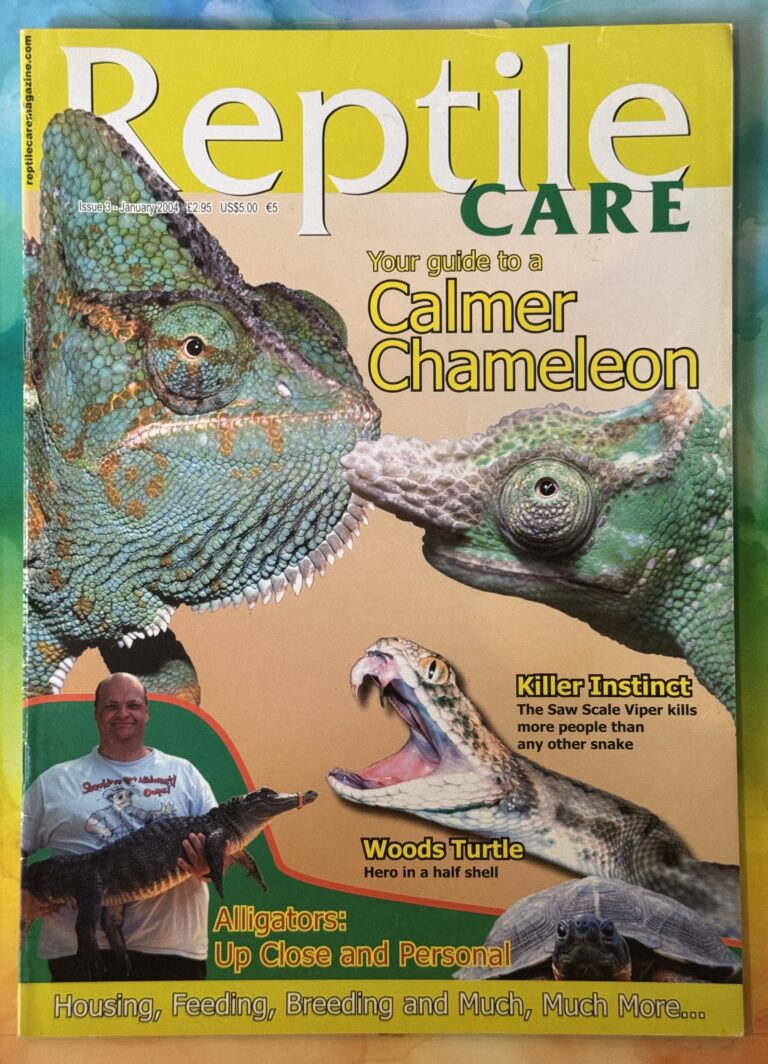
Preservation Significance
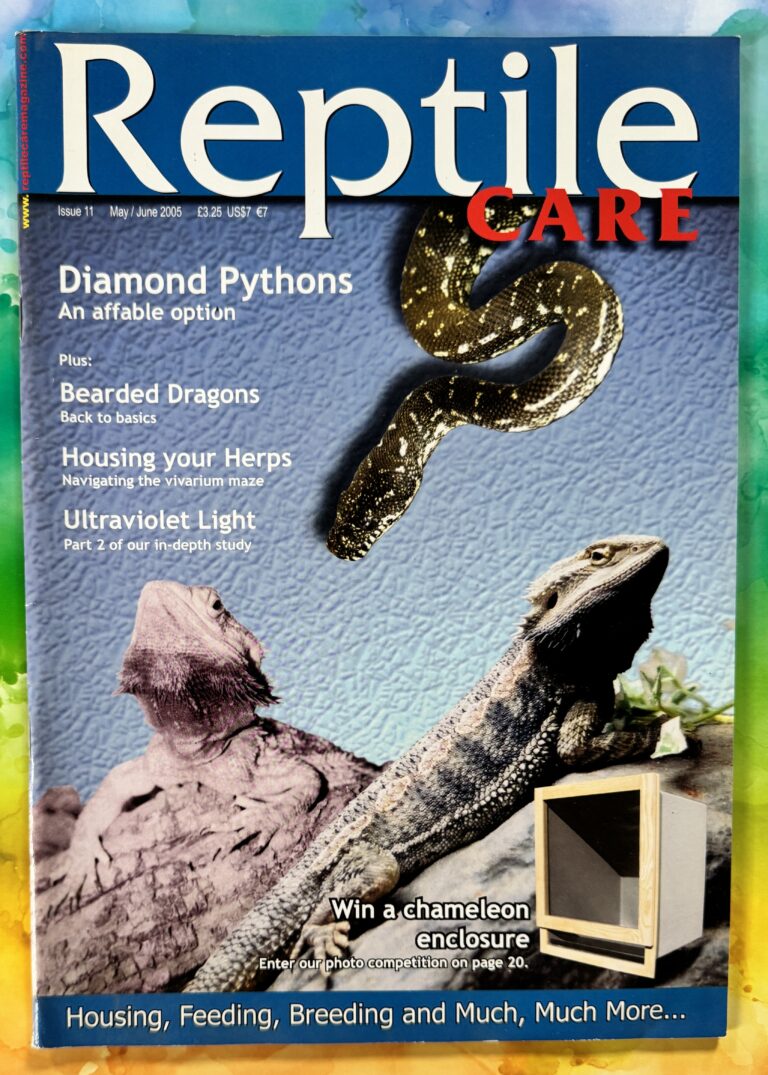
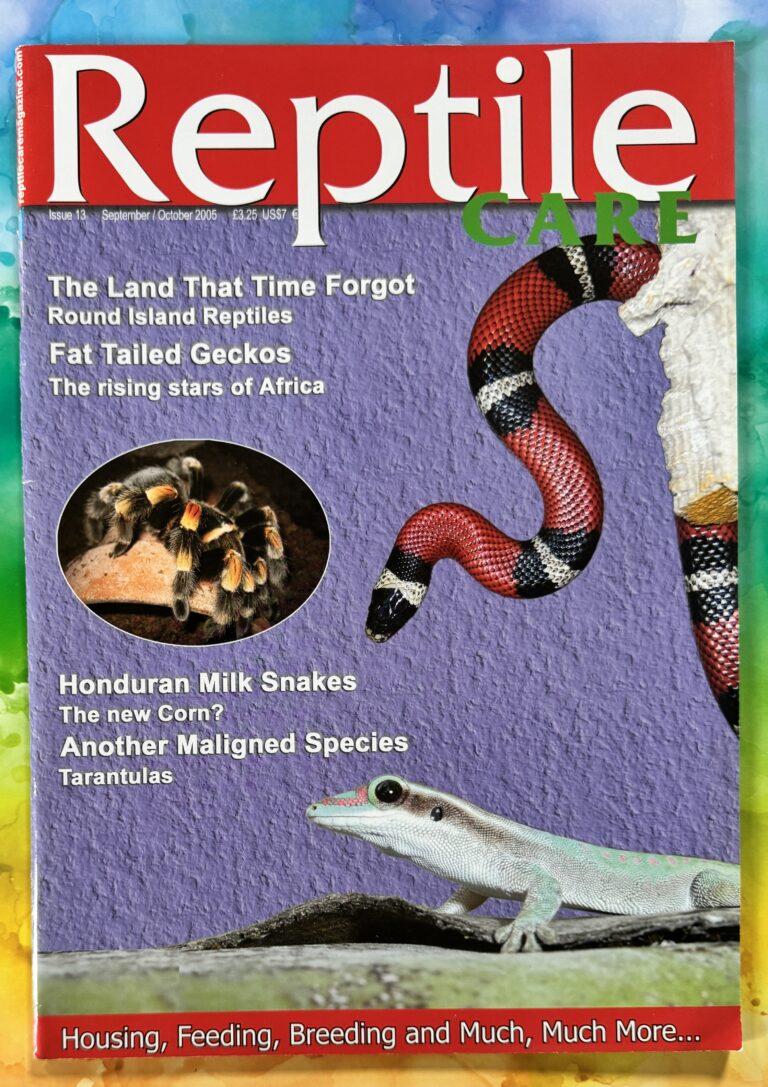
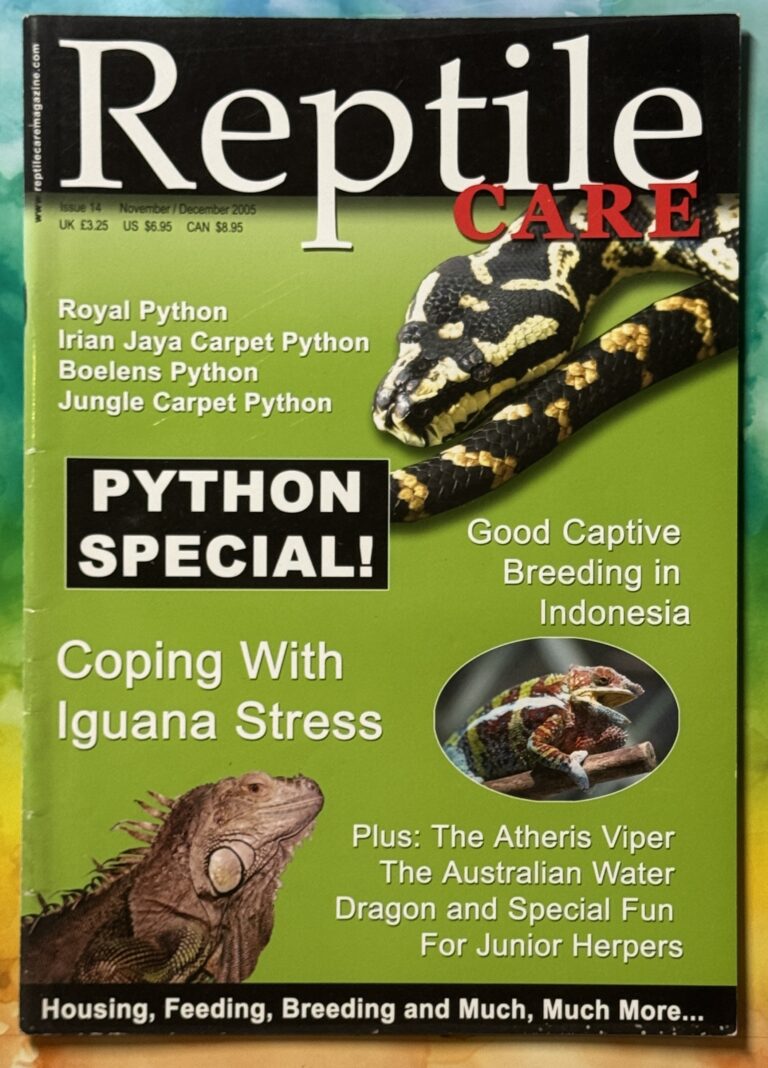
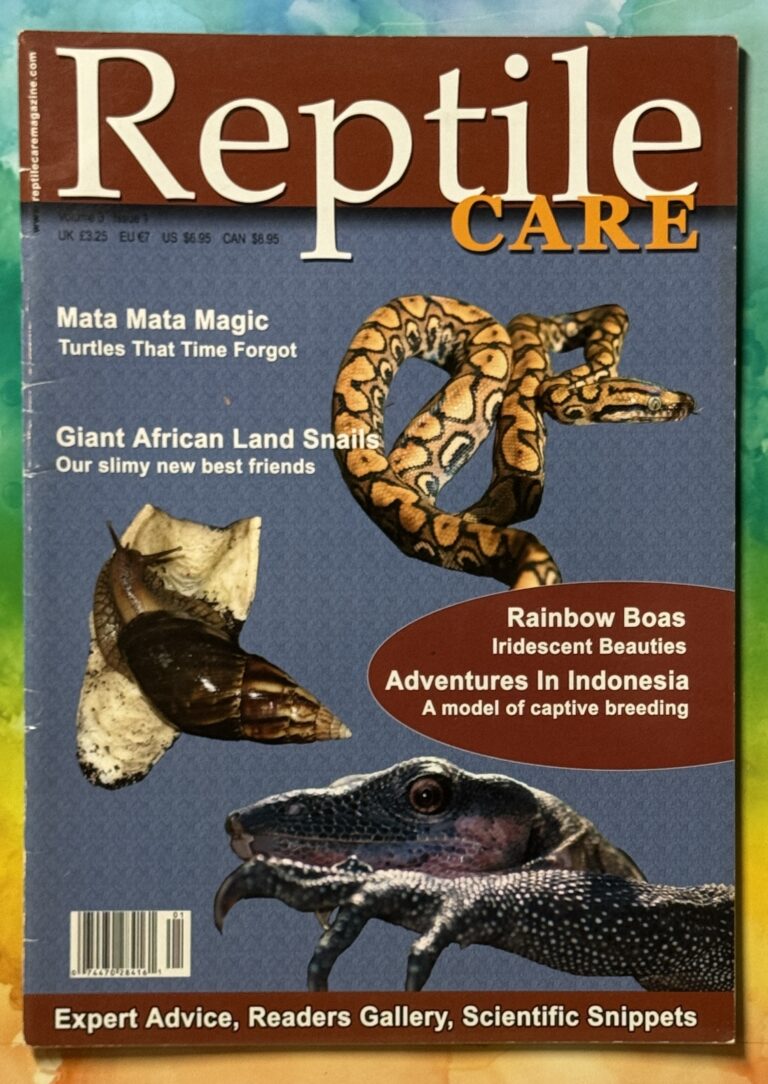
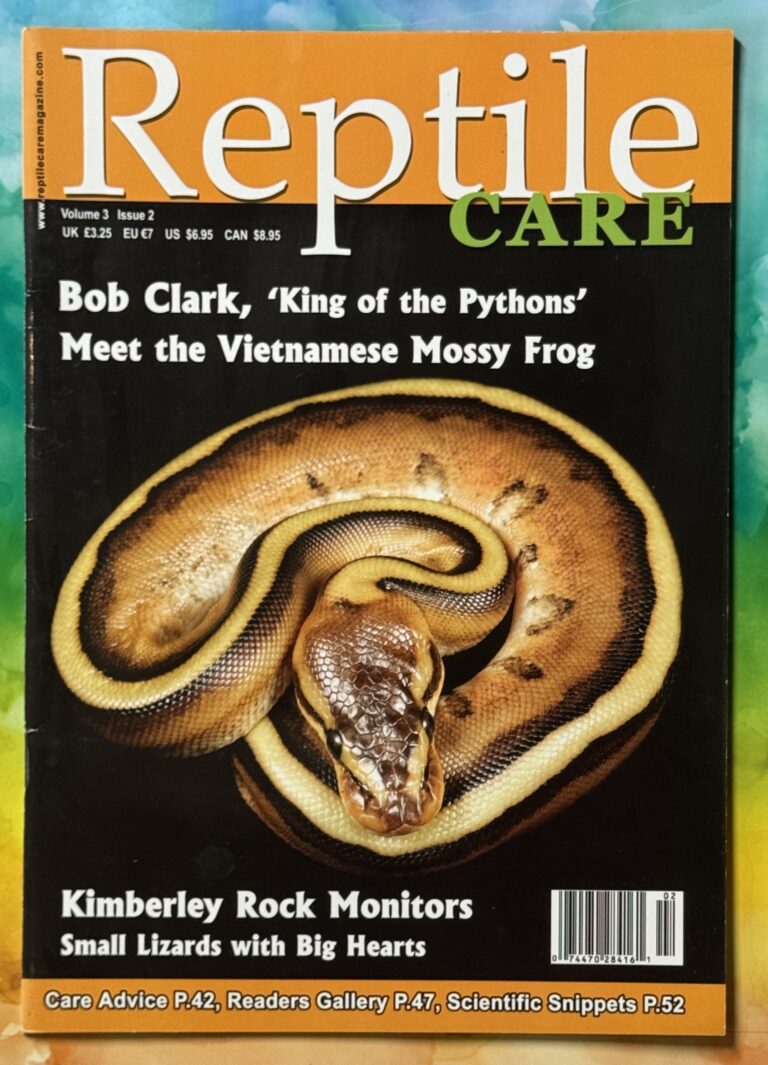
Reptile Care is significant within the collection because it preserves a short lived British herpetoculture magazine from the early 2000s, a period when specialist print magazines still played an important role in distributing husbandry information to reptile keepers. The represented issues document enclosure design, feeding, breeding, lighting, behavioral enrichment, species profiles, veterinary and welfare topics, captive breeding and field oriented natural history.
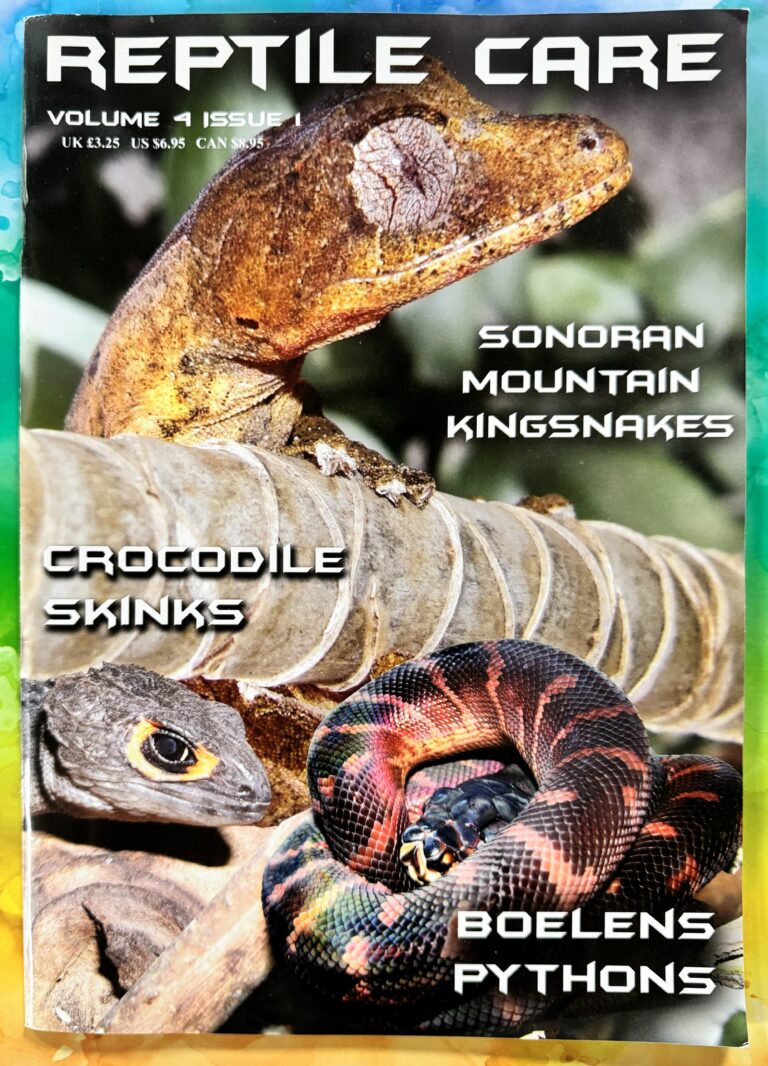
The collection also preserves a publication transition that is not well documented online. Issues from 2004 and 2005 identify Mulberry Publications Ltd. as publisher, while Volume 4, Issue 1 in 2007 identifies Reptile Care UK Ltd. in Bristol. Despite the publisher change, the title and volume sequence continue without a restart. Independent evidence also links expert participation across Volumes 3 and 4. Taken together, the evidence supports treating the 2006 material as a continuation of the same magazine under new publishing control rather than as a separate magazine using the same name.
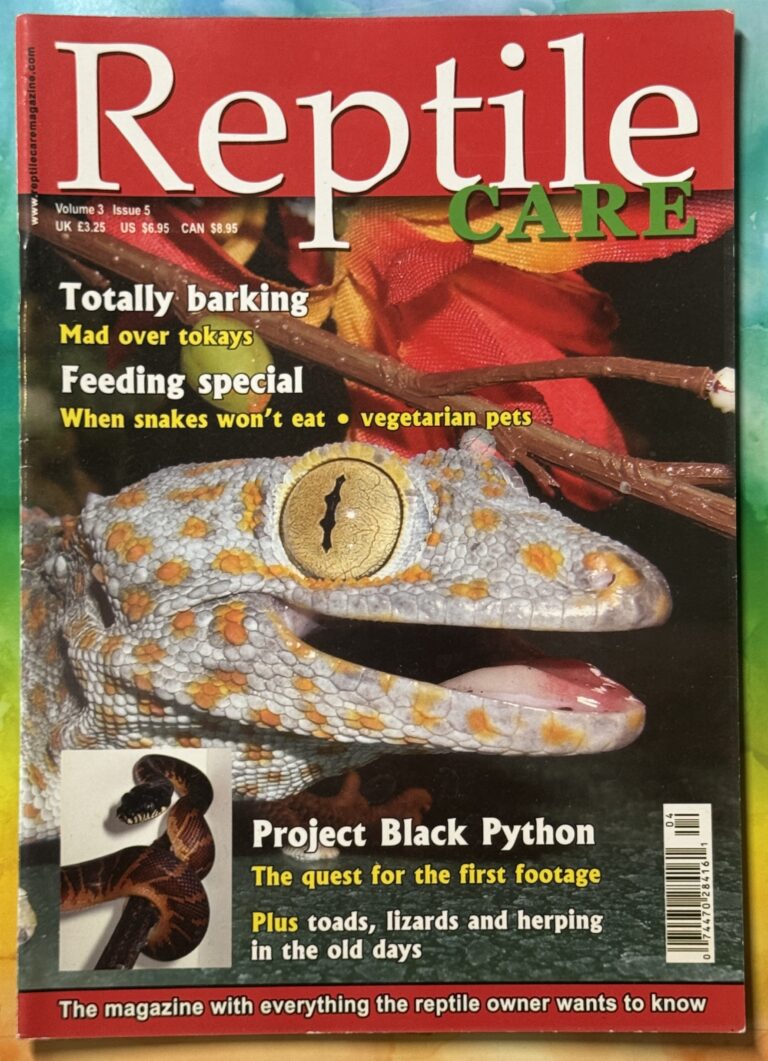
Snake related material is especially strong in the represented holdings. The covers and interior pages address royal pythons, common boas, blood pythons, diamond pythons, Honduran milk snakes, python husbandry, snake feeding, and behavioral enrichment. The interior article Snakes on the couch is particularly useful as a historical record of changing ideas about reptile welfare because it explicitly considers boredom, environmental complexity, exercise, hunting behavior and mental stimulation in captive snakes.
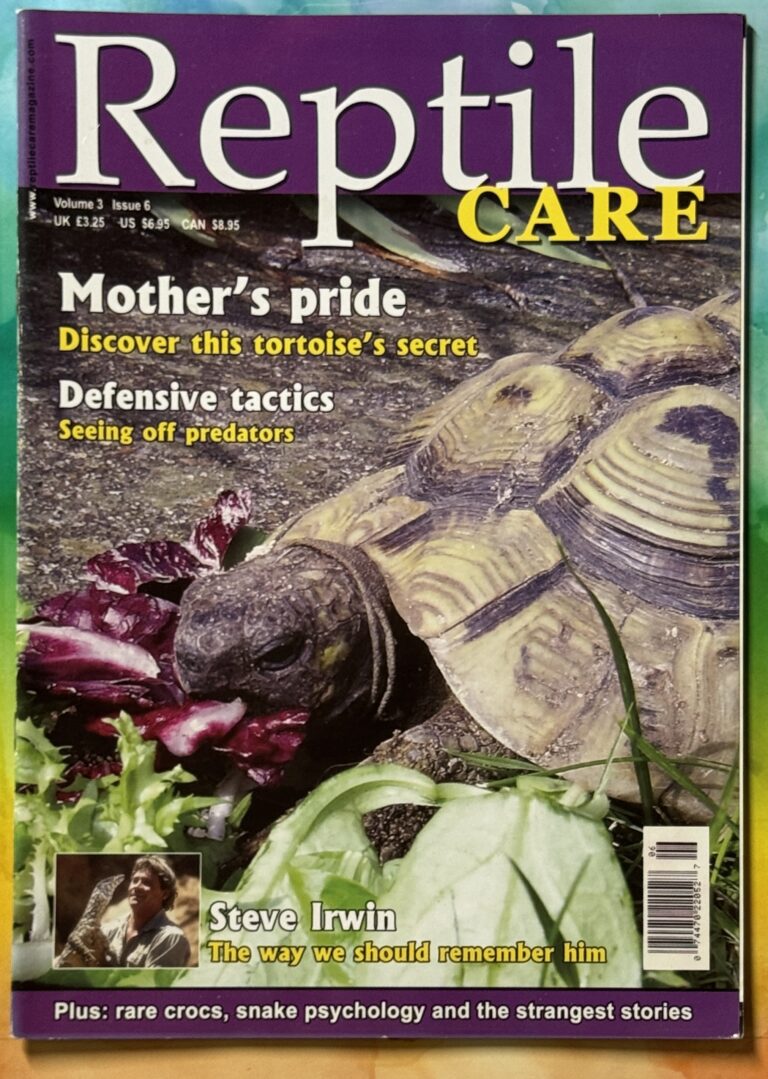
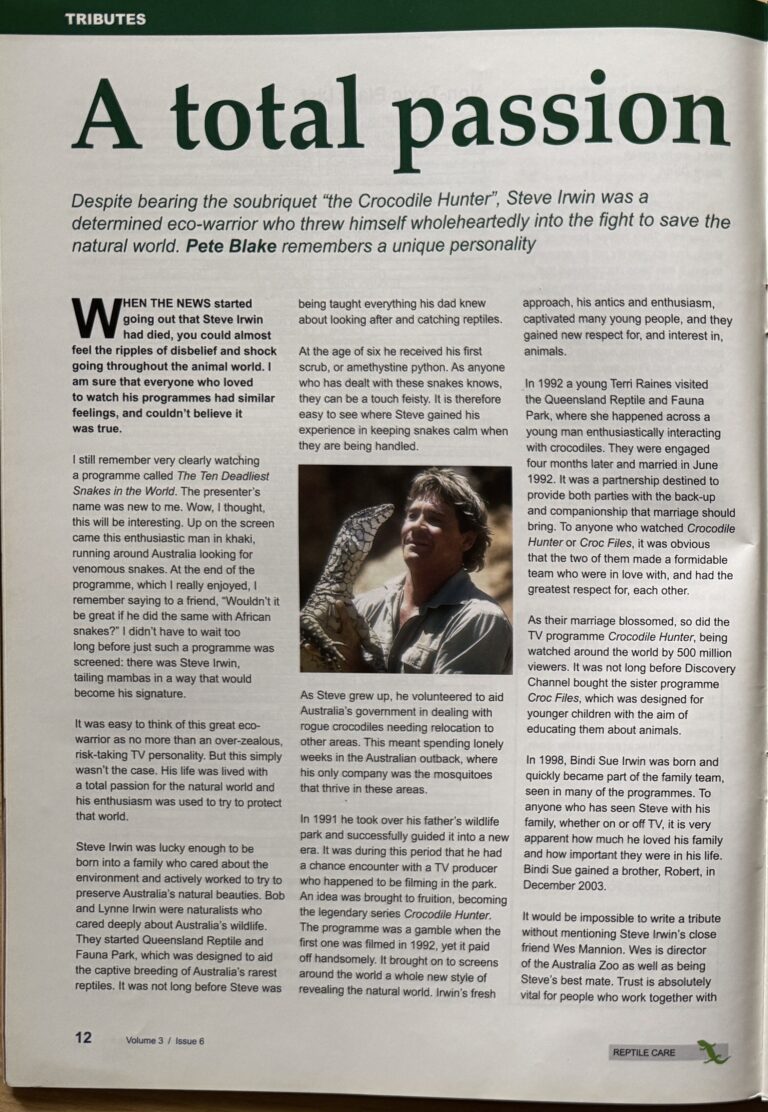
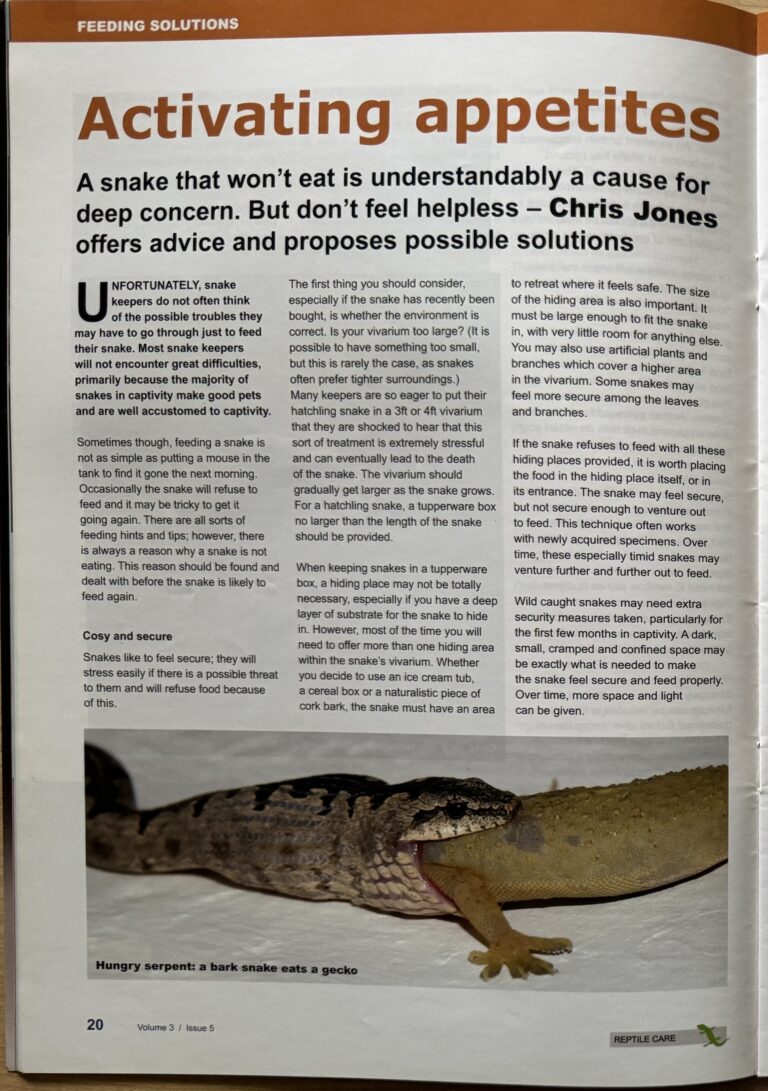
Two articles in the represented issues offer particularly valuable evidence of the publication’s editorial range. Chris Jones’s “Activating appetites” in Volume 3, Issue 5 documents contemporary approaches to feeding refusal, enclosure conditions, seasonal behavior, and keeper intervention. Volume 3, Issue 6 includes Pete Blake’s tribute to Steve Irwin following his death in 2006, illustrating how the magazine also preserved the reptile community’s response to the loss of a prominent conservation communicator.
The 2007 editorial “A new beginning” announces that the magazine has new owners and staff, accompanied by changes in its advisory panel, contributors, photography, and visual presentation. Comparison of mastheads identifies changes in the publishing company, publisher, and editor. At the same time, certain people and commercial contacts continued across the transition, documenting both institutional change and continuity.
The surviving issues also reveal inconsistent bibliographic practices. The earlier 2003–2005 sequence uses cumulative issue numbers without reliably stating volumes; the 2006 sequence uses Volume 3 with Issues 1–6; and the subsequent issue is labeled Volume 4, Issue 1. A competition notice printed in Volume 4, Issue 1 nevertheless refers to “Prize for Volume 3 Issue 8.” These inconsistencies make the original physical copies valuable evidence of the complexities of reconstructing this short-lived serial.
Magazine Research Record
Reptile World
Publication Identification
| Field | Information |
| Country | United Kingdom |
| Publisher | Marine World Publications Ltd.; renamed Valley Publishing Ltd. effective February 5, 2004 |
| Publisher address | Aero Mill, Kershaw Street, Church, Accrington, Lancashire, BB5 4JS |
| Magazine title | Reptile World |
| Publication status | Pending research update |
| Publication run | First issue September/October 2003. Exact final issue and full run: Pending research update |
| Editor | Liz Donlan |
| Printer | Nayler the Printer Ltd., Accrington, Lancashire |
| ISSN | Pending research update |
| Language | English |
| Publication type | Specialist reptile, amphibian and invertebrate keeping magazine |
| Publication frequency | Bimonthly |
| Collection coverage | Issues 1, 2, 3, 4 and 6 (2003–2004); Issue 5 not represented |
| Earliest issue represented | Issue No. 1, September/October 2003 |
| Latest issue represented | Issue No. 6, July/August 2004 |
| Years represented in the collection | 2003 and 2004 |
| Publisher / organization | Marine World Publications Ltd.; renamed Valley Publishing Ltd. effective February 5, 2004 |
| Editor / publisher | Liz Donlan |
| Frequency | Bimonthly |
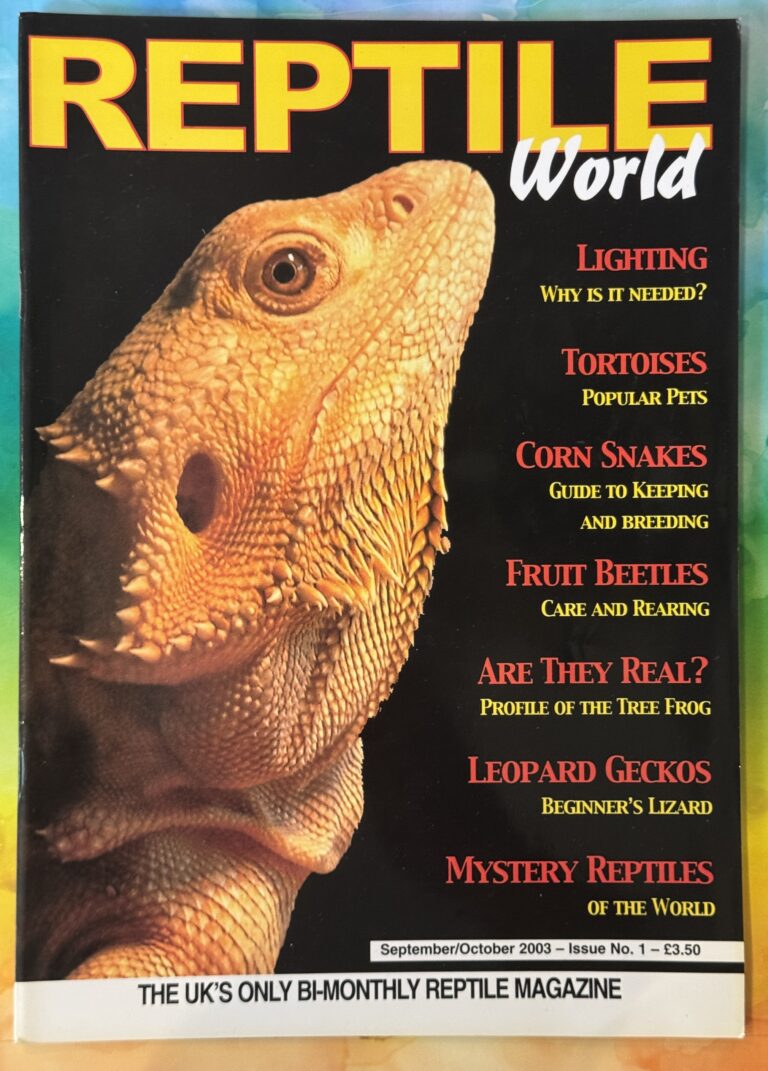
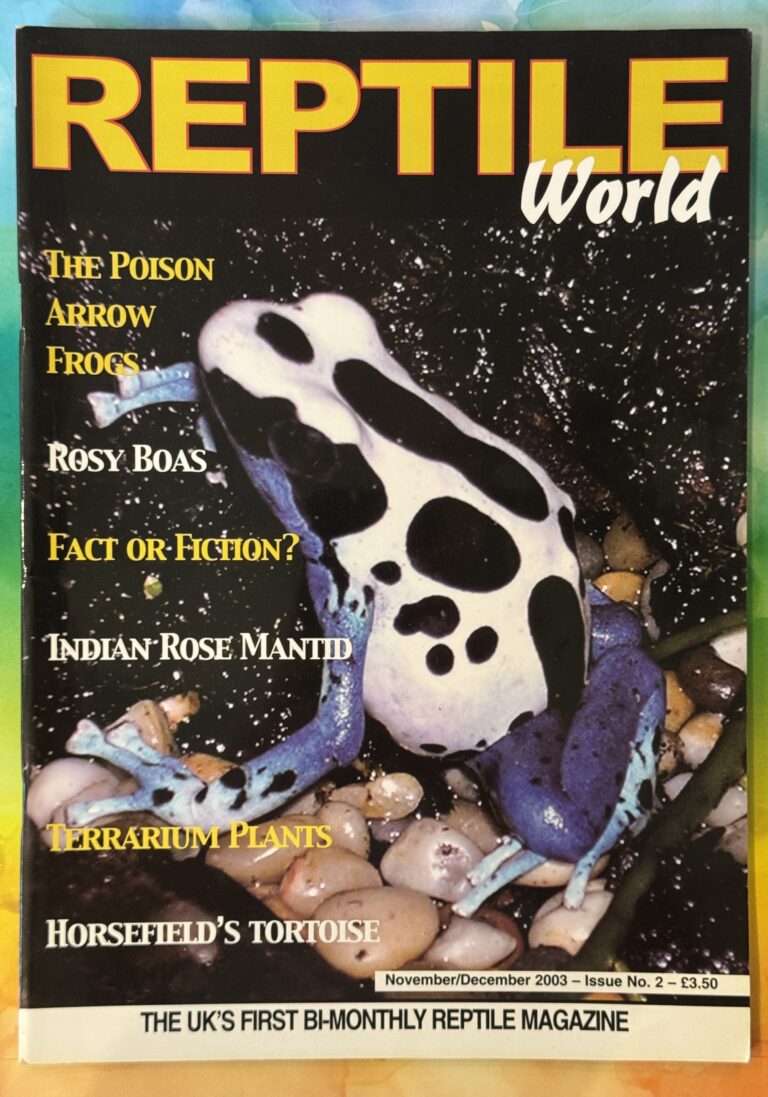
These magazines do not all feature snakes on the cover but the rarity necessitated preservation and sharing here.
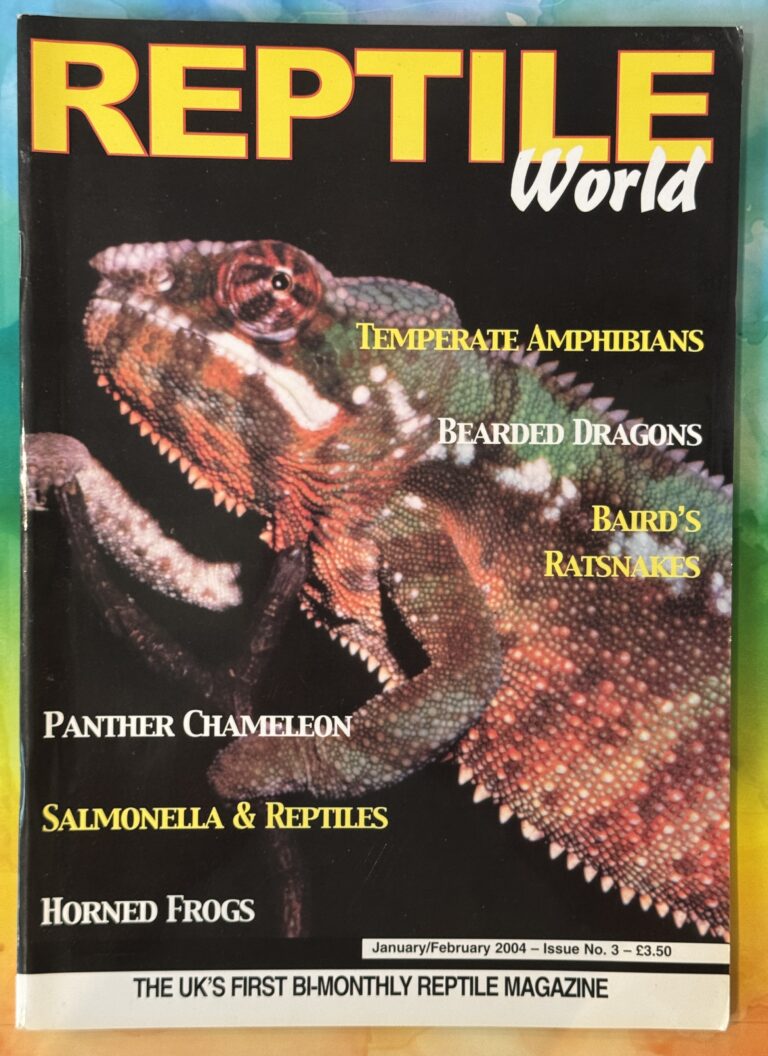
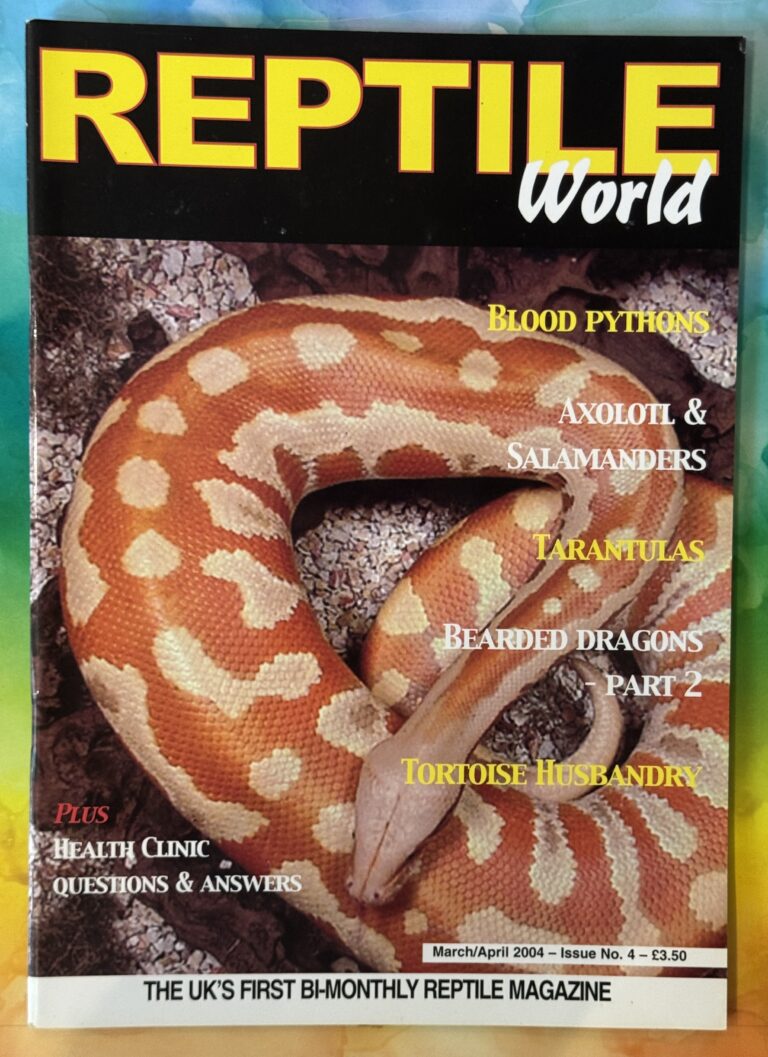
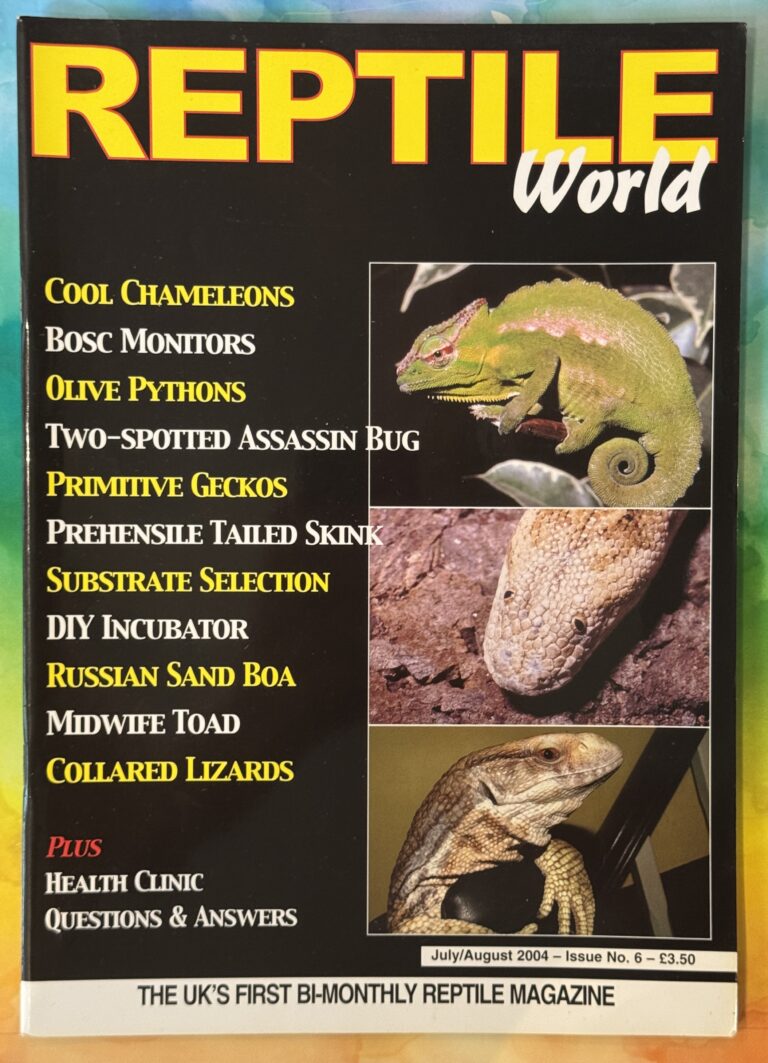
Preservation Significance
Reptile World has particular preservation significance because the collection begins with the premiere issue and preserves an almost consecutive record of the magazine’s first year. Issues 1 through 4 are present, followed by Issue 6, with only Issue 5 missing from the opening sequence. The surviving magazines document the publication as it was being created, introduced to readers and developed, rather than preserving only isolated issues from an established title. The first issue contains the publisher’s own account of how Reptile World began after Marine World Publications Ltd. identified demand for a regular reptile magazine in the United Kingdom. Later editorials record the response to the premiere issue, production delays, the development of regular features and contributors, changes in staffing, increasing subscriptions, problems with unpaid stockists and the financial pressures faced by a new specialist magazine. The March/April 2004 issue also documents the publisher’s change of name from Marine World Publications Ltd. to Valley Publishing Ltd. effective February 5, 2004, while retaining the same address, contact information and personnel. Together, these issues preserve a contemporary primary source record of the launch and early operation of a small British reptile periodical, including its editorial decisions, commercial challenges, readership, contributors, advertisers and relationship with the reptile keeping community. The physical magazines also preserve cover subjects and photographic credits, article topics, advertisements and husbandry information that provide a snapshot of British reptile keeping culture in 2003 and 2004.
Magazine Research Record
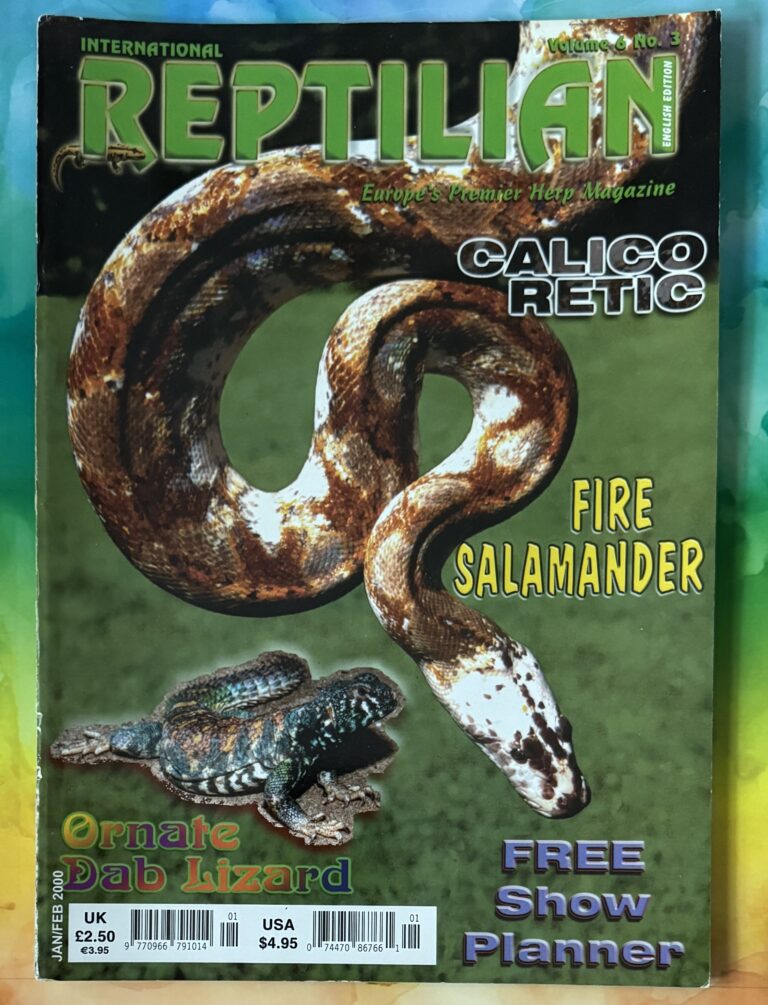
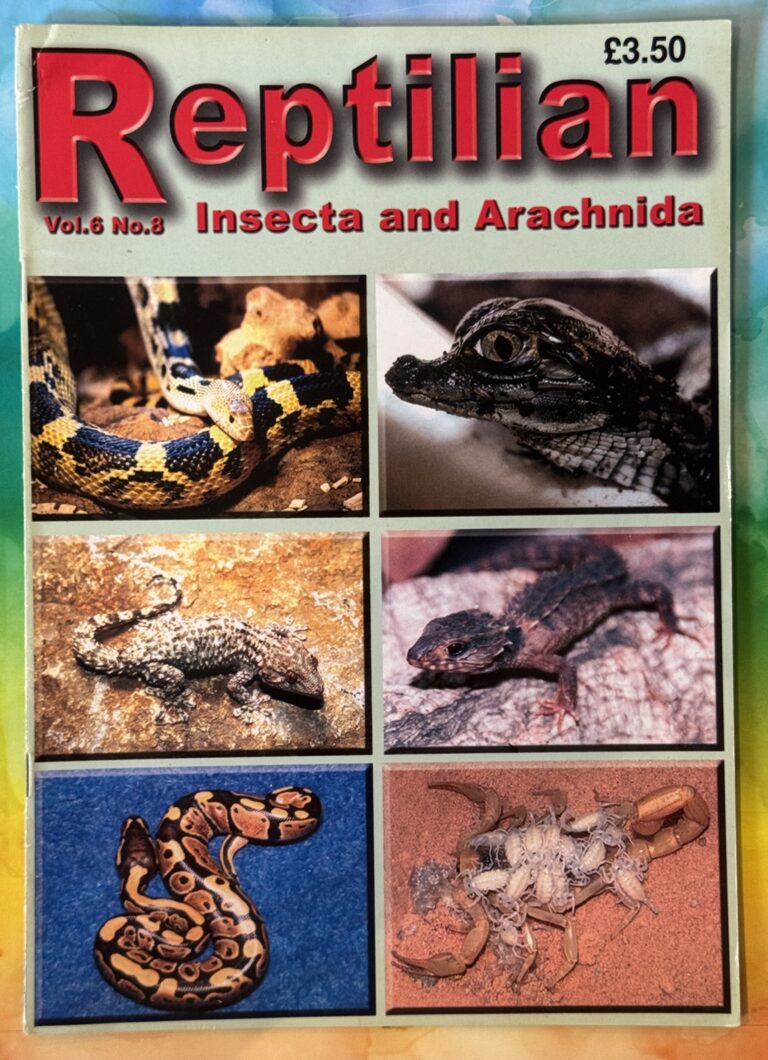
Reptilian
Publication Identification
| Field | Information |
| Country | United Kingdom |
| Publisher | Mantella Publishing |
| Publisher address | 22 Firs Close, Hazlemere, High Wycombe, Bucks HP15 7TF, England |
| Magazine title | The Reptilian |
| Publication status | Historical print title; apparently discontinued. No continuing publication verified. A 27 April 2001 subscriber report describes missed deliveries and an unavailable website, but does not establish a formal closure date. |
| Publication run | Documented issues span at least 1992 through 2000 (Volumes 1–6). Exact inaugural and final issue dates remain unverified. This documented span is not a claim that the complete publication run ended in 2000. |
| Editor | Tom Burgess |
| Printer | The Magazine Printing Company Limited, England, on the photographed mastheads |
| ISSN | 0966 7911 |
| Language | English |
| Publication type | Specialist reptile, amphibian, herpetology and terrarium magazine |
| Publication frequency | Pending research update |
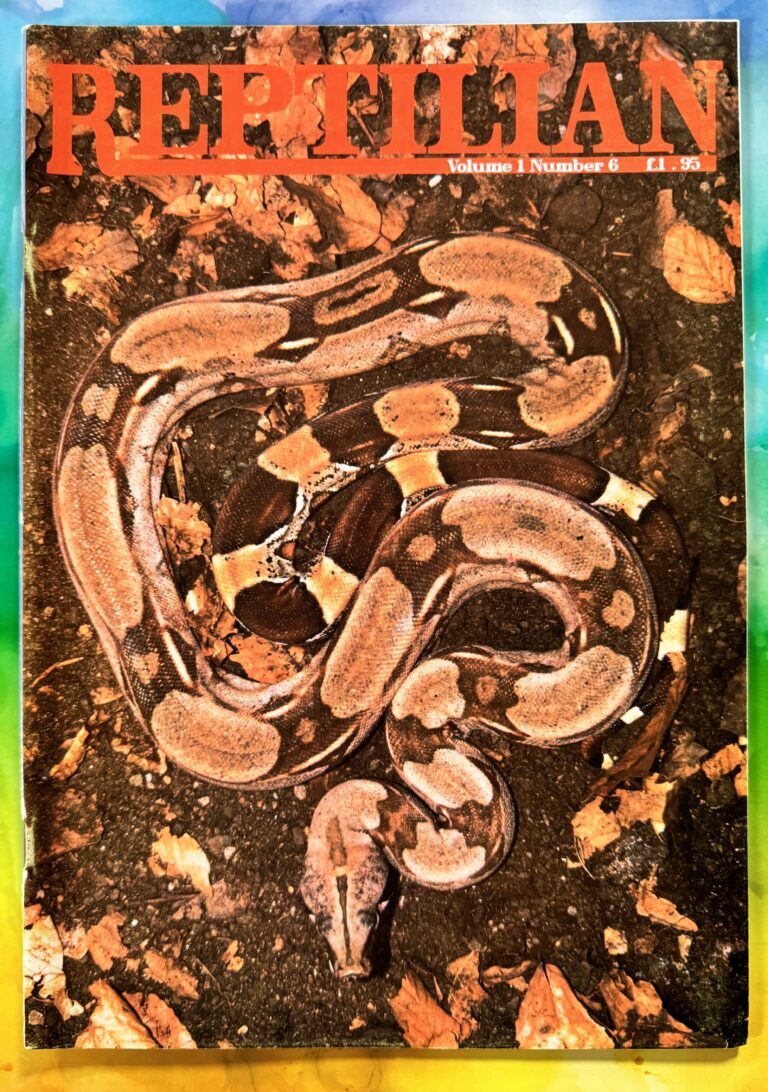
Preservation Significance
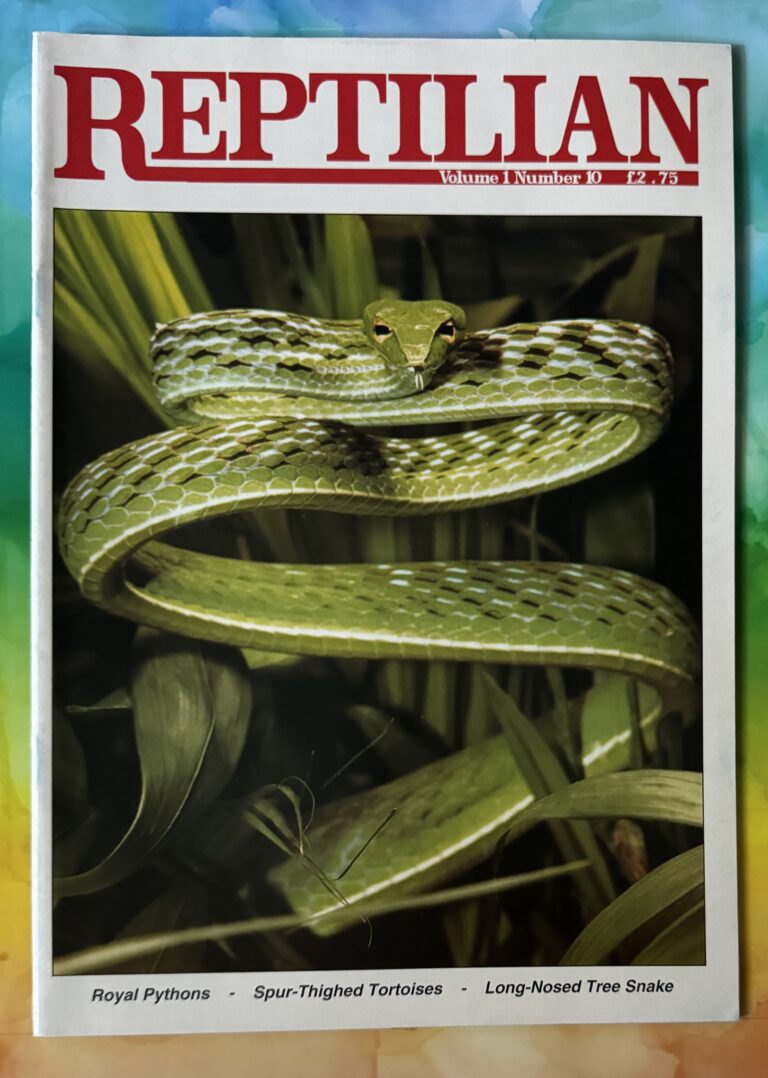
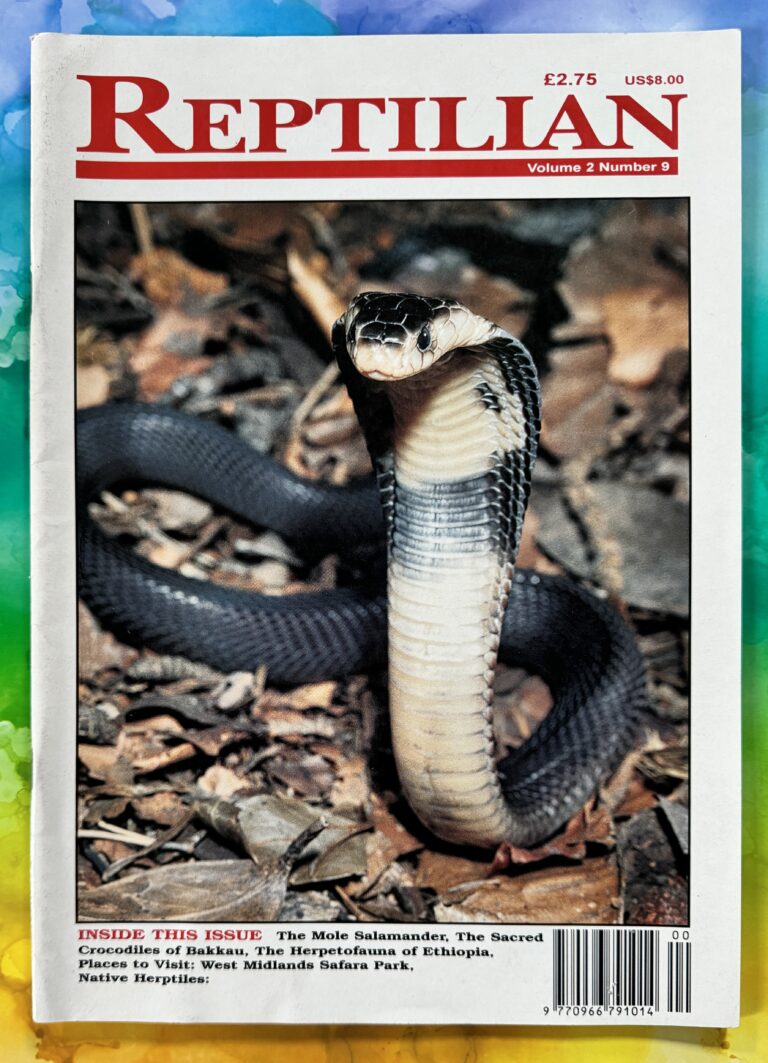
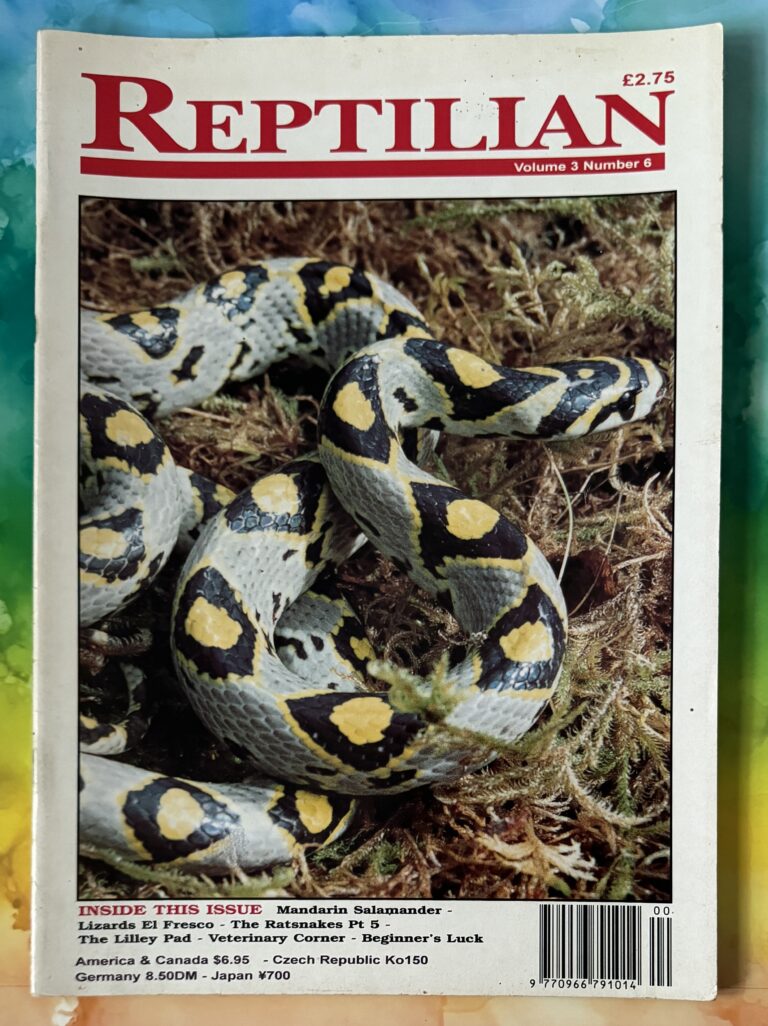
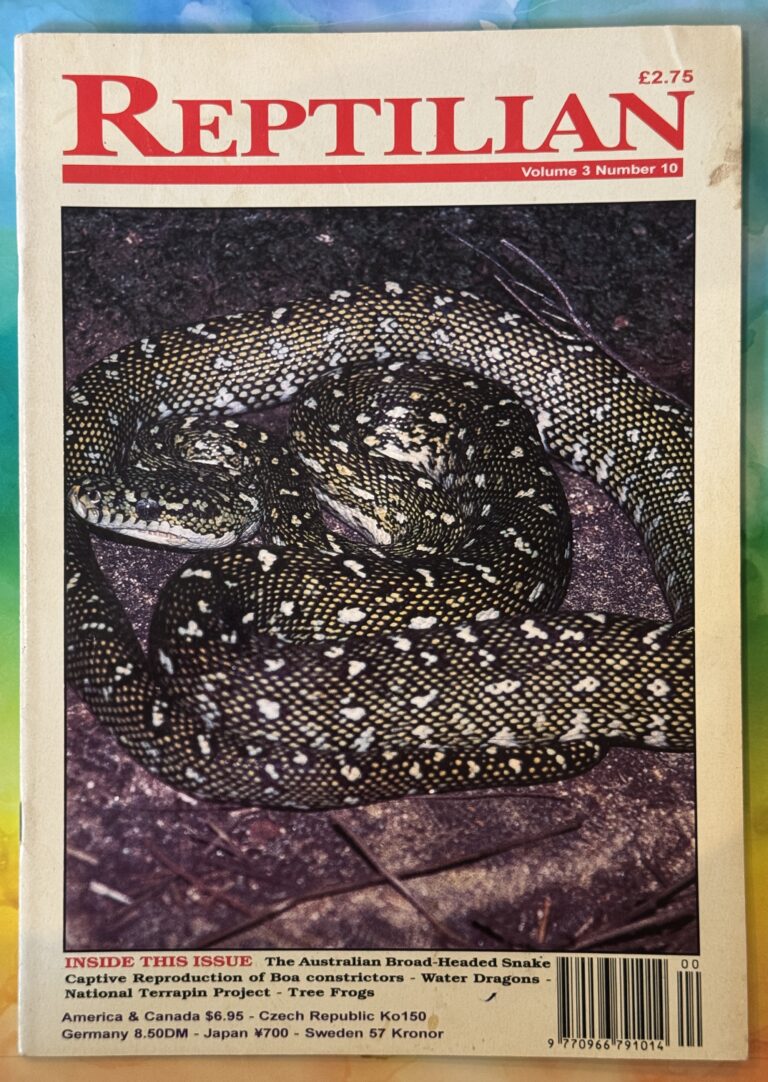
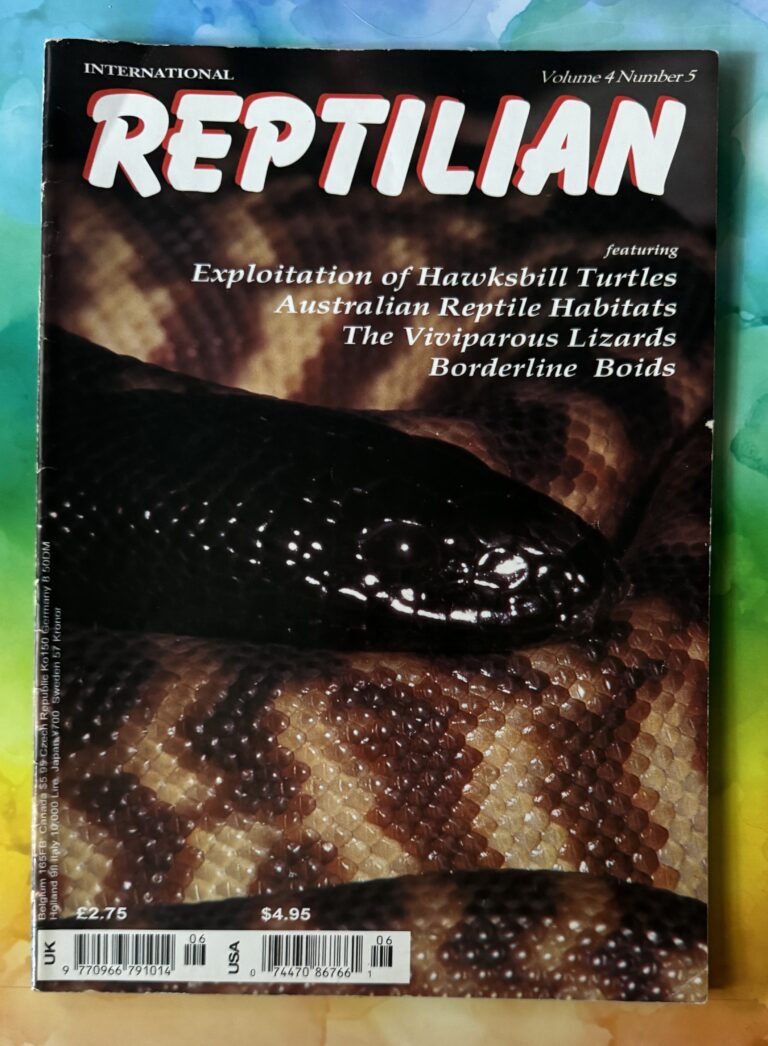
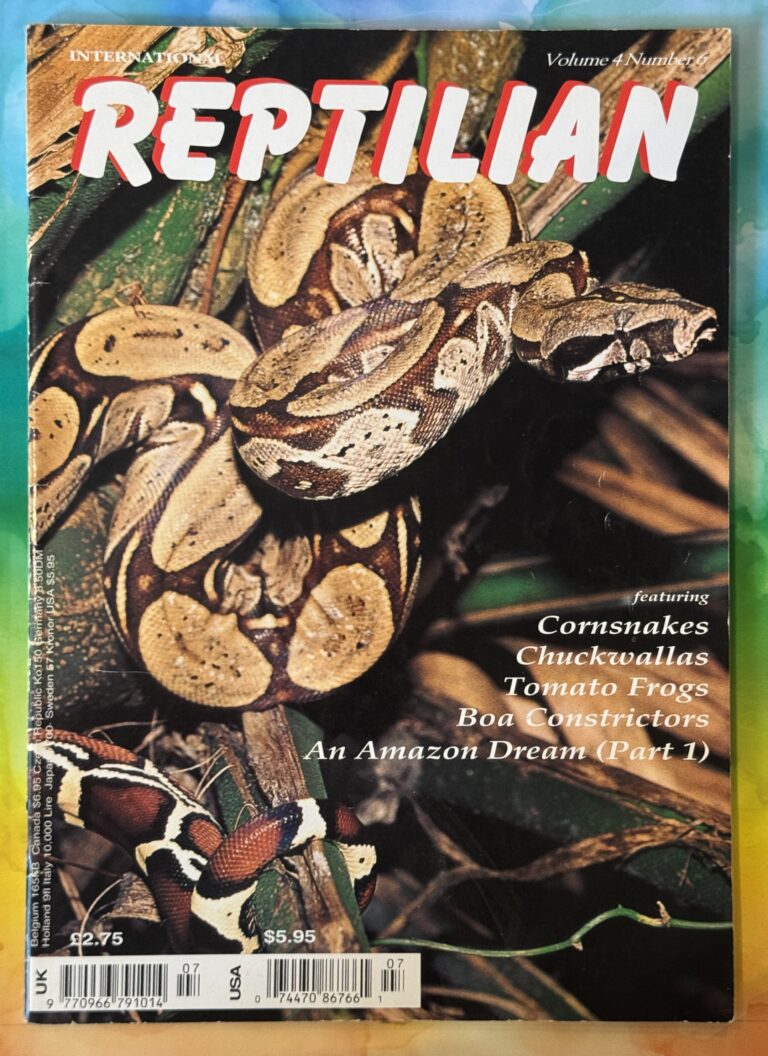
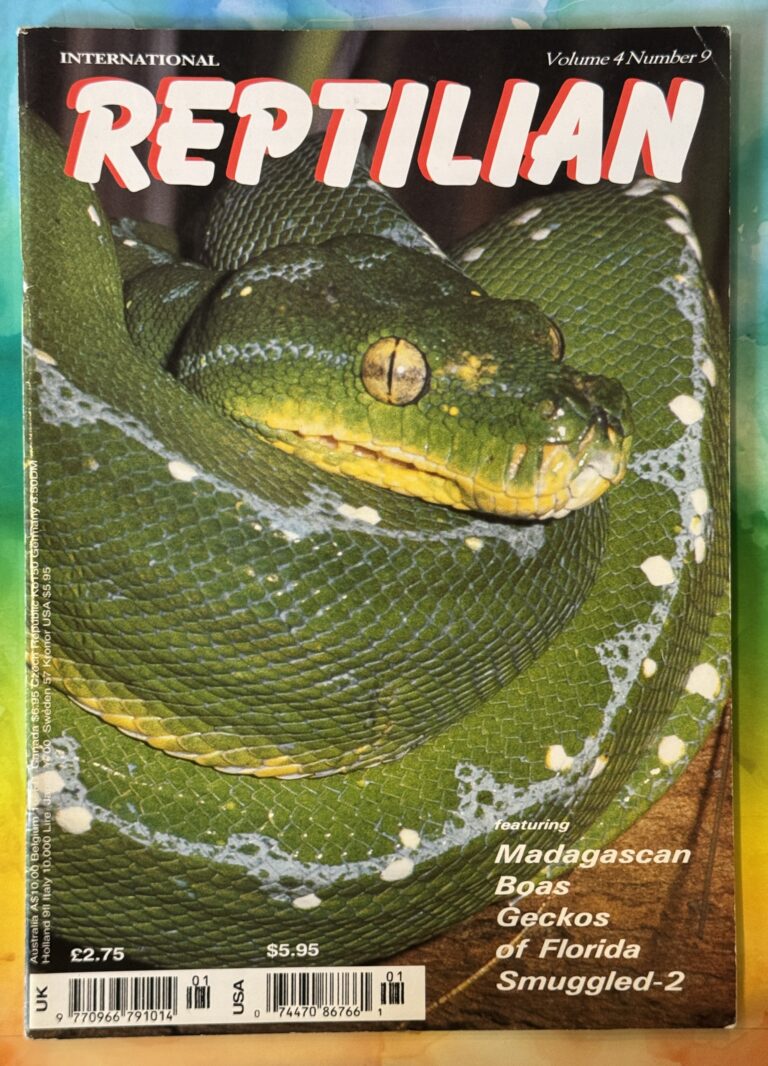
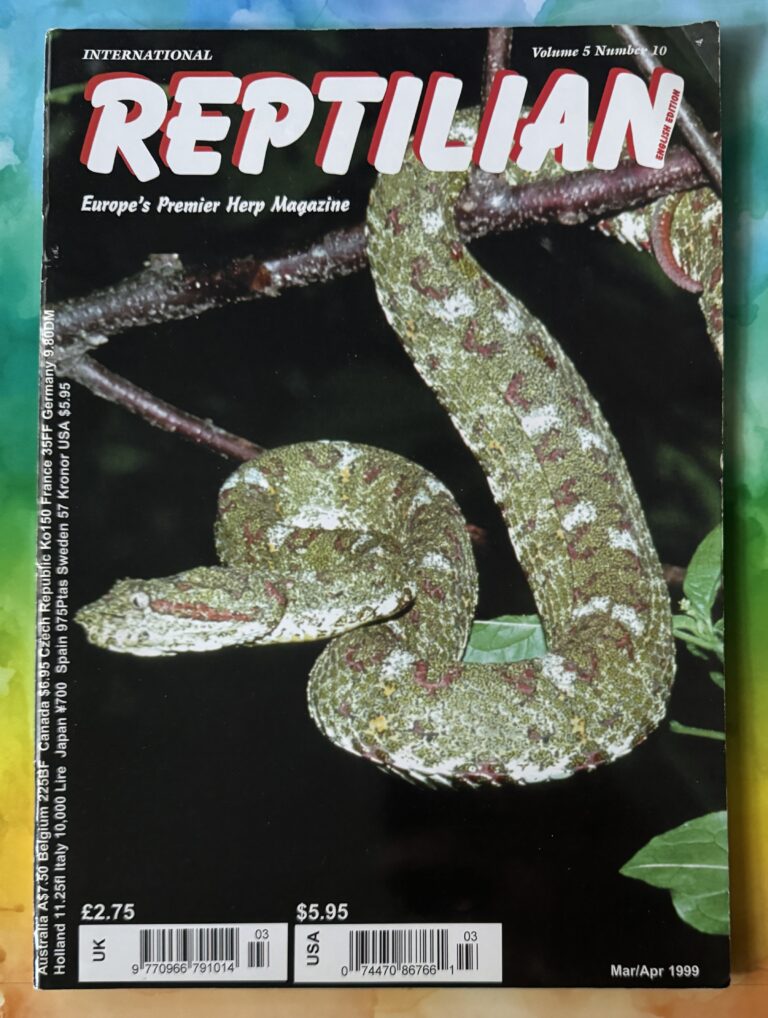
The Reptilian is significant within the preservation collection because the surviving run documents the development of a British specialist herpetological magazine across multiple volumes and changing visual identities. The collection includes Volume 1 and extends through photographed Volume 6 issues, allowing changes in cover design, international marketing, pricing, subject emphasis and distribution to be followed across much of the publication’s visible history.
The early issues preserve a period when specialist reptile information circulated primarily through printed magazines, specialist retailers and mail subscriptions. The subjects visible on the surviving covers include boas, pythons, cobras, tree snakes, cornsnakes, rattlesnakes, lizards, salamanders, tortoises, frogs, crocodilians, arachnids, captive reproduction, habitat, conservation and international herpetology. That range makes the run useful as a record of both animal keeping and broader herpetological interests during the 1990s and early 2000s.
The first volume is particularly important because it preserves the publication close to its beginning. Later volumes show that the magazine was not static. Its visual presentation, international branding, prices and cover language changed substantially while the underlying focus on reptiles, amphibians and related captive keeping subjects remained recognizable.
Magazine Research Record
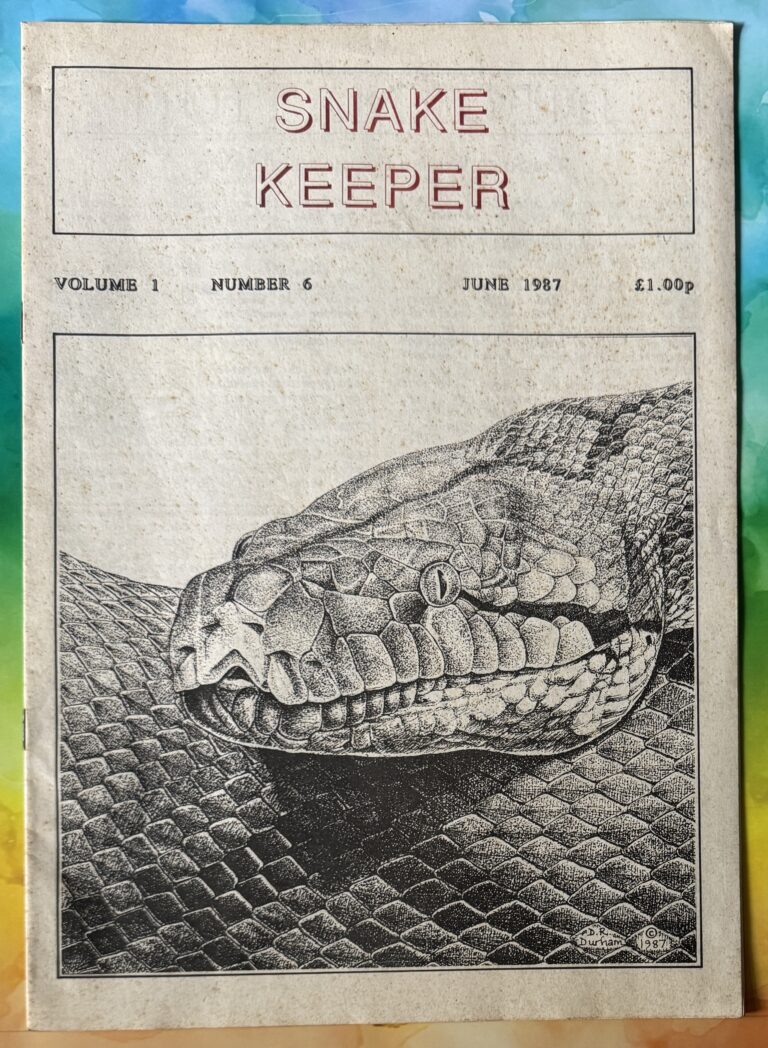
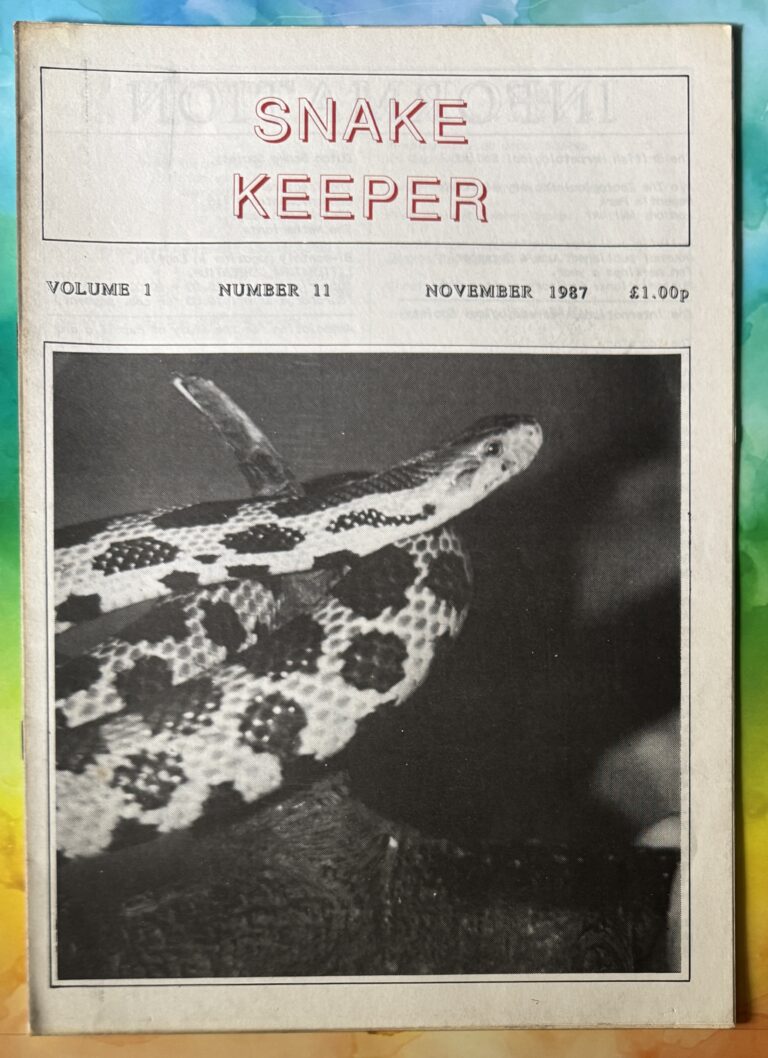
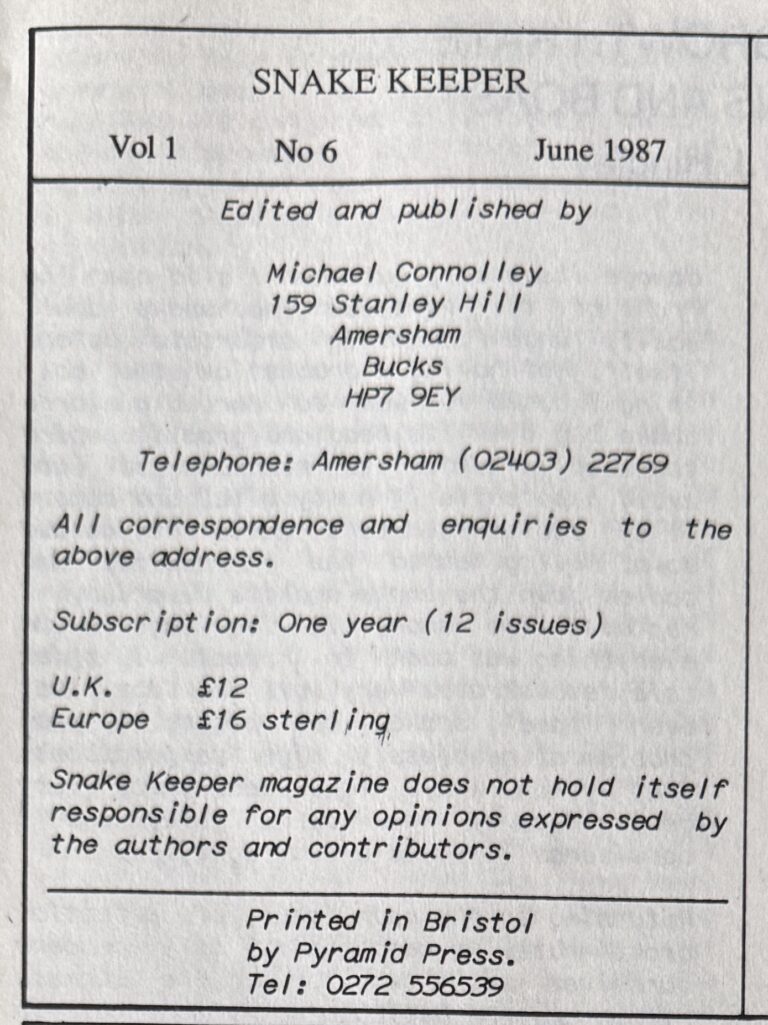
Snake Keeper (1987 -1988)
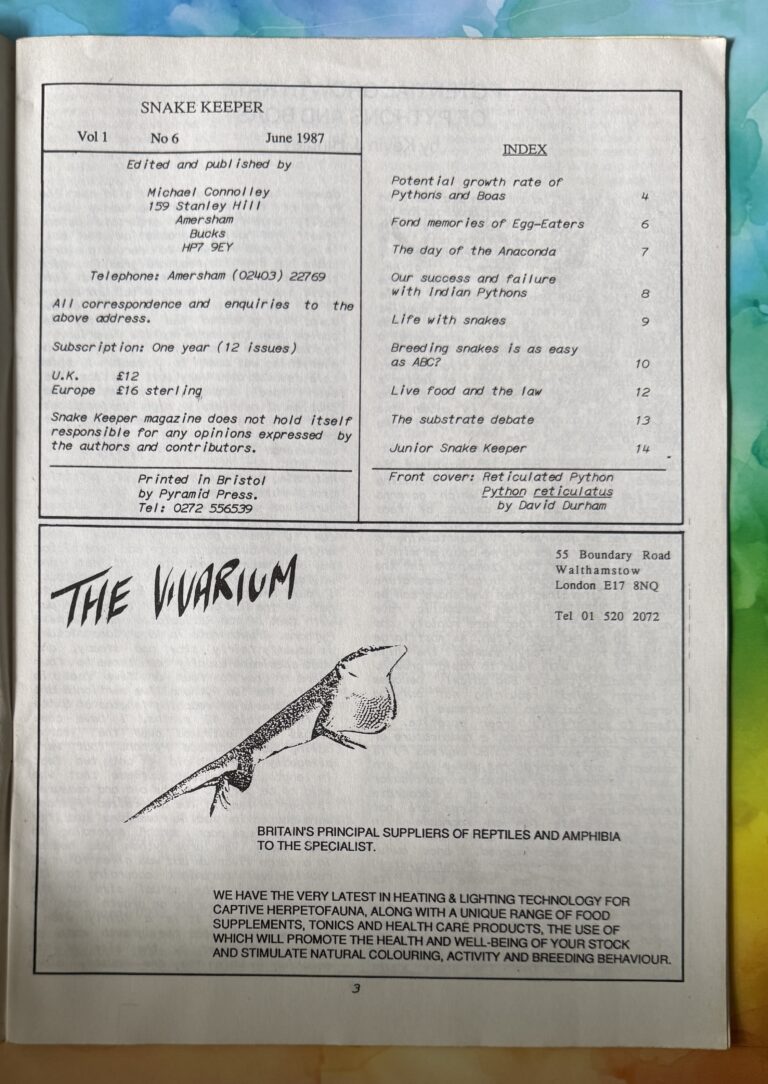
The earliest known UK publication for the consumer herpetologist.
Publication Identification
| Field | Information |
| Country | United Kingdom |
| Publisher | Michael Connolley |
| Publisher address | 159 Stanley Hill, Amersham, Bucks HP7 9EY |
| Magazine title | Snake Keeper |
| Publication status | Historical publication; final publication status: Pending research update |
| Publication run | Documented from January 1987 through at least 1989; final issue: Pending research update |
| Editor | Michael Connolley |
| Printer | Pyramid Press, Bristol, England |
| ISSN | Pending research update |
| Language | English |
| Publication type | Specialist snake keeping, husbandry, breeding and herpetology magazine |
| Publication frequency | Monthly; 12 issues per year |
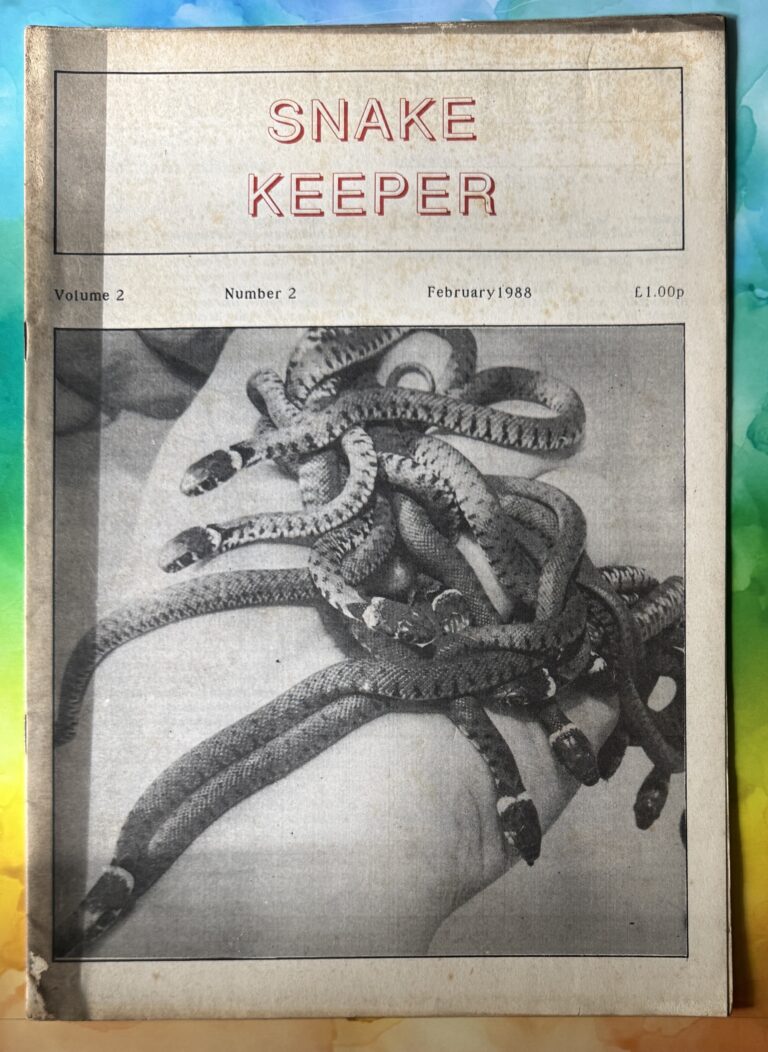
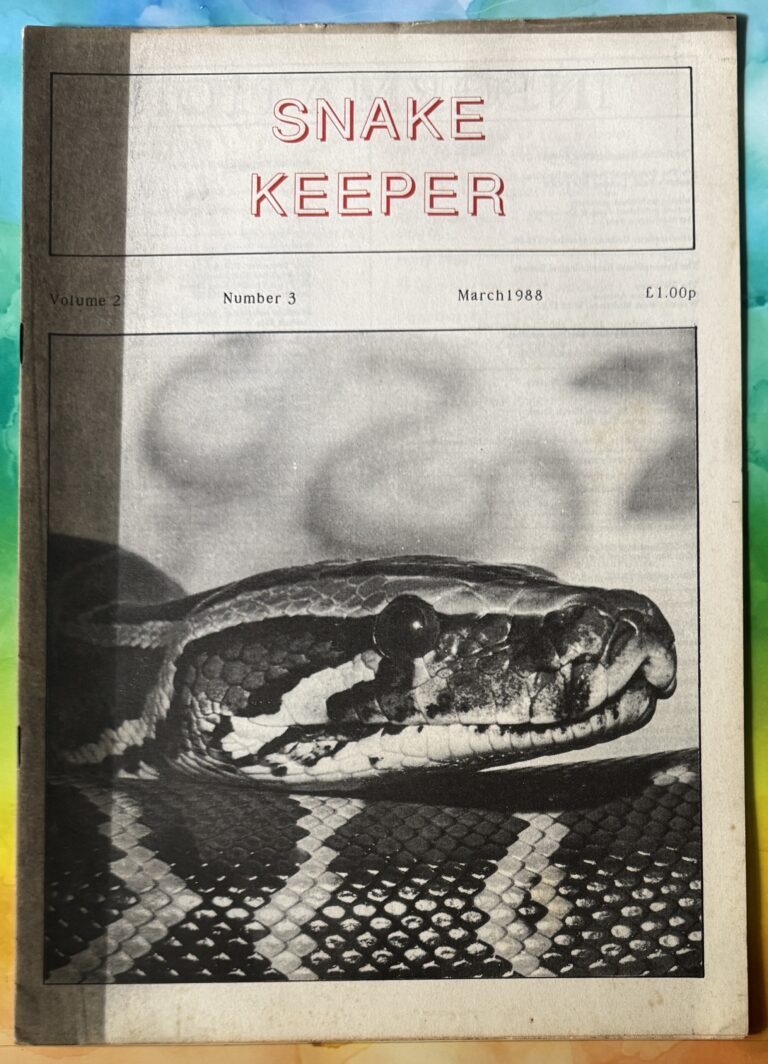
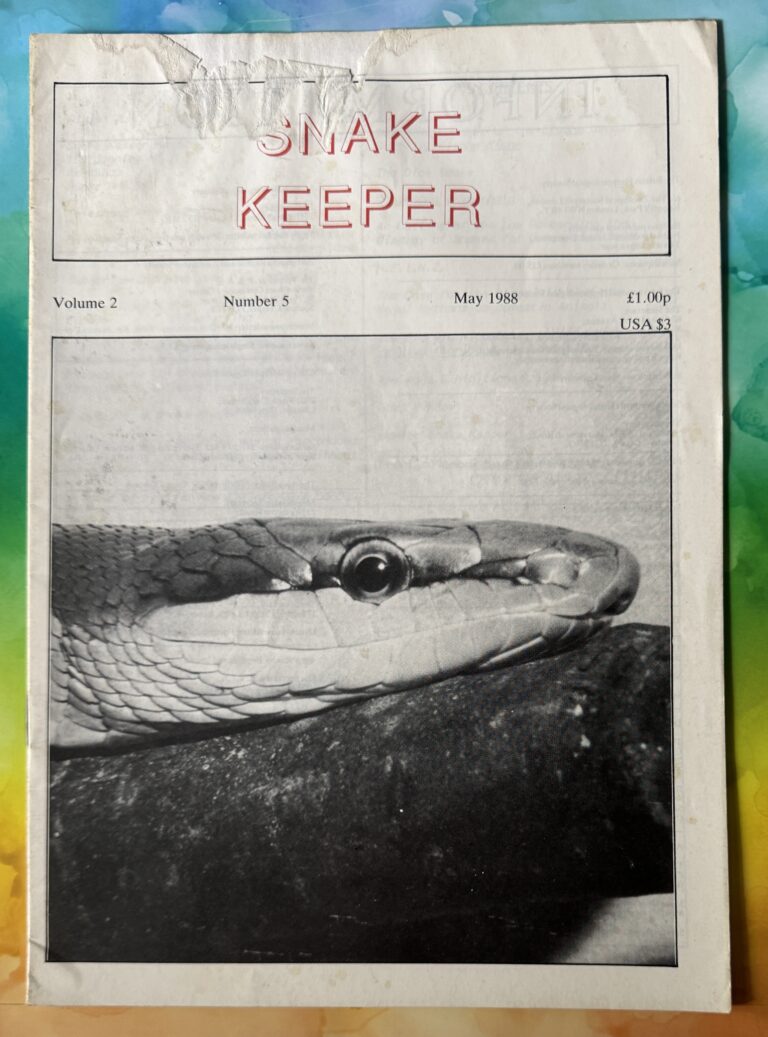
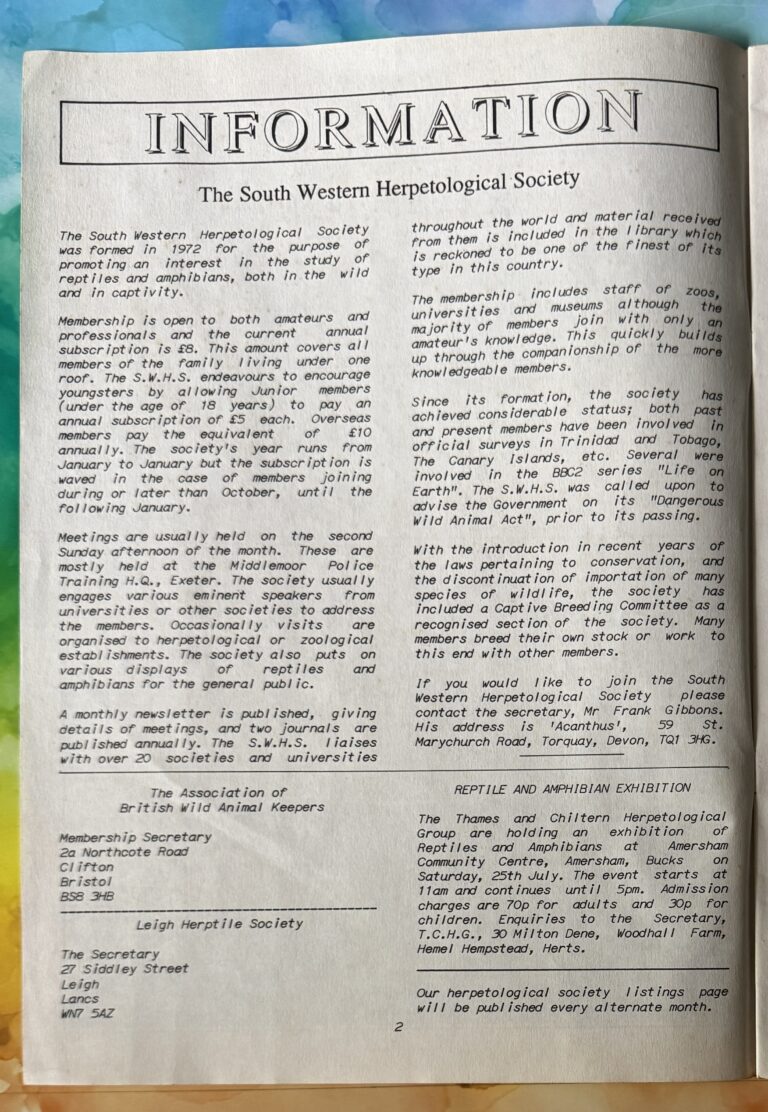
Preservation Significance
I was not able to find much. I don’t want to say not much is known but I will say, not much is publicly available.
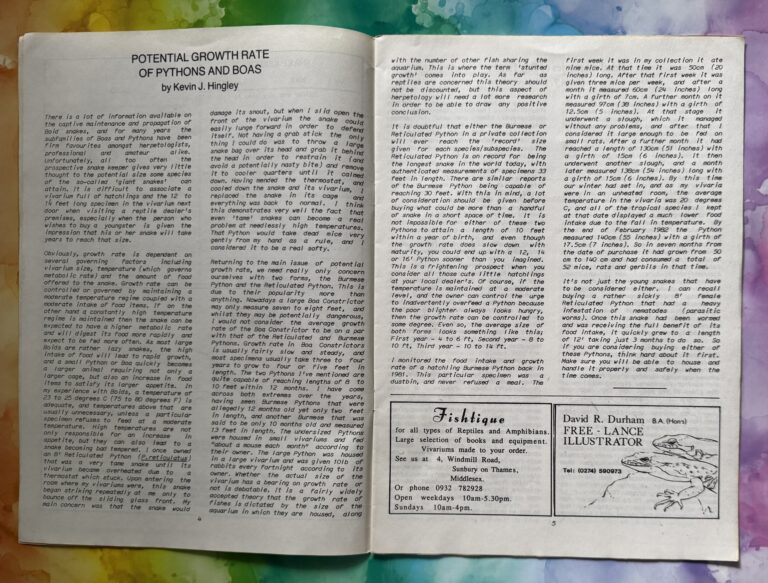
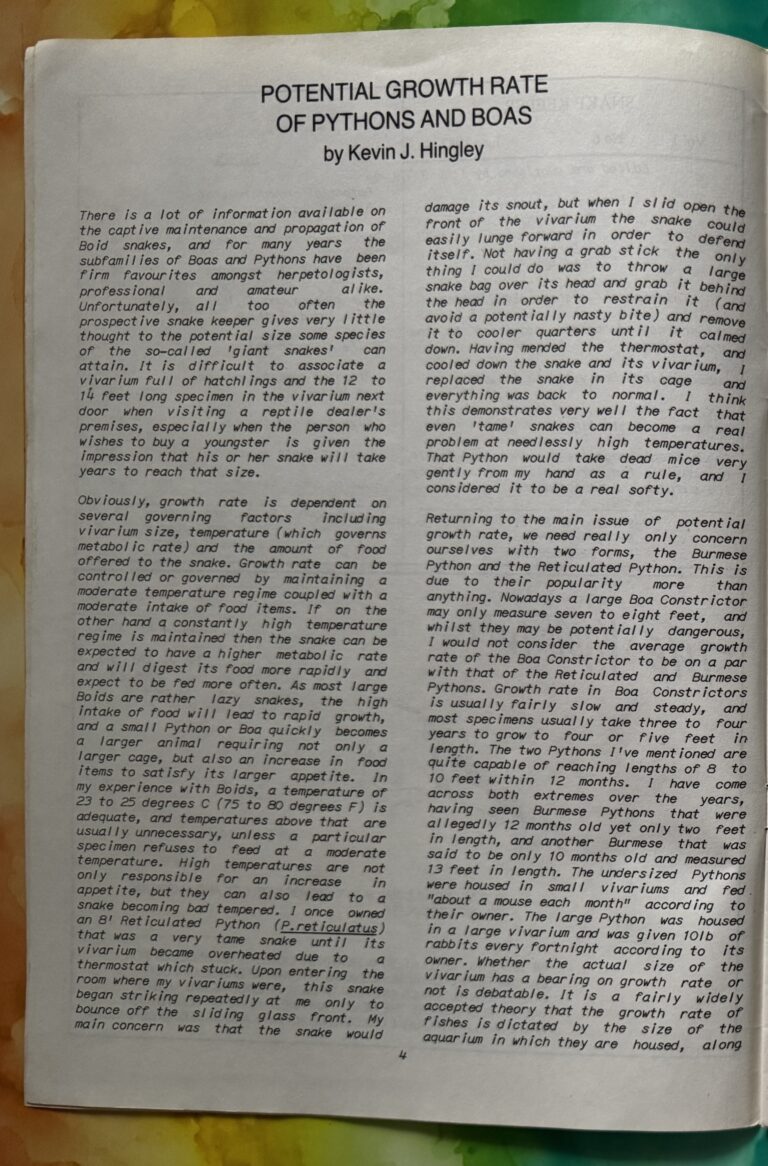
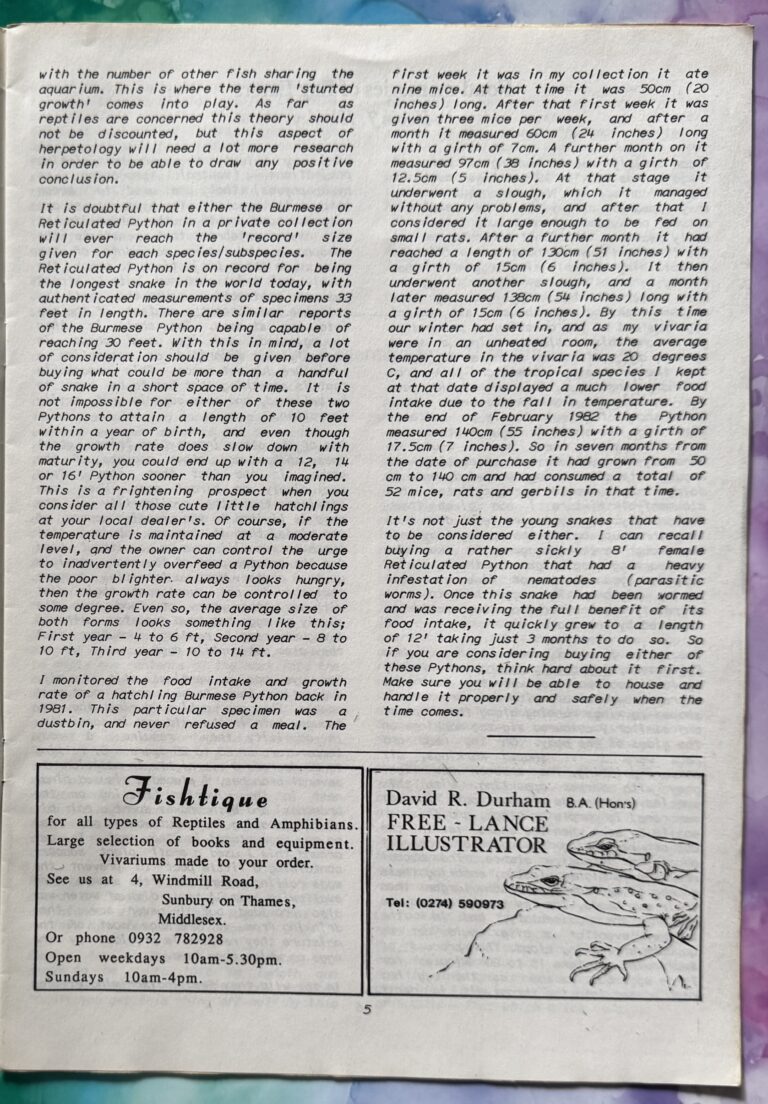
Snake Keeper has preservation significance as a scarce British specialist magazine devoted to snake keeping, captive husbandry, breeding and herpetology. The physical issues preserve primary source evidence for a publication about which relatively little information survives online, including publisher and printer information, subscription details, issue numbering, cover prices, article contents and artwork credits. The surviving numbering also helps reconstruct the publication sequence, while independent bibliographic references show that the magazine continued beyond the 1987 and 1988 issues represented in the collection and into at least 1989. Preserving these copies therefore retains both specialist husbandry material and bibliographic evidence that may otherwise be difficult to reconstruct.
Magazine Research Record
United States
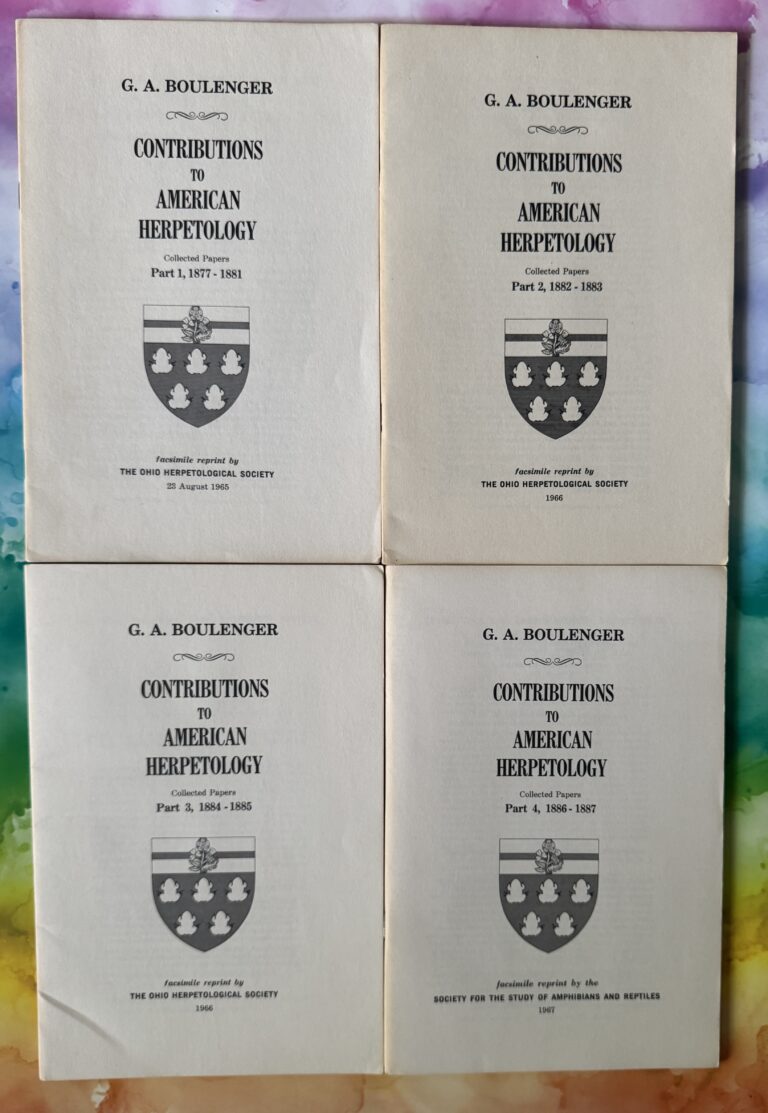
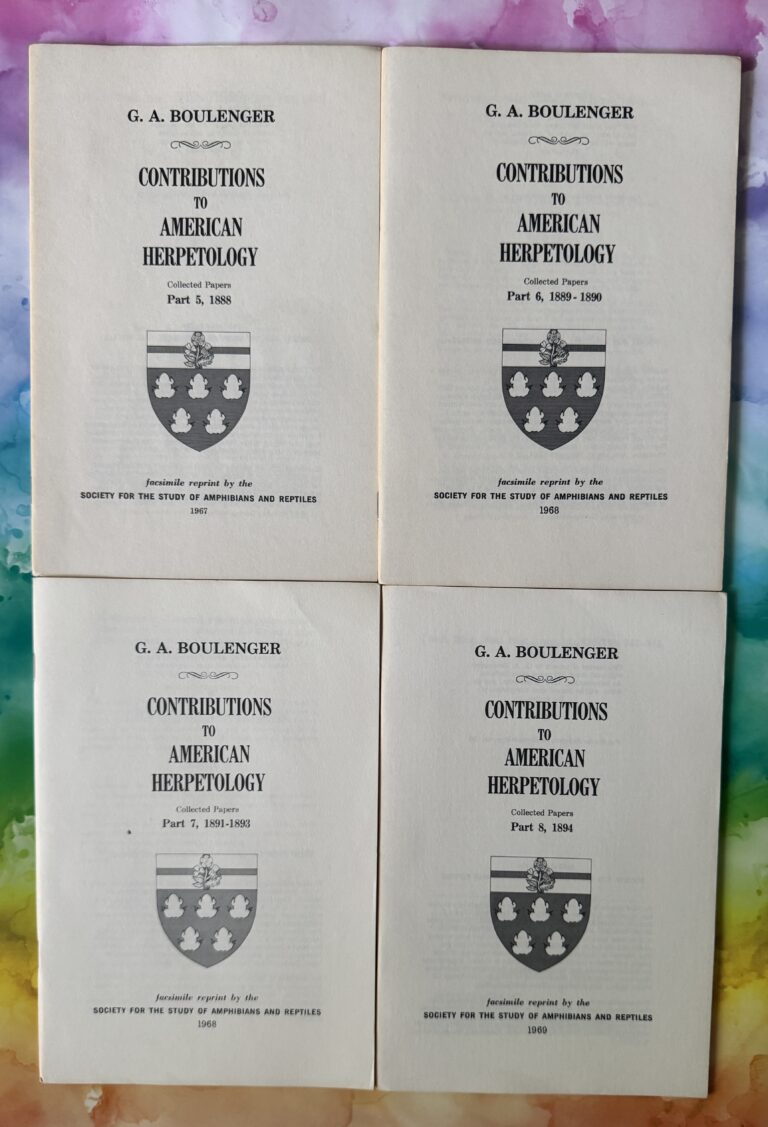
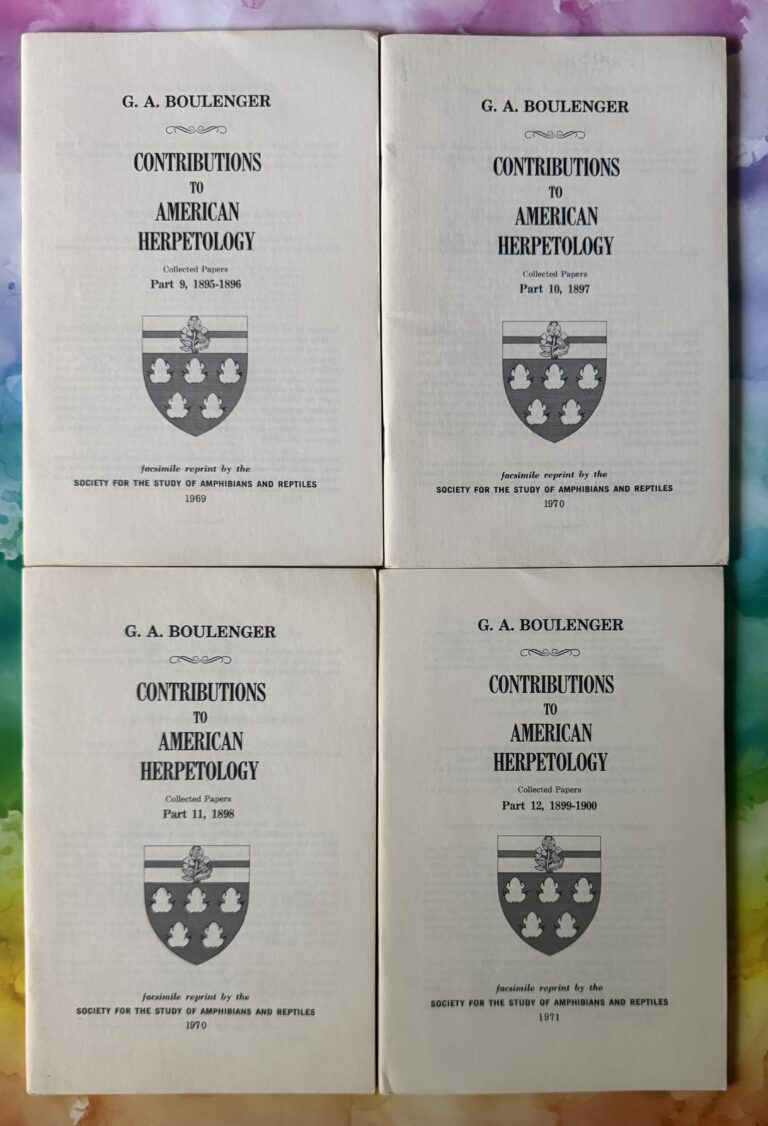
Boulenger Contributions to American Herpetology
(G. A. Boulenger: Contributions to American Herpetology)
Complete facsimile reprint set represented by the photographed physical copies.
Publication Identification
| Field | Information |
| Country | United States |
| Publication title | Contributions to American Herpetology |
| Years represented in the collection | Facsimile reprints 1965–1977; original papers represented 1877–1920 |
| Publisher(s) | The Ohio Herpetological Society; Society for the Study of Amphibians and Reptiles (SSAR) |
| Frequency | Irregular: facsimile reprint series |
| Publisher address | Pending research update |
| Publication status | Completed facsimile reprint project represented by Parts 1–18 and supplementary finding aids |
| Publication run | Facsimile reprints 1965–1977; original papers 1877–1920 |
| Editor | Pending research update |
| Printer | Pending research update |
| ISBN / ISSN | Pending research update |
| Language | English |
| Publication type | Facsimile reprint series of collected herpetological papers |
Preservation Significance
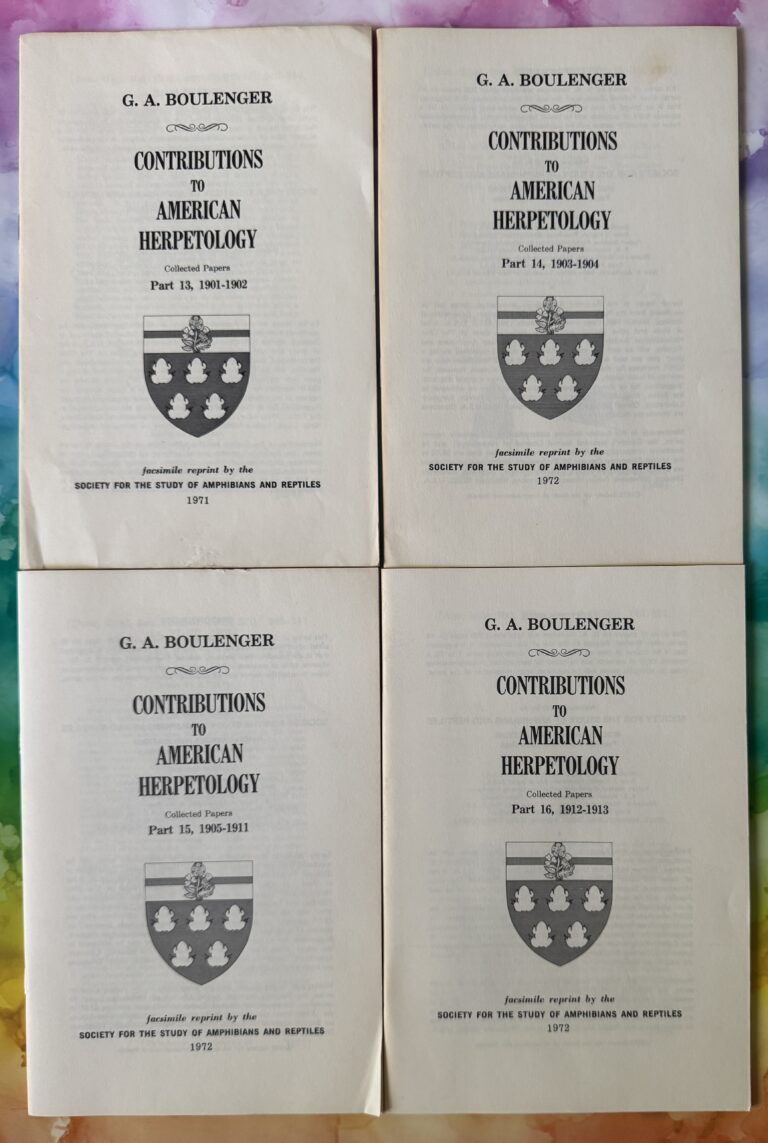
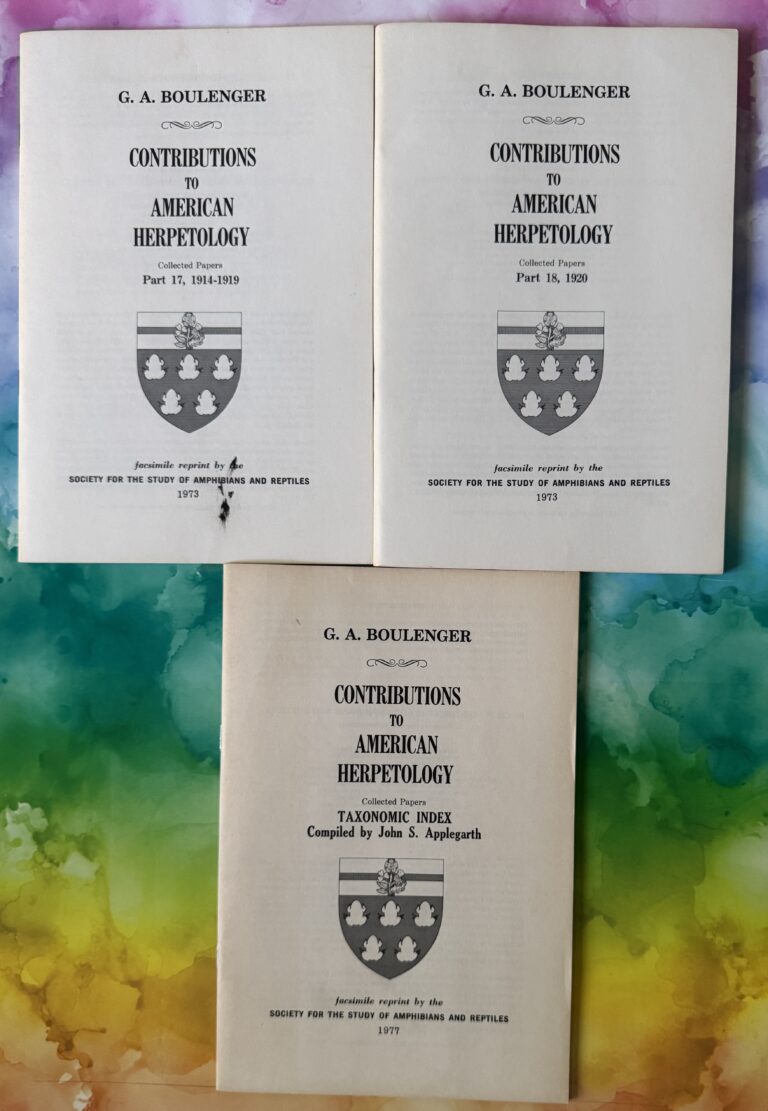
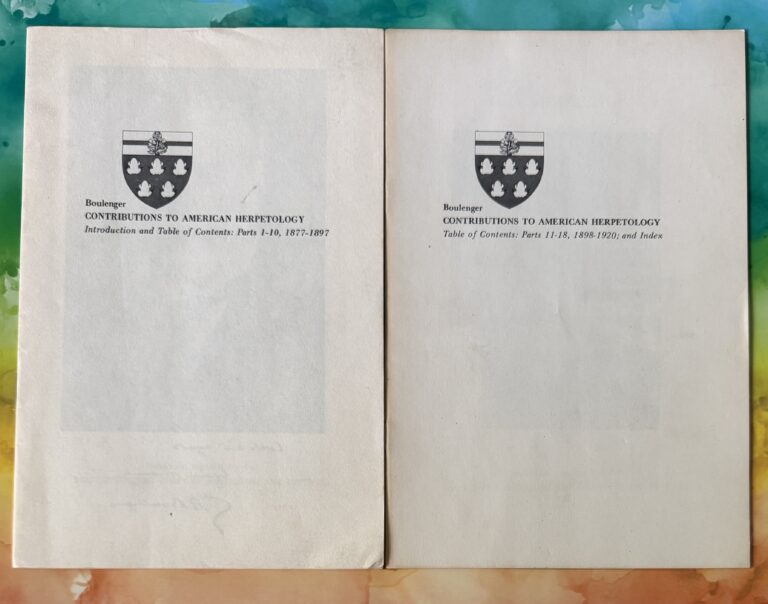
This collection has substantial preservation significance because it retains the complete physical facsimile sequence of Parts 1 through 18, together with the introductory and table of contents material and the separate Taxonomic Index. The reprints preserve access to George Albert Boulenger’s American herpetology papers originally published from 1877 through 1920, while the physical booklets themselves document a second period of preservation work carried out from 1965 through 1977 by The Ohio Herpetological Society and the Society for the Study of Amphibians and Reptiles. As a complete sequence, the collection therefore preserves two layers of herpetological history: Boulenger’s original scientific work and the later institutional effort to gather, reproduce, organize, and keep that work accessible. Retaining the individual parts and their supplementary finding aids also preserves the original structure of the facsimile project, including the transition between the two reprinting organizations, rather than reducing the material to later bound or digital bibliographic records.
Magazine Research Record
Breeding Snakes in Captivity
Publication Identification
| Field | Information |
| Country | United States |
| Publisher | Palmetto Publishing Co. (some bibliographic records also associate Arco Publishing, New York, with the 1976 edition) |
| Publisher address | St. Petersburg, Florida, USA. Street address: Pending research update |
| Magazine title | Breeding Snakes in Captivity (book in Pet Reference Series) |
| Publication status | Book; not an ongoing periodical |
| Publication run | 1976 edition; later 1989 Nimrod Press Ltd. edition or reissue documented |
| Editor | Pending research update |
| Printer | Pending research update |
| ISSN | Not applicable: book (ISBN 0-915096-01-3) |
| Language | English |
| Publication type | Paperback book, Pet Reference Series No. 3 |
| Publication frequency | Not applicable: book |
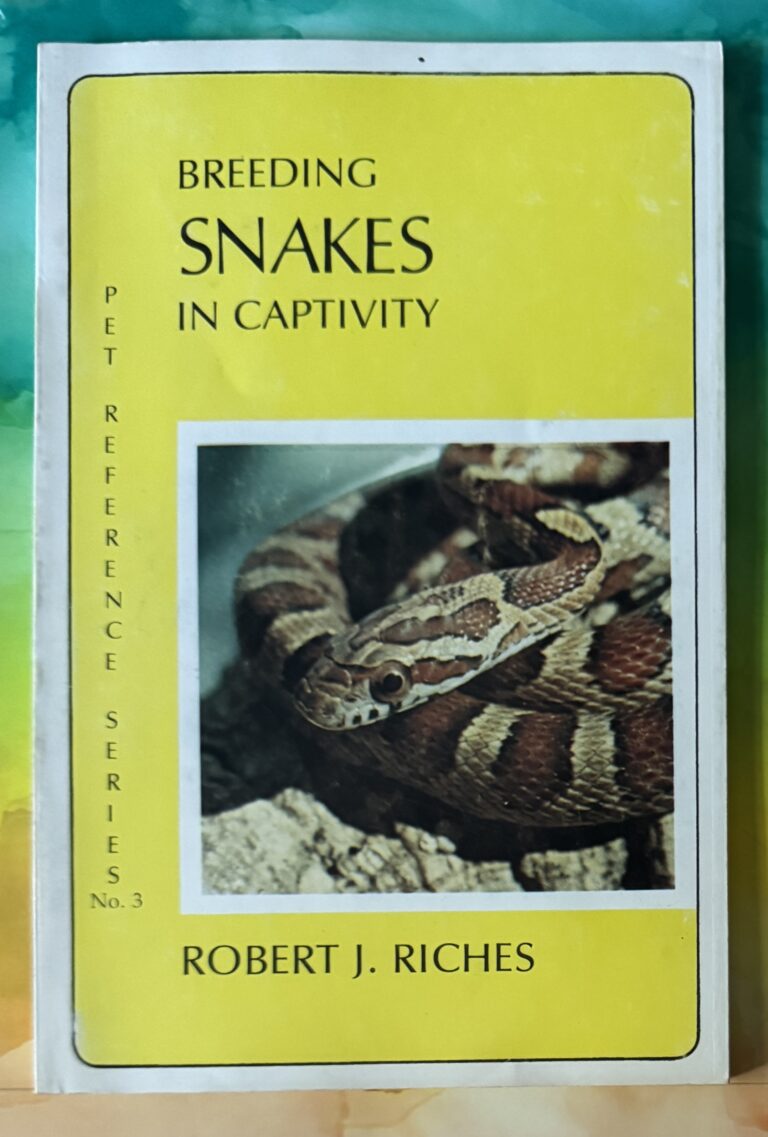
I published this here. Technically it is a book but this paperback is part of a Pet Reference Series. It reads like a magazine focused on a single subject. It didn’t seem right to put it with the books.
Preservation Significance
Breeding Snakes in Captivity has preservation significance as an early practical record of captive snake breeding and husbandry from a period when successful reproduction of many snake species in private and zoological collections was still developing into a more established body of knowledge. Published in 1976, the book is associated with Robert “Bob” Riches, who has been described by another herpetoculturist as one of the early British pioneers of captive snake breeding and whose work influenced later keepers. Preserving this physical edition retains not only the husbandry information available to snake keepers of the period, but also evidence of how captive breeding knowledge was being organized and shared before modern reptile publications, online care resources, and today’s extensive herpetocultural information networks. The differing publisher records associated with the 1976 edition and the existence of a later 1989 reissue also make the physical copy useful bibliographic evidence for documenting the publication history accurately.
Magazine Research Record
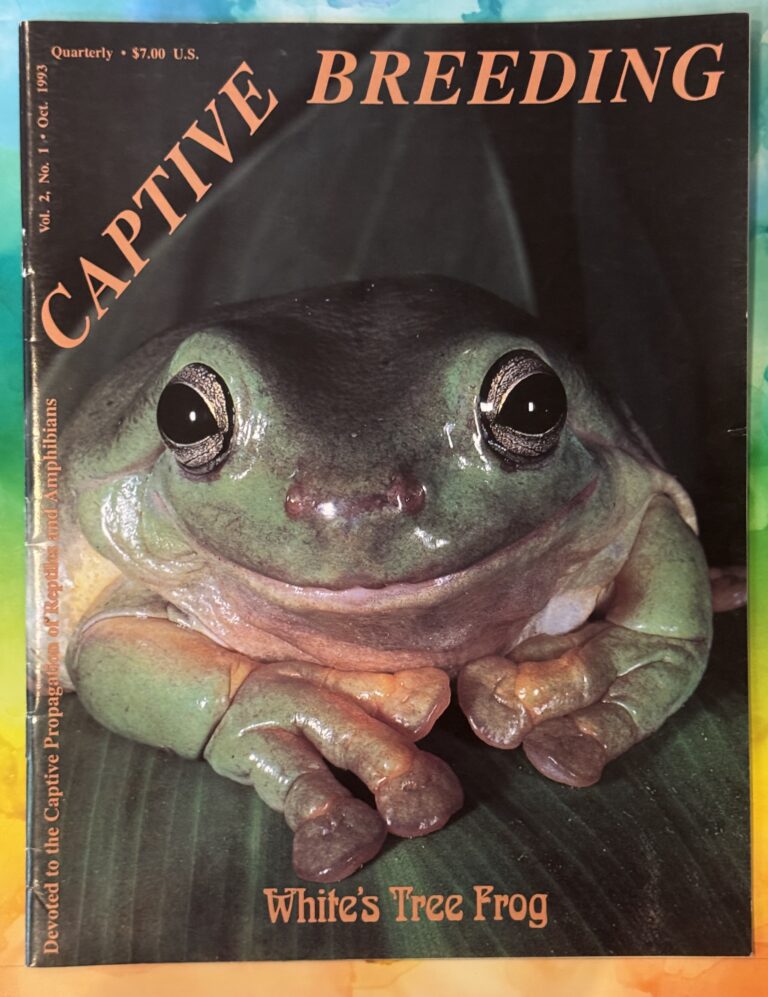
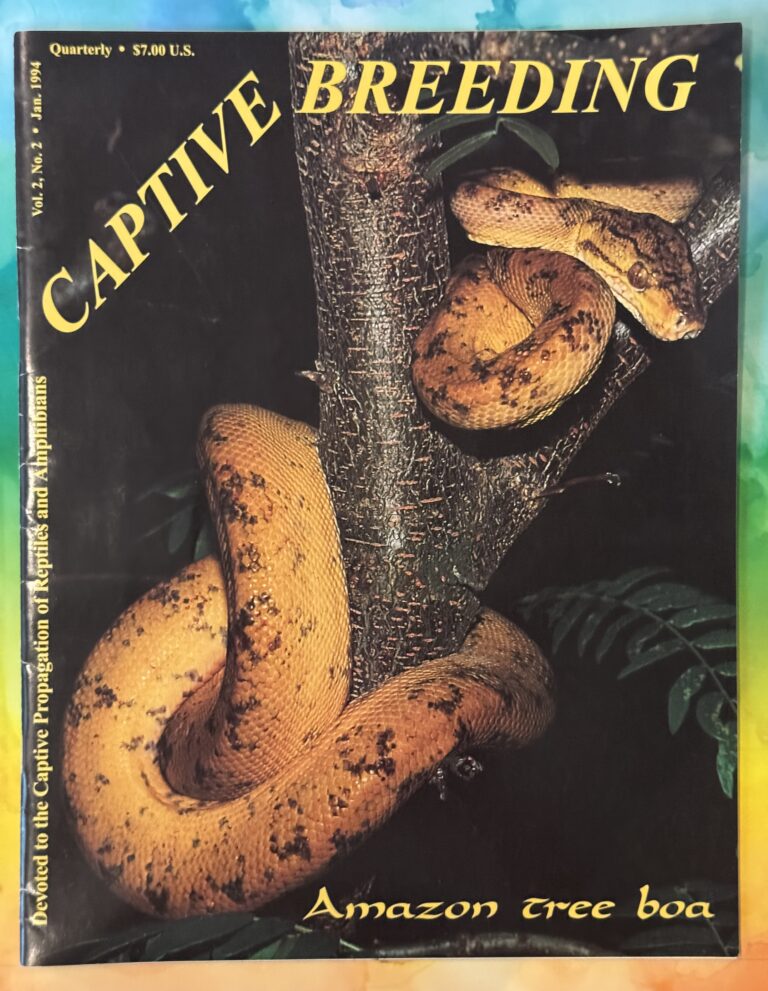
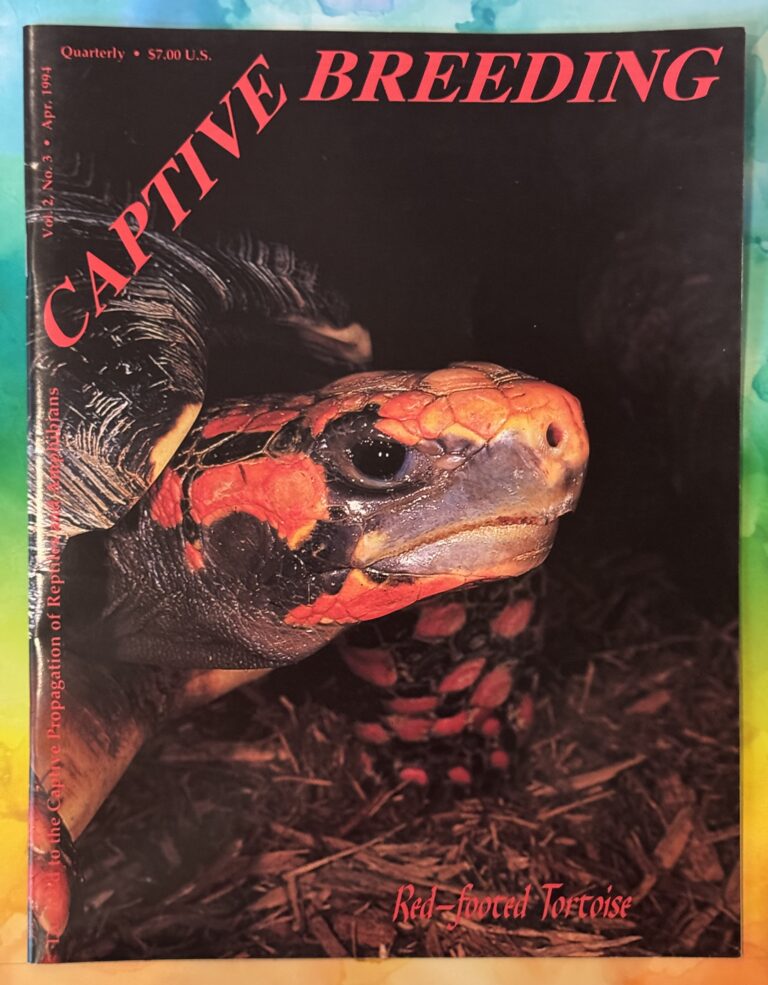
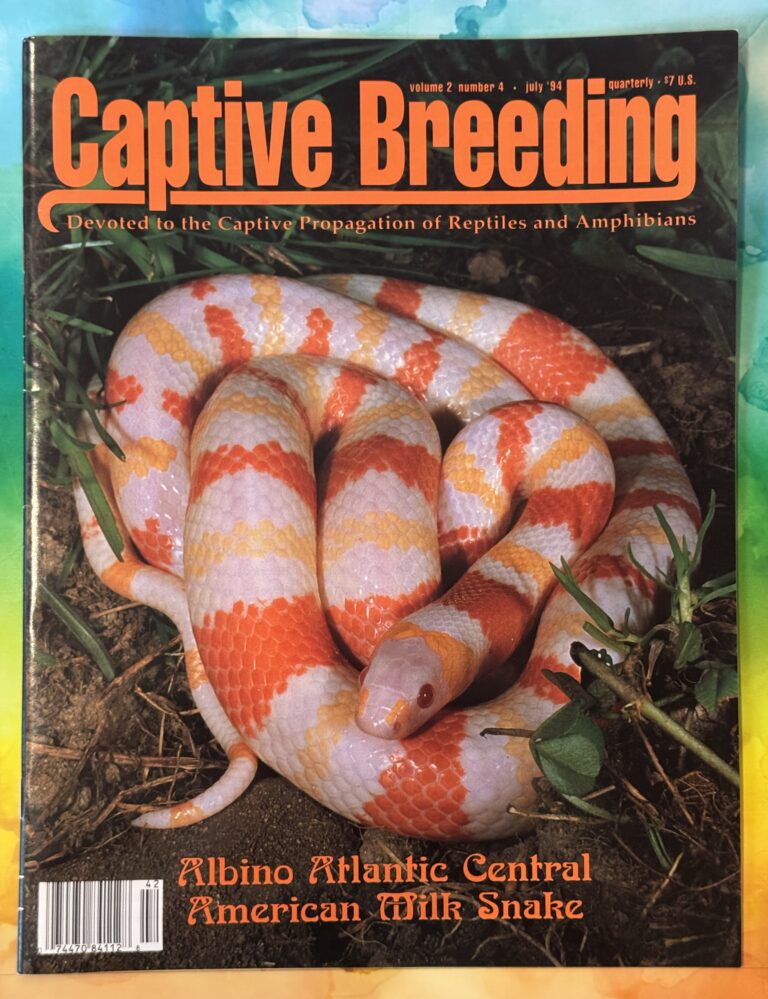
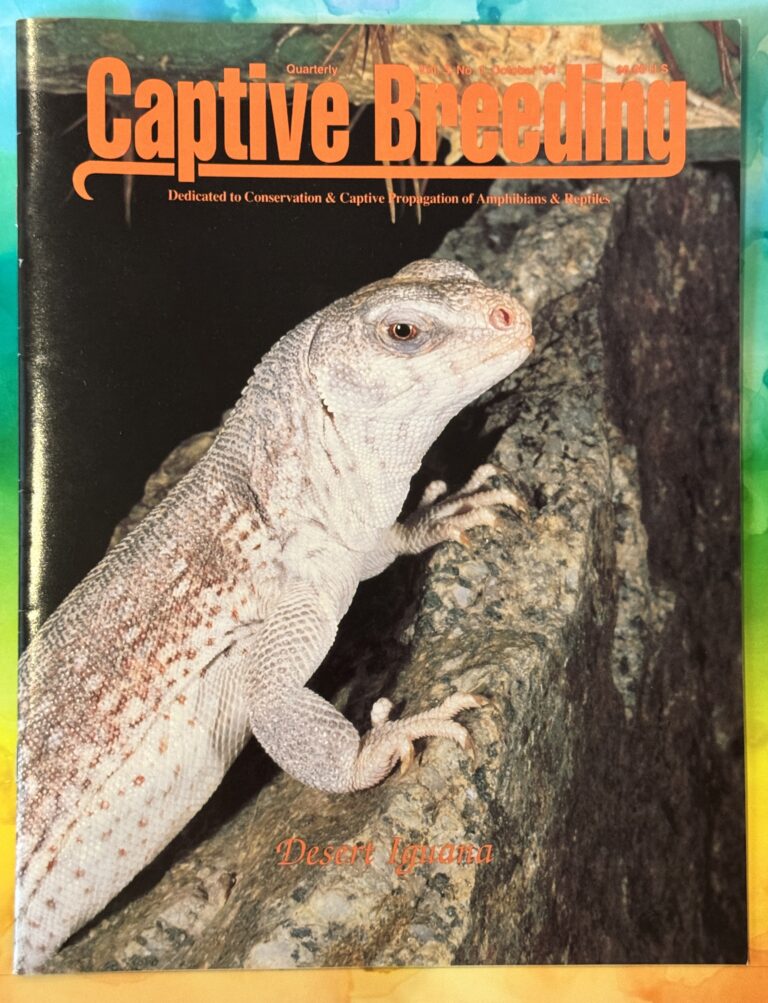
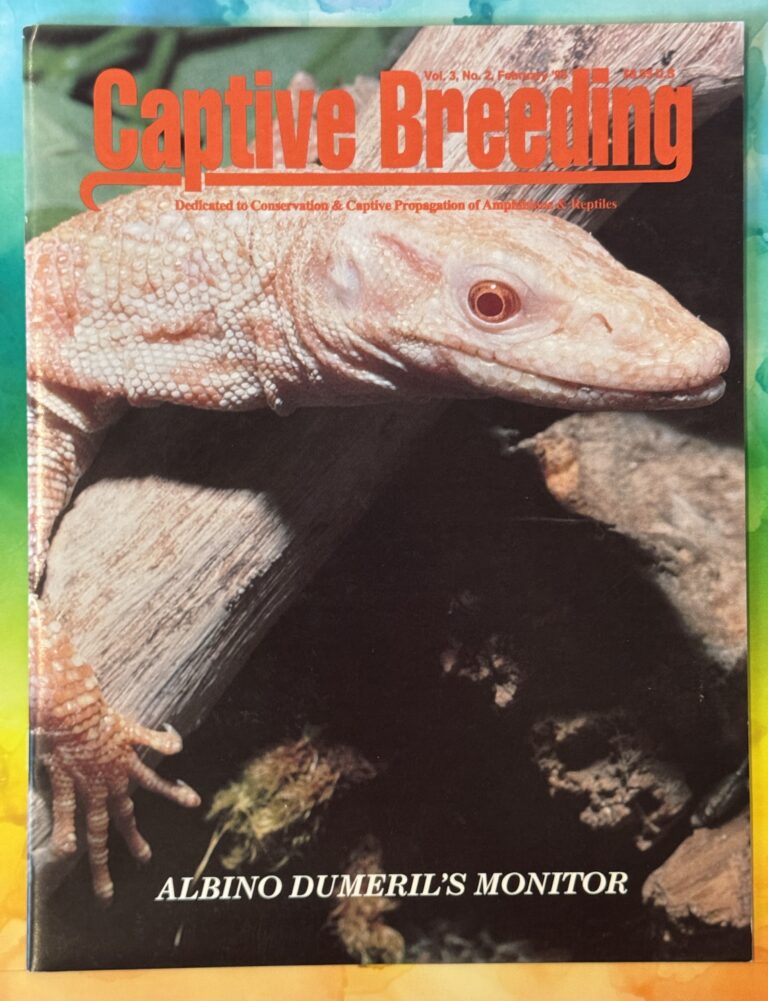
Captive Breeding
Publication Identification
| Field | Information |
| Country | United States |
| Publisher | Richard Aquiline; later Eric M. Rundquist |
| Publisher address | Pending research update |
| Magazine title | Captive Breeding |
| Publication status | Ceased |
| Publication run | October 1992 through February 1995 |
| Editor | Richard Aquiline (identified as editor of multiple issues; issue-specific responsibility may vary) |
| Printer | Pending research update |
| ISSN | Pending research update |
| Language | English |
| Publication type | Specialist reptile and amphibian captive breeding, husbandry and conservation magazine |
| Publication frequency | Quarterly |
| Collection coverage | Complete published run: Volume 1, Number 1 through Volume 3, Number 2 |
Preservation Significance
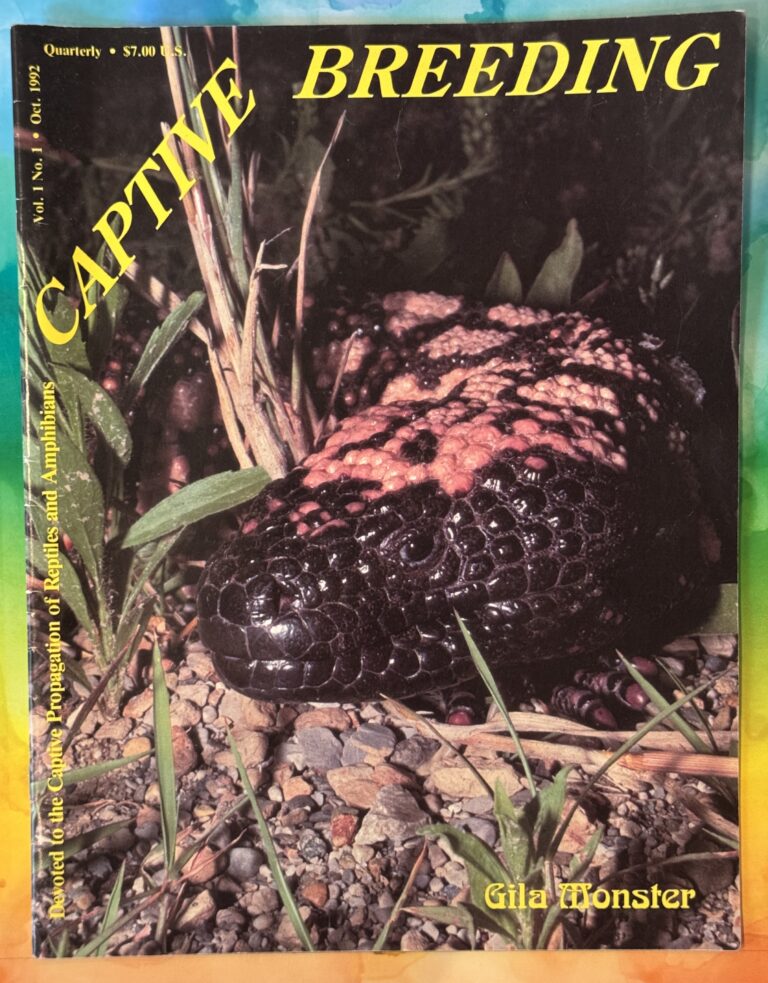
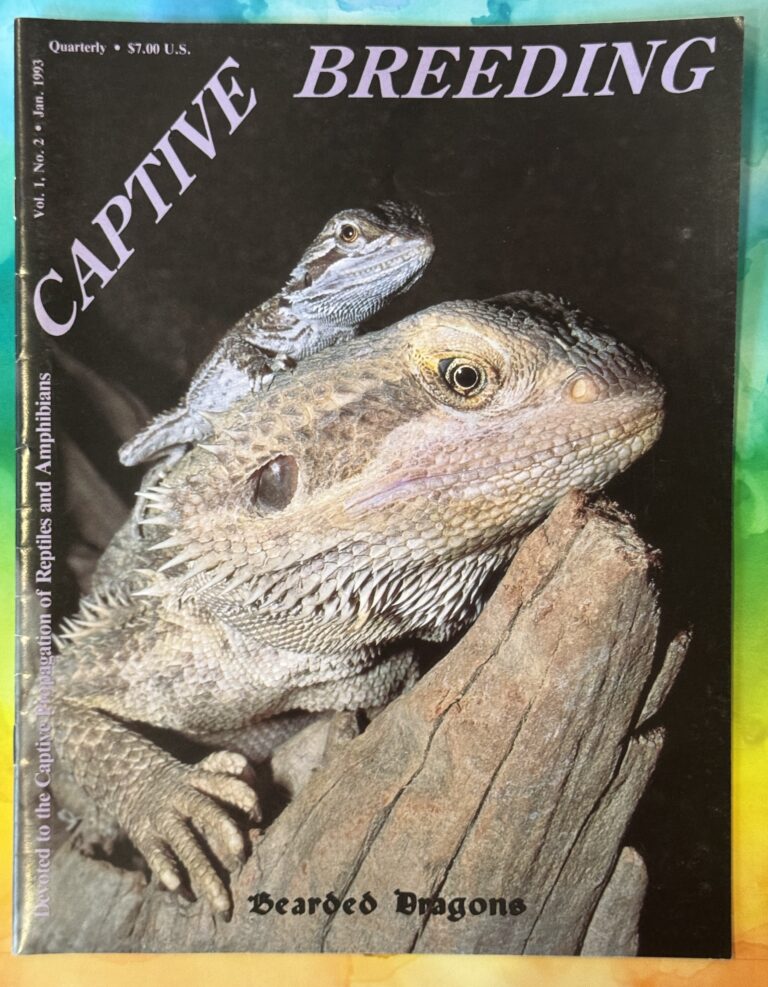
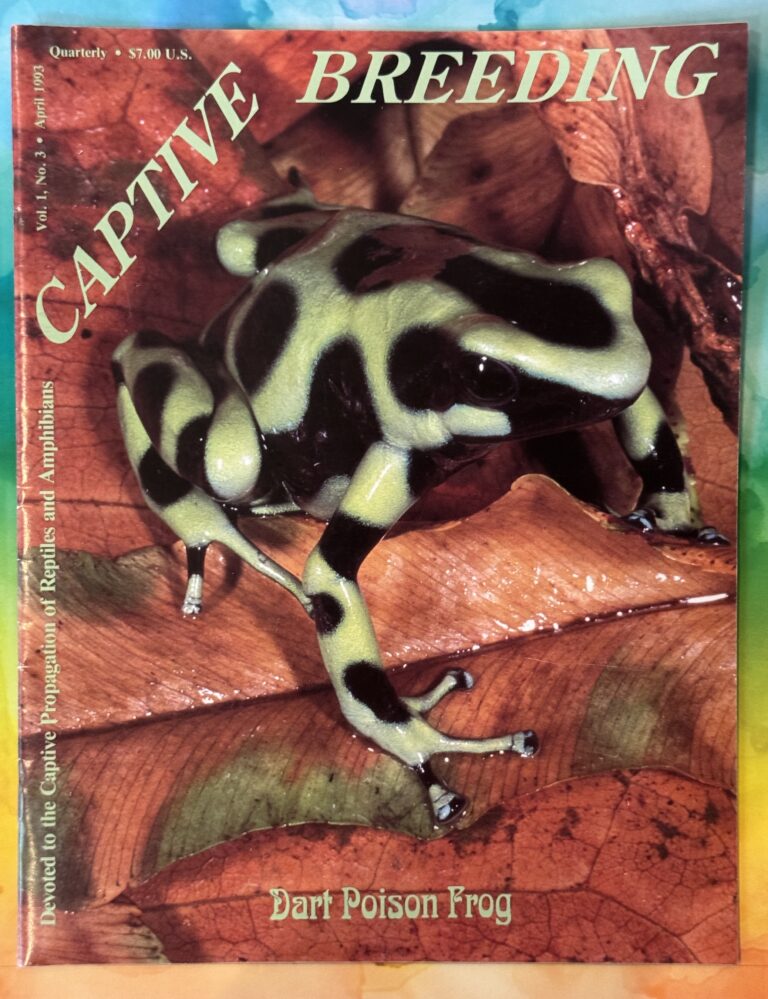
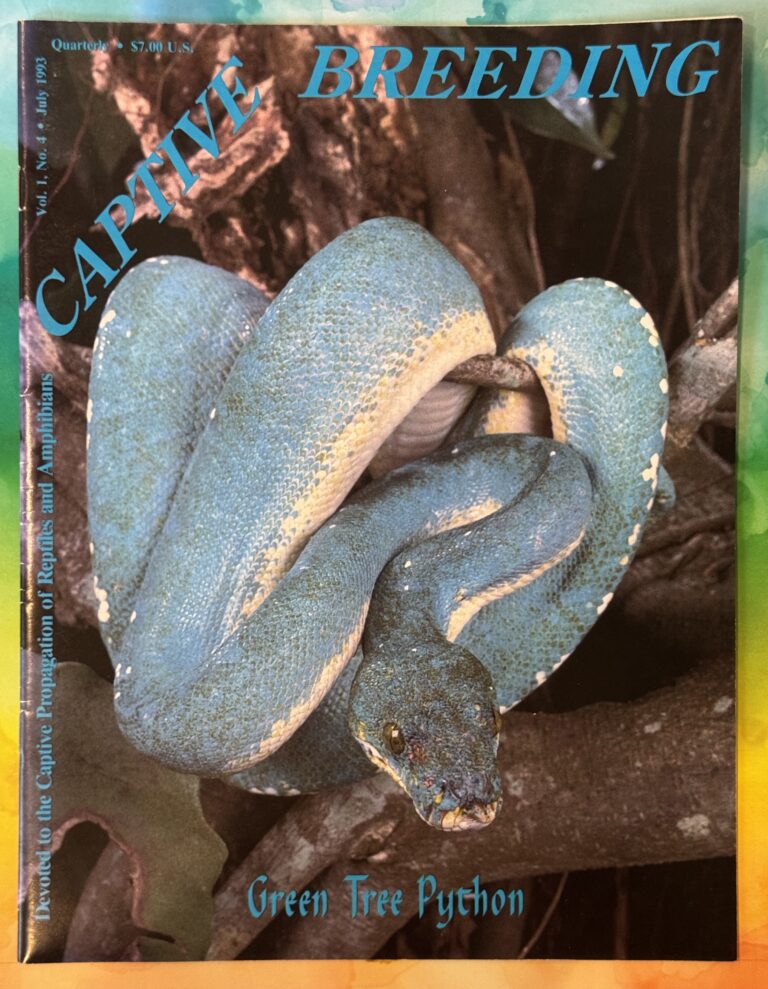
Captive Breeding has strong preservation significance because the entire publication consisted of only ten issues, and two complete physical print sets of the full series are held in the collection. The first eight issues reportedly had final print runs of 1,000 copies each, while a credible private source reported substantially reduced distribution for the two Volume 3 issues: approximately 500 copies of Volume 3, Number 1 were obtained after part of the intended run was destroyed, and only 300 copies of the final issue were obtained following another printer payment problem. Those scarcity figures remain attributed to the private source unless further documentary evidence is found. Beyond rarity and completeness, the series preserves a compact record of early 1990s herpetoculture. Its changing cover language moves from a primary emphasis on captive propagation of reptiles and amphibians toward an explicit inclusion of conservation, documenting an important shift in how the captive reptile and amphibian community presented its goals. Preserving the complete run keeps that short lived publication, its husbandry and breeding information, its editorial history, and its evolving conservation perspective together as a single historical record.
Magazine Research Record
Fauna
Publication Identification
| Field | Information |
| Country | United States |
| Publisher | International Fauna Society (associated organization; exact imprint not independently established) |
| Publisher address | Pending research update |
| Magazine title | FAUNA |
| Publication status | Historical publication; current status and final issue not independently verified |
| Publication run | Documented from at least 1997 through 2004; exact inaugural and final dates unverified |
| Editor | Pending research update |
| Printer | Pending research update |
| ISSN | Pending research update |
| Language | English |
| Publication type | Wildlife, herpetology, natural history, conservation, field exploration and adventure magazine |
| Publication frequency | Pending research update. Bimonthly issue dates documented for part of 2001; full-run frequency unverified. |
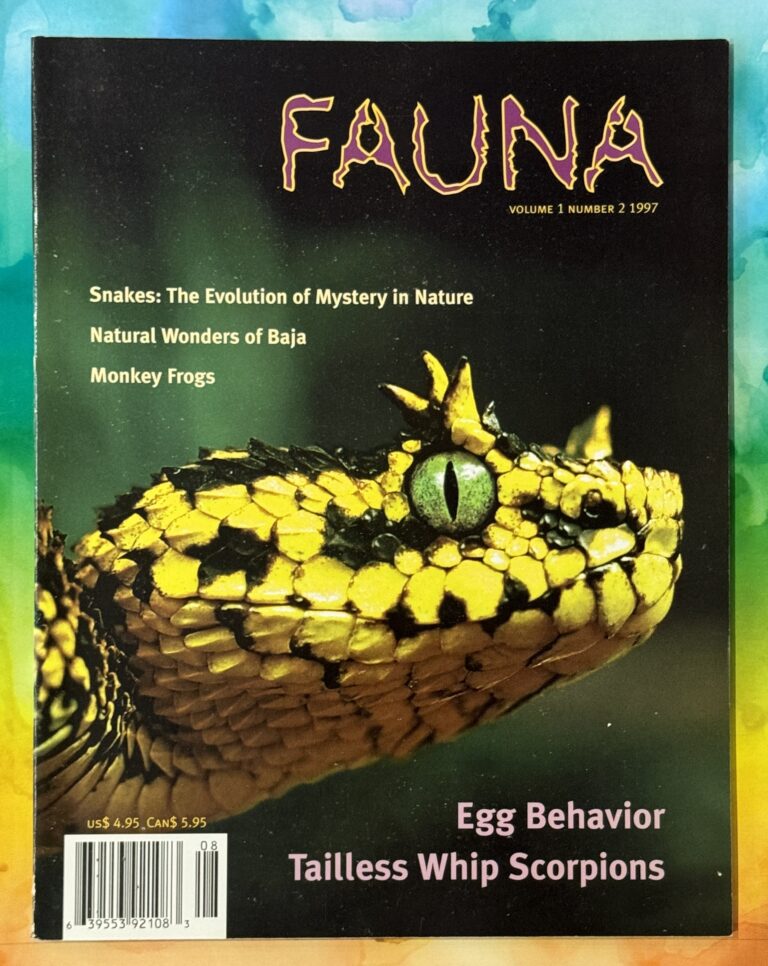
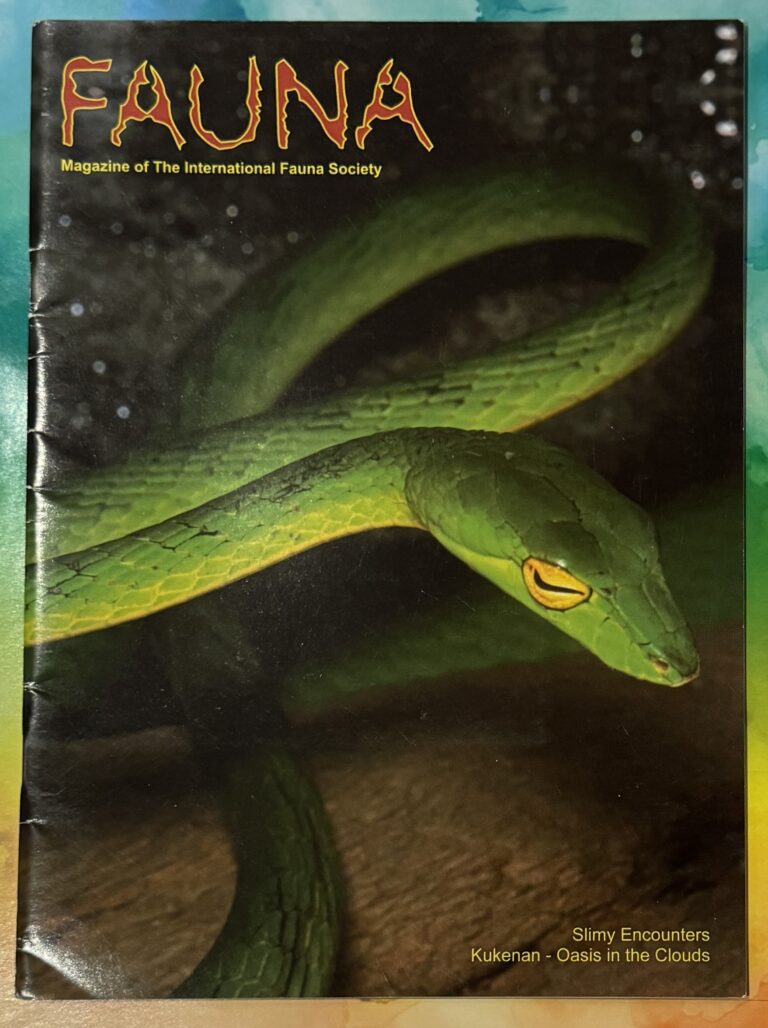
| Collection coverage | Volume 1, Number 2 (1997); Volume 4, Number 3 (Autumn 2003) |
| Earliest issue represented | Volume 1, Number 2 (1997) |
| Latest issue represented | Volume 4, Number 3 (Autumn 2003) |
| Issues represented | Volume 1, Number 2 (1997); Volume 4, Number 3 (Autumn 2003) |
| Frequency | Not verified for the entire run; bimonthly issue designations documented for part of 2001 |
Preservation Significance
FAUNA has preservation significance because it documents a form of wildlife publishing that combined herpetology, broader natural history, conservation, field exploration, and visually ambitious animal photography. These two issues, from 1997 and 2003, show that snakes remained a prominent part of the magazine’s visual and editorial identity across several years. The 1997 issue presents snakes within a broader mix of reptiles, amphibians, invertebrates, and regional natural history, while the 2003 issue explicitly identifies the publication as the Magazine of The International Fauna Society. Preserving these issues helps retain evidence of the Society’s publishing activity and of the way late twentieth and early twenty first century wildlife publications presented reptiles alongside conservation, travel, and natural history. Because the complete publication history and surviving issue population are not yet well documented in easily accessible public sources, physical copies also preserve bibliographic evidence that may otherwise be difficult to reconstruct.
Herp Nation
Publication Identification
| Field | Information |
| Country | United States |
| Publisher | Herp Nation Magazine / Herp Nation Media; founded by Scott Waters and Jeremiah Easter. Scott Waters continued operating the magazine after Jeremiah Easter left in October 2012. |
| Publisher address | Pending research update |
| Magazine title | Herp Nation |
| Publication status | Discontinued; later sources identify the magazine as defunct |
| Publication run | 2010 to 2016, according to Scott Waters’ biography; exact final issue not established |
| Editor | Pending research update |
| Printer | Pending research update |
| ISSN | Pending research update |
| Language | English |
| Publication type | Specialist herpetology, field herping, captive husbandry and conservation magazine |
| Publication frequency | Bimonthly / six issues per year. Contemporary advertising specifications explicitly state six issues per year. |
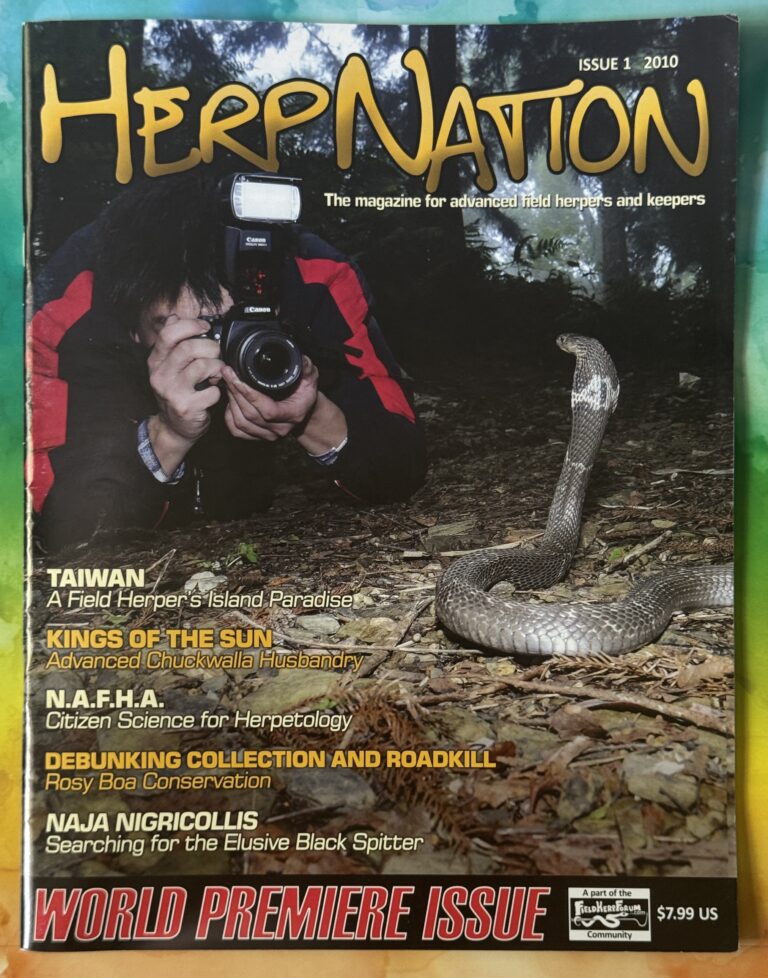
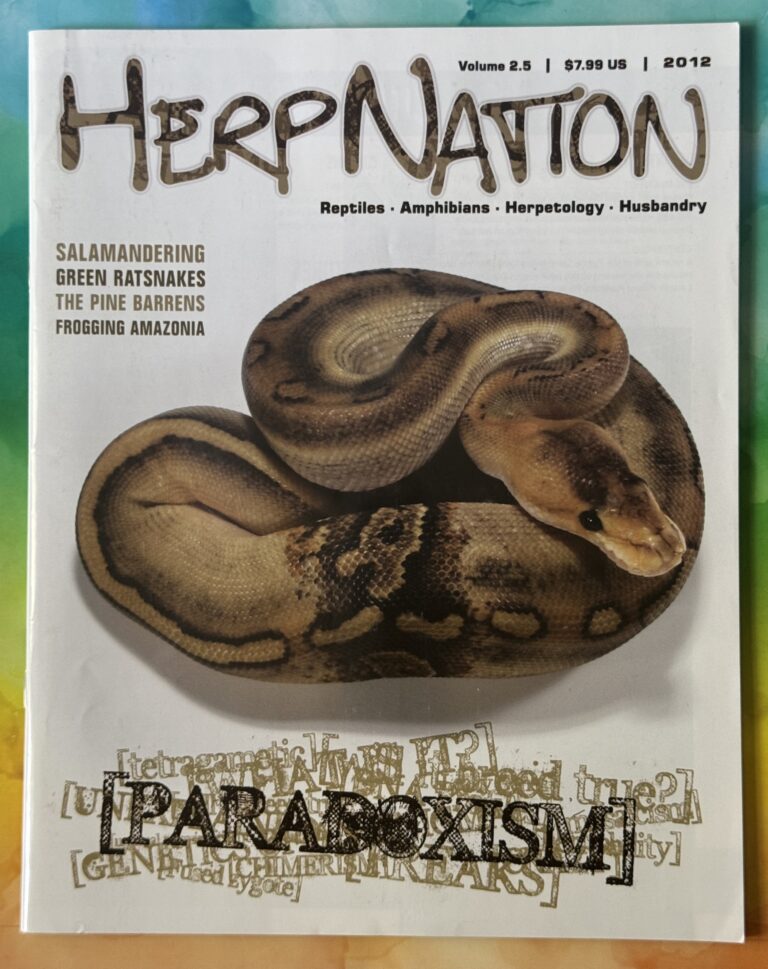
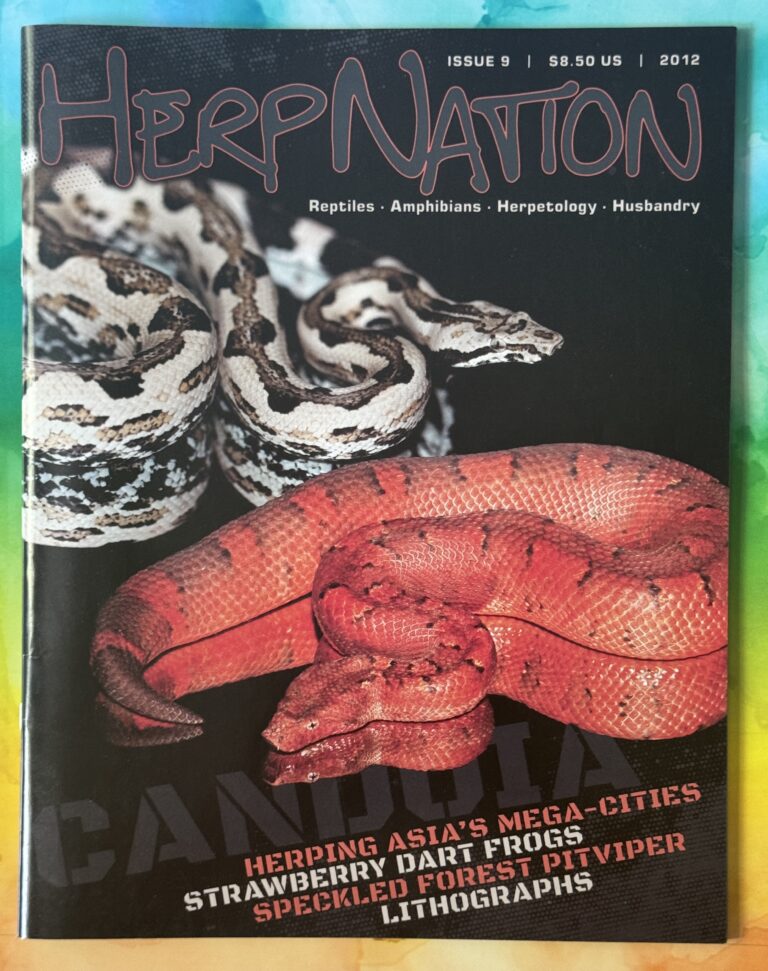
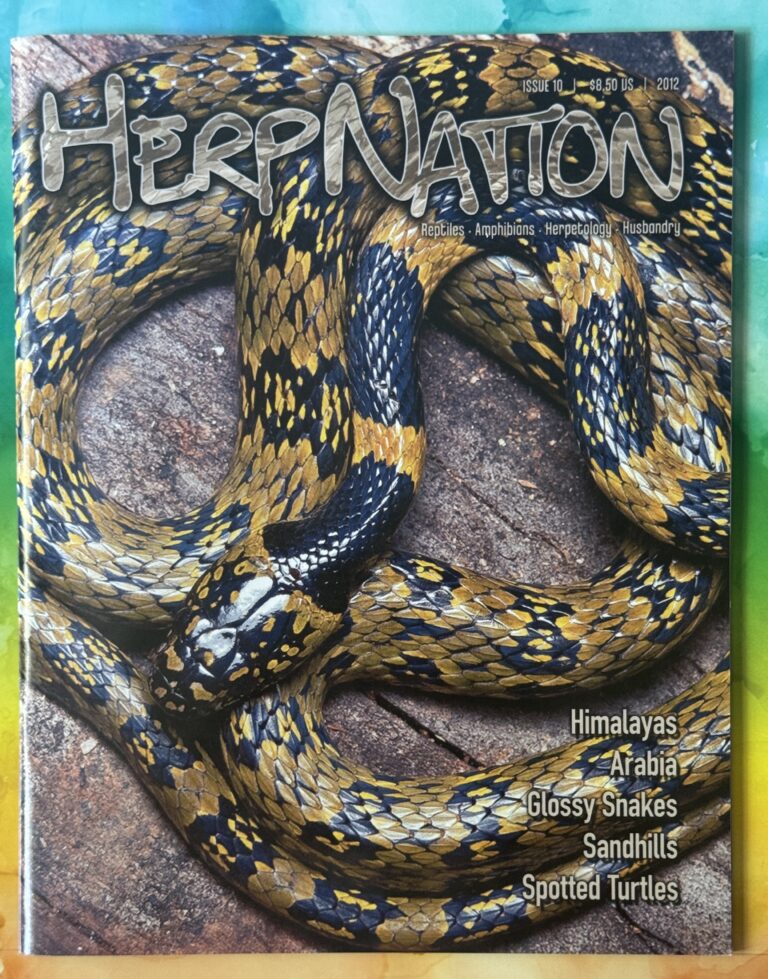
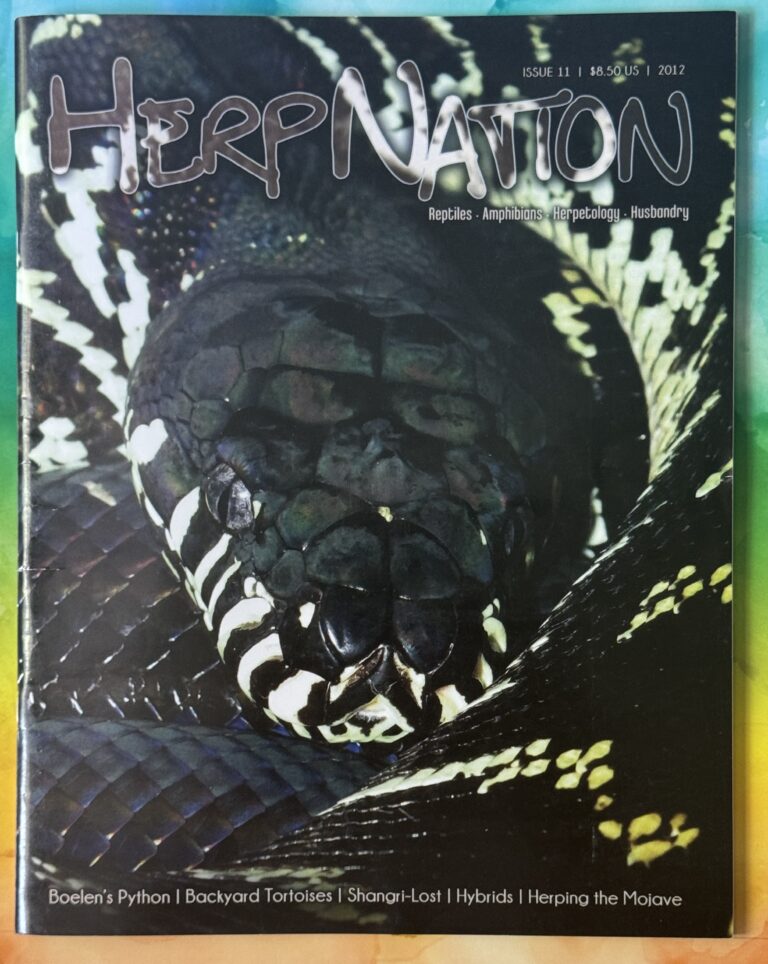
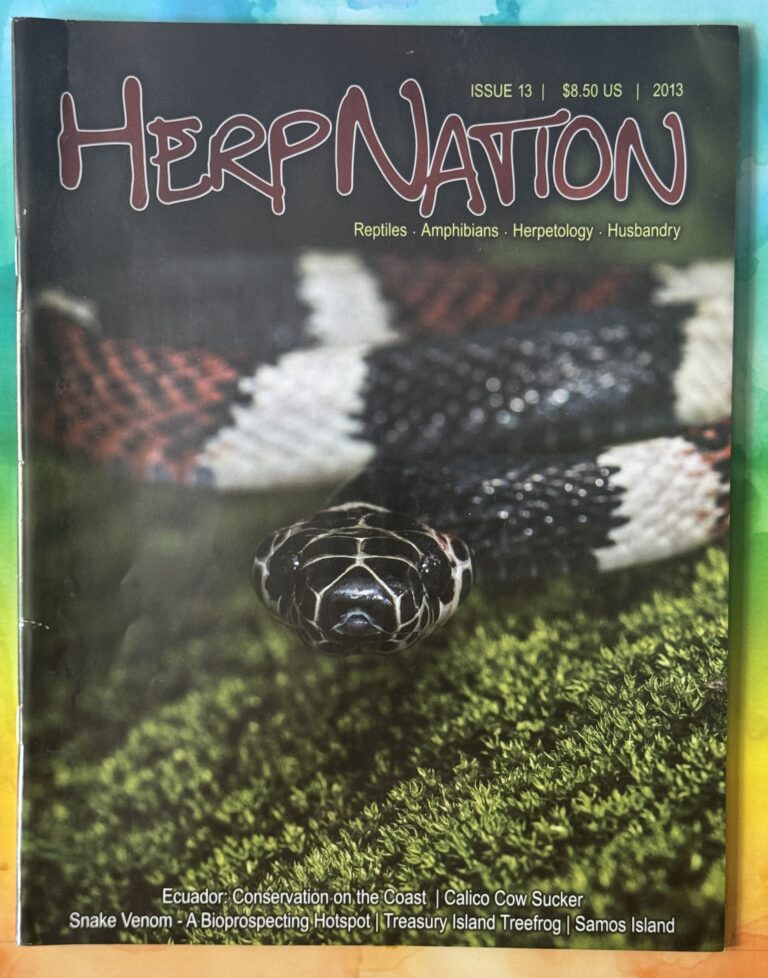
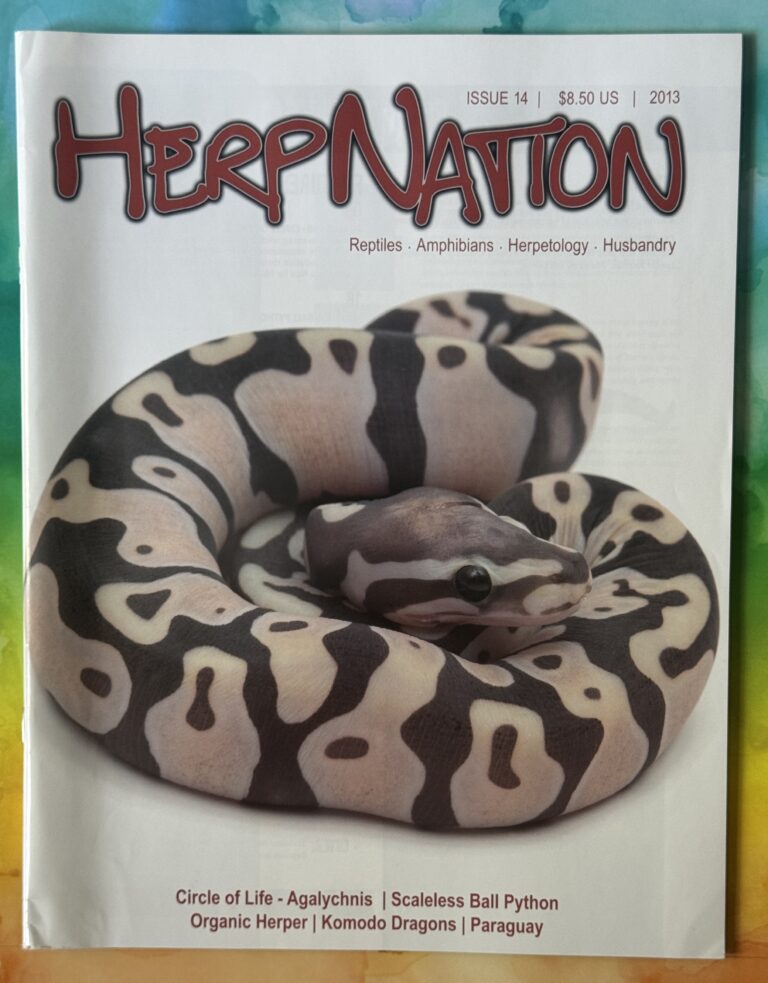
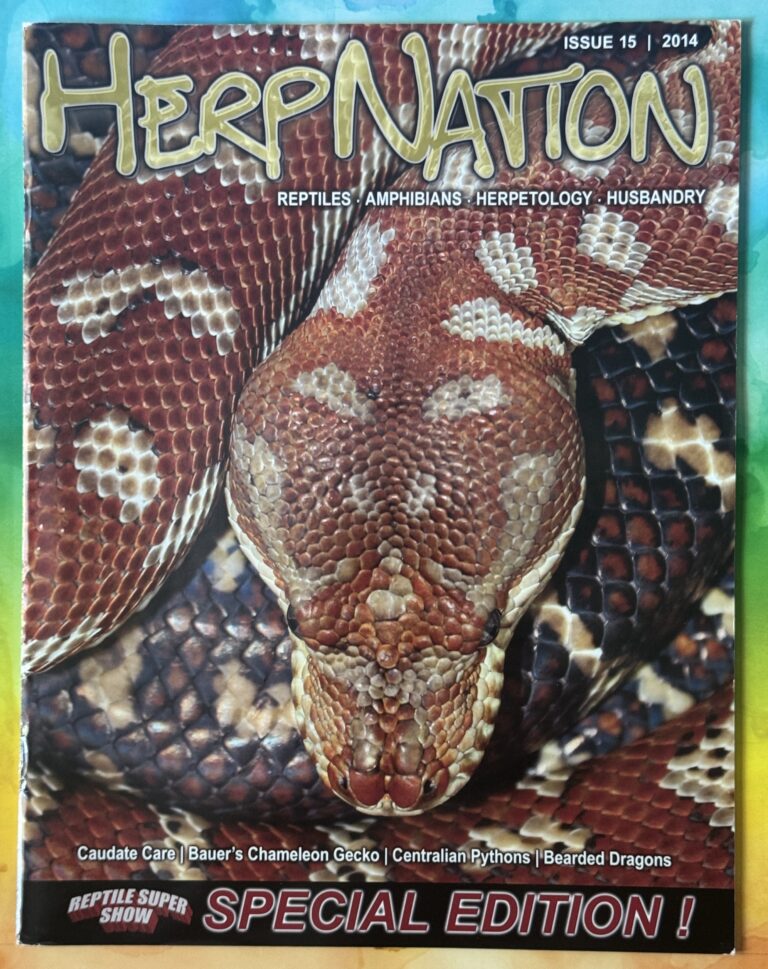
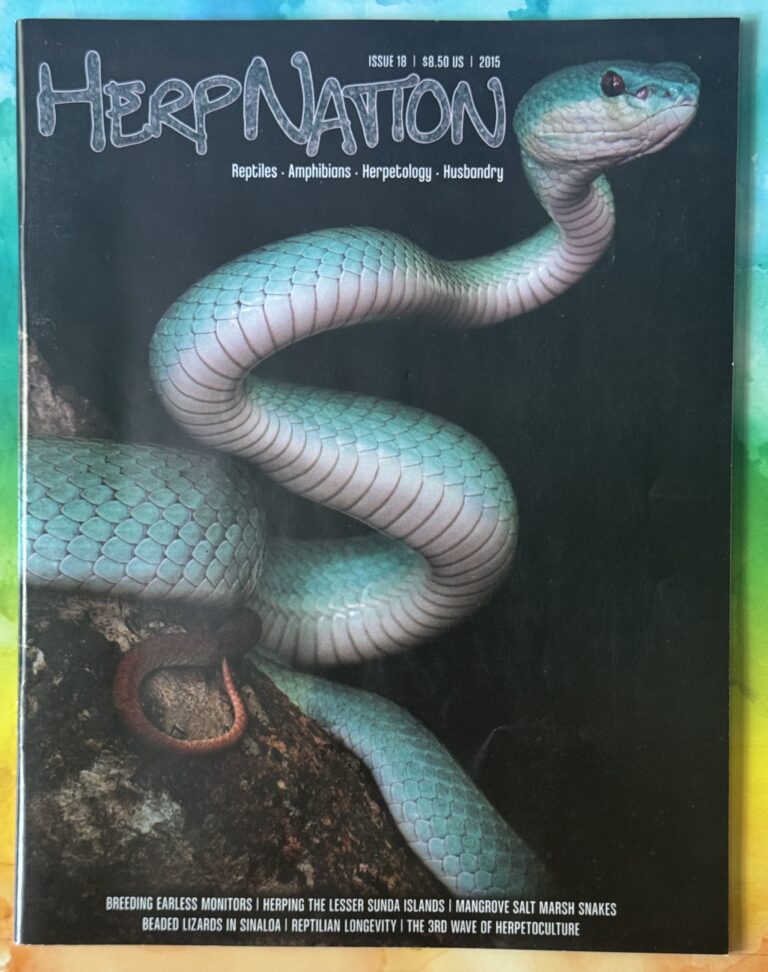
Preservation Significance
Herp Nation has strong preservation significance as a short lived American herpetological magazine that documented the overlap between field herping, captive husbandry, conservation, citizen science and the developing online herpetological community during the early 2010s. The publication began in 2010 and continued through 2016, a period when specialist reptile and amphibian communities were increasingly moving from print forums and magazines toward online communities and digital media. the physical issues preserve that transition in physical form. The World Premiere Issue explicitly identifies the magazine with the Field Herp Forum community, while later issues broaden the cover identity to “Reptiles · Amphibians · Herpetology · Husbandry.” The photographed issues also preserve articles on field research, conservation, captive breeding, unusual species, husbandry and citizen science. Independent bibliographic citations show that material published in Herp Nation continued to be referenced in professional and scholarly herpetological contexts. Preserving these print issues therefore retains both the specialist information they contain and a record of how the herpetological community communicated during a transitional period in print and digital publishing.
SPECIAL SECTION: Herp Nation, Field Herp Forum, and the Community Behind the Magazine
Herp Nation represents more than a short lived herpetological magazine. Its history documents a period when an established online field herping community expanded into traditional print publishing.
Herp Nation Media was launched in 2010 by Scott Waters and Jeremiah Easter, with Herp Nation Magazine as its flagship publication. Waters had previously founded Field Herp Forum, an online community devoted to field herping, photography, observation, research and discussion of reptiles and amphibians. Independent contemporary and near contemporary sources connect the magazine directly with FieldHerpForum.com. A Central Valley Herpetological Society history later stated that Jeremiah Easter left in October 2012 and that the magazine thereafter was operated by Scott Waters.
The surviving Field Herp Forum screenshots preserved with the collection provide an unusually direct record of the magazine at the moment it was being introduced to the community from which it emerged. In a July 4, 2010 discussion, Waters reported an enormous response to the magazine, discussed the delayed premiere issue and stated that Issue 1 was expected to ship around July 15. He described Herp Nation as a publication intended to share the stories of advanced field herpers and keepers around the world.
That same discussion documents the intended publication schedule and early distribution model. On July 20, 2010, Waters stated that Herp Nation was bimonthly and that issues were intended to go out on the first of the appropriate month. He identified September 1, 2010 as the planned release date for Volume 1, Issue 2. Because the premiere issue had been delayed, the second issue was expected to follow only about five weeks later so that the magazine could return to its intended schedule. The discussion also records direct communication between the publisher and prospective readers concerning subscriptions and individual issue purchases.
Most importantly, the screenshots preserve the relationship between Herp Nation and Field Herp Forum. Waters told forum members that the magazine would reflect the members of that community and deliver a quality product to them. Herp Nation therefore provides a physical record of a community that had largely developed online transferring some of its knowledge, photography, field experiences, conservation interests and discussions into print.
Independent contemporary discussion supports that relationship. A 2010 account of the North American Reptile Breeders Conference reported that Waters explained that Field Herp Forum had spawned a magazine dedicated to advanced techniques and field herping. A 2011 herpetology forum discussion described Herp Nation as relatively new, focused less on the conventional reptile hobby and more on field herping, advanced herpetological husbandry, field research and conservation, and noted that it published six issues per year.
Herp Nation Media also expanded beyond the printed magazine into Herp Nation Online, blogs, news stories, the Herp Nation Radio Network, and Herp Nation LIVE video and audio. This broader media activity places the magazine within a period when specialized herpetological communities were moving between print and digital forms rather than existing exclusively in either one.
The relationship eventually moved in the opposite direction as well. In December 2014, Waters announced through Field Herp Forum that J. P. Lawrence’s article, “Conservation of a Polymorphic Frog,” originally published in Herp Nation Issue 9, was being made available as a free digital download. The collection contains a physical copy of Issue 9, providing a direct connection between the surviving printed magazine and the later digital circulation of its contents.
Later sources demonstrate the continuing value of the publication after it ceased. Herp Nation is described by later herpetological publications as defunct. In 2019, the Southwestern Center for Herpetological Research discussed the inaugural issue while reproducing its cover in a bulletin. In 2023, the same organization republished a snakebite account that had originally appeared in Herp Nation Issue 16 in 2014, explicitly identifying the original magazine as defunct. These later uses show that material first published in Herp Nation continued to have historical and educational value after the magazine itself ceased publication.
The physical magazines preserve the publication itself. The surviving forum screenshots preserve something equally important: the people, community and circumstances that produced it. Printed magazines can disappear. Websites can disappear too. Forum discussions, downloads, photographs and other digital records can vanish when websites close, domains expire or technology changes. Once those records disappear, the history surrounding a small specialized publication can become extremely difficult, and sometimes impossible, to reconstruct.
For that reason, the preservation of Herp Nation includes more than the physical issues. The surviving contemporary screenshots and publication history are being preserved alongside them so that the story behind the magazine is not separated from the magazine itself. Once the story is lost, it is gone forever.
Additional contemporary forum records establish actual distribution more precisely than the original proposed release dates. Scott Waters announced the magazine on June 17, 2010 and anticipated shipping the premiere around mid-July. On July 20, he reported that copies were arriving for dispatch on July 20 or 21. Forum members then reported receipt of Issue 1 on July 23 and 24, 2010. These dated acknowledgments document physical circulation without treating the projected July 15 date as the confirmed release date. [Field Herp Forum search-result archive, page 4: June–July 2010 posts; page 3: July 23–24, 2010 posts.]
Scott Waters announced on September 7, 2010 that Issue 2 was in print and would begin shipping around September 13. He expressly described a continuing mid-month, bimonthly release pattern following the mid-July premiere. In November 2010 he reported that Issue 3, including Mike Pingleton’s article about Snake Road in southern Illinois, was in press and expected to ship the following week. These contemporary statements distinguish intended scheduling from documented production and distribution. [Field Herp Forum search-result archive, page 3: September 7 and November 11, 2010 posts.]
Editorial discussions also show the publication’s intended balance of subjects. In an August 16, 2011 discussion of Volume 2, Issue 3, Jeremiah Easter described an ambition to balance field herping and herpetoculture rather than devote the magazine exclusively to either. On July 20, Scott Waters announced Volume 2, Issue 3 as the magazine’s first “Venom Issue,” scheduled for August; Easter confirmed the issue was at press on August 16, and Waters reported on August 31 that shipping had begun the prior week. On November 19, 2011, Waters reported Volume 2, Issue 4 was shipping. These posts document both editorial intent and specific issue chronology. [Field Herp Forum search-result archive, pages 1–2: July–November 2011 posts.]
The forum additionally records readers reacting to the magazine as an educational and community publication. September 2011 discussions identify articles on Crotalus concolor, envenomation, Heloderma and the midget faded rattlesnake; readers also debated the suitability of a comic for a publication shared with younger audiences. Such contemporary criticism and praise document the readership and editorial expectations, rather than independently establishing the accuracy of every article. [Field Herp Forum search-result archive, pages 1–2: September 2011 posts.]
Issue-specific references continued after 2011. On April 29, 2014, Sam Bacchini announced that Issue 16 had gone to print; Scott Waters identified Kent VanSooy’s field rattlesnake-bite account as appearing in Issue 16. In August 2014 a forum contributor anticipated Issue 17; these remarks help establish issue activity but do not verify the dates on which each copy was delivered. In January 2015, subscribers publicly questioned a prolonged delay between issues. In February 2015, Waters acknowledged that it had been the longest interval between issues, while expressing an intention to continue and expand the magazine. These statements document irregularity late in the run without establishing a final publication date. [Field Herp Forum search-result archive, page 1: 2014–2015 posts.]
Magazine Research Record
Natural History
article by Kurt Schwenk, PhD
Publication Identification
| Field | Information |
| Country | United States |
| Publisher | American Museum of Natural History, New York & Robert L. Gebbie |
| Publisher address | Central Park West at 79th Street, NY., NY. 10024 |
| Magazine title | Natural History |
| Publication status | Current publication issues are still available in print and digital form |
| Publication run | 1900 onward. Exact final publication date: Pending research update |
| Editor | Ellen Goldensohn Managing Editor |
| Printer | American Museum of Natural History; Printed on recycled paper |
| ISSN | 0028-0712 |
| Language | English |
| Publication type | General interest natural history and science magazine |
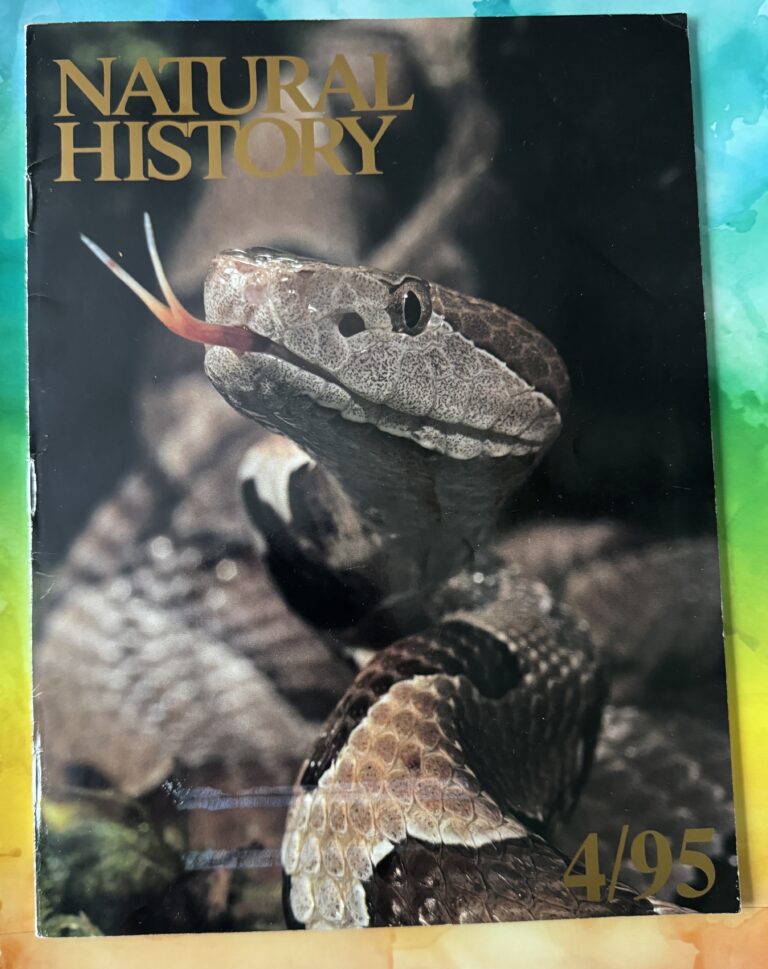
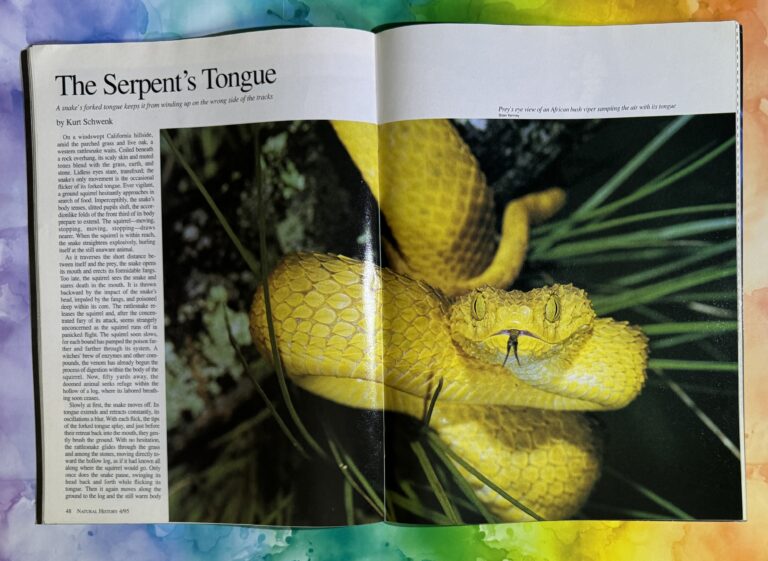
Preservation Significance
This issue has preservation value independent of its personal association. Natural History represents a long running tradition of communicating scientific research to a general audience, and this April 1995 issue preserves a period example of how research in animal sensory biology was presented outside specialist academic journals. Kurt Schwenk’s article, “The Serpent’s Tongue,” is especially significant because it explains research into snake tongue flicking and the sensory function of the forked tongue, an area of study that contributed to a better understanding of how snakes collect and interpret chemical information from their surroundings. Preserving the issue retains both the original scientific communication and the visual and editorial context in which that research was presented to the public.
The magazine also preserves the physical context that is often lost when an individual article is separated from its original issue. The cover, typography, article layout, photography, neighboring content, pagination, and magazine design are all part of the historical record of science communication in 1995. Digital citations can preserve bibliographic facts, but the physical issue preserves the publication as readers originally encountered it.
Personal Significance
This issue also has unusual personal significance within the collection. I obtained it specifically because of Dr. Kurt Schwenk’s research on snake tongue flicking, a field closely connected to the type of research I hope to pursue myself. I also had the extraordinary opportunity to meet with Dr. Schwenk and spend an extended period of time speaking with him about his overall research and related scientific interests. Because of that experience, this issue represents more than an example of historical science communication. It connects an area of research that has influenced my own academic interests with a scientist whose work I was fortunate enough to discuss with him directly.
Magazine Research Record
Reptile & Amphibian Hobbyist
Publication Identification
| Field | Information |
| Country | United States |
| Publisher | T.F.H. Publications, Inc. |
| Publisher address | One TFH Plaza, Neptune City, New Jersey 07753 |
| Magazine title | Reptile & Amphibian Hobbyist |
| Publication status | Discontinued. November 2001 is identified as the final issue by independent magazine indexes. |
| Publication run | May 1999 through November 2001. The combined successor title followed the acquisition and merger of Reptile Hobbyist and Reptile & Amphibian Magazine. |
| Editor | Tom Mazorlig (documented among the editorial staff for the represented combined run) |
| Printer | Pending research update |
| ISSN | 1525-4712 |
| Language | English |
| Publication type | Specialist reptile and amphibian hobby magazine |
| Publication frequency | Monthly during the combined title period |
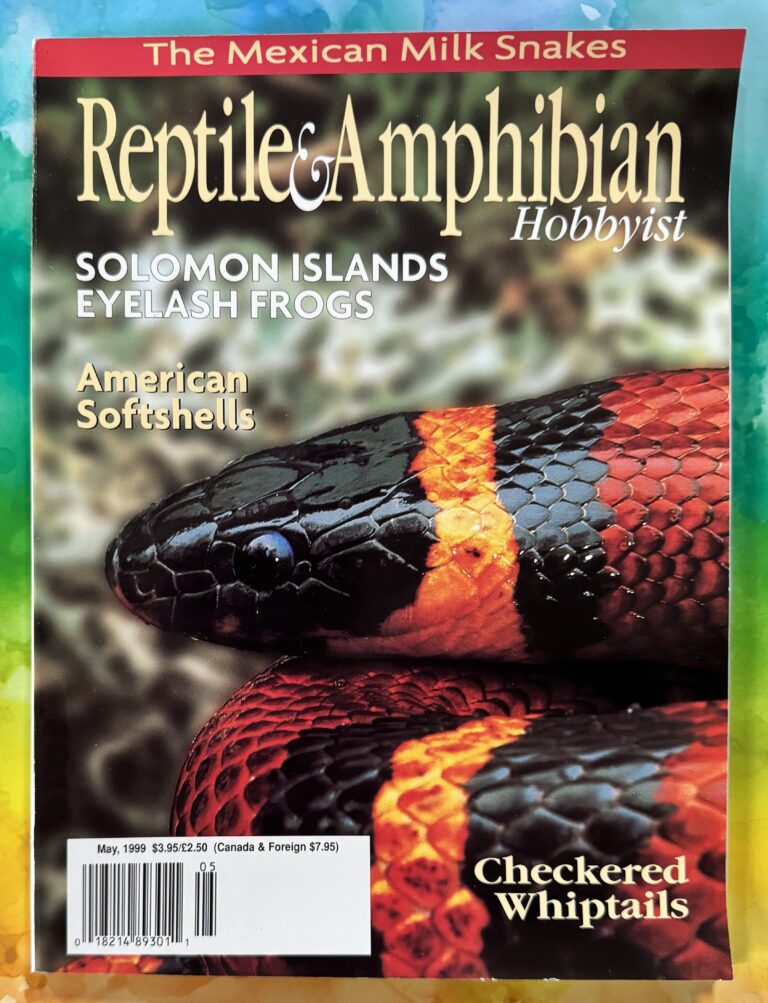
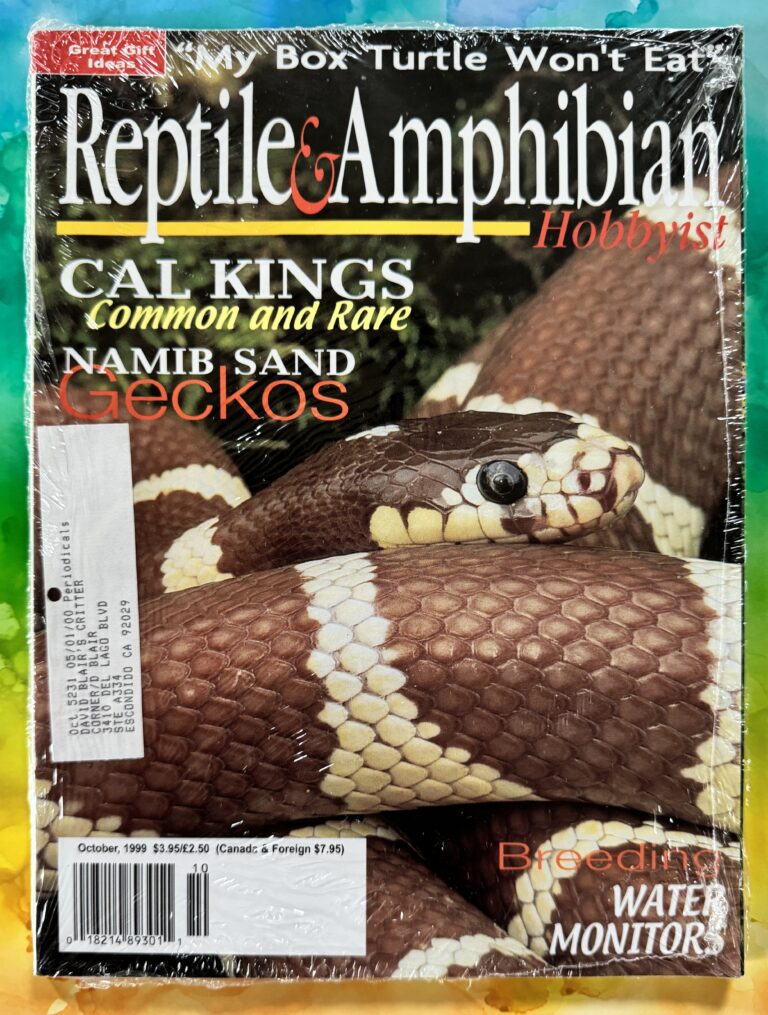
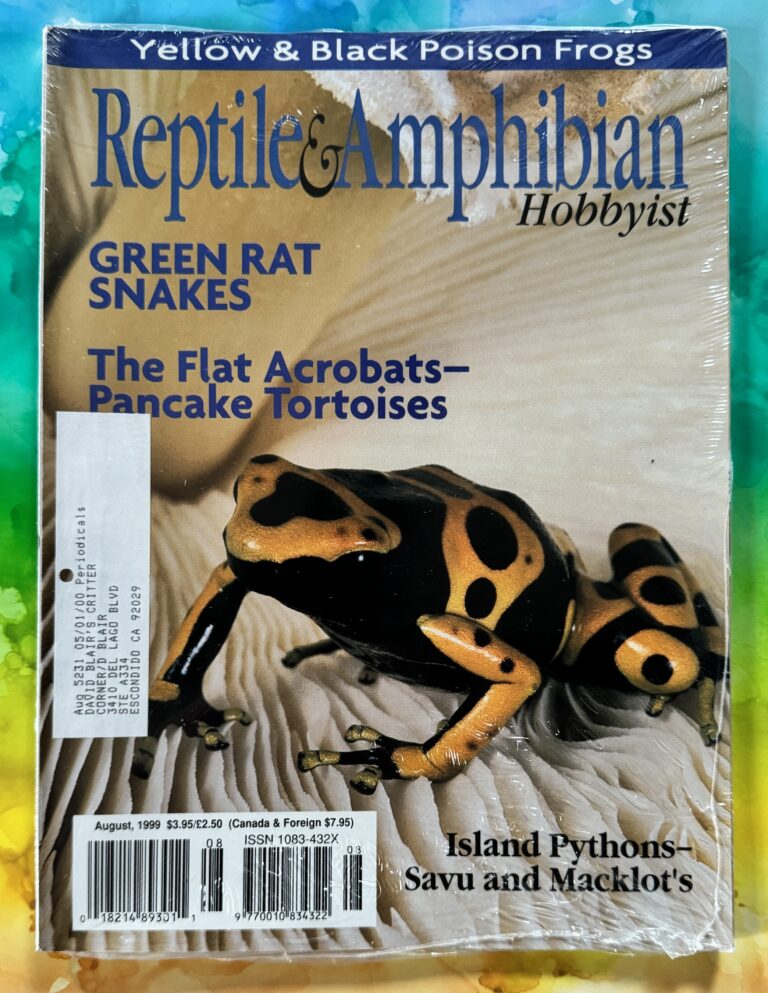
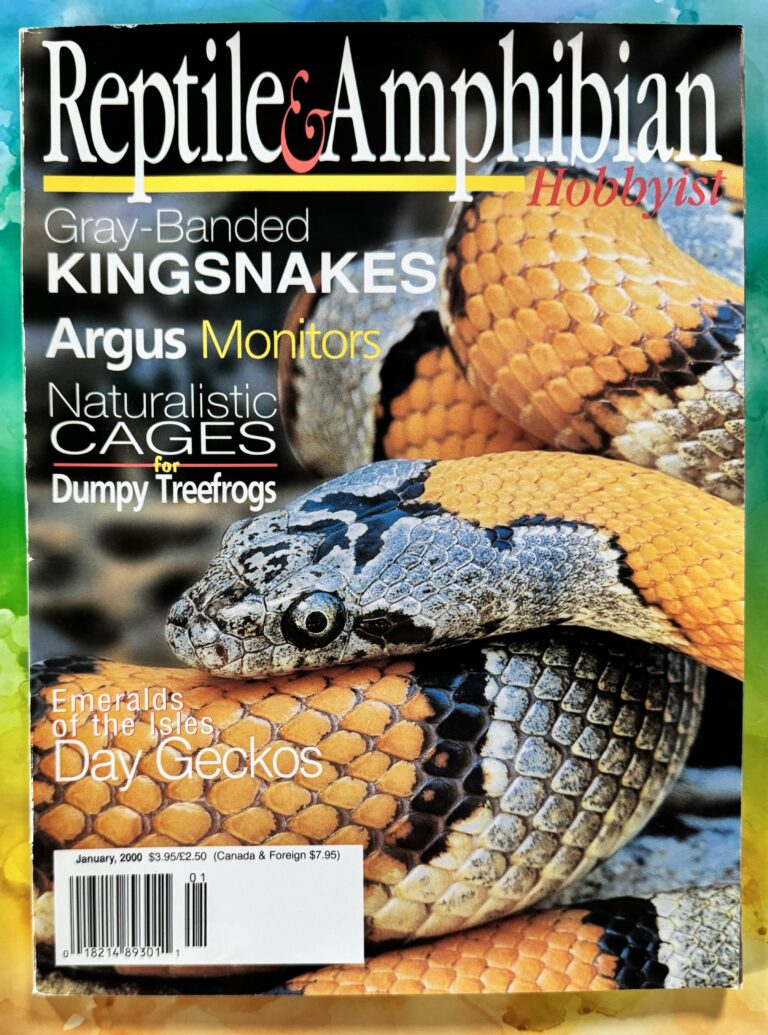
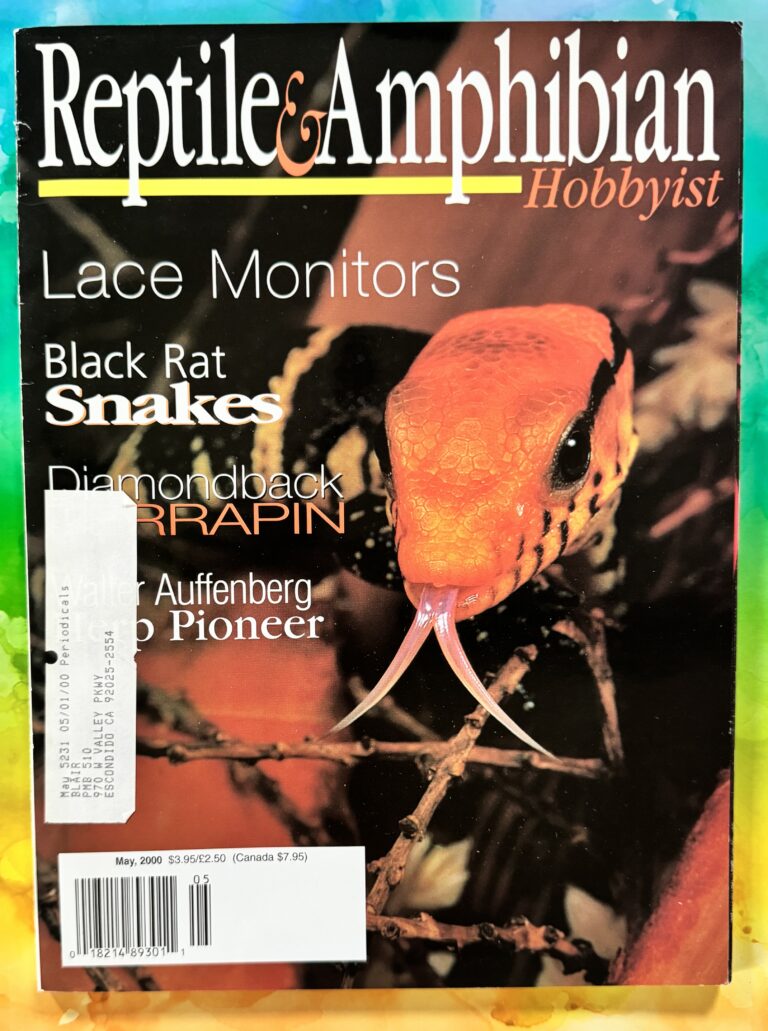
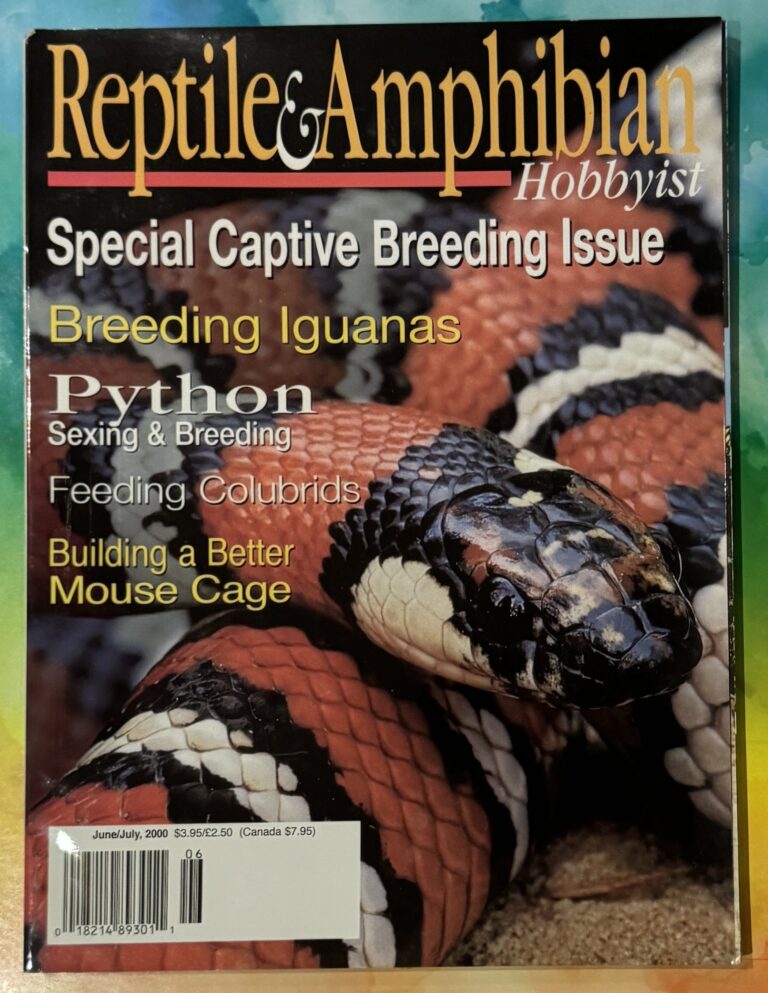
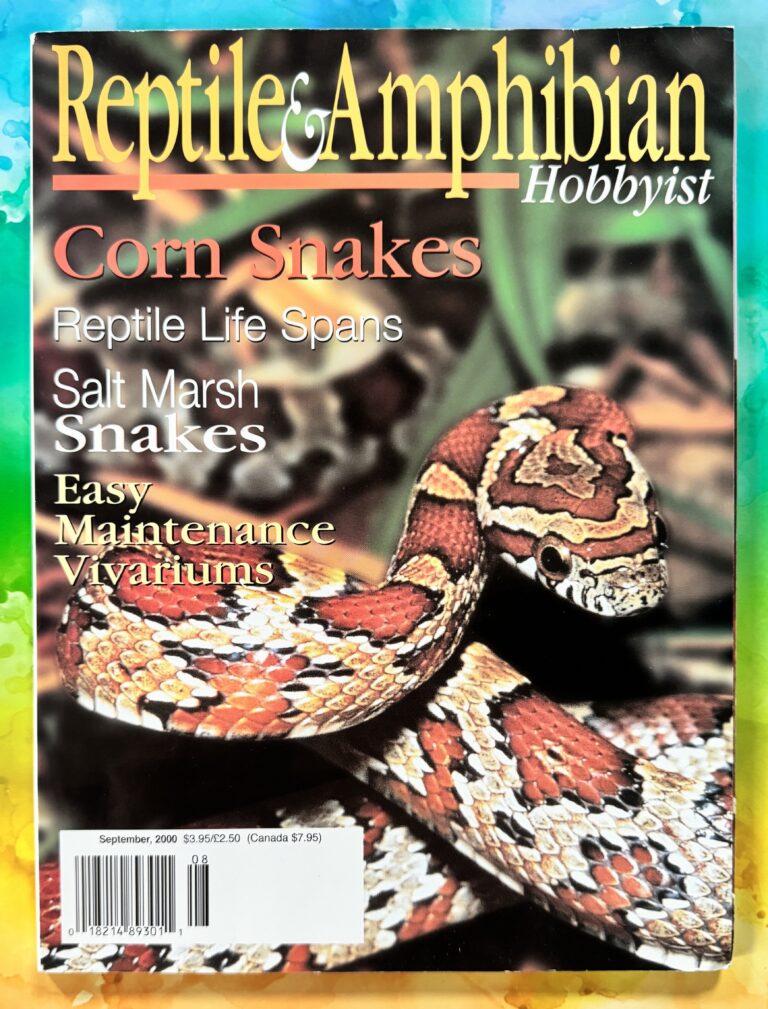
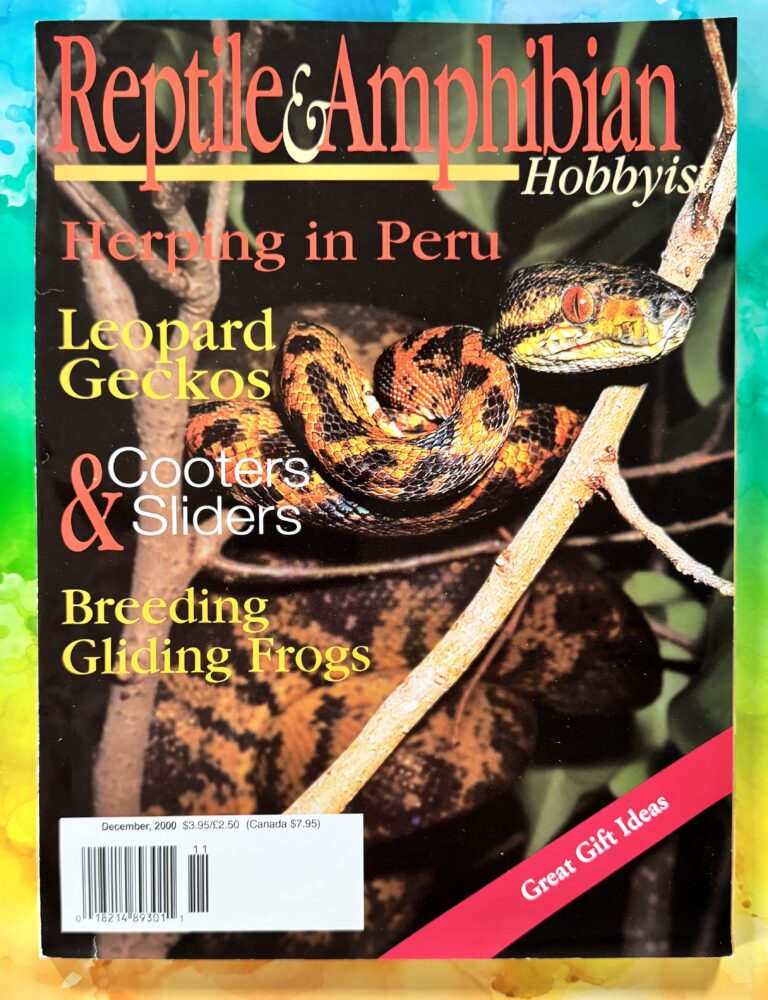
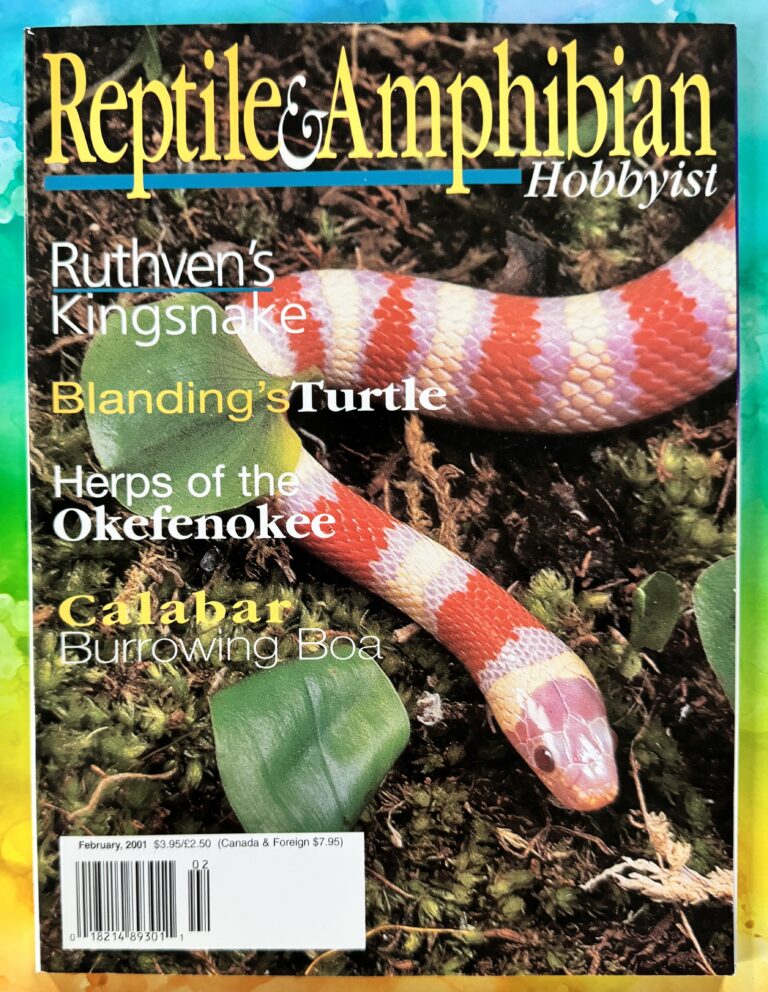
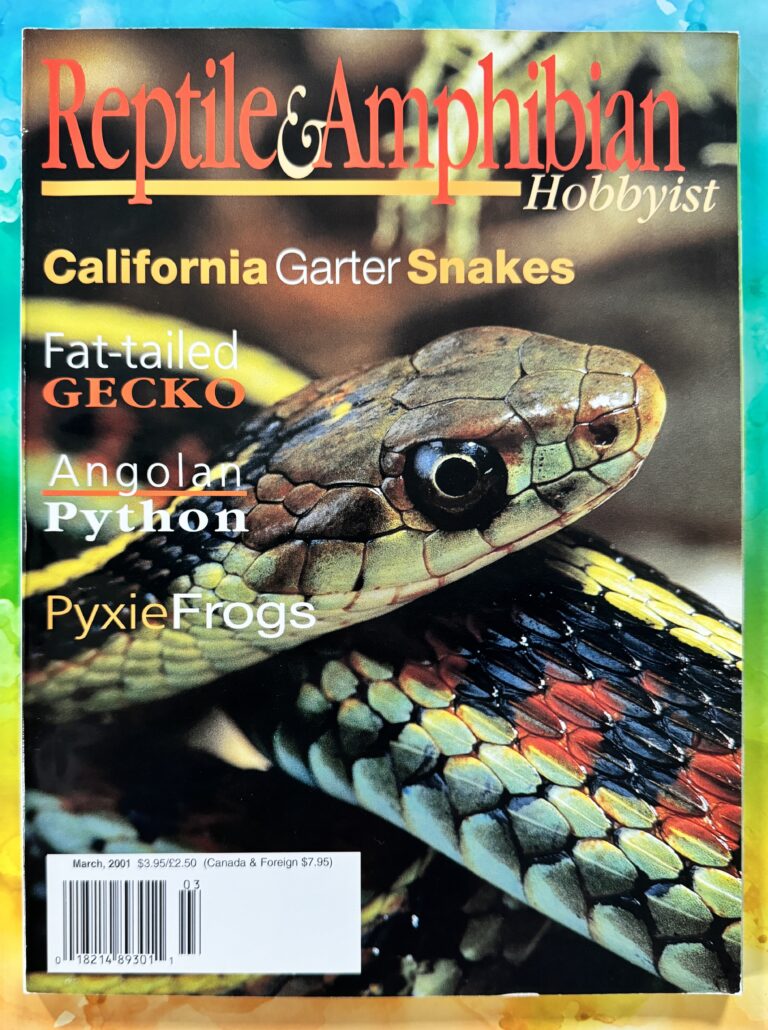
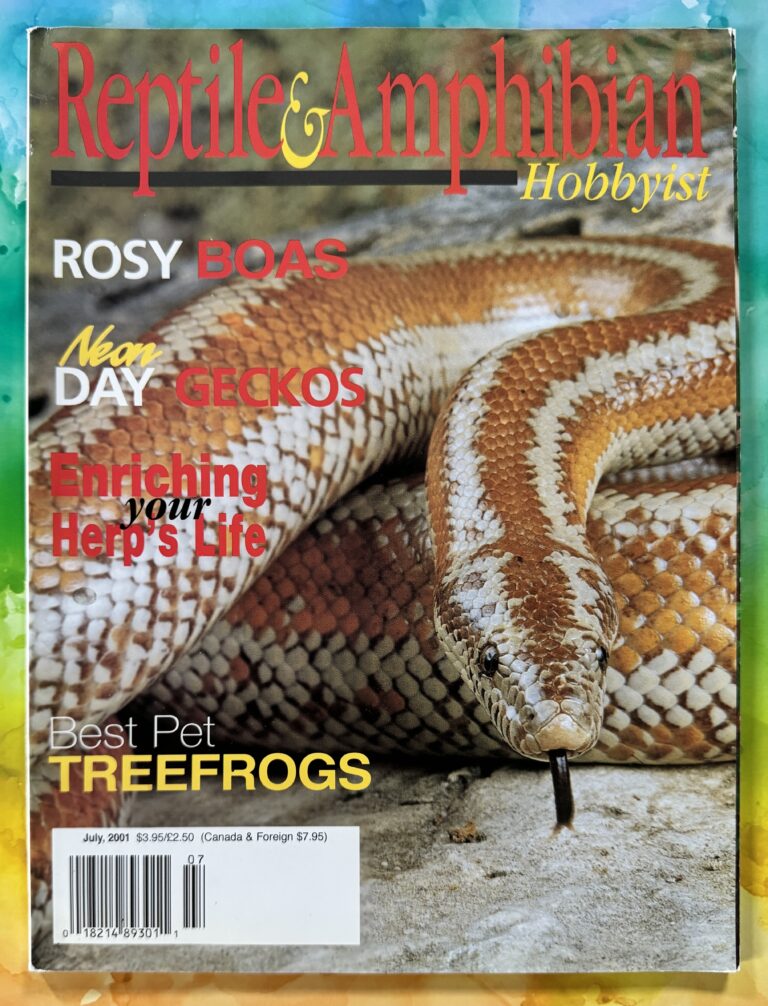
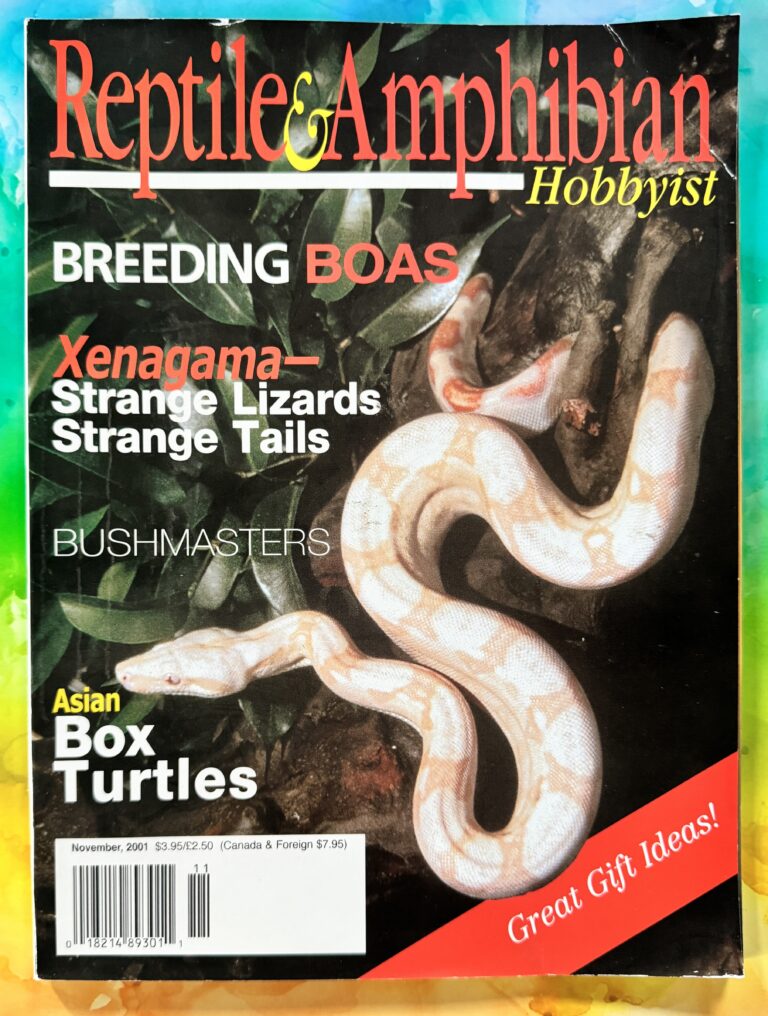
Preservation Significance
Reptile & Amphibian Hobbyist is preservation significant because it represents the documented successor created from two established American herpetological magazines. The collection includes the May 1999 issue, the first combined issue named in the contemporary merger notice, together with later issues extending through November 2001. This makes the collection capable of documenting not only a magazine title but the actual transition from two predecessor publications into a single successor.
The surviving issues preserve a concentrated period of late 1990s and early 2000s herpetoculture. Snake material remains especially prominent, including Mexican milk snakes, green rat snakes, island pythons, California kingsnakes, gray banded kingsnakes, black rat snakes, corn snakes, salt marsh snakes, Ruthven’s kingsnake, California garter snakes, Angolan pythons, rosy boas, bushmasters and boa breeding.
The successor title also carried forward the broader editorial range of both predecessors. The represented issues include frogs, turtles, tortoises, monitors, geckos, breeding, vivarium design, field herpetology, enrichment and natural history. The result is a useful record of how T.F.H. combined two different herpetological publishing traditions into one monthly magazine.
Magazine Research Record
Reptile & Amphibian Magazine
Publication Identification
| Field | Information |
| Country | United States |
| Publisher | R&A Publishing |
| Publisher address | RD 3, Box 3709, Pottsville, Pennsylvania 17901 |
| Magazine title | Reptile & Amphibian Magazine |
| Publication status | Discontinued as a separate title following acquisition by T.F.H. Publications and the May 1999 merger into Reptile & Amphibian Hobbyist. |
| Publication run | Began in 1989; independent magazine continued through the 1999 merger. Exact first and final issue designations: Pending research update. |
| Editor | Norman Frank, DVM |
| Printer | Pending research update |
| ISSN | 1059-0668 |
| Language | English |
| Publication type | Specialist reptile and amphibian husbandry, breeding, veterinary, natural history and field herpetology magazine |
| Publication frequency | Initially six issues per year on a primarily bimonthly schedule. Later in the run, some issues used single month dates and contemporary references describe an expanded annual schedule. |
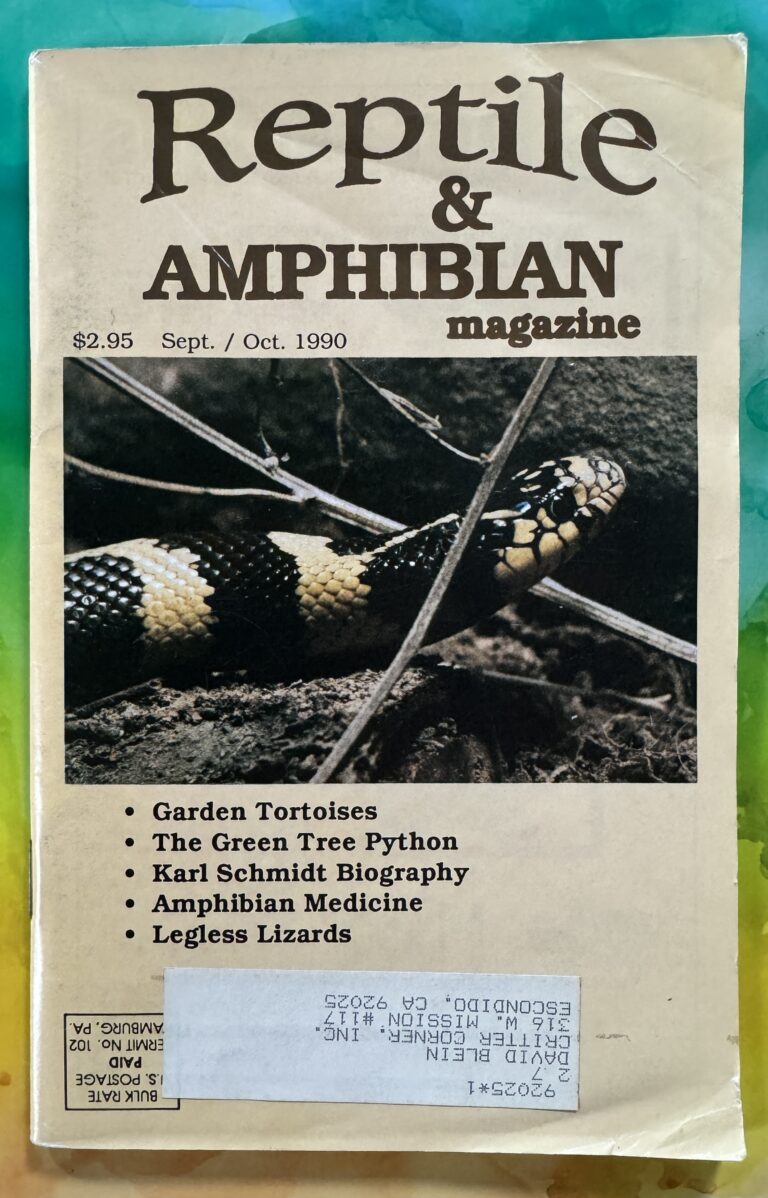
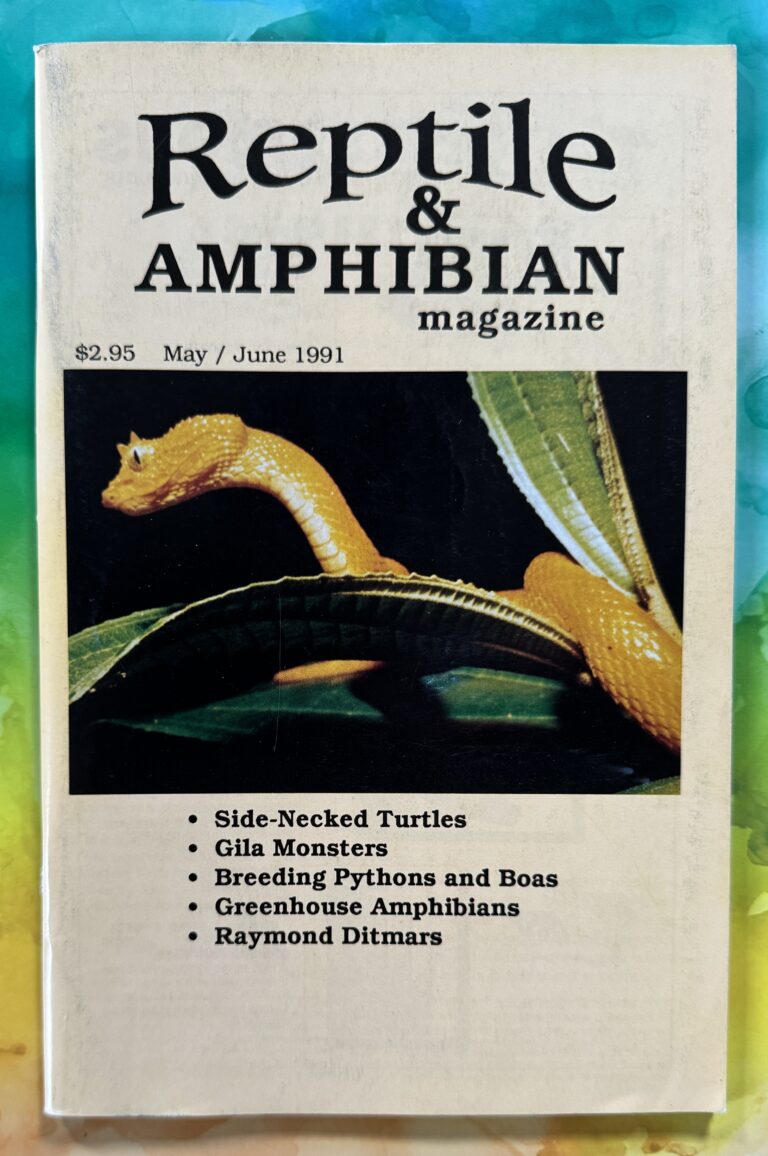
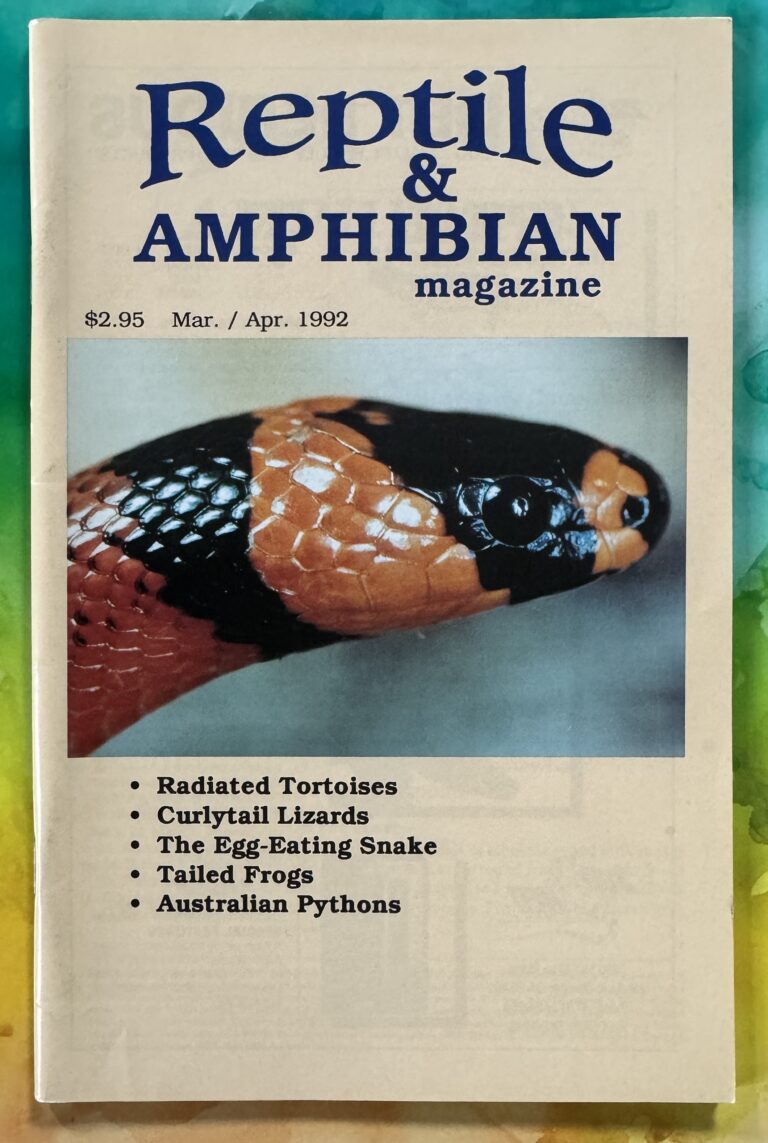
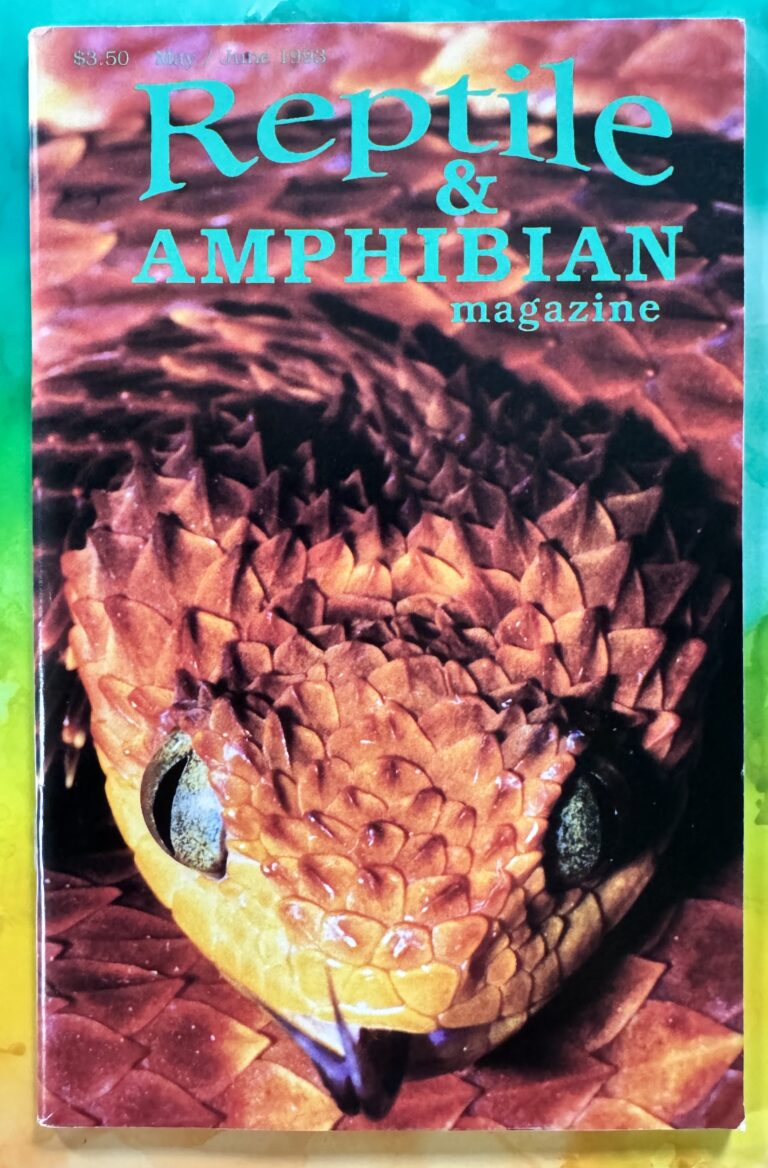
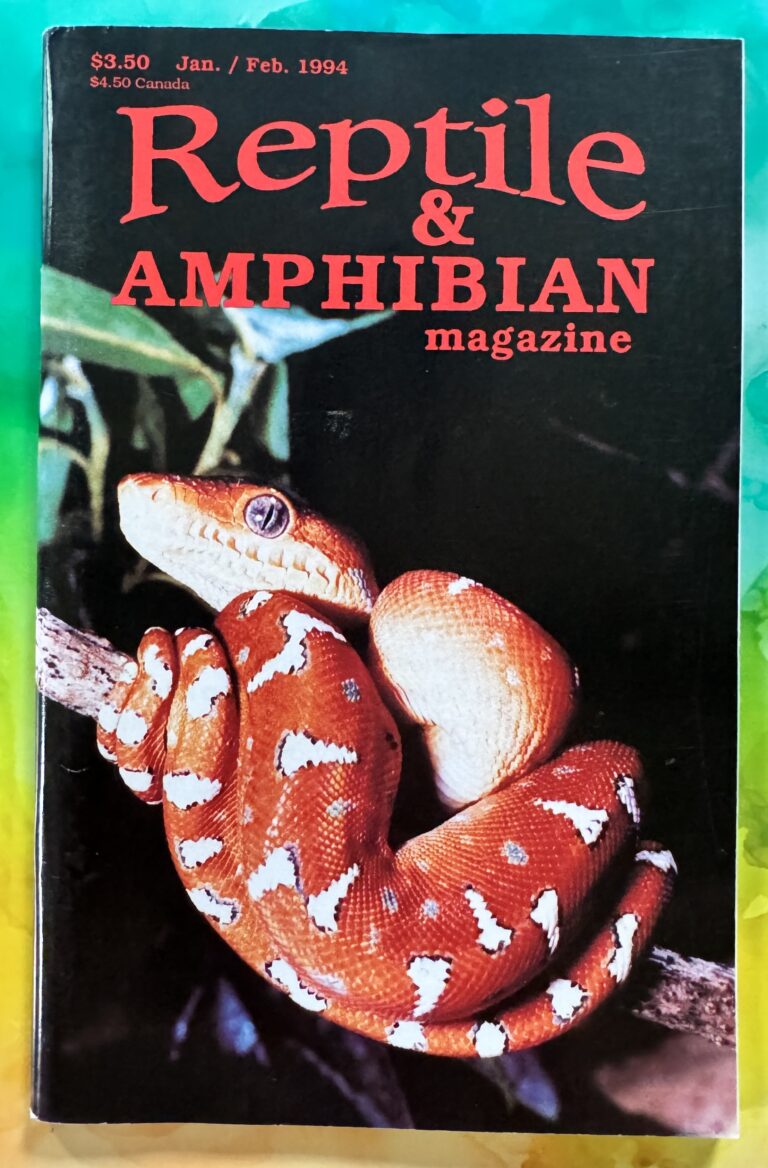
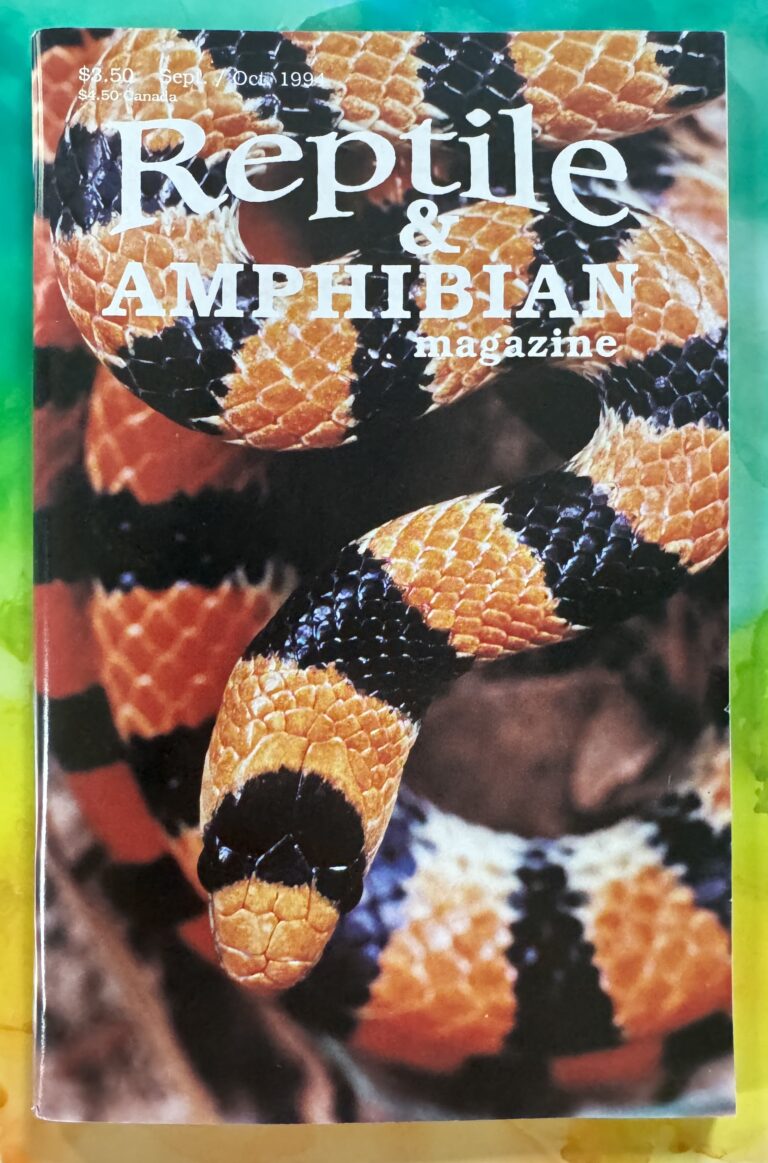
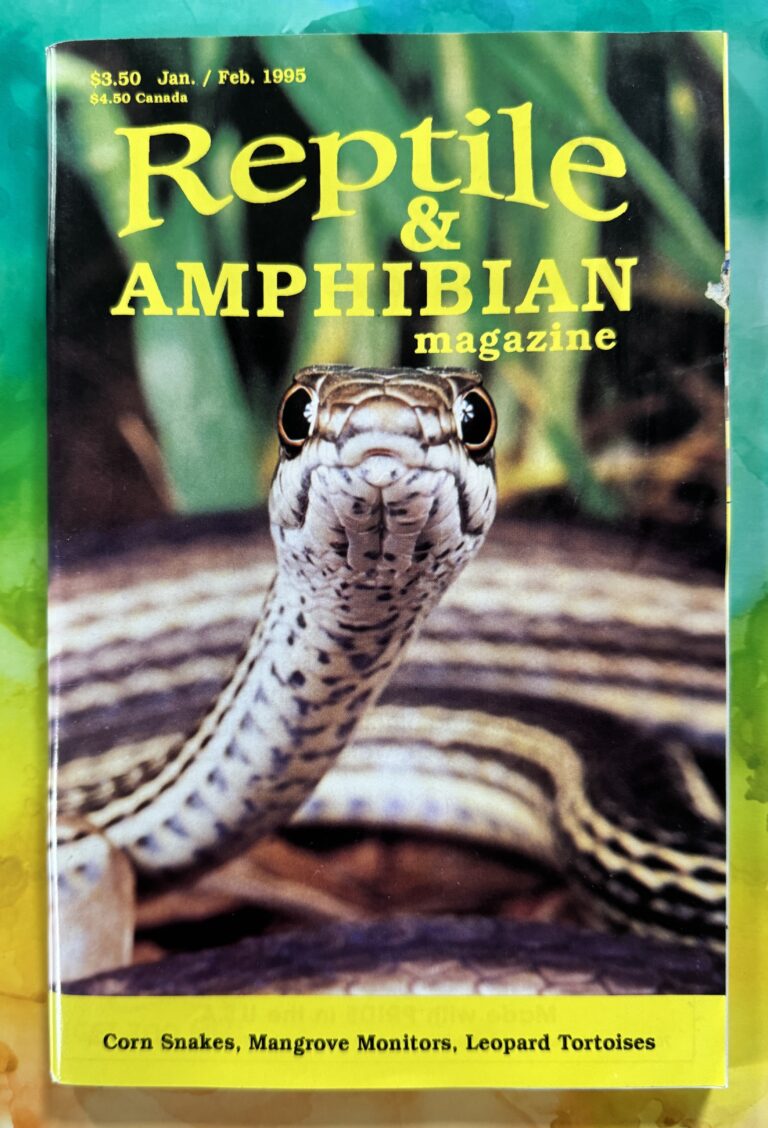
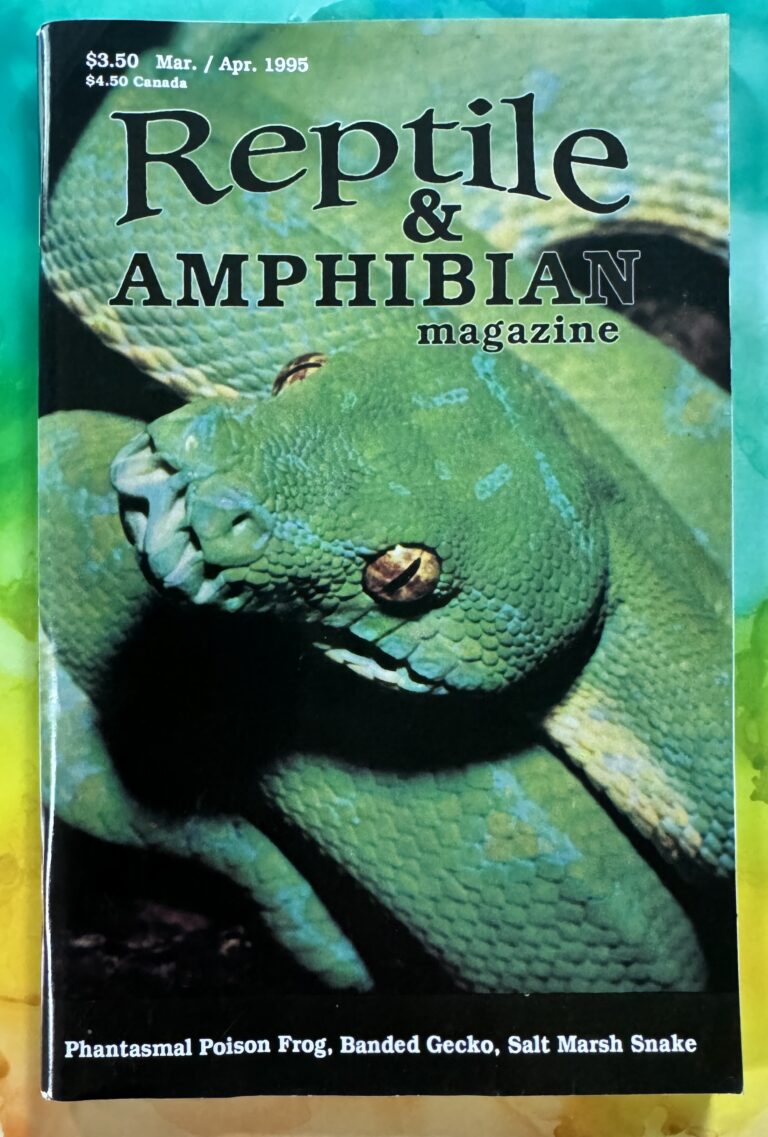
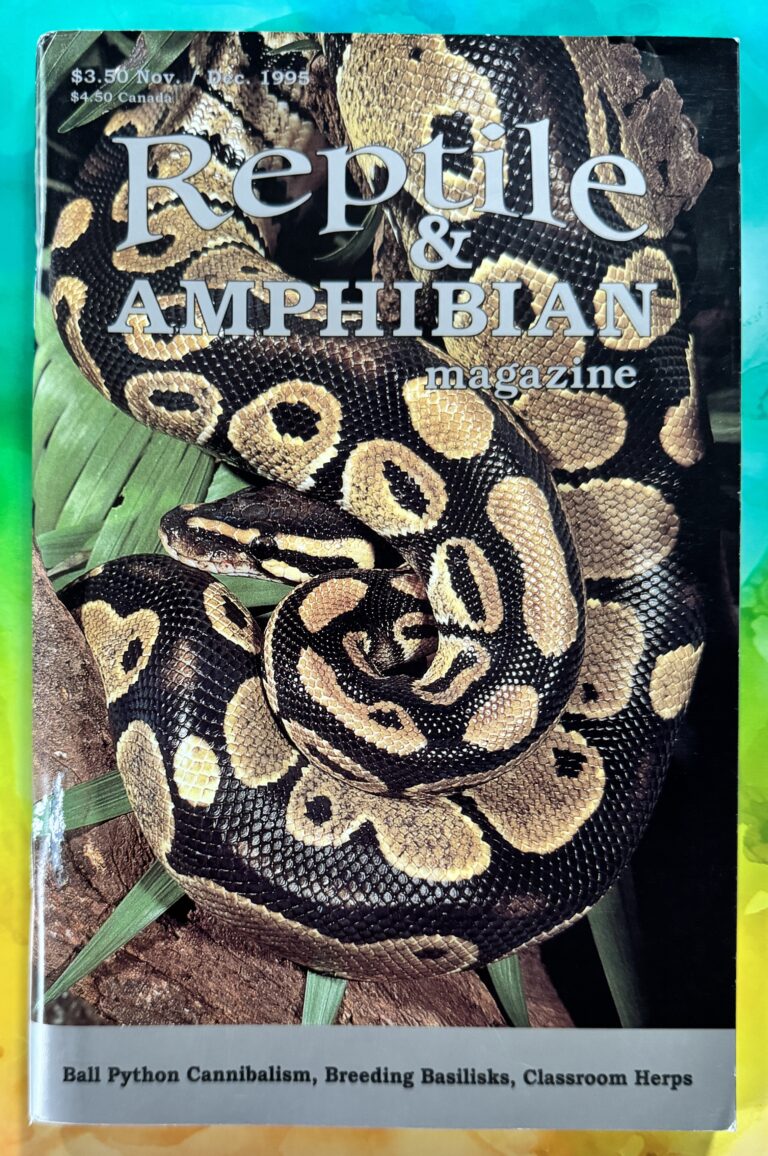
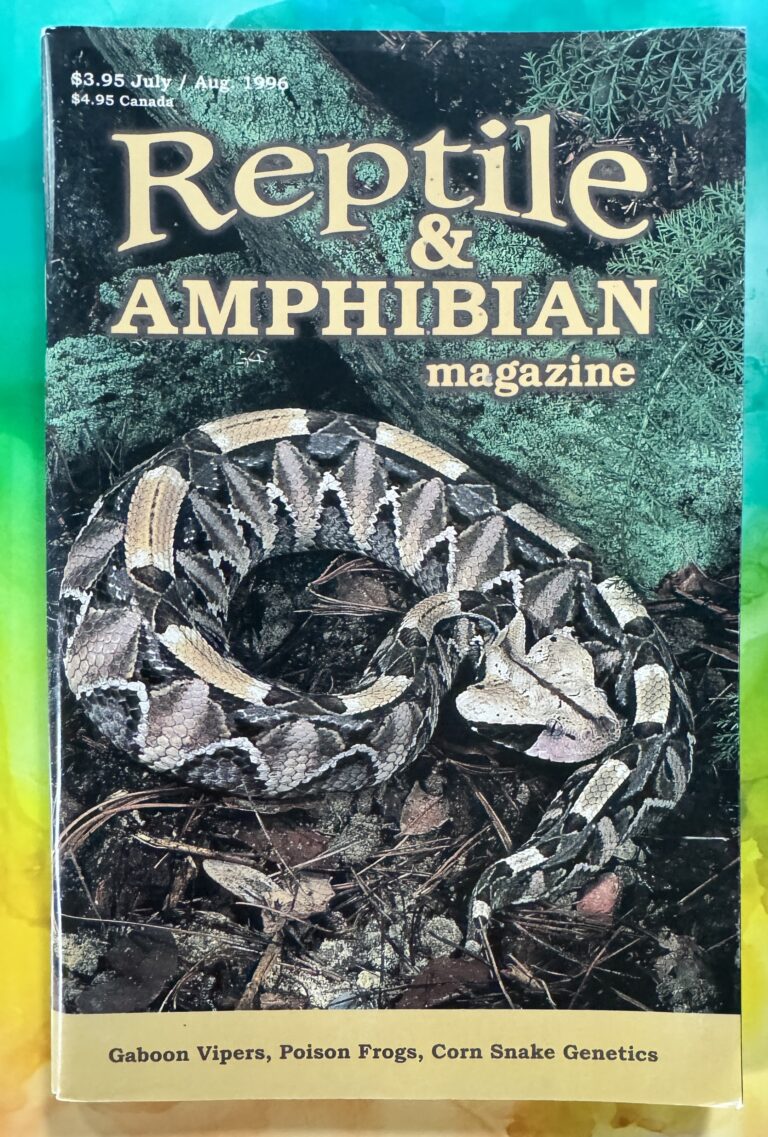
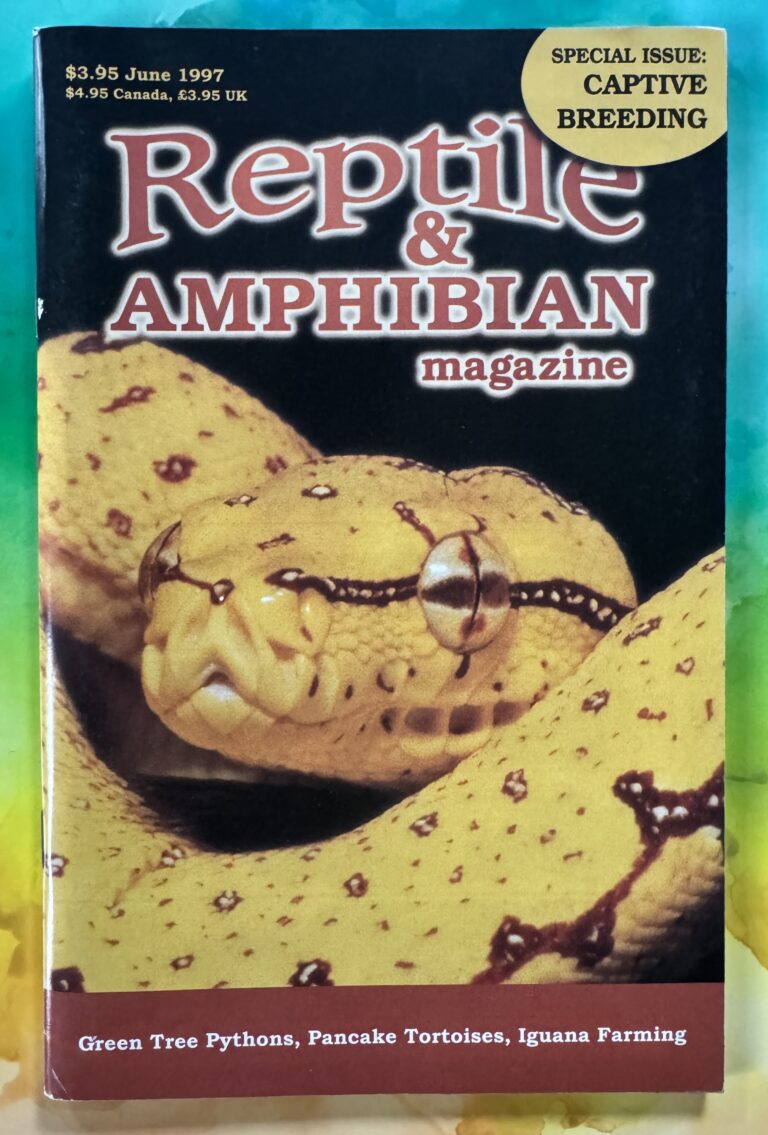
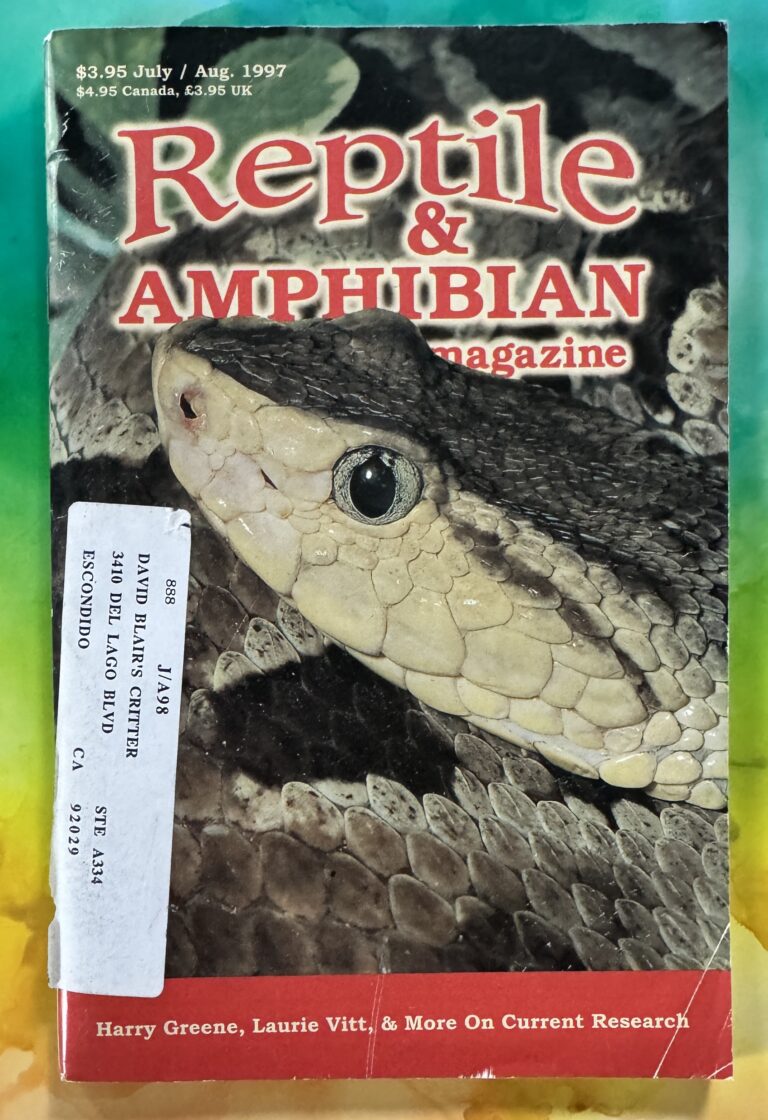
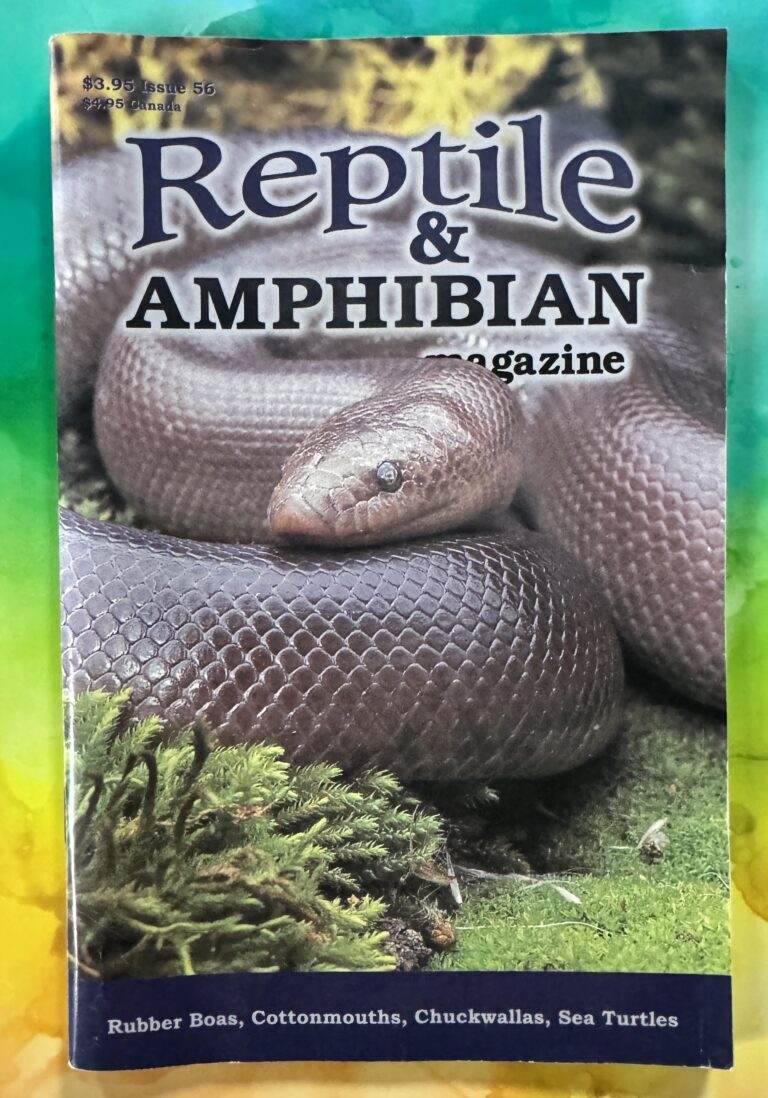
Preservation Significance
Reptile & Amphibian Magazine has substantial preservation significance because the collection documents a long pre merger run of an American herpetological hobby publication from the early 1990s through the period immediately before its acquisition by T.F.H. Publications. The represented issues preserve the magazine’s independent identity, editorial approach and visual development before it became part of Reptile & Amphibian Hobbyist.
The magazine is especially useful as a record of the period before internet based husbandry information became widely available. Its covers document captive care, breeding, veterinary topics, field herpetology, biographies, conservation, taxonomy and historical herpetology. Snake coverage is extensive and includes green tree pythons, breeding pythons and boas, egg eating snakes, Australian pythons, corn snakes, salt marsh snakes, ball pythons, Gaboon vipers, rubber boas, cottonmouths and other taxa.
The collection also preserves the title at a historically important transition point. A contemporary subscriber letter dated March 15, 1999 records that T.F.H. Publications had acquired Reptile & Amphibian Magazine and would merge it with Reptile Hobbyist. Because the collection contains issues from both predecessor publications and the successor title, it documents the merger as a physical publication lineage rather than merely as a bibliographic note.
Magazine Research Record
Reptile Hobbyist
Publication Identification
| Field | Information |
| Country | United States |
| Publisher | T.F.H. Publications, Inc. |
| Publisher address | One TFH Plaza, Neptune City, New Jersey 07753 |
| Magazine title | Reptile Hobbyist |
| Publication status | Discontinued under this title following the 1999 merger into Reptile & Amphibian Hobbyist. |
| Publication run | First issue: Volume 1, Number 1, 1995. Represented issues continue through February 1999, before the title merged in 1999. |
| Editor | Tom Mazorlig, identified for later represented issues; issue specific editorial assignments may have varied |
| Printer | Pending research update |
| ISSN | 1083-432X |
| Language | English |
| Publication type | Specialist reptile and amphibian hobby magazine covering husbandry, breeding, species profiles and natural history |
| Publication frequency | Monthly |
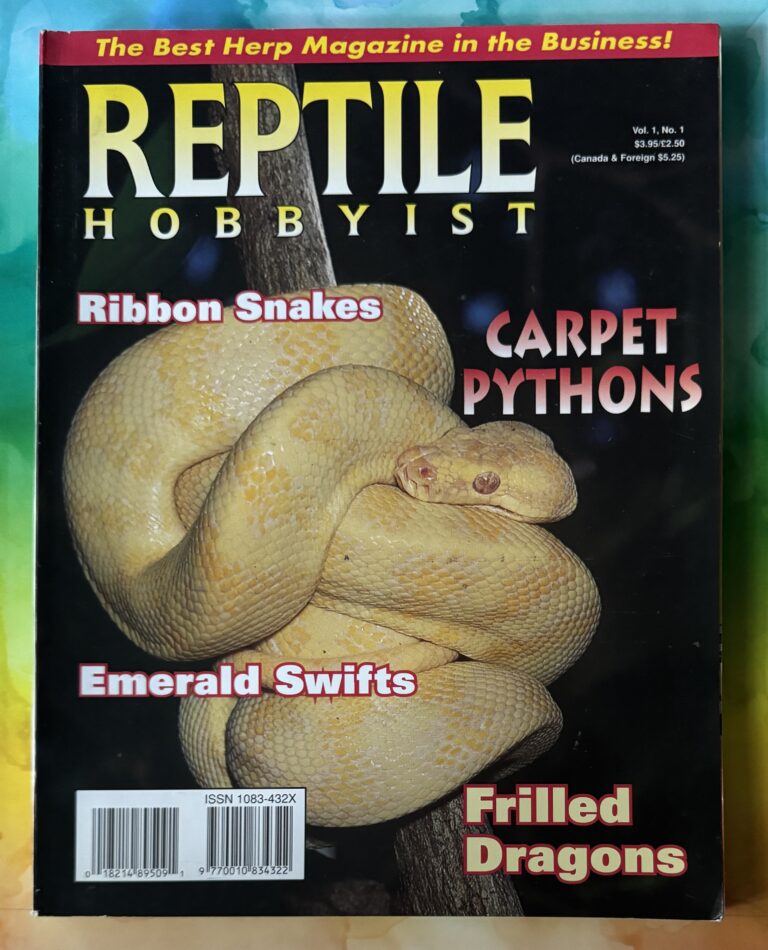
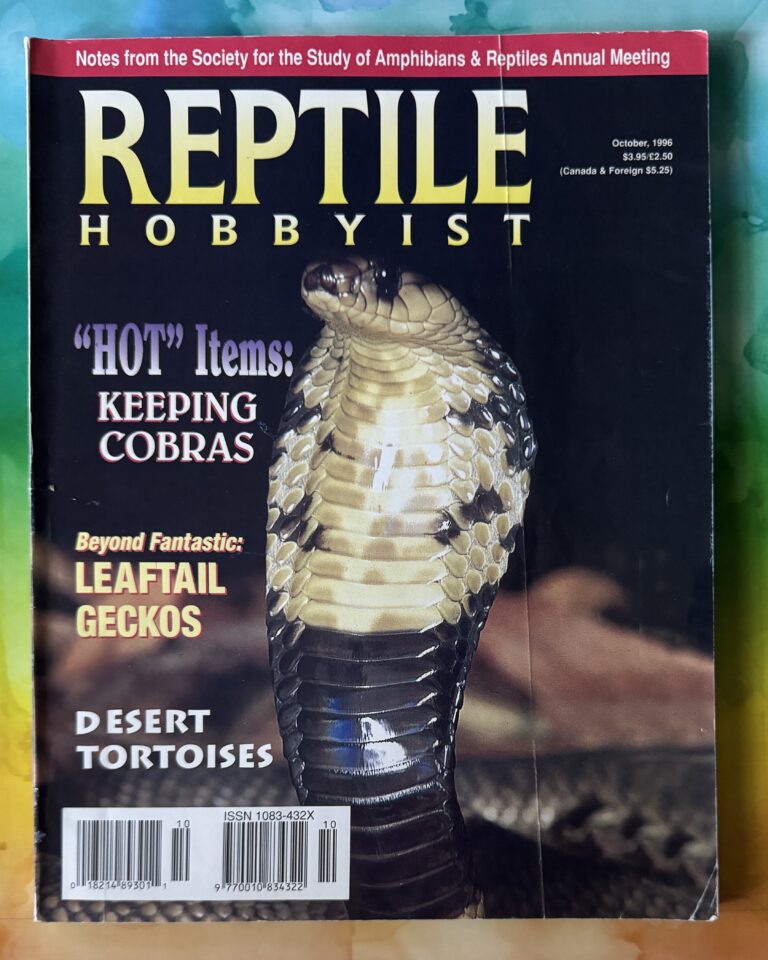
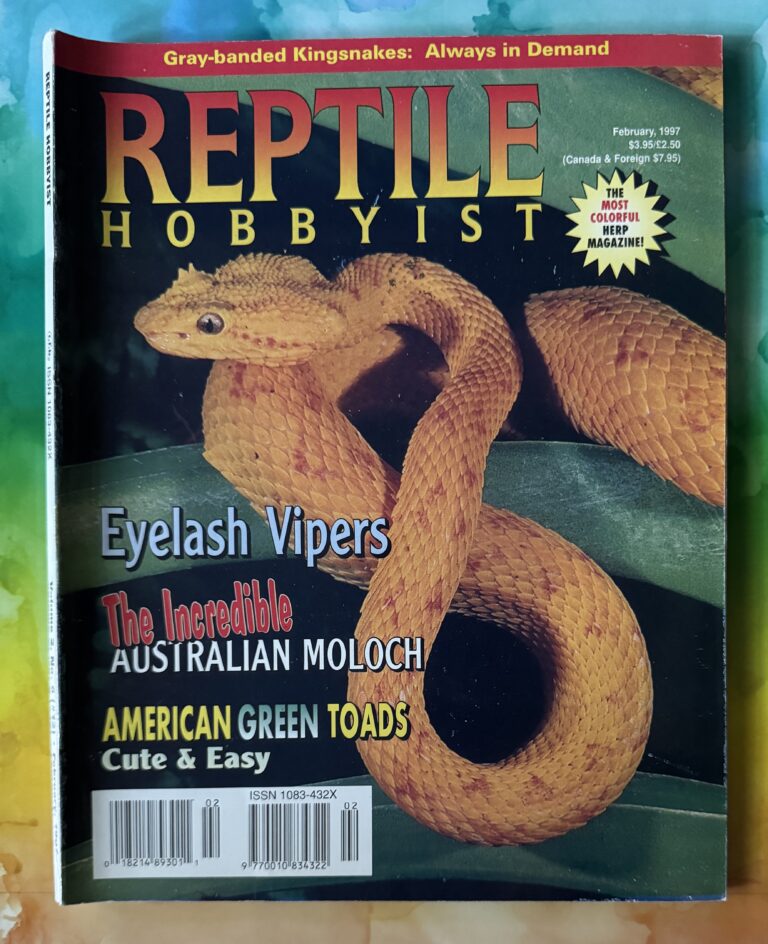
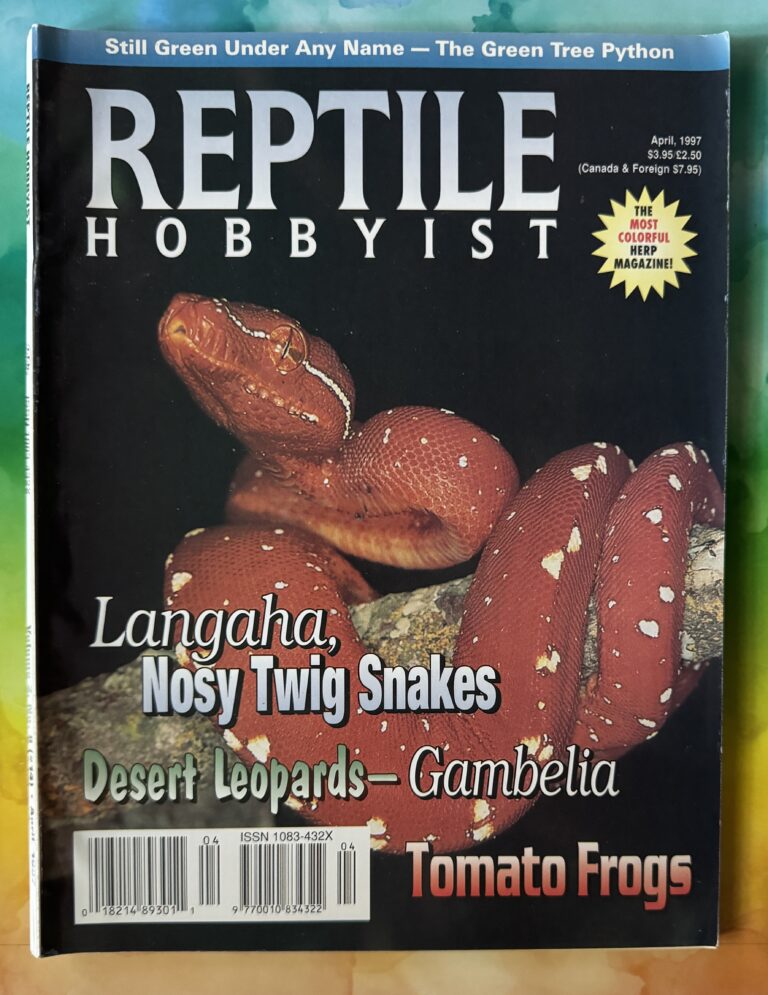
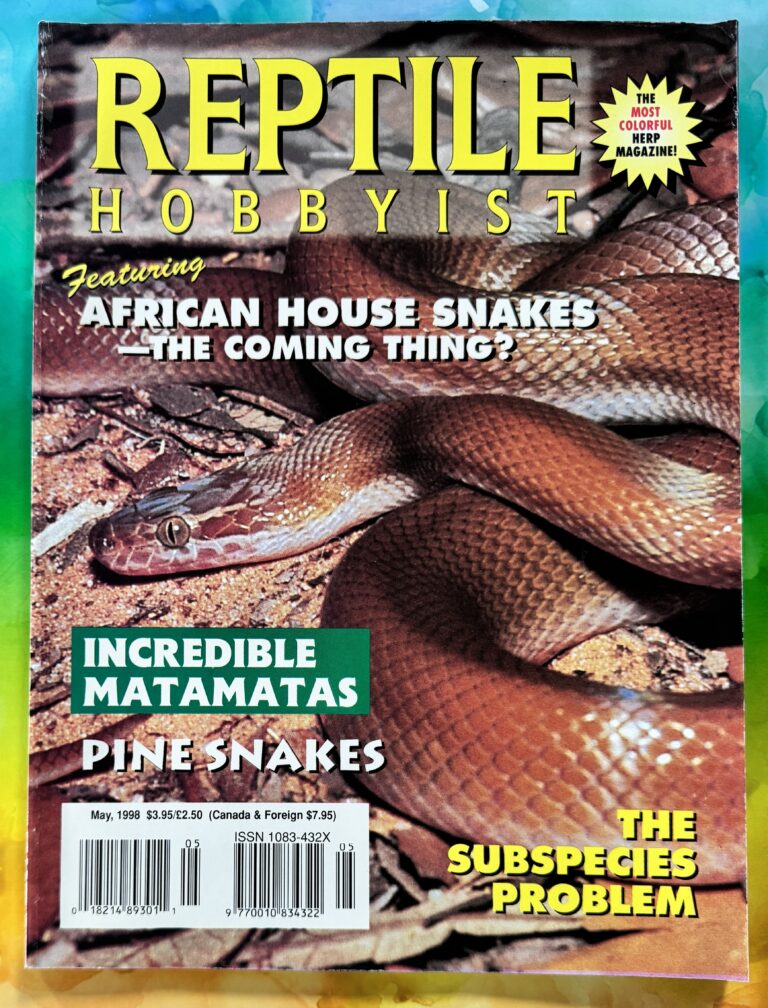
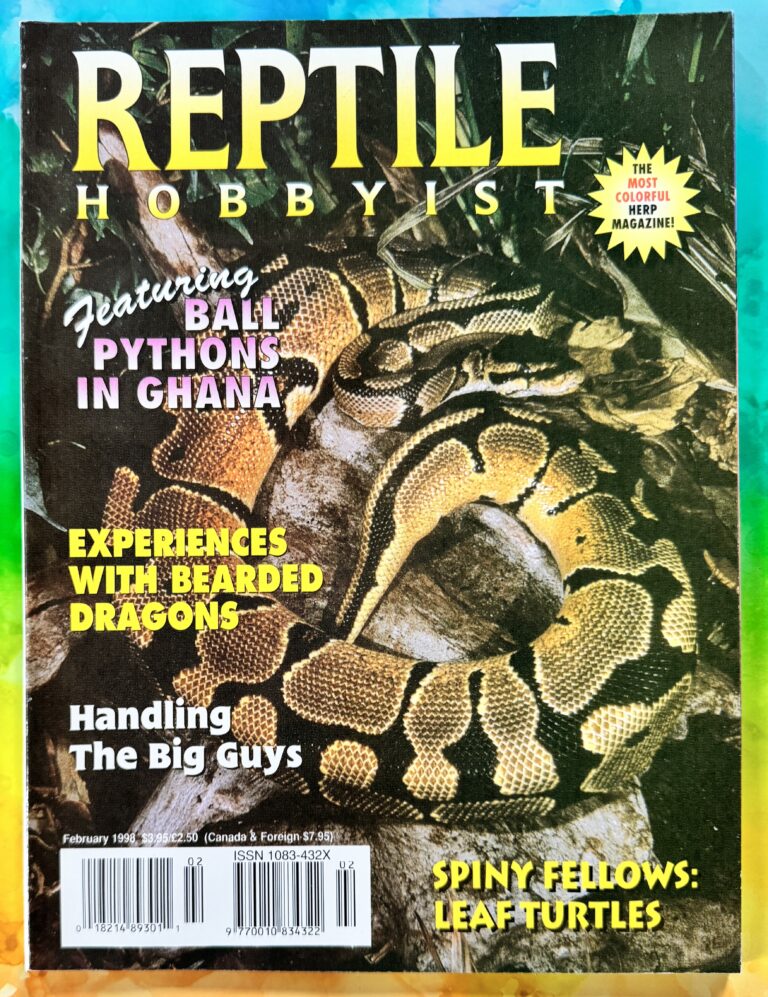
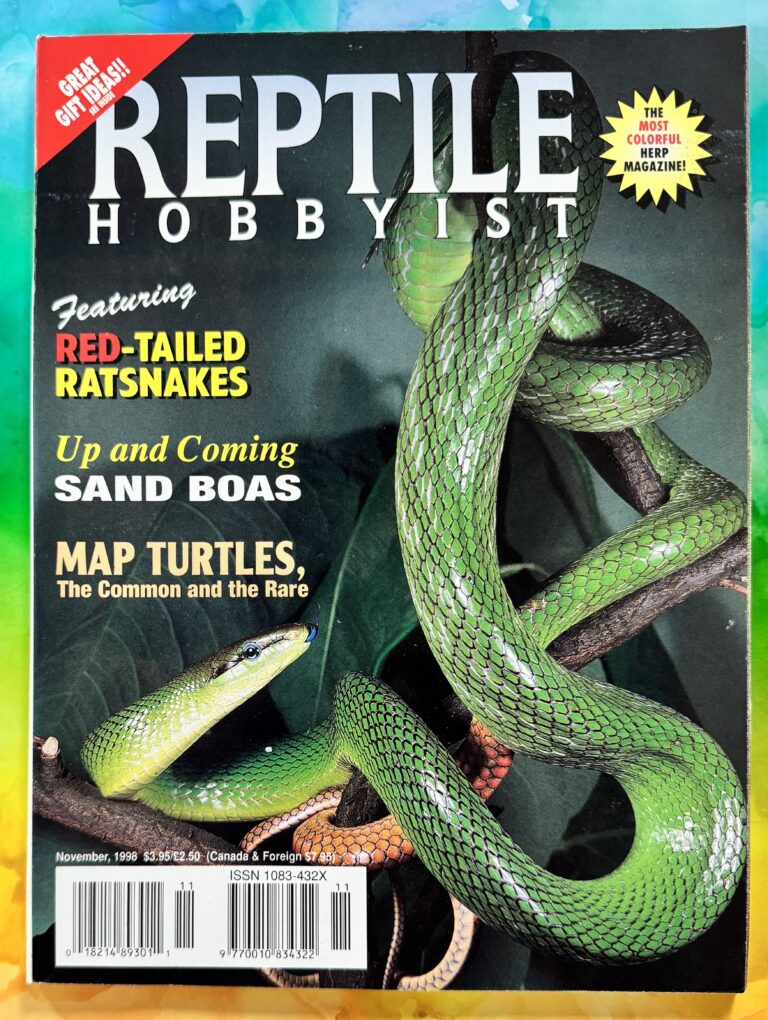
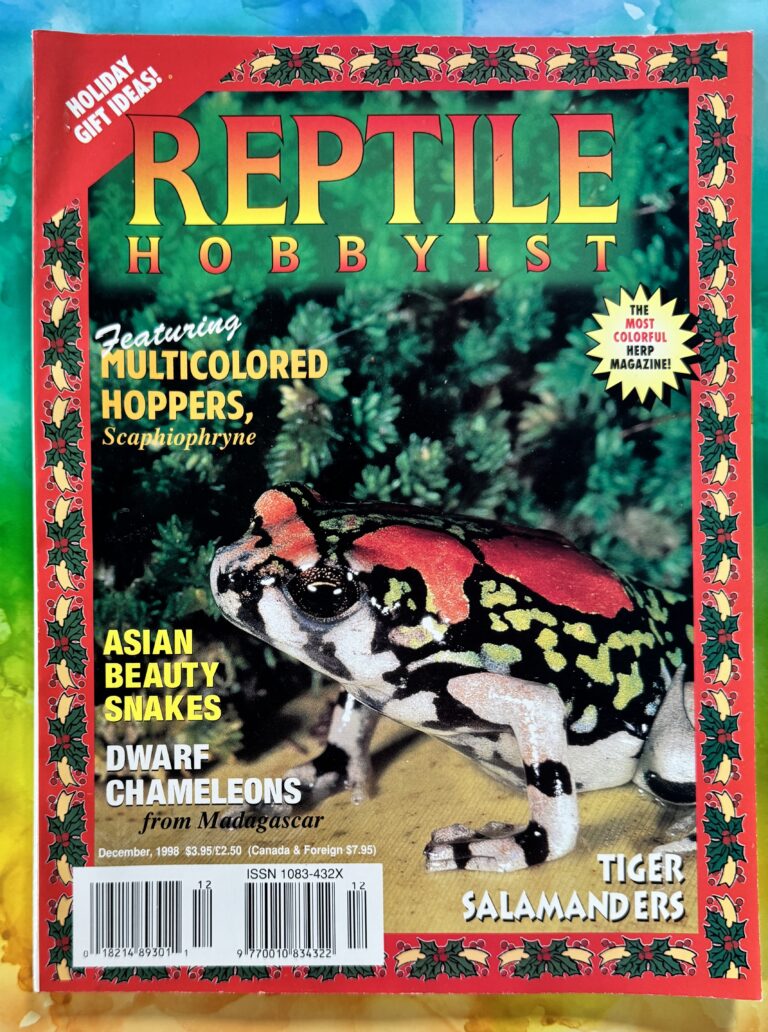
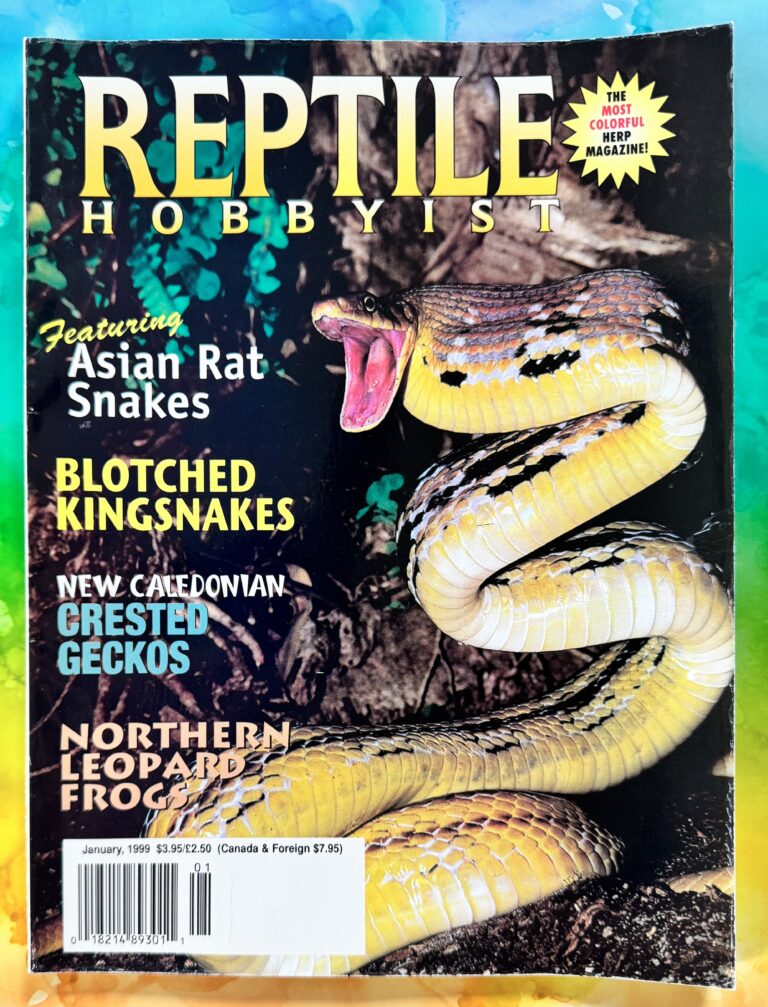
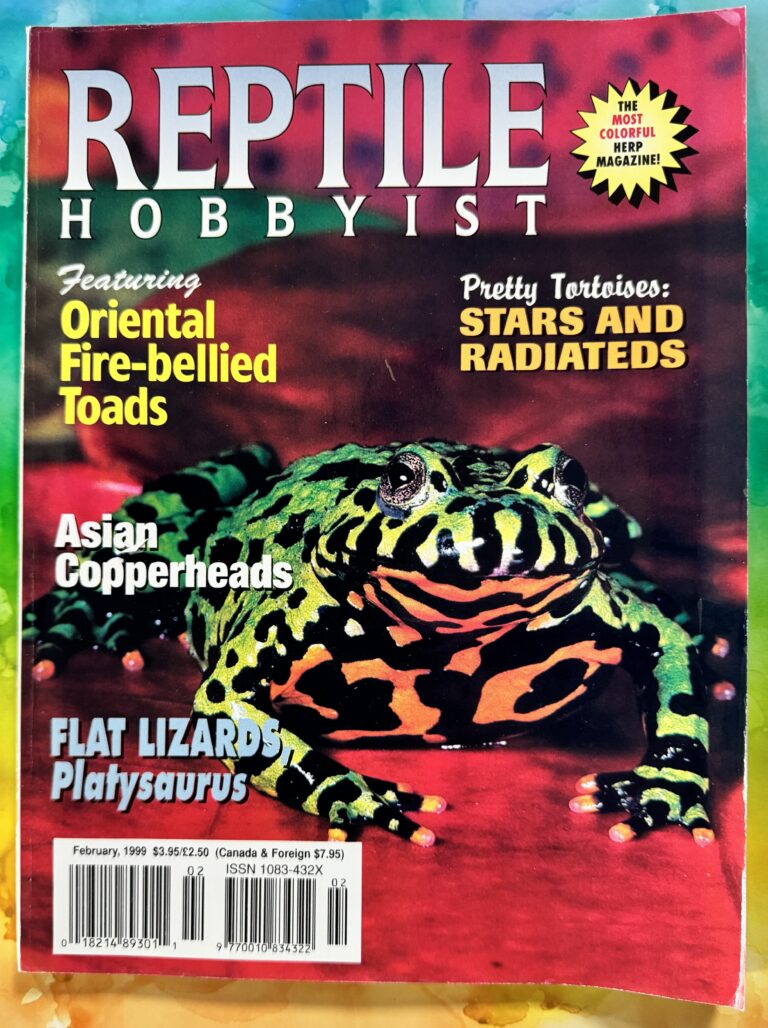
Preservation Significance
Reptile Hobbyist has strong preservation significance because the collection includes Volume 1, Number 1, the inaugural issue, together with a substantial group of later issues extending through February 1999. That combination makes it possible to document the publication from its beginning through the period immediately before its merger into Reptile & Amphibian Hobbyist.
The magazine is also significant as a record of 1990s American herpetoculture. Its covers combine captive care, breeding, species profiles, field observations, taxonomy, husbandry and general natural history. Snake related material appears repeatedly, including ribbon snakes, carpet pythons, kingsnakes, cobras, green tree pythons, ball pythons, African house snakes, rat snakes, sand boas, pine snakes, Asian beauty snakes and Asian rat snakes.
The represented run documents a period when specialist reptile information was still distributed primarily through printed magazines, books, breeders, shows and mail order networks. Because the title later disappeared into a successor publication, the physical issues preserve a distinct publication identity that would otherwise be easy to reduce to a brief bibliographic reference.
Magazine Research Record
Reptiles
Publication Identification
| Field | Information |
| Country | United States |
| Publisher | Fancy Publications, Inc. (premiere issue). Later documented publishers: I-5 Publishing, LLC; Lumina Media LLC; Pet360 Media Group; Living World Media, Inc. |
| Publisher address | Pending research update |
| Magazine title | REPTILES |
| Publication status | Active. Current subscription information states six issues per year. |
| Publication run | Began October 1993. Represented issues extend through July/August 2024. The complete future run remains ongoing. |
| Editor | Phillip Samuelson (original editor represented in the collection). Later issue specific editors: Pending research update. |
| Printer | Pending research update |
| ISSN | 1068-1965 |
| Language | English |
| Publication type | Specialist reptile and amphibian keeping, breeding, husbandry, conservation, behavior, and natural history magazine |
| Publication frequency | Bimonthly at launch, monthly beginning December 1994, and bimonthly again by 2017. Current subscription: six issues annually. |
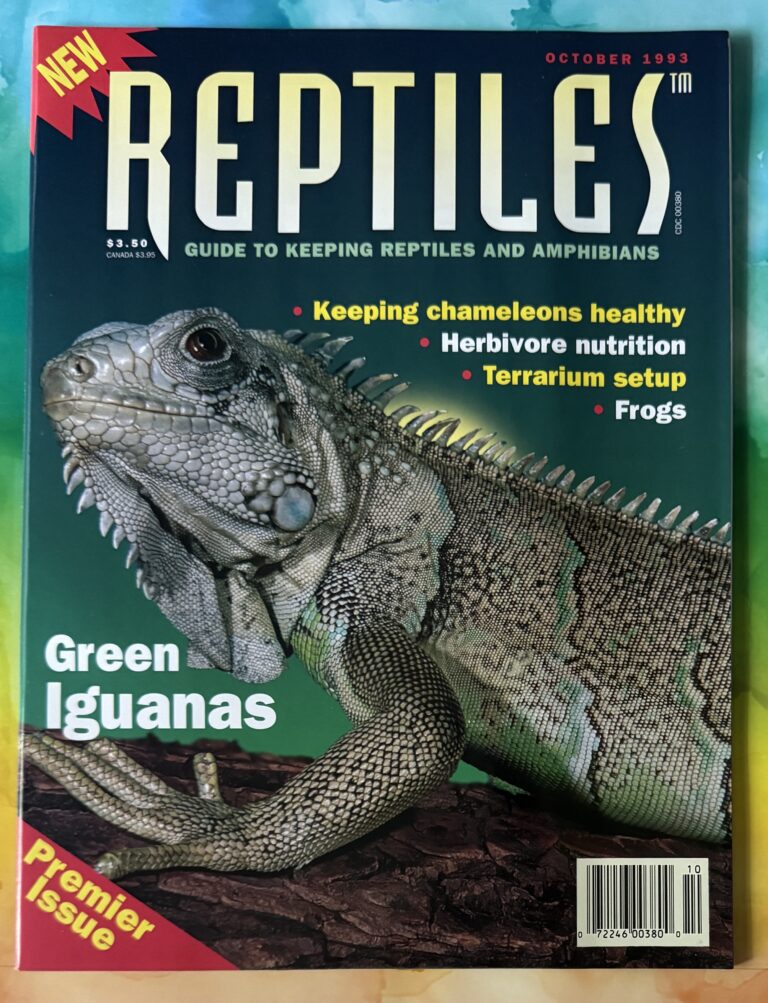
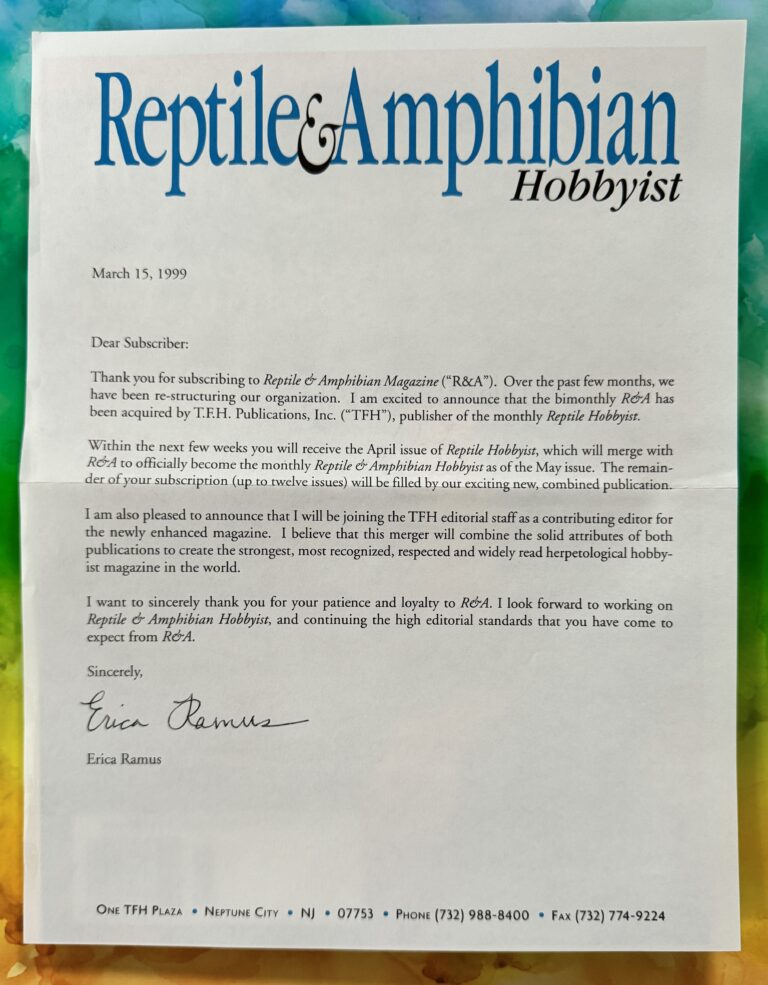
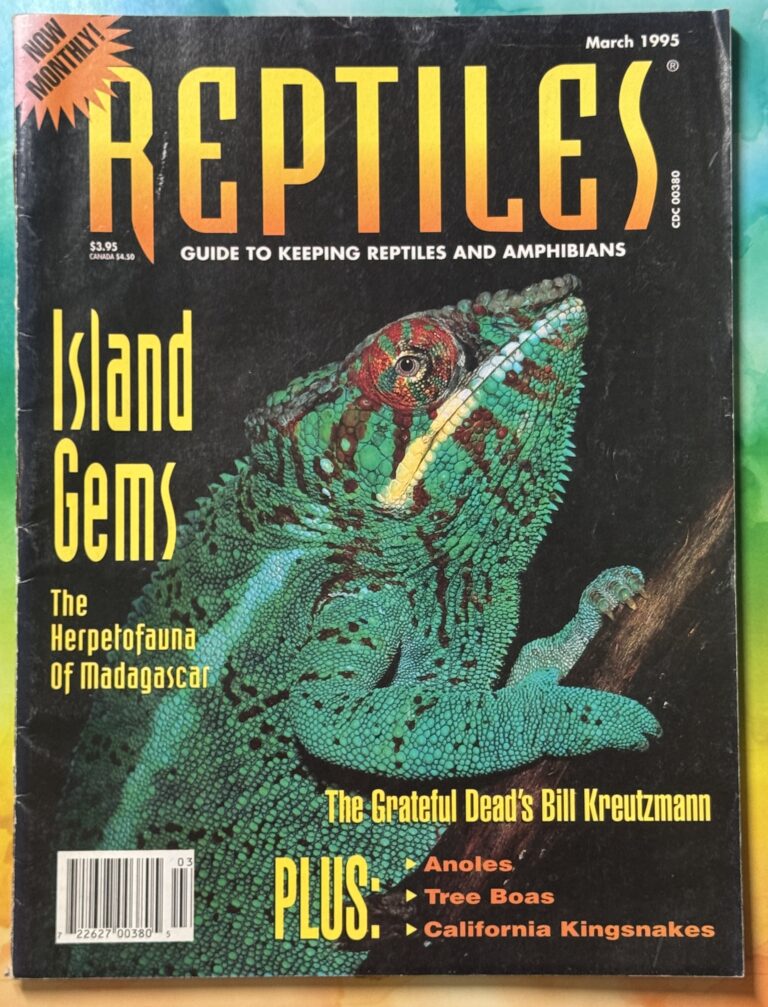
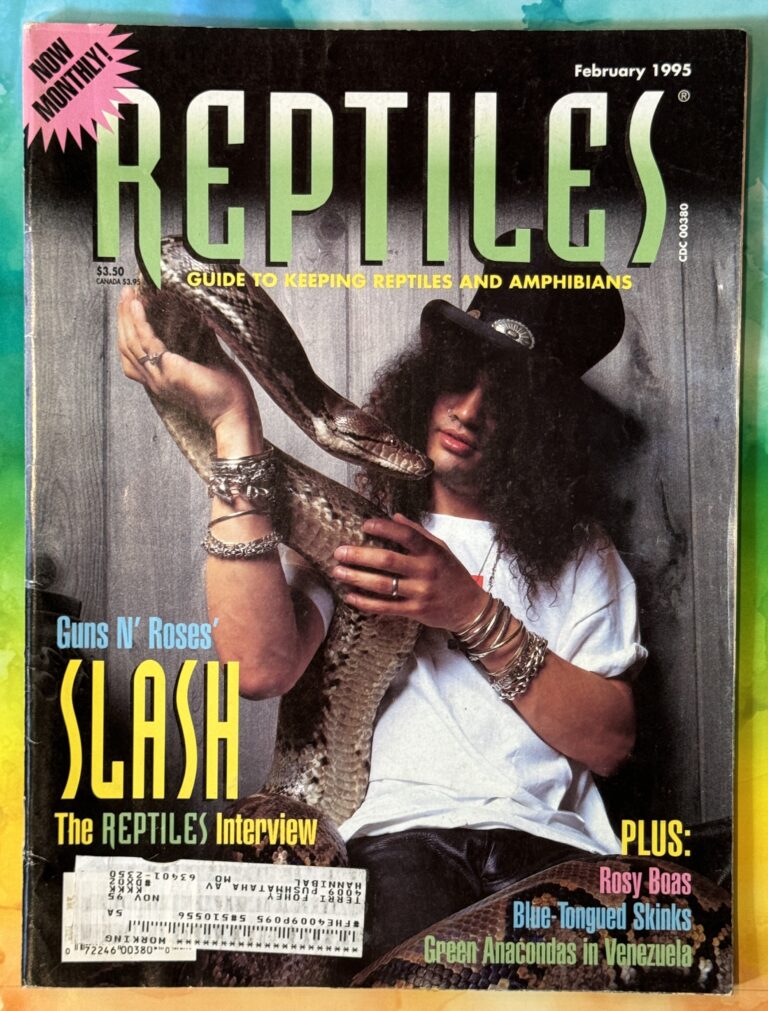
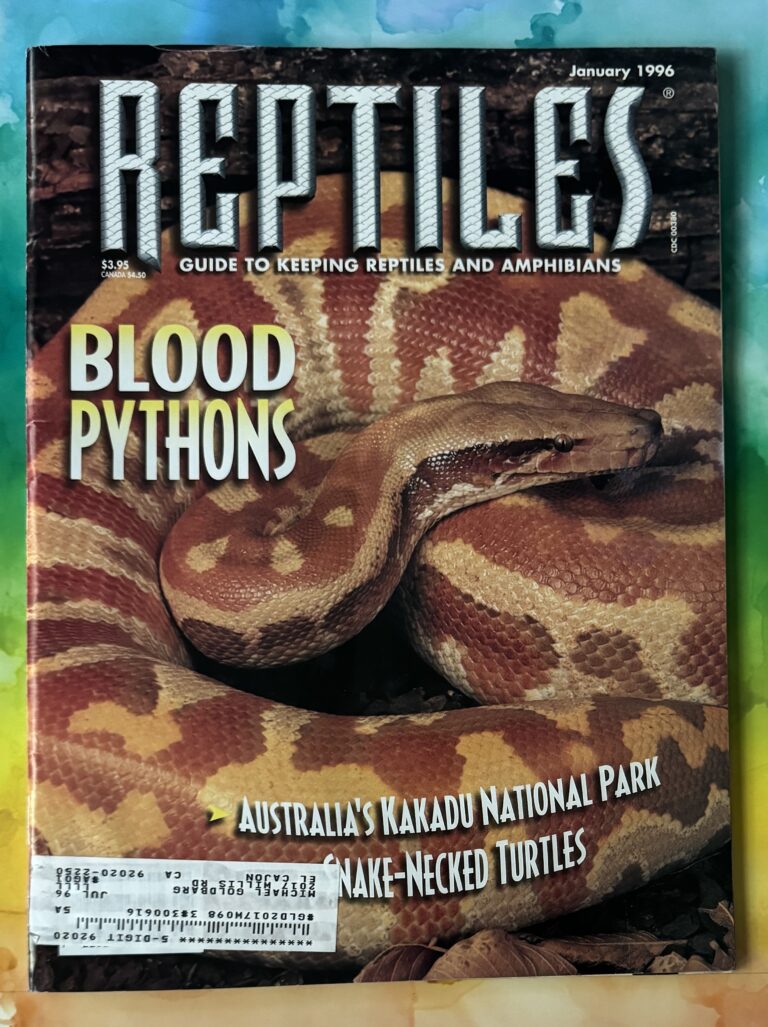
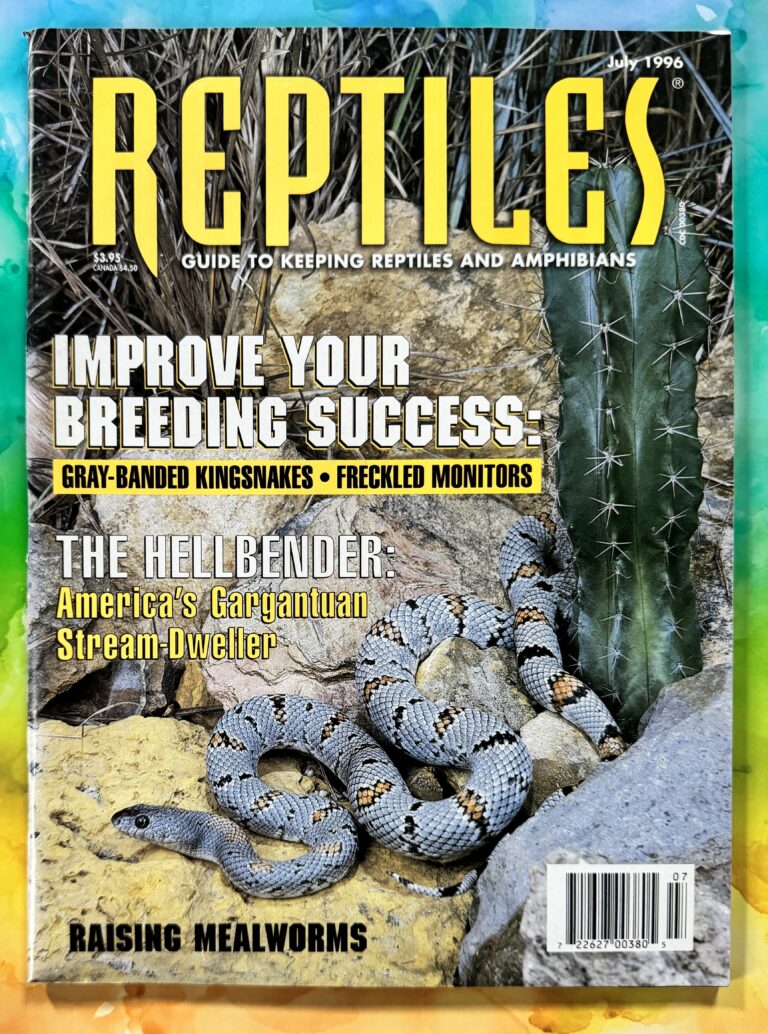
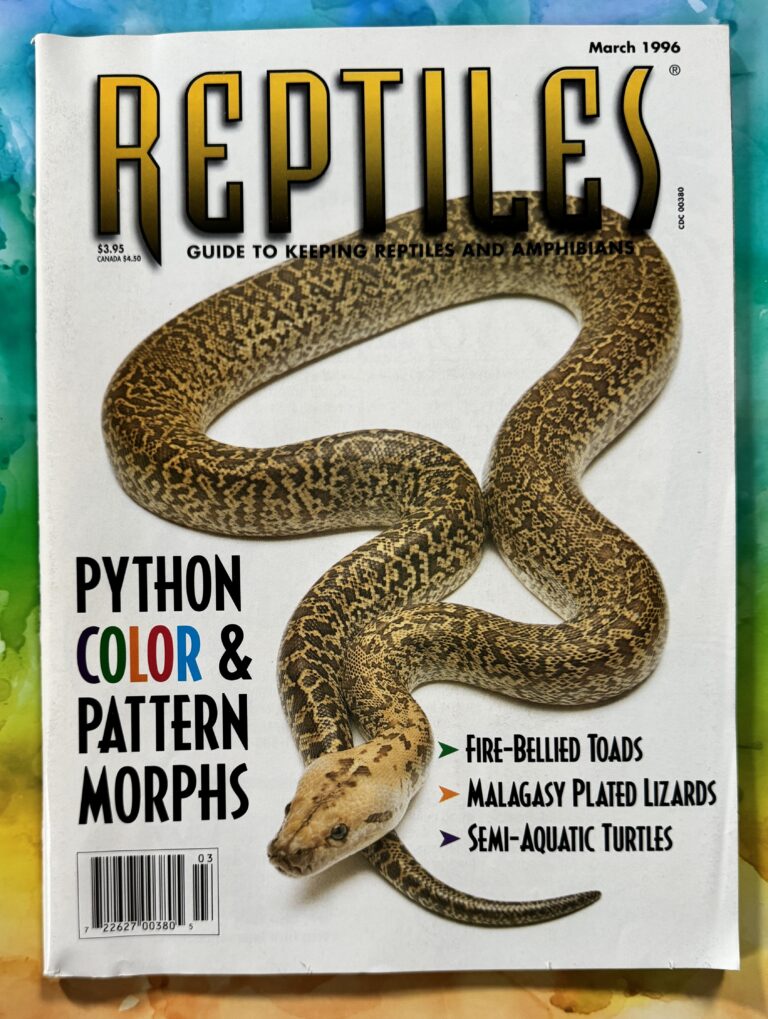
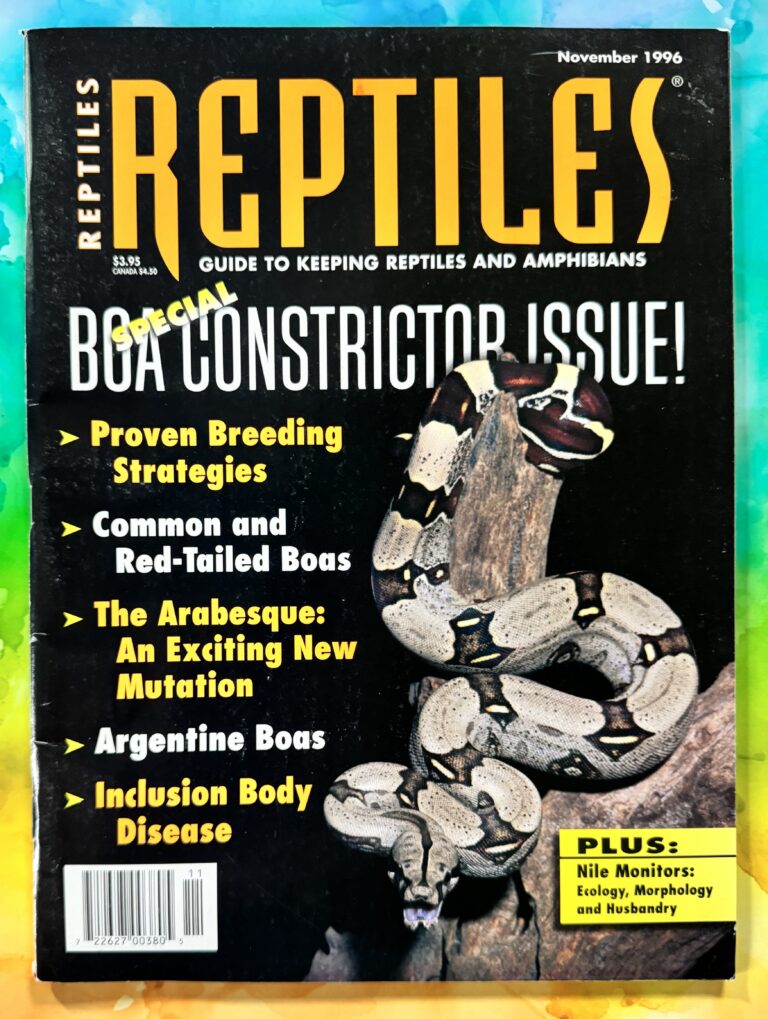
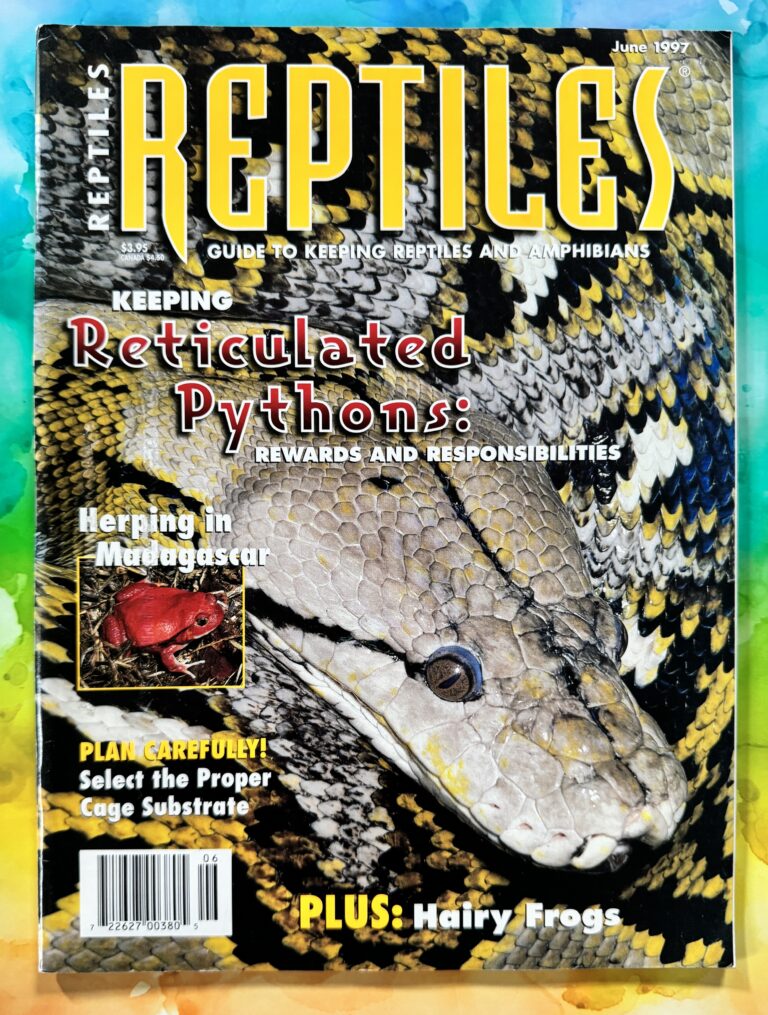
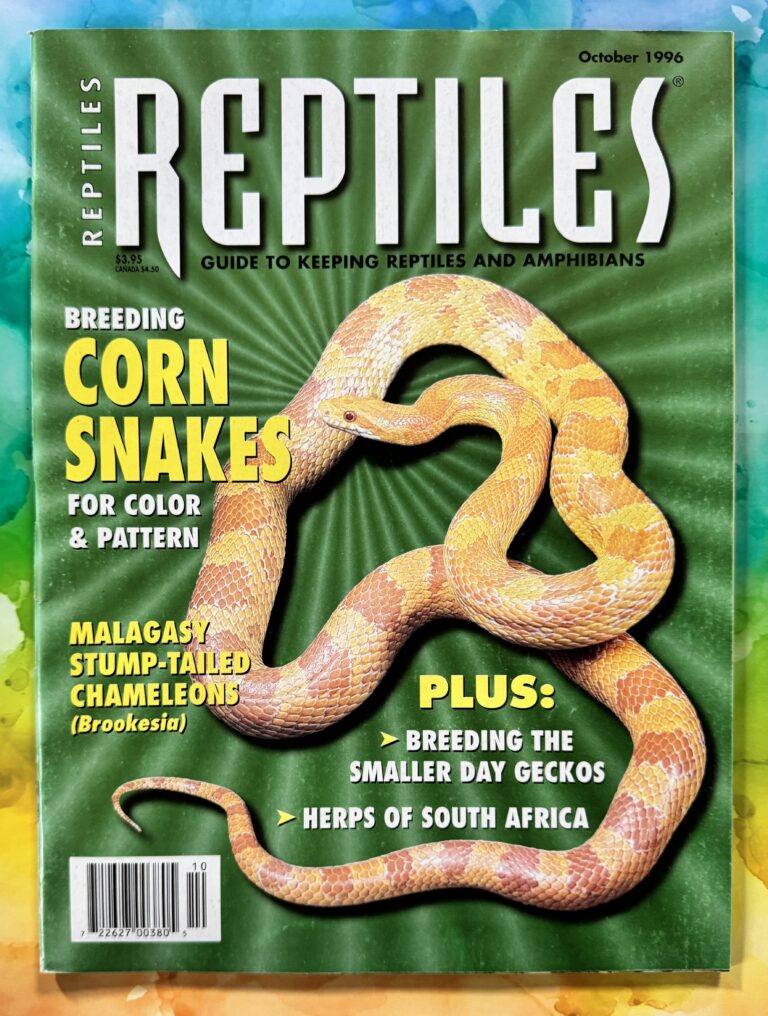
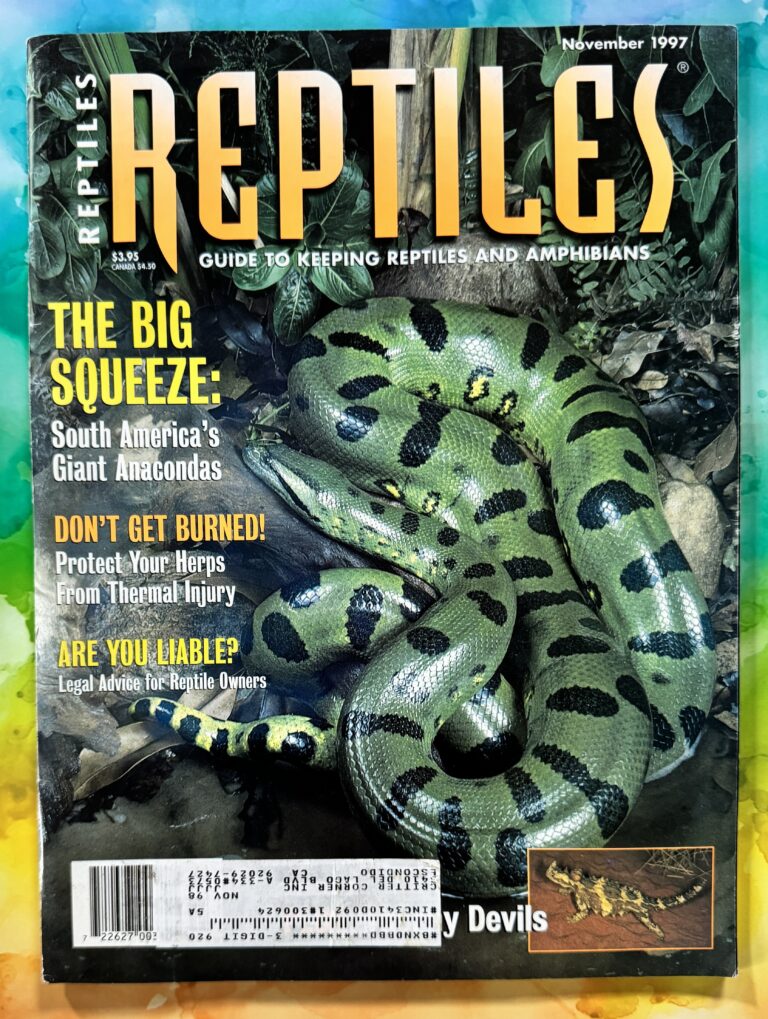
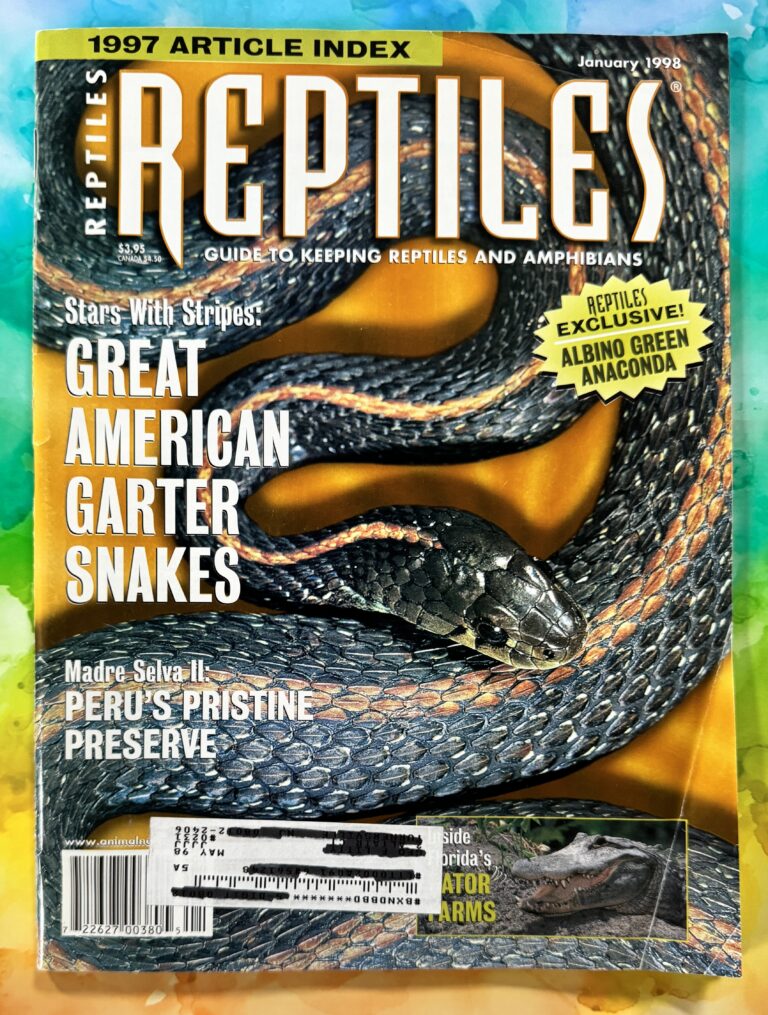
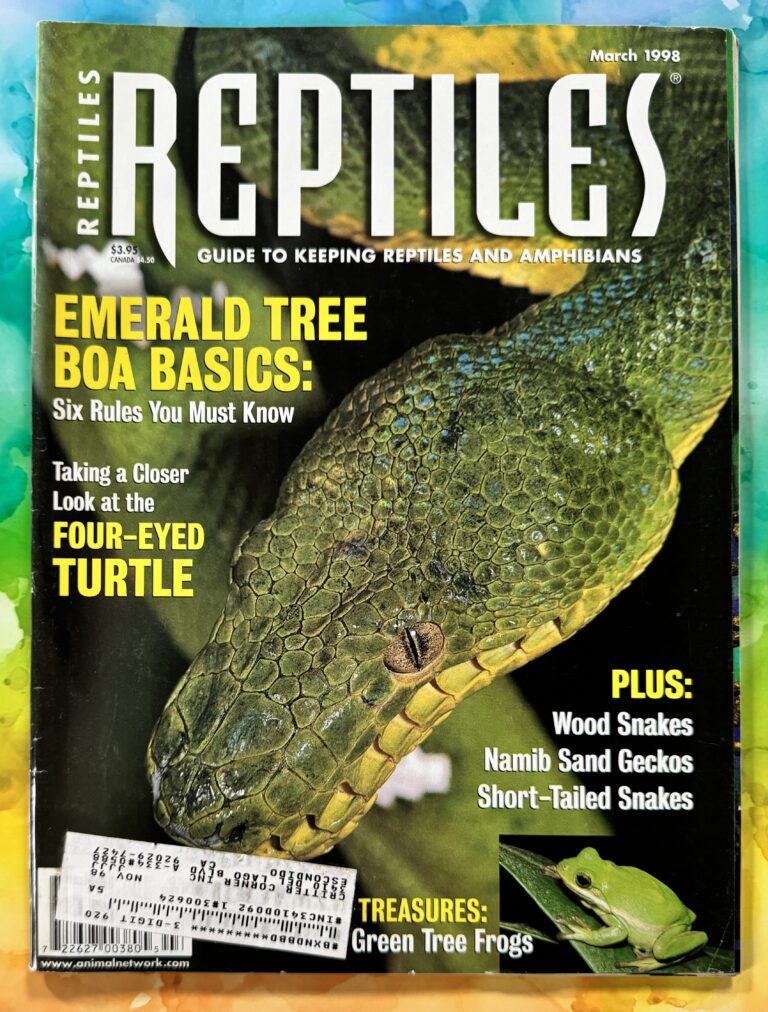
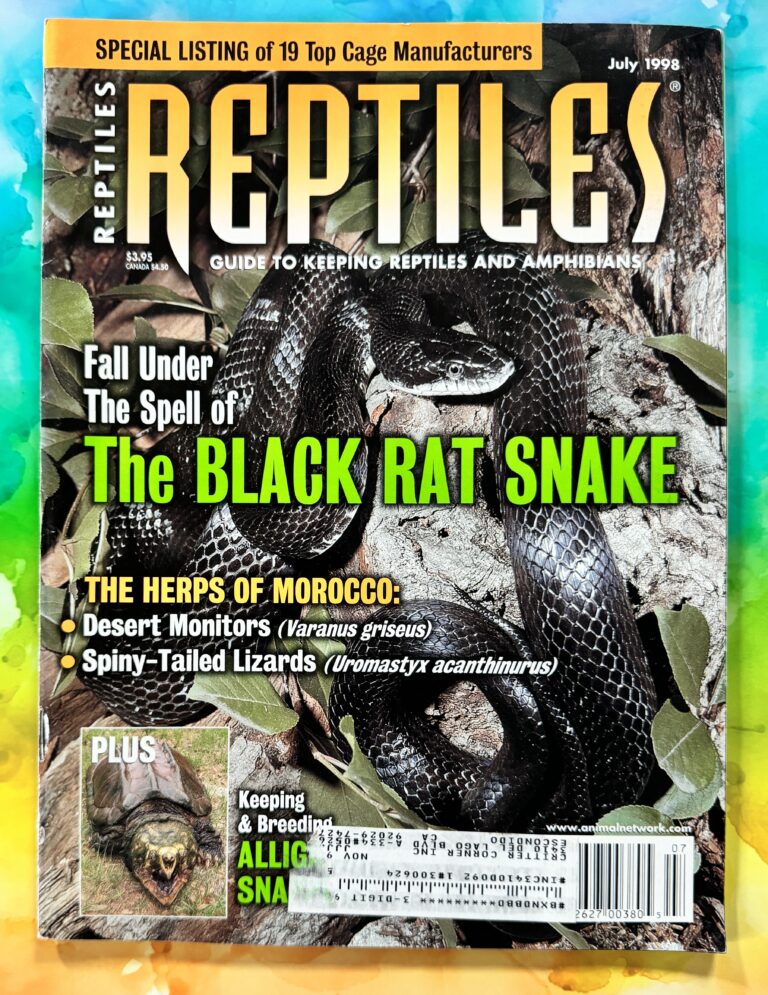
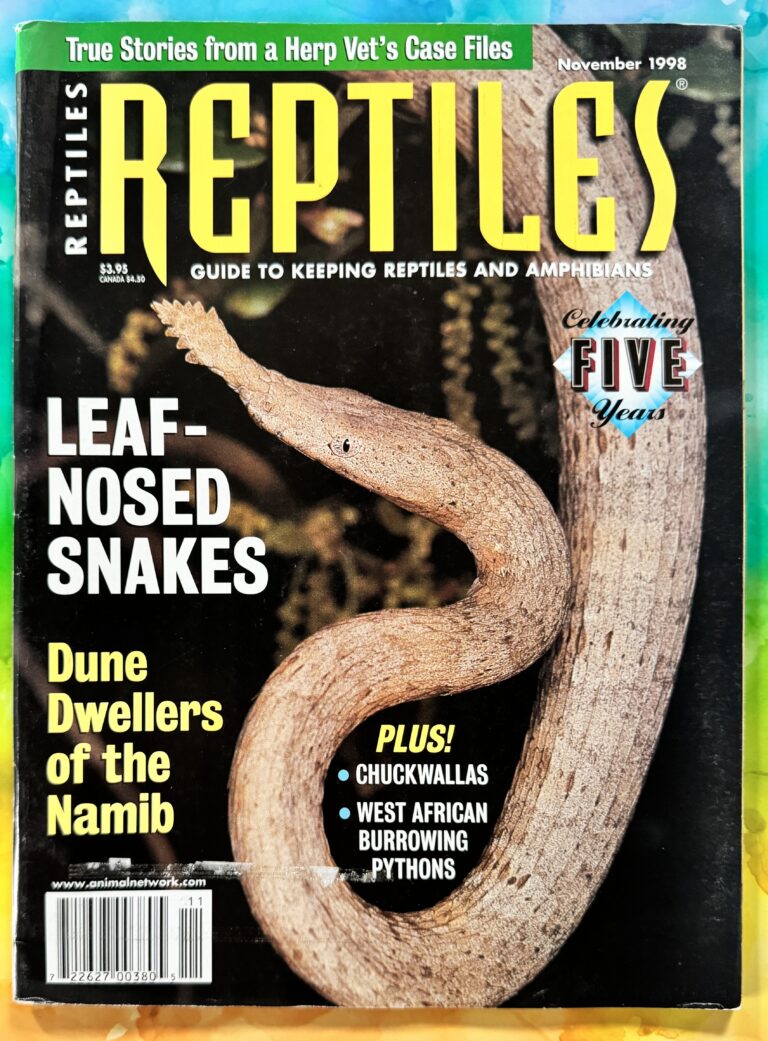
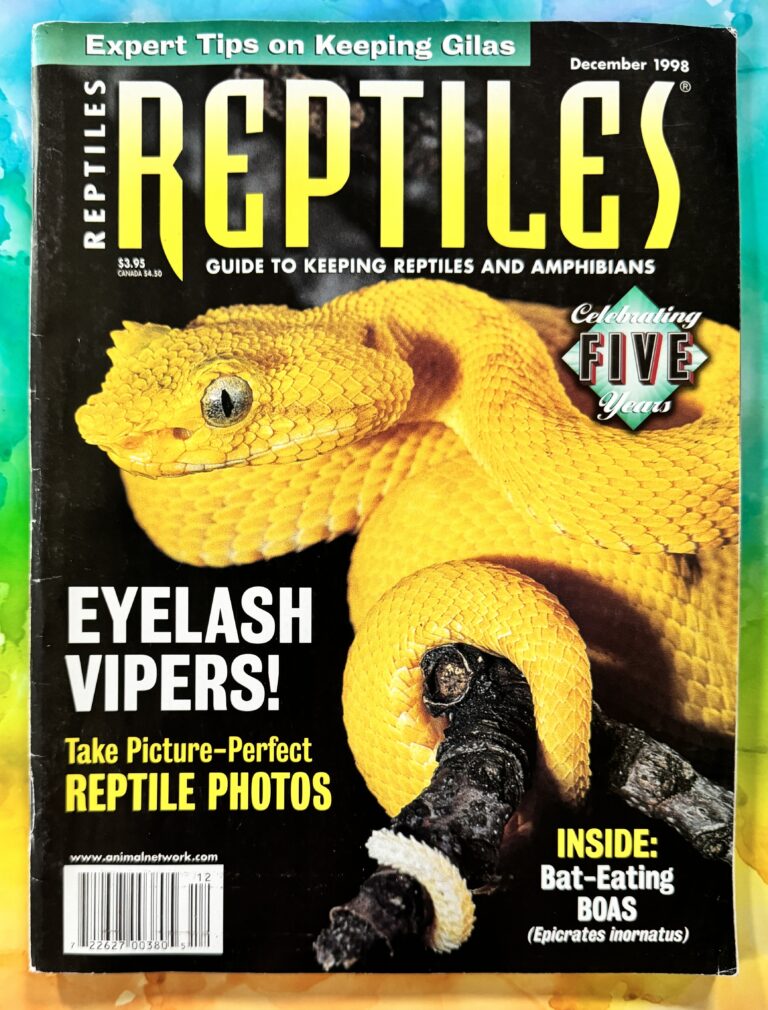
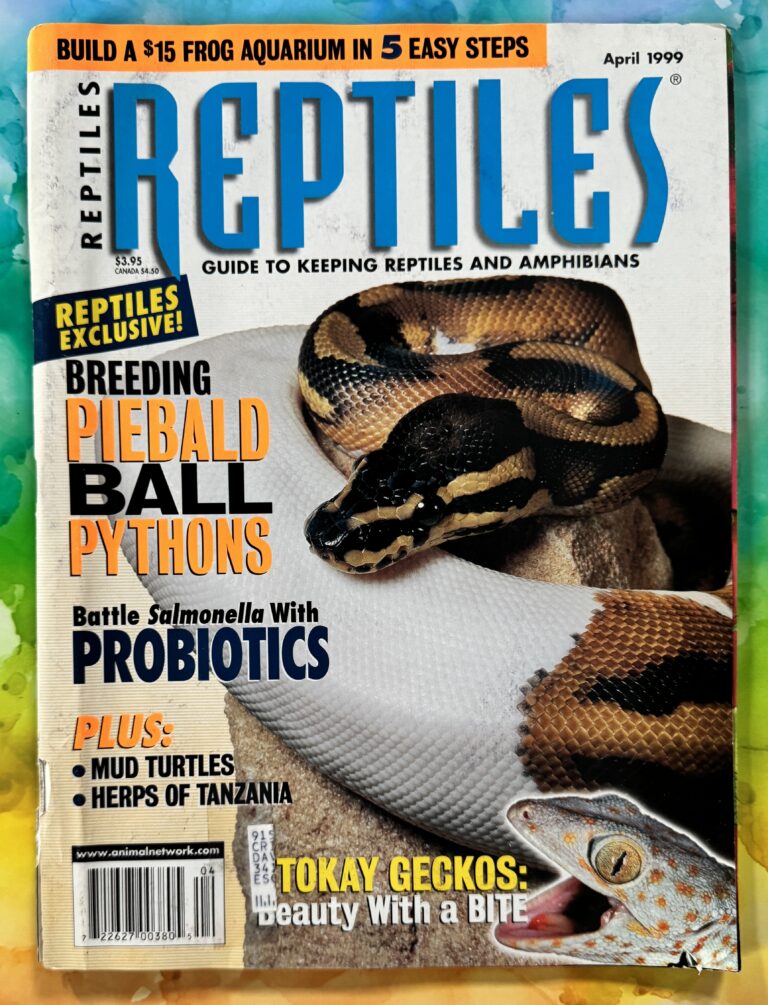
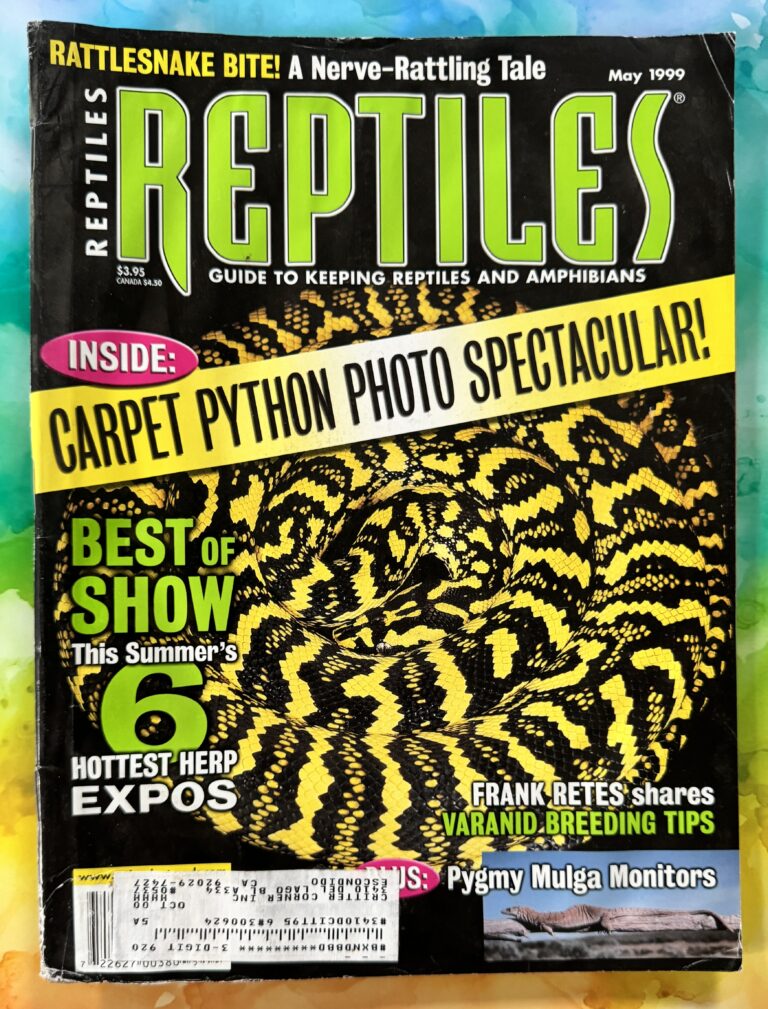
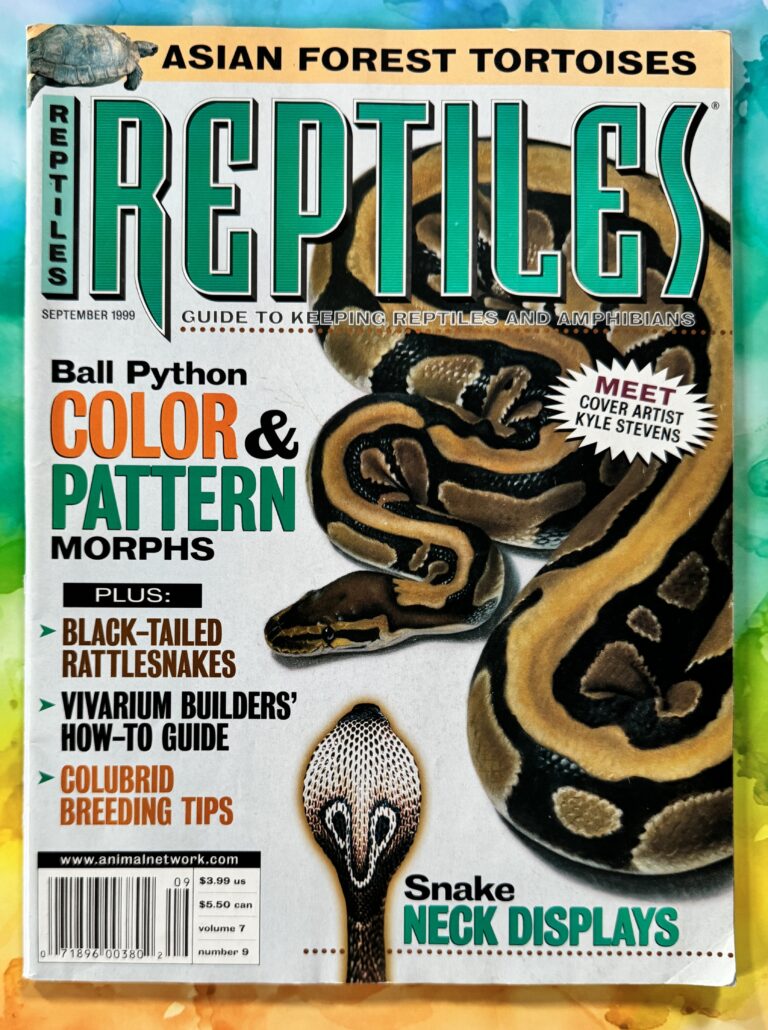
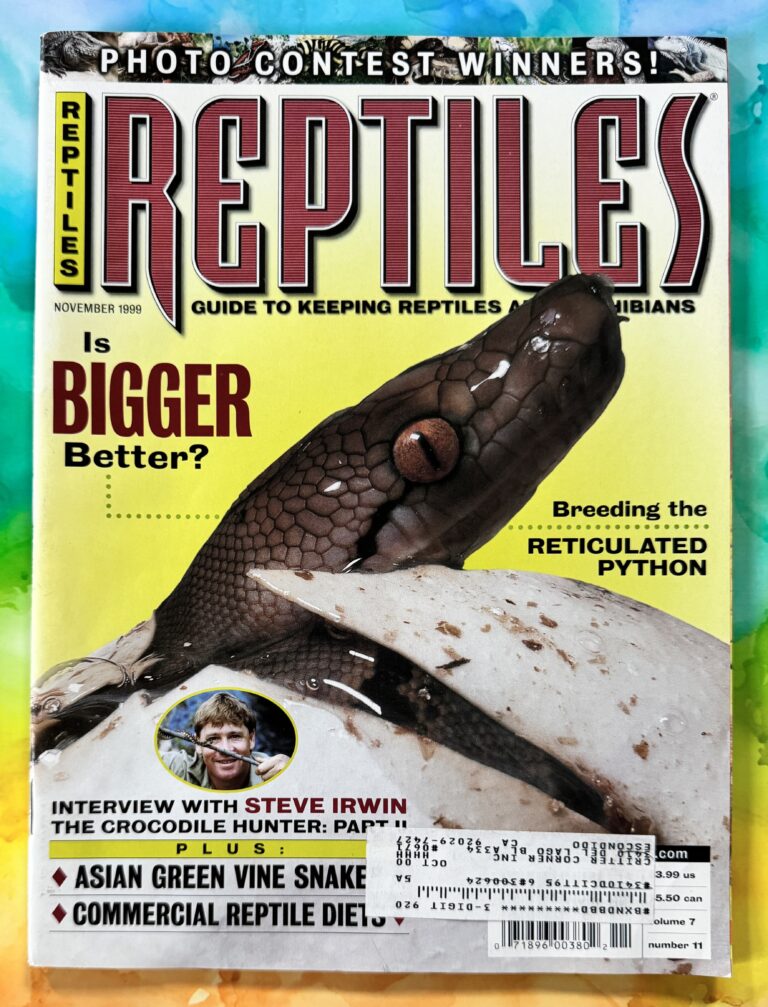
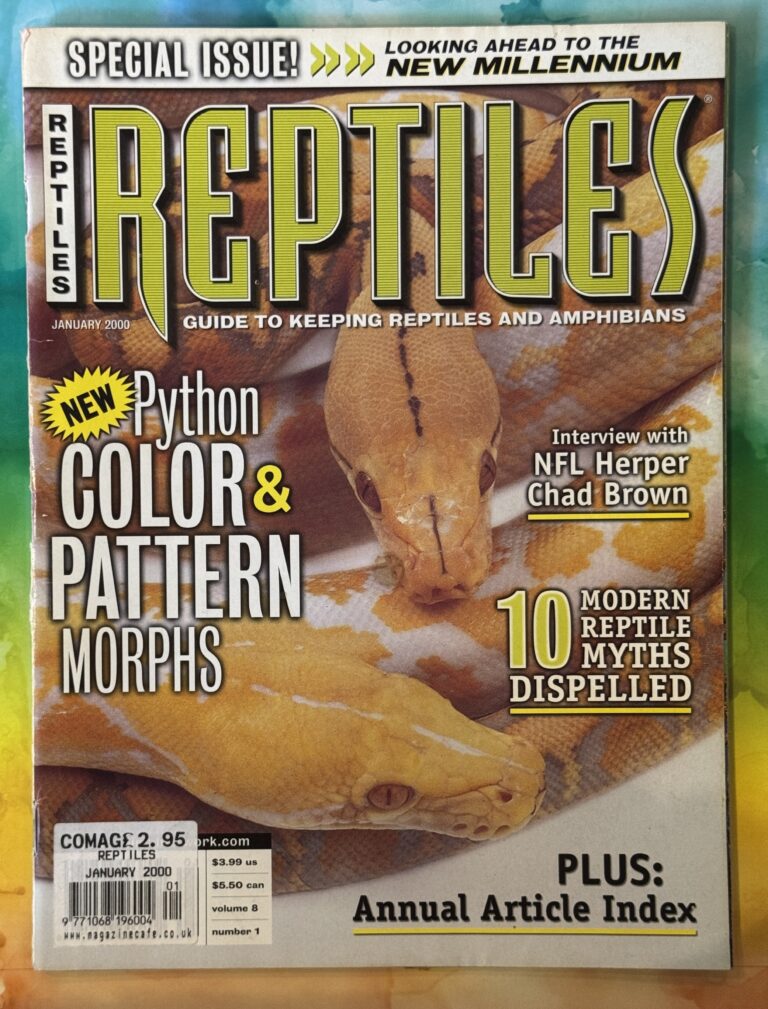
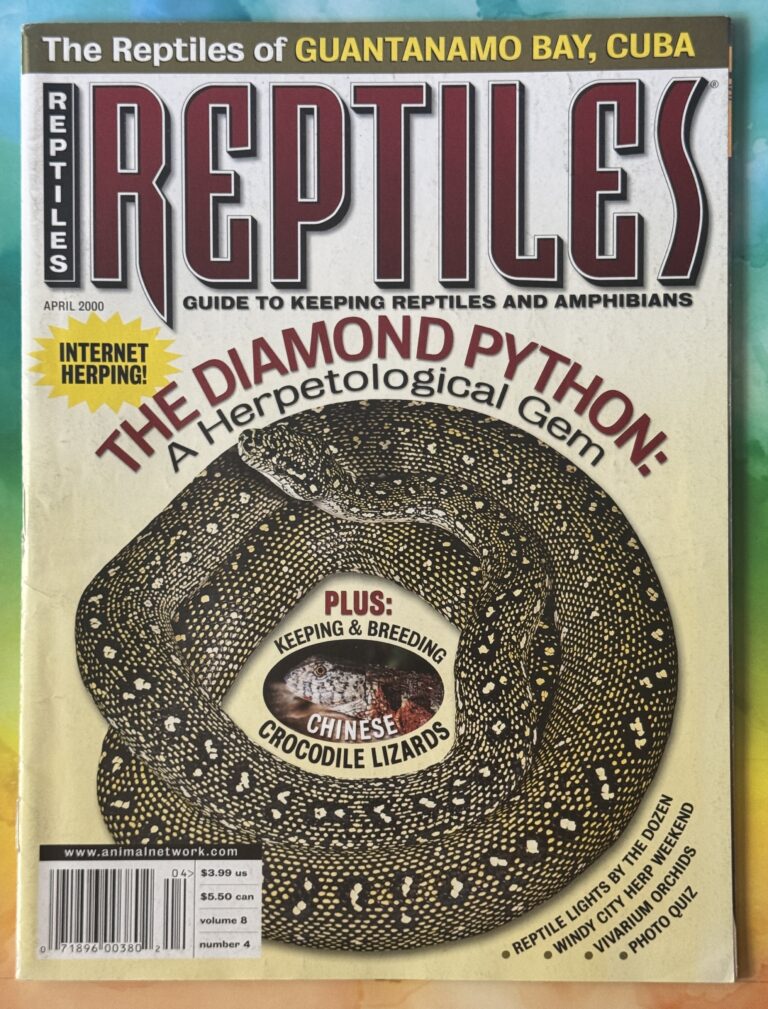
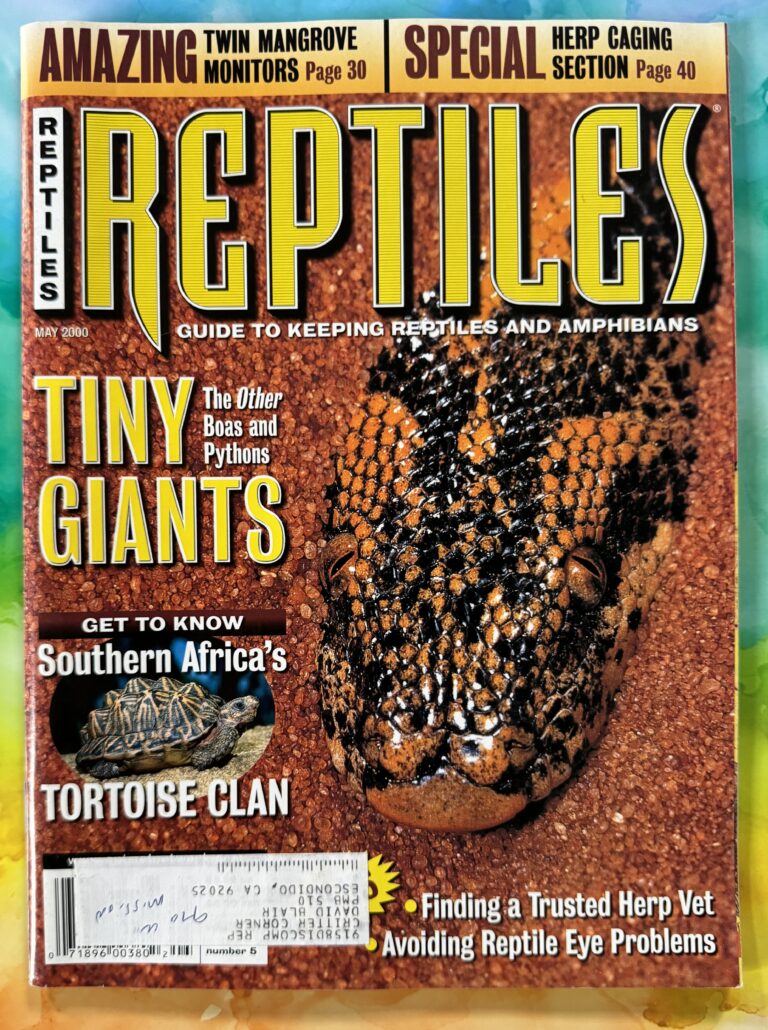
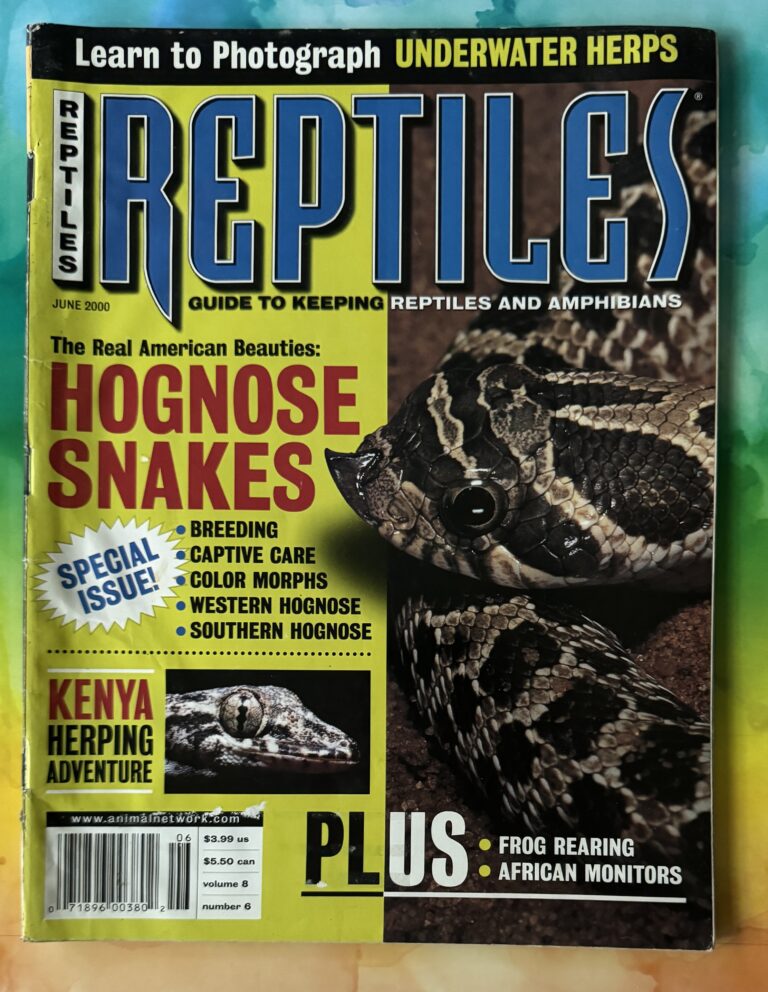
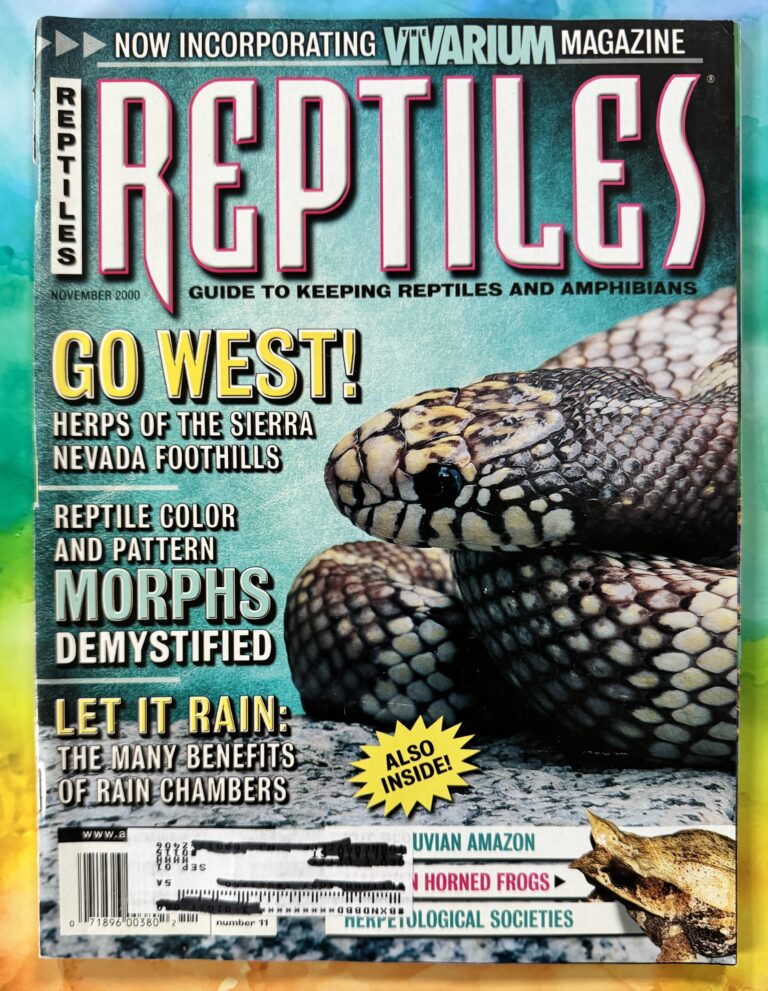
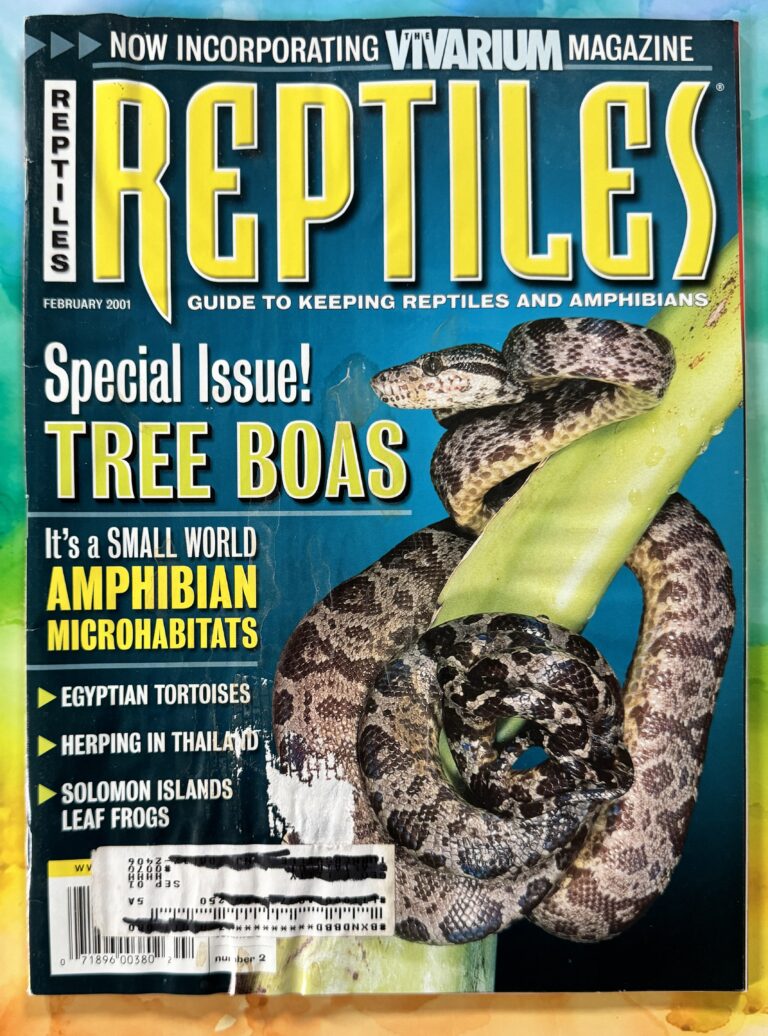
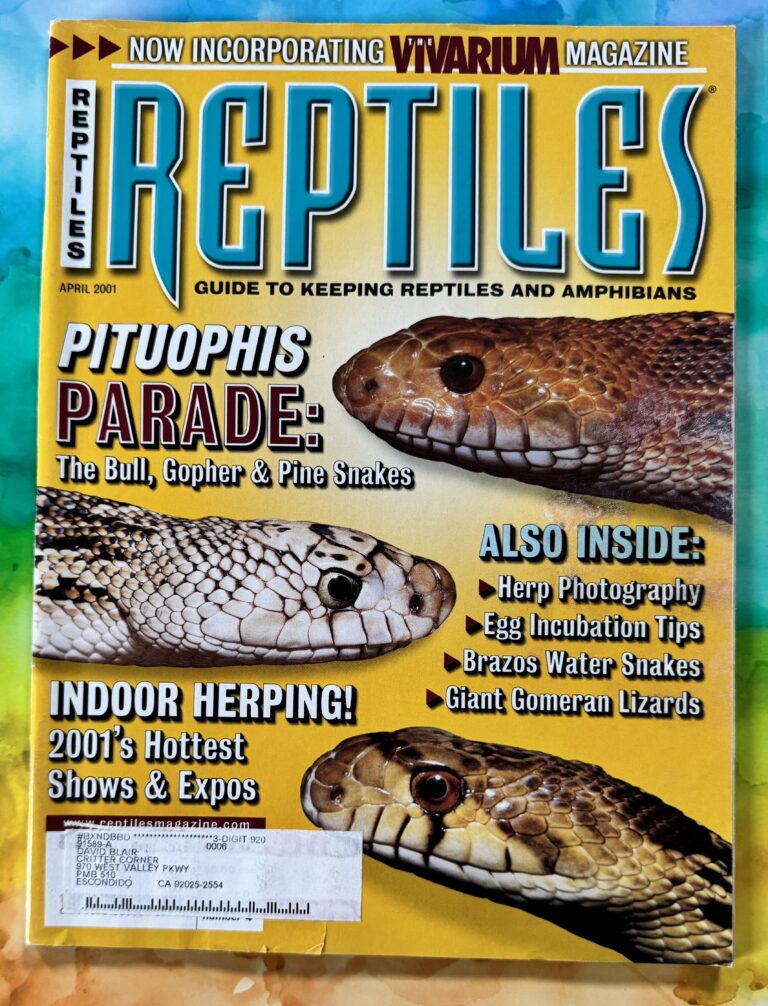
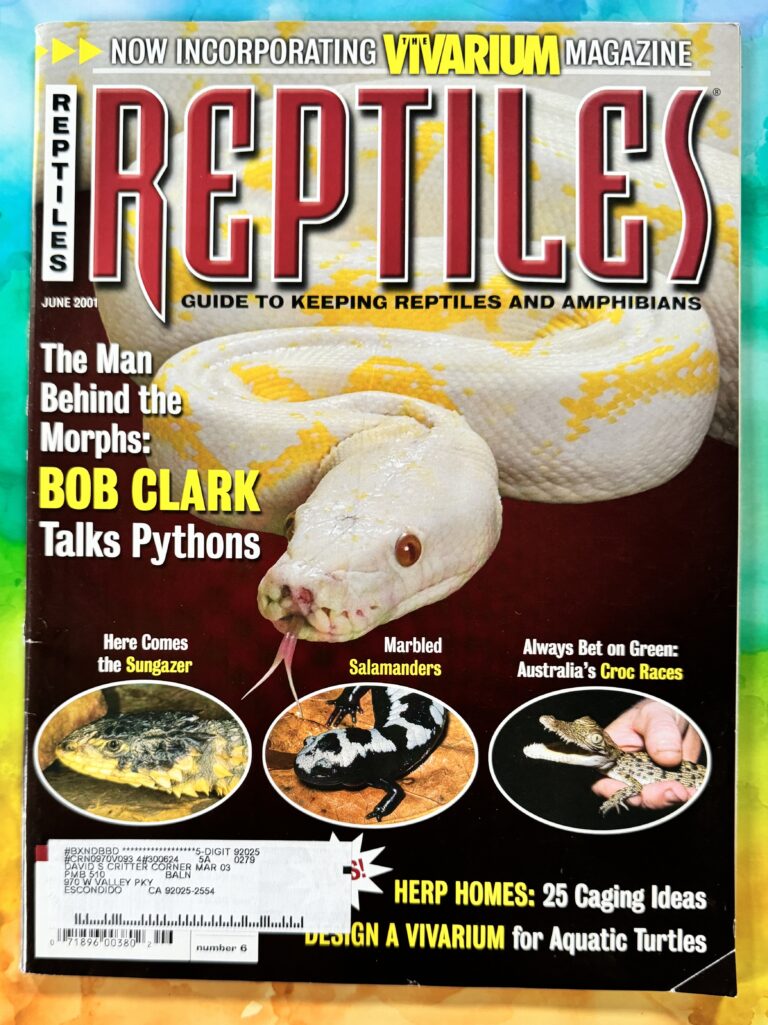
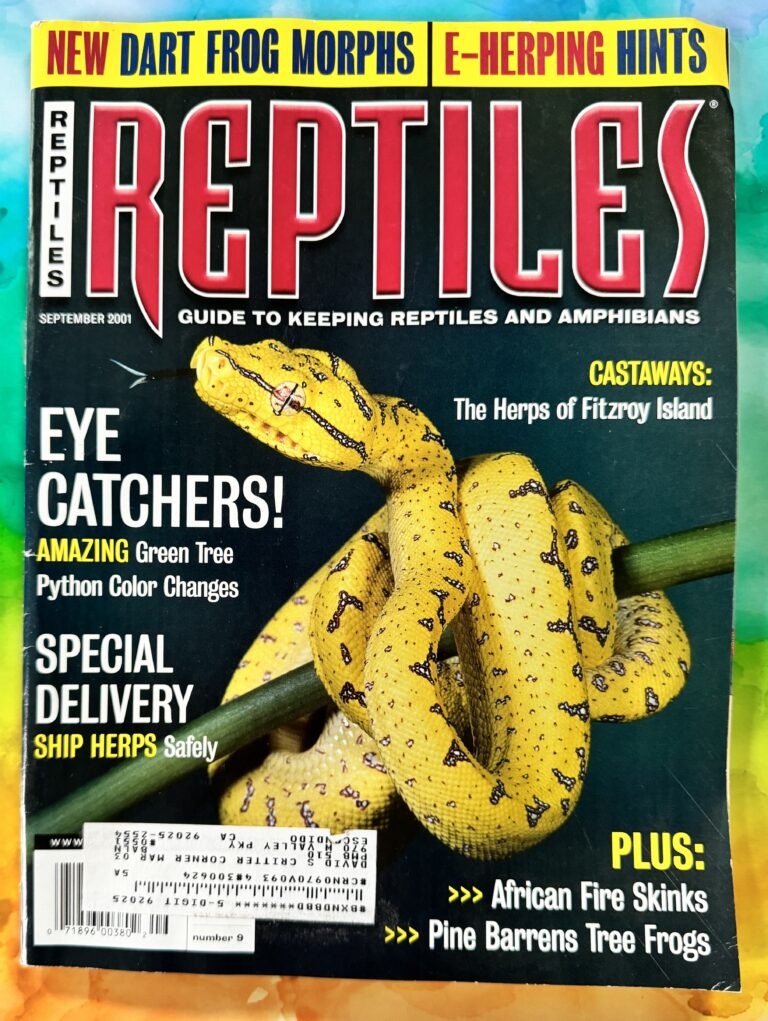
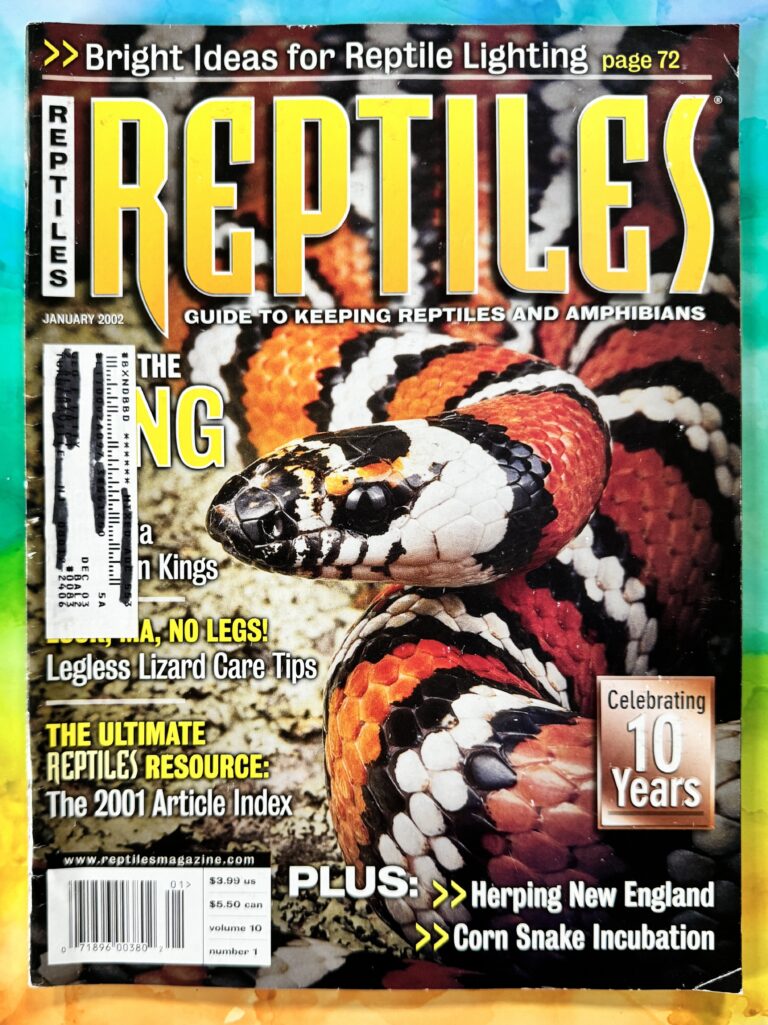
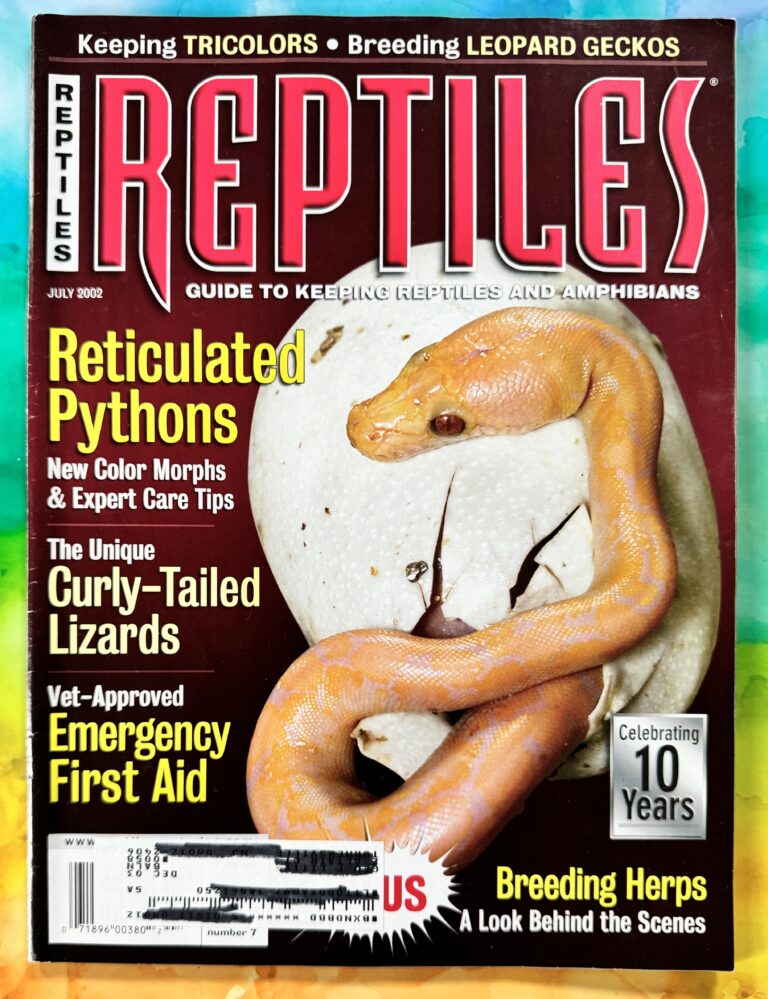
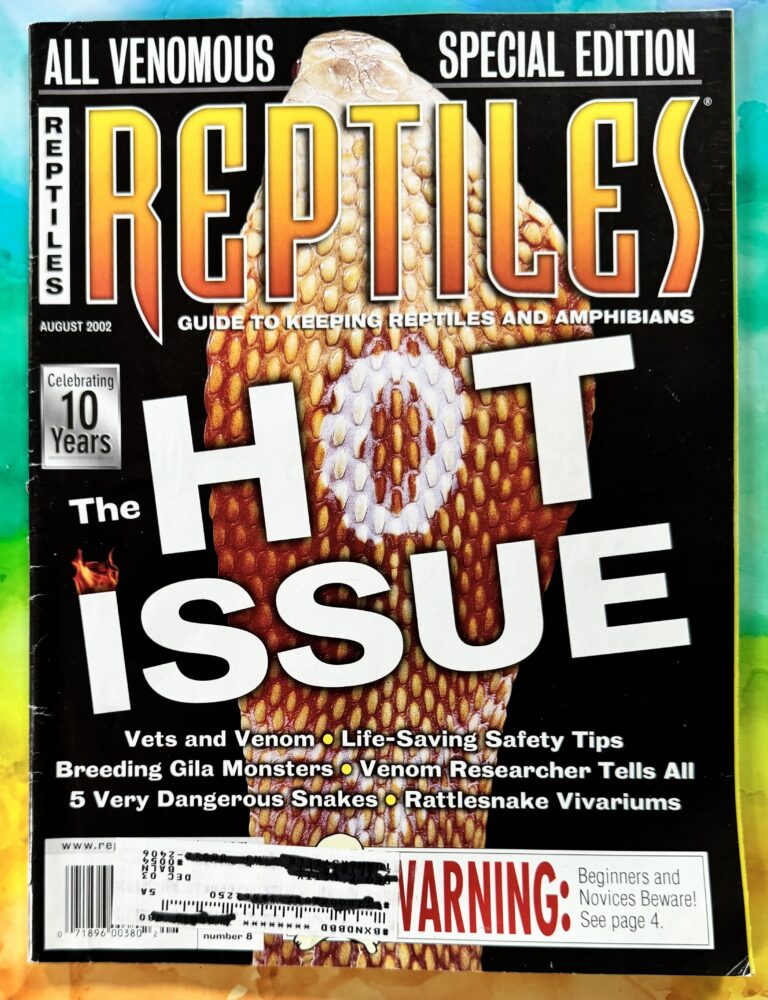
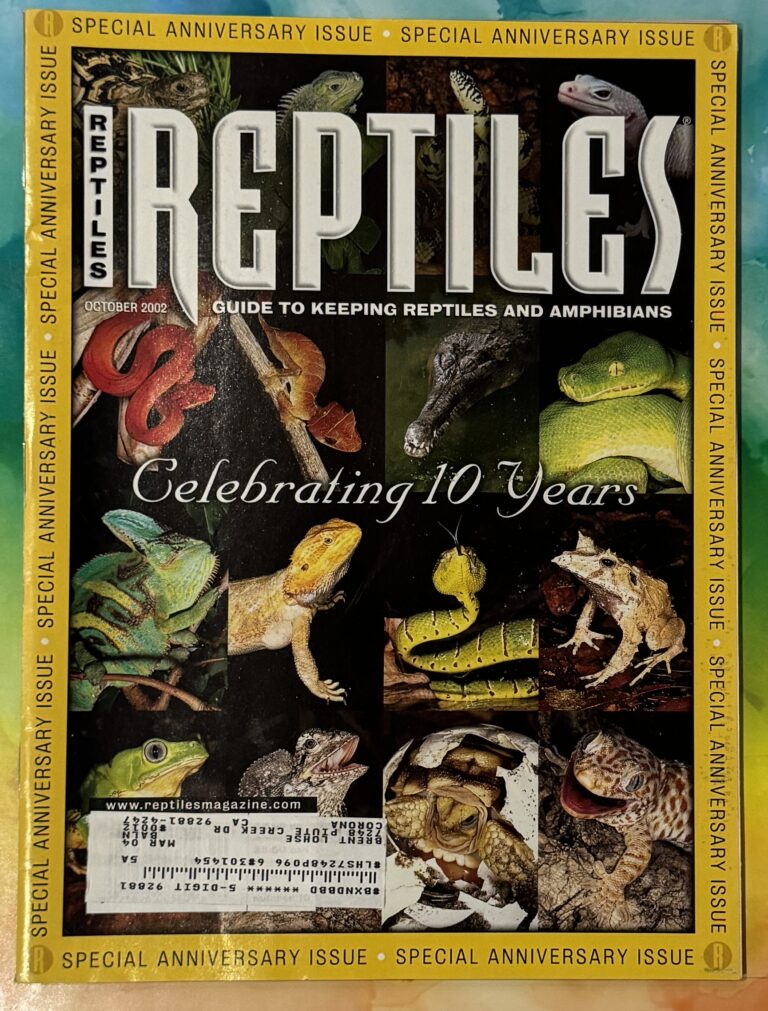
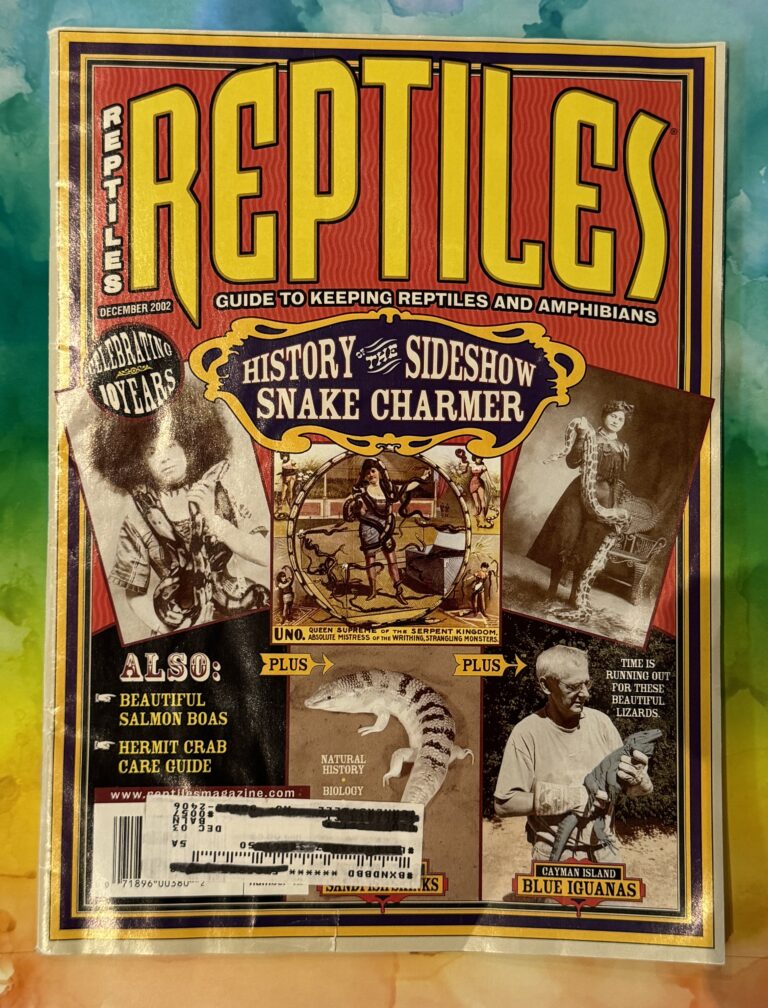
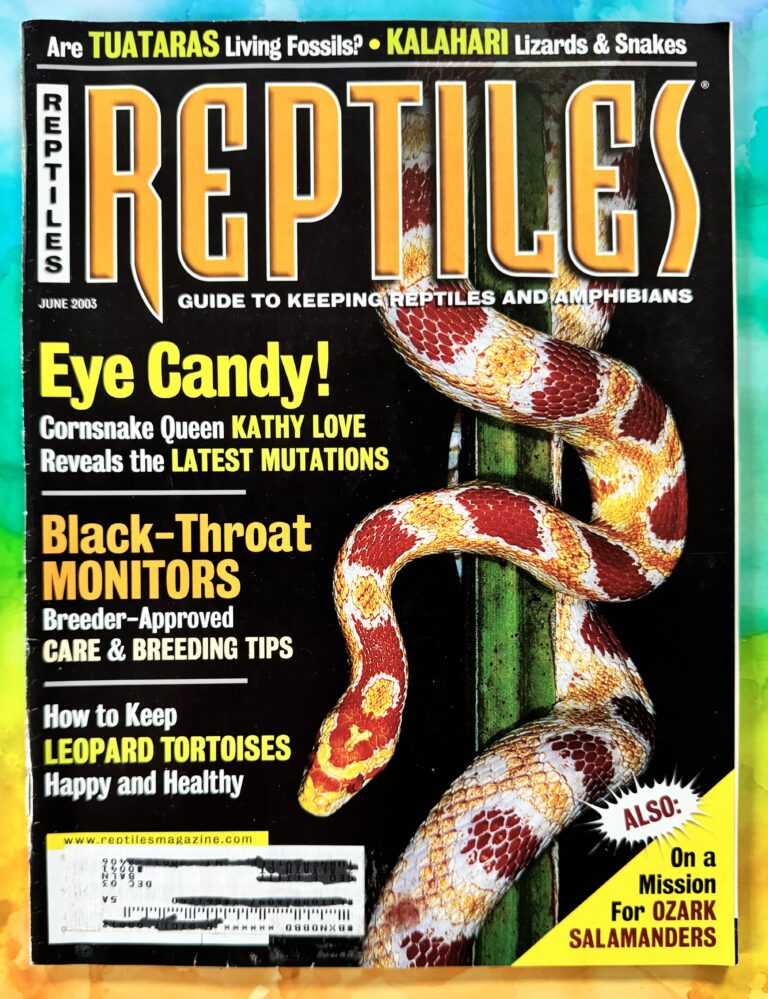
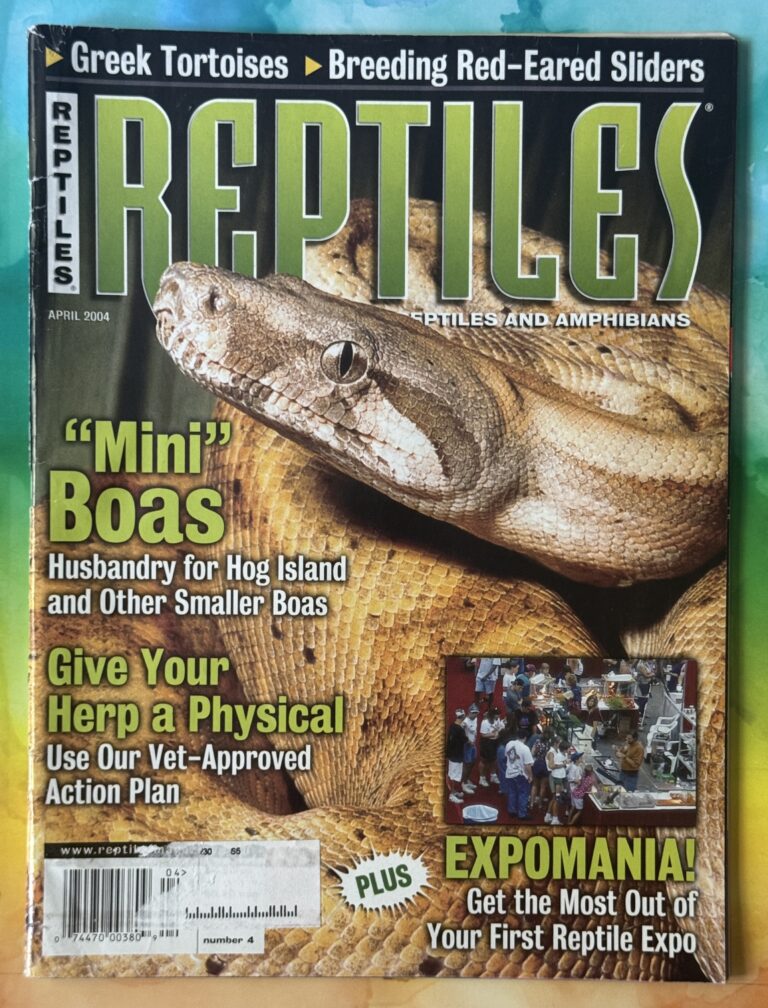
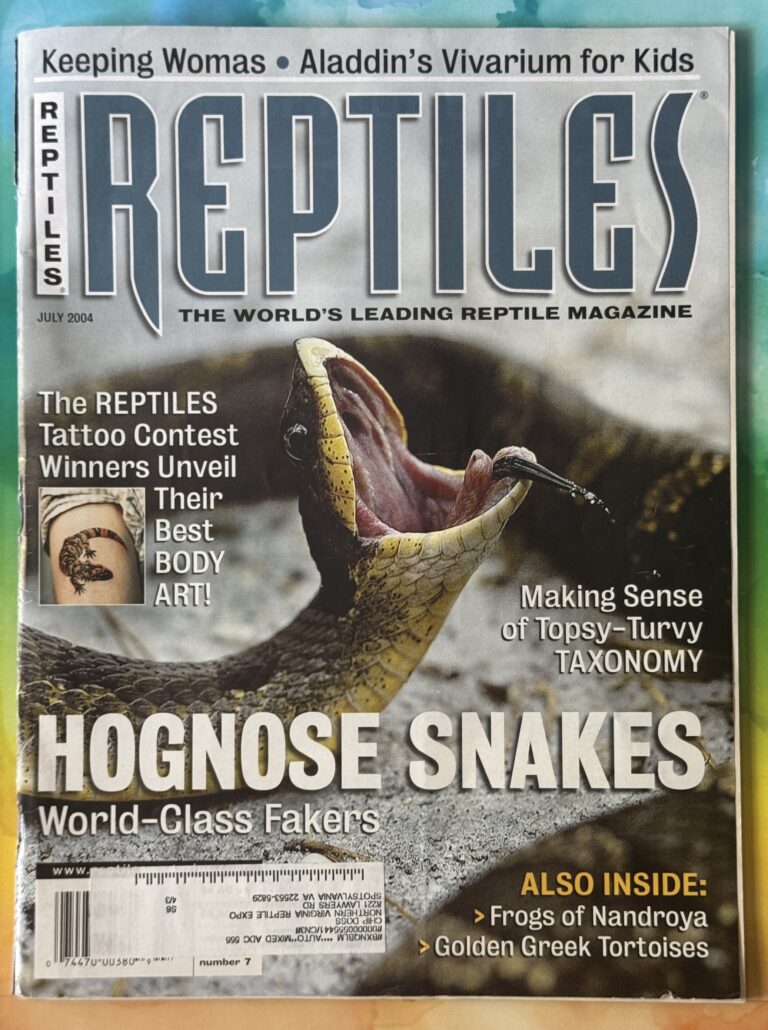
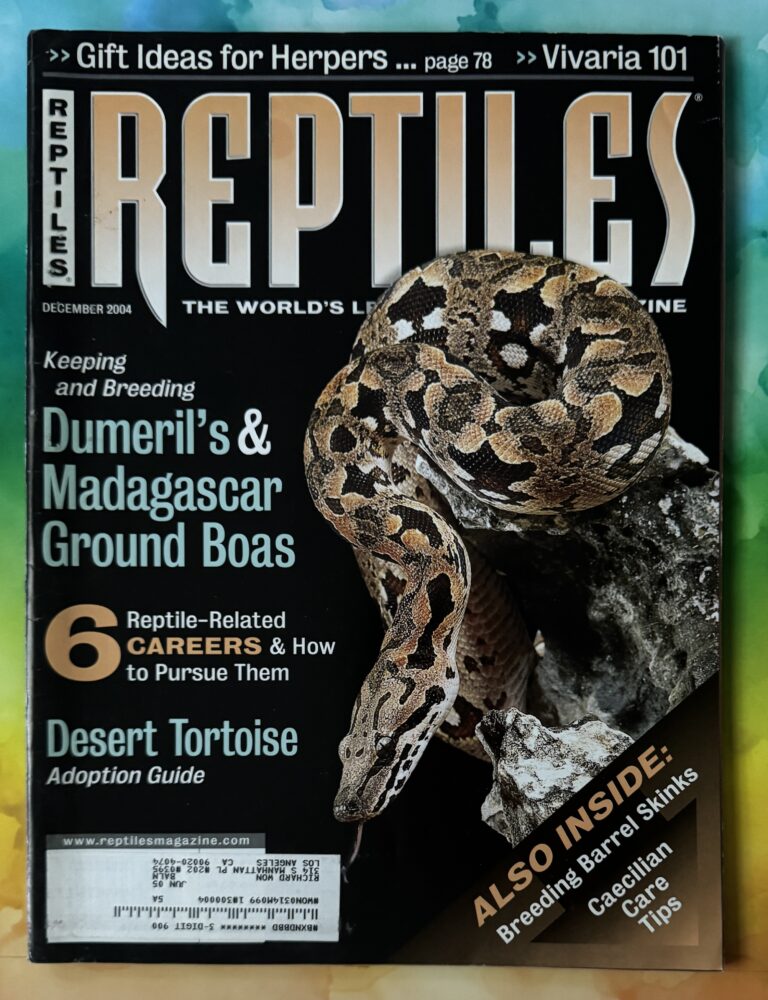
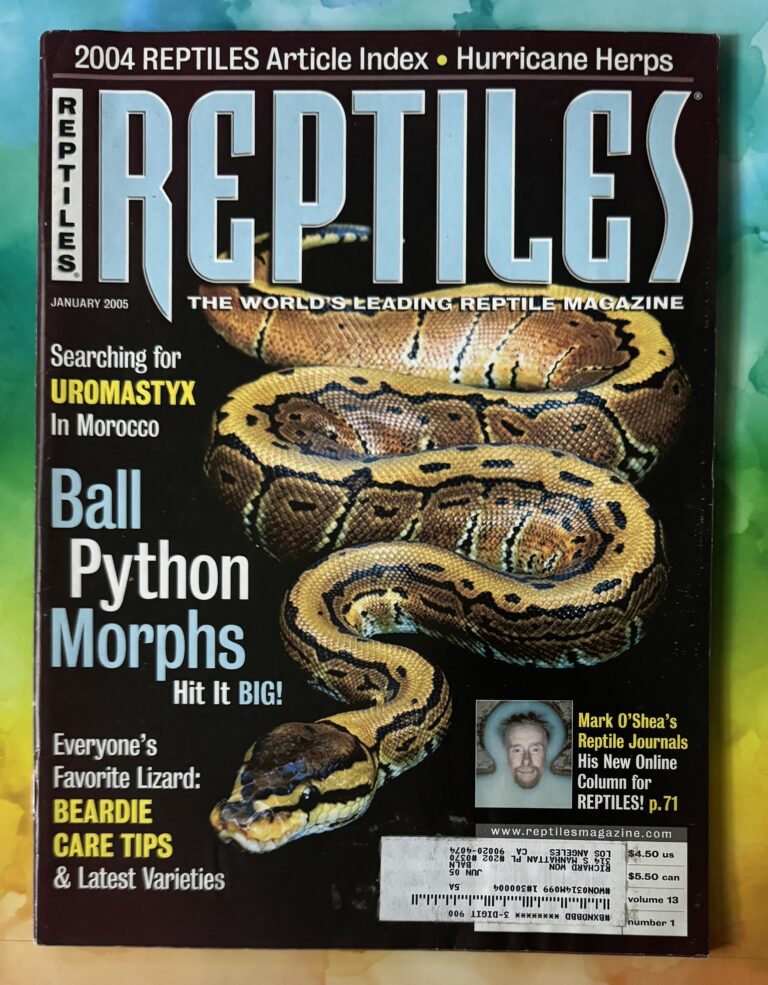
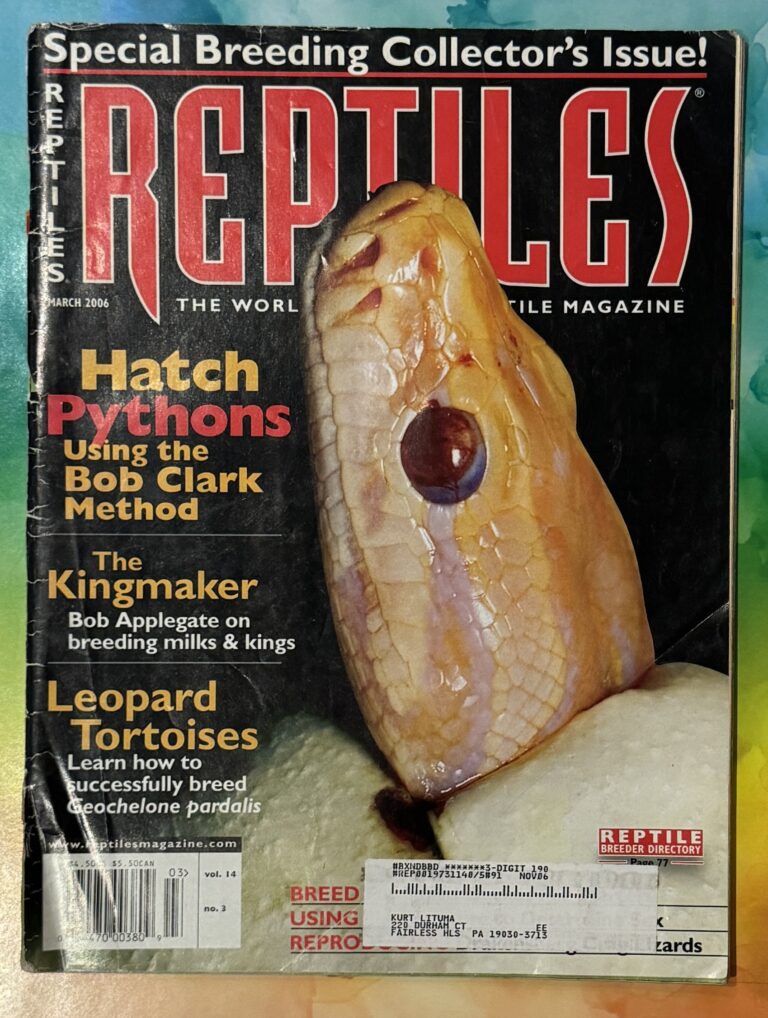
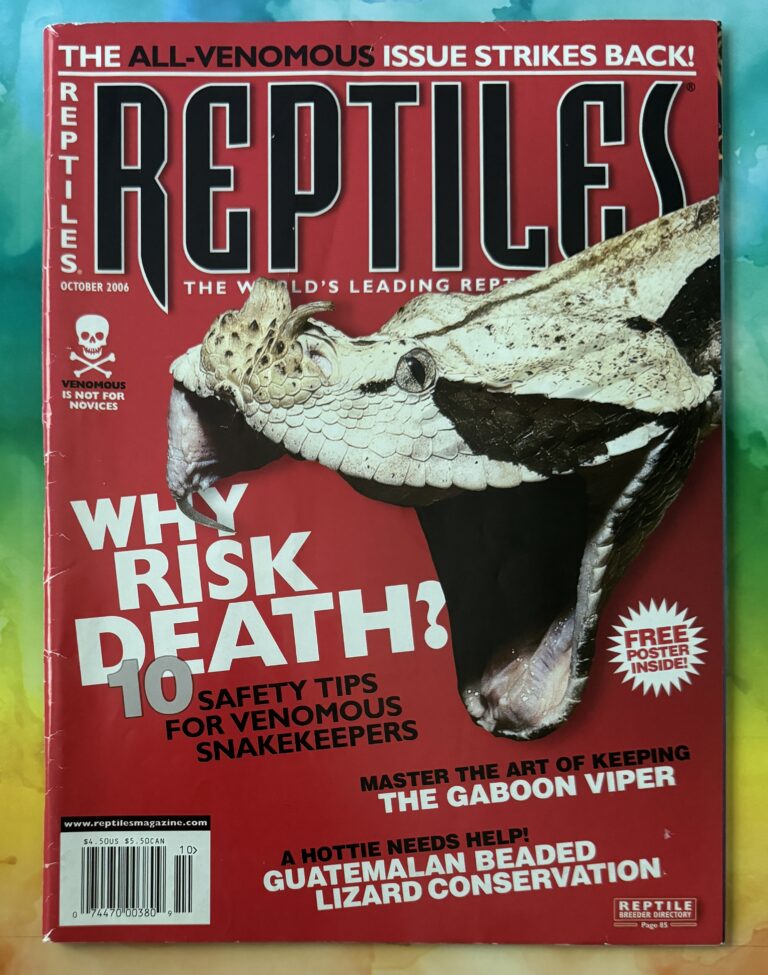
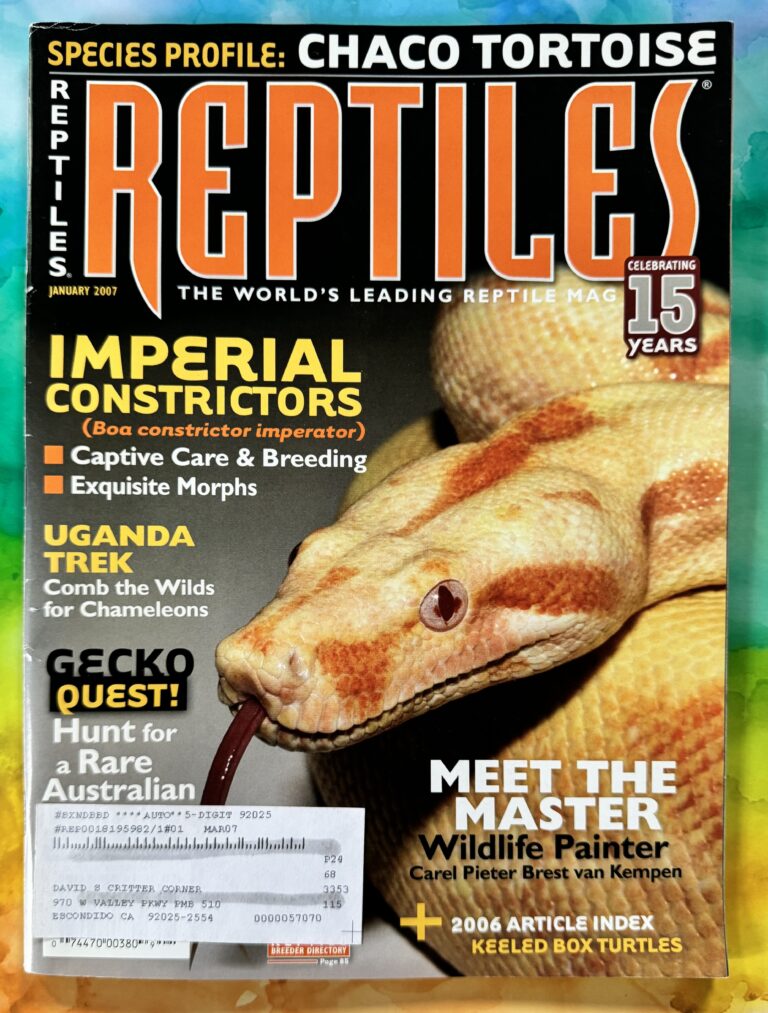
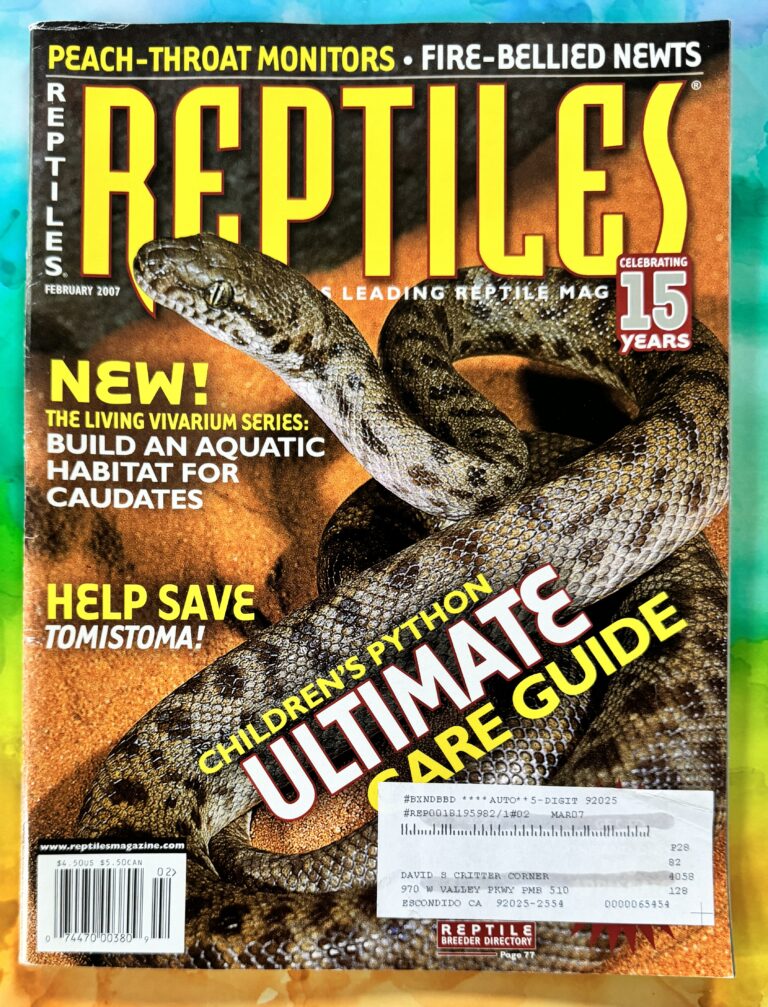
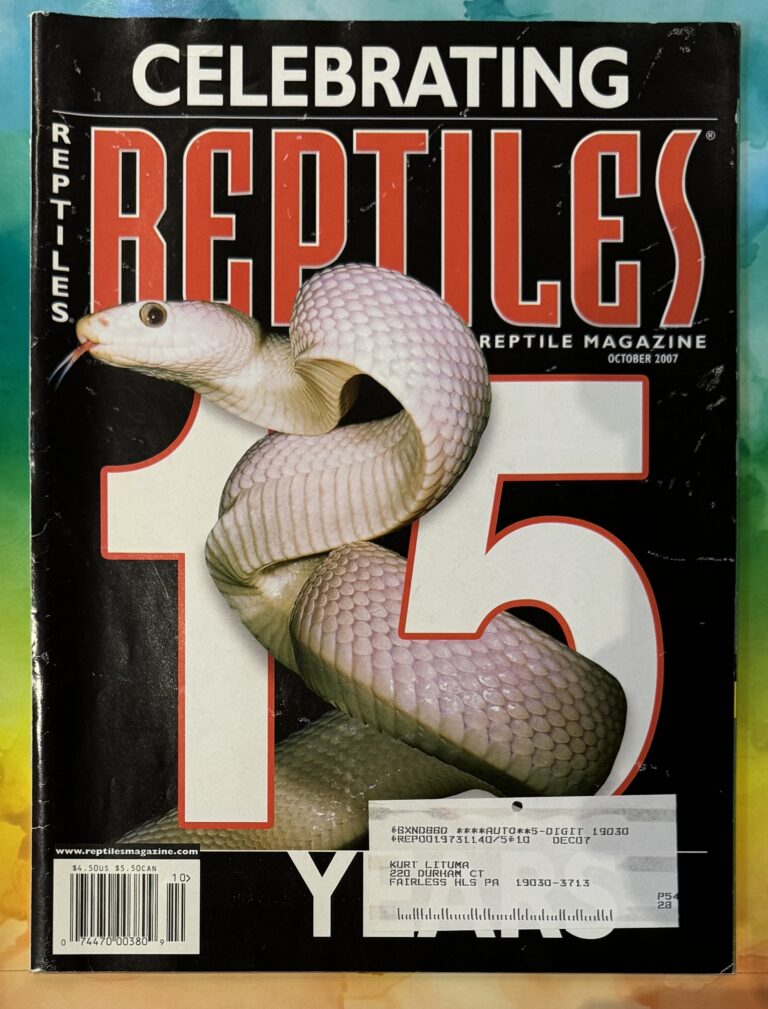
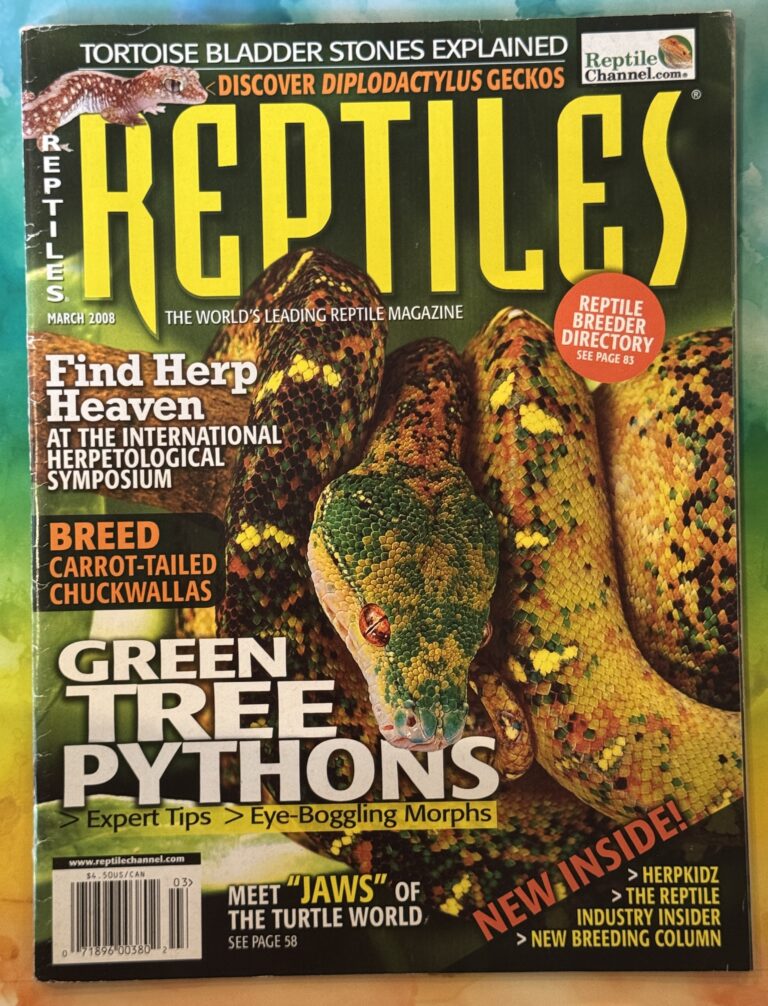
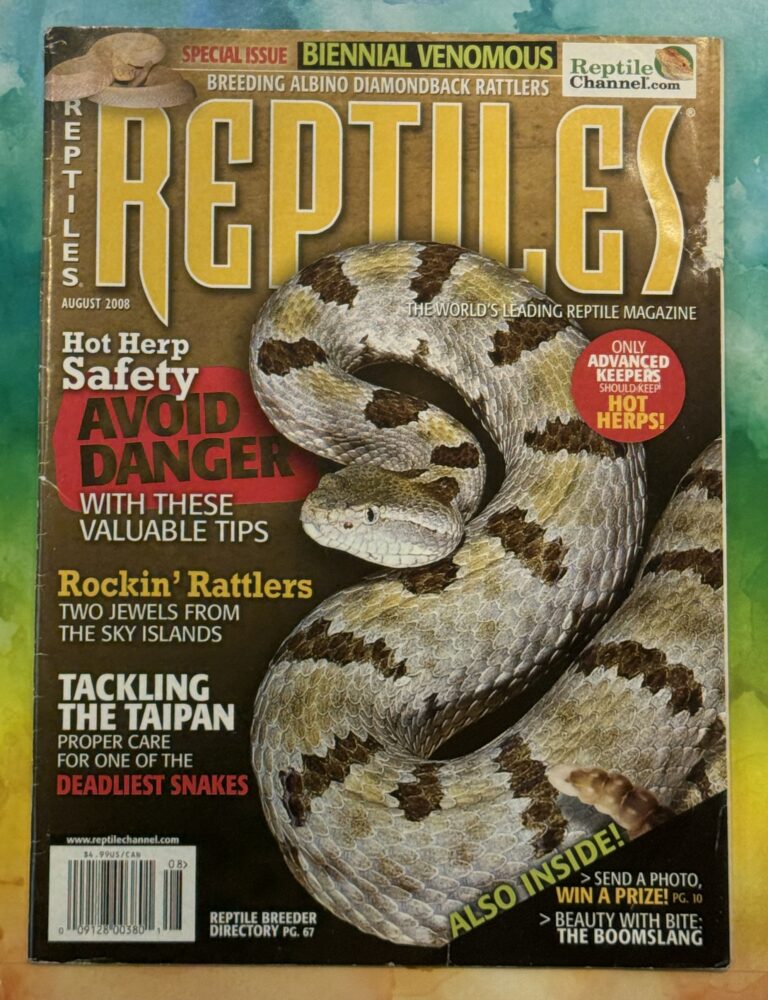
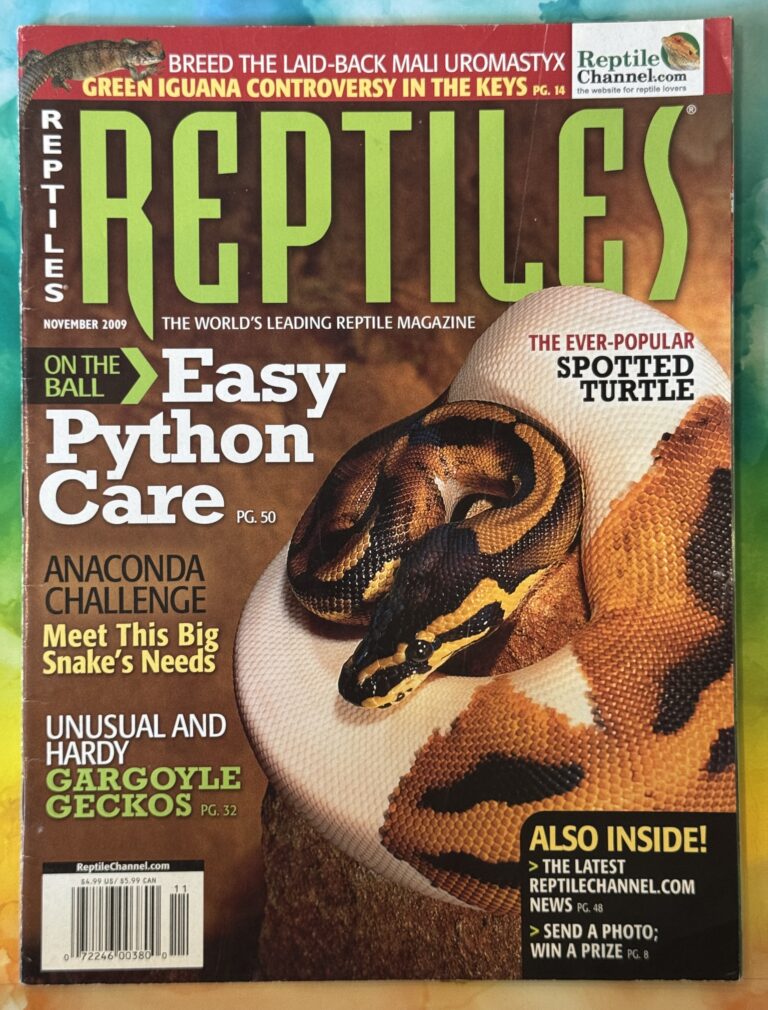
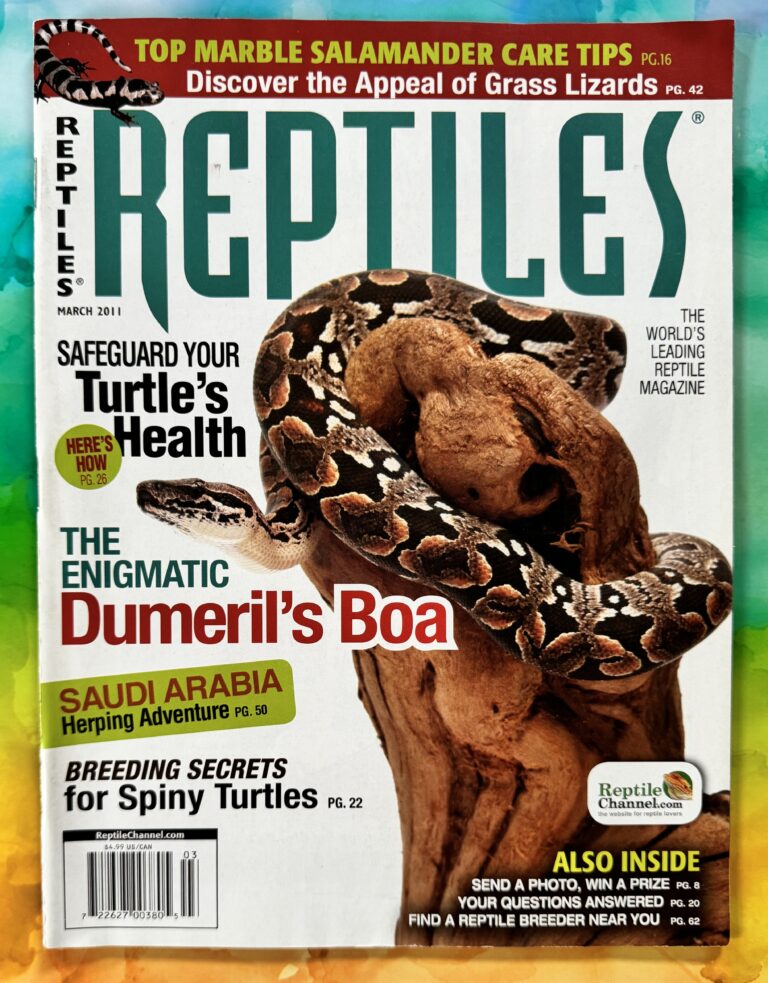
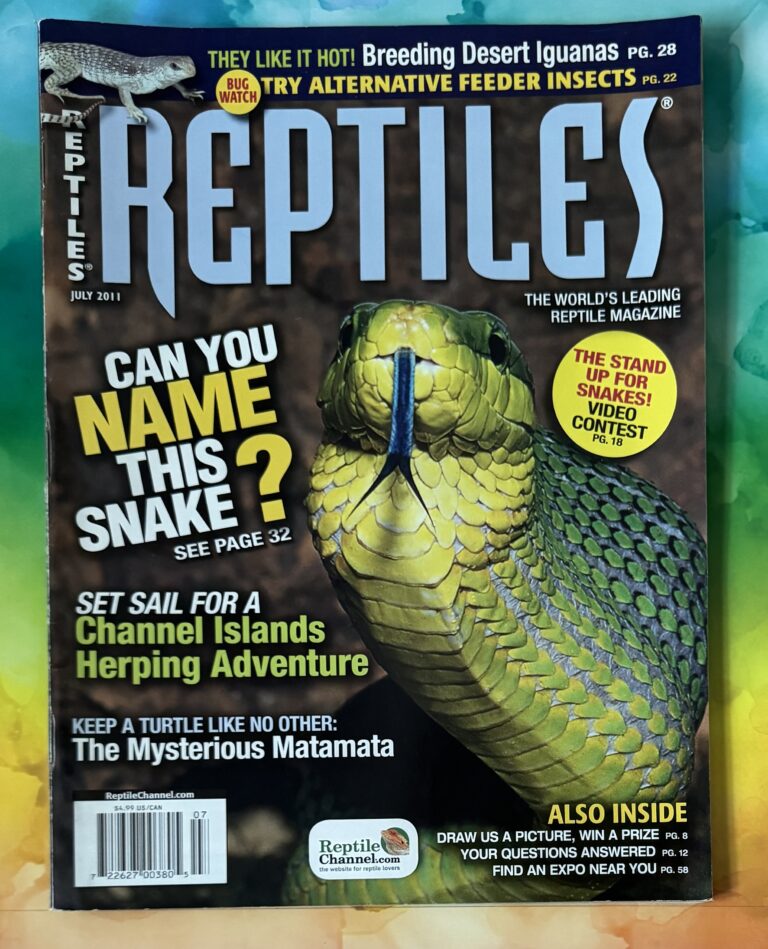
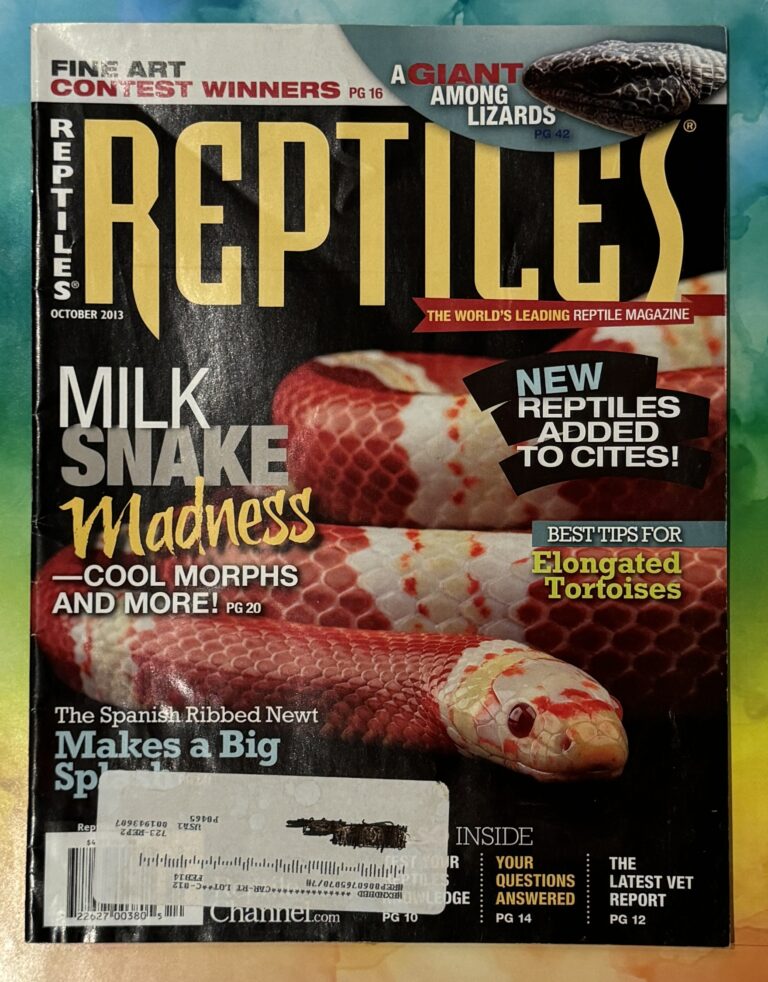
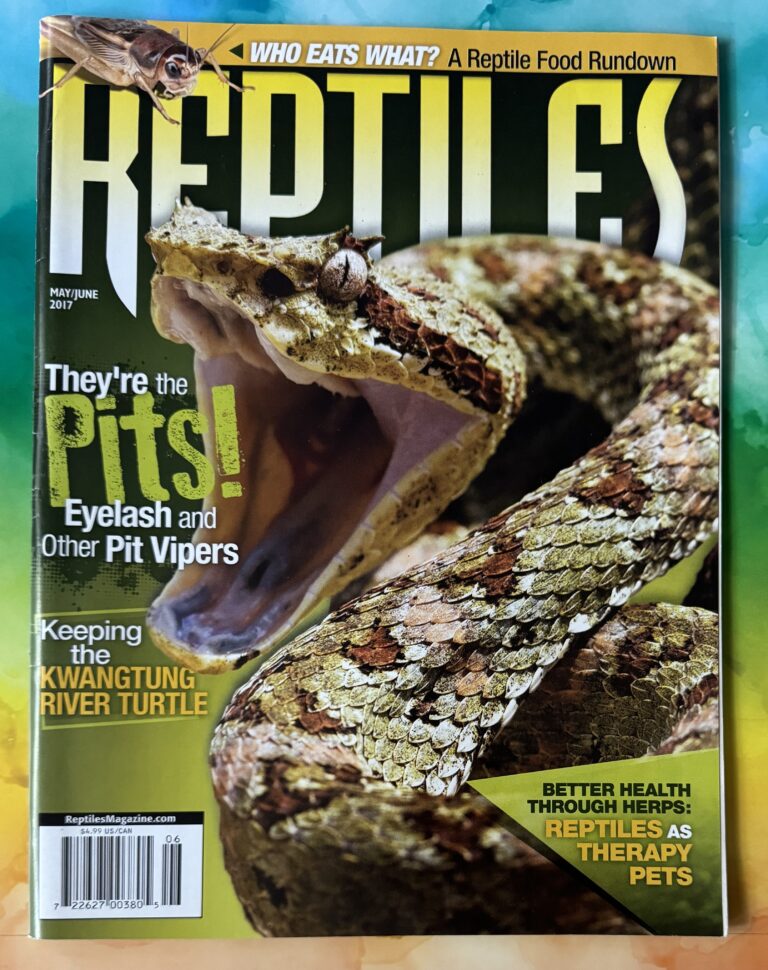
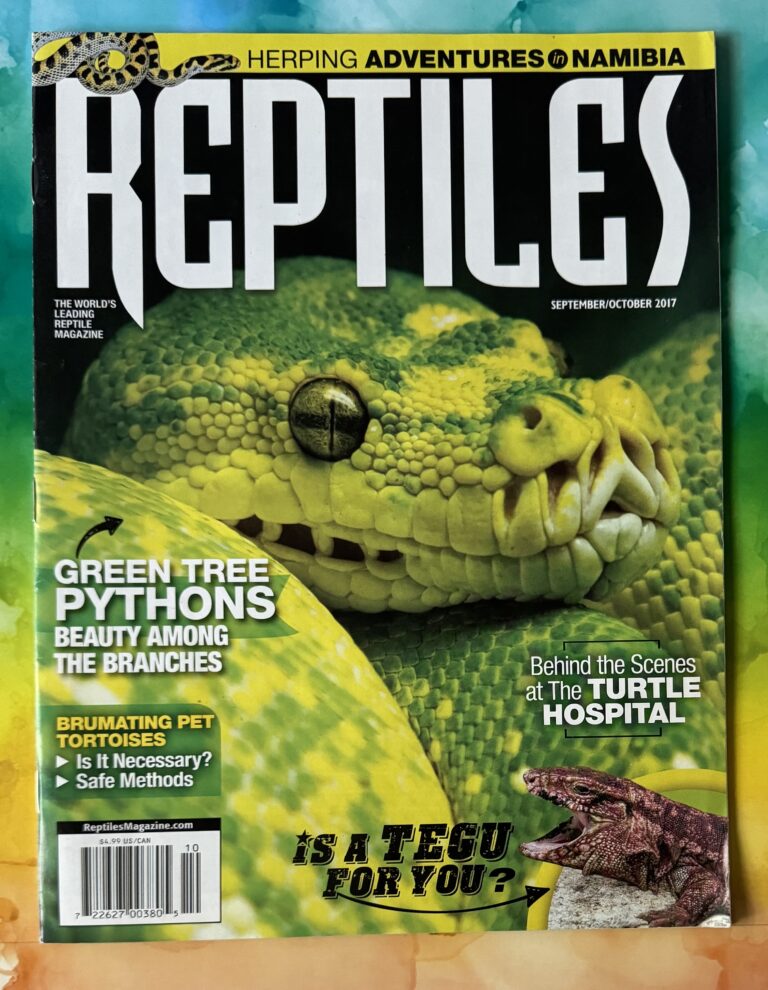
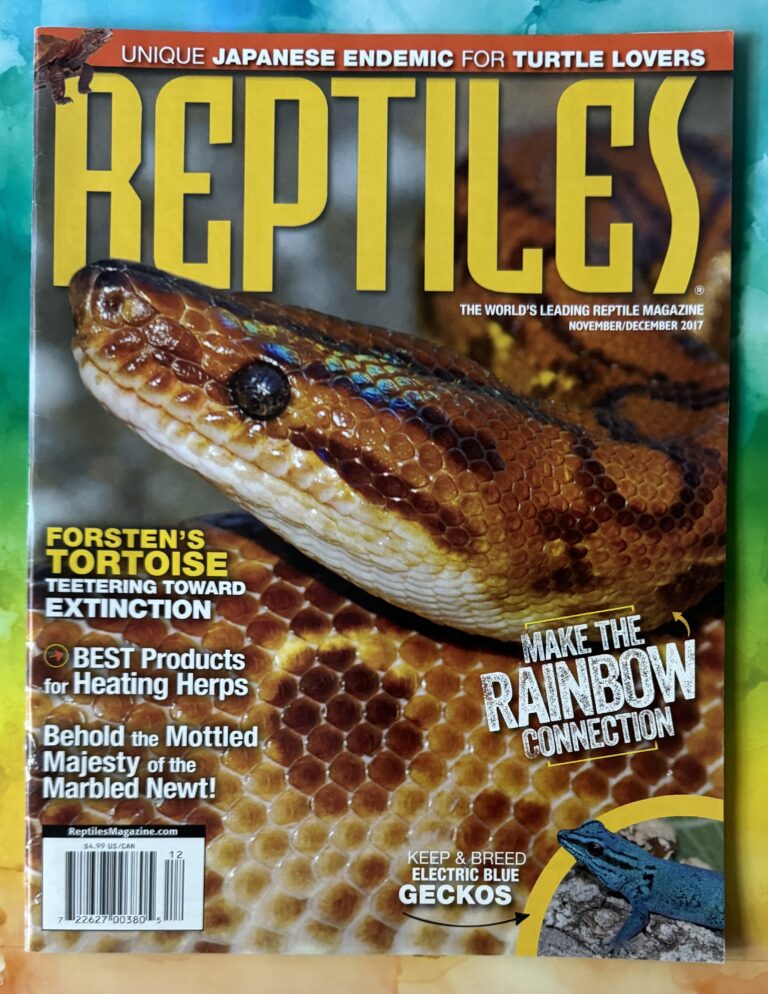
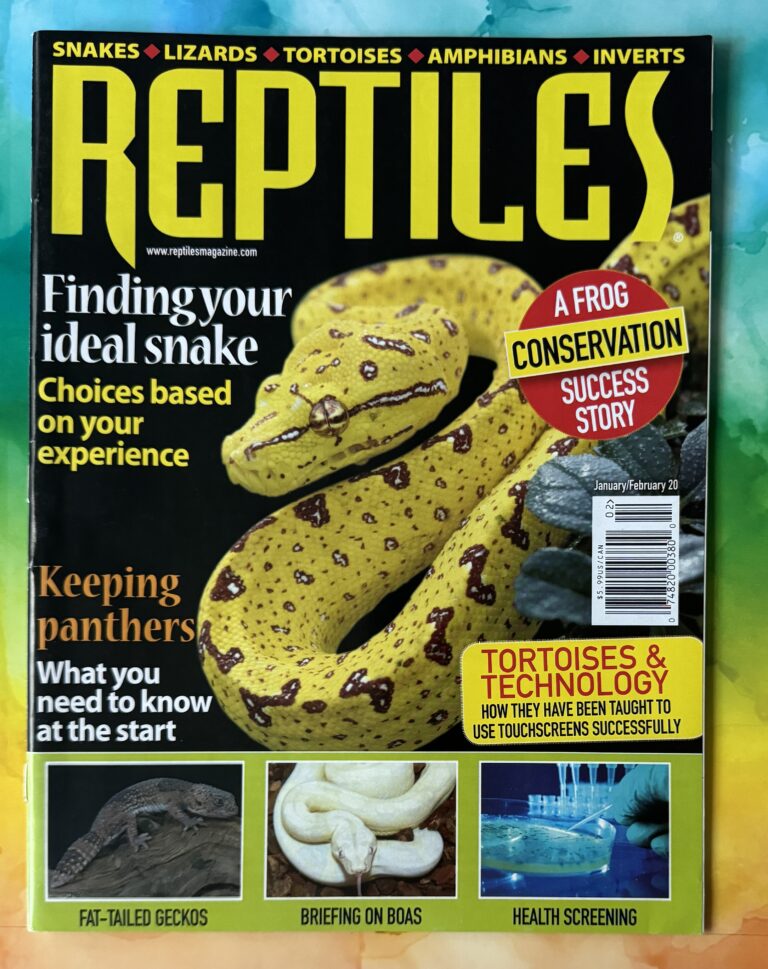
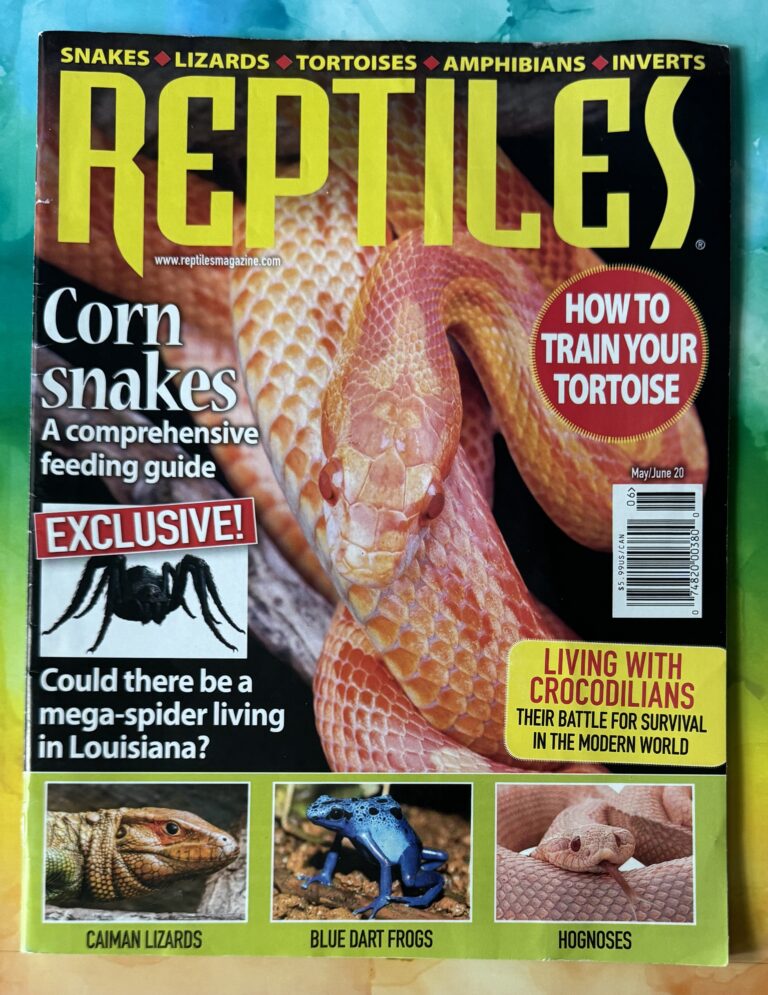
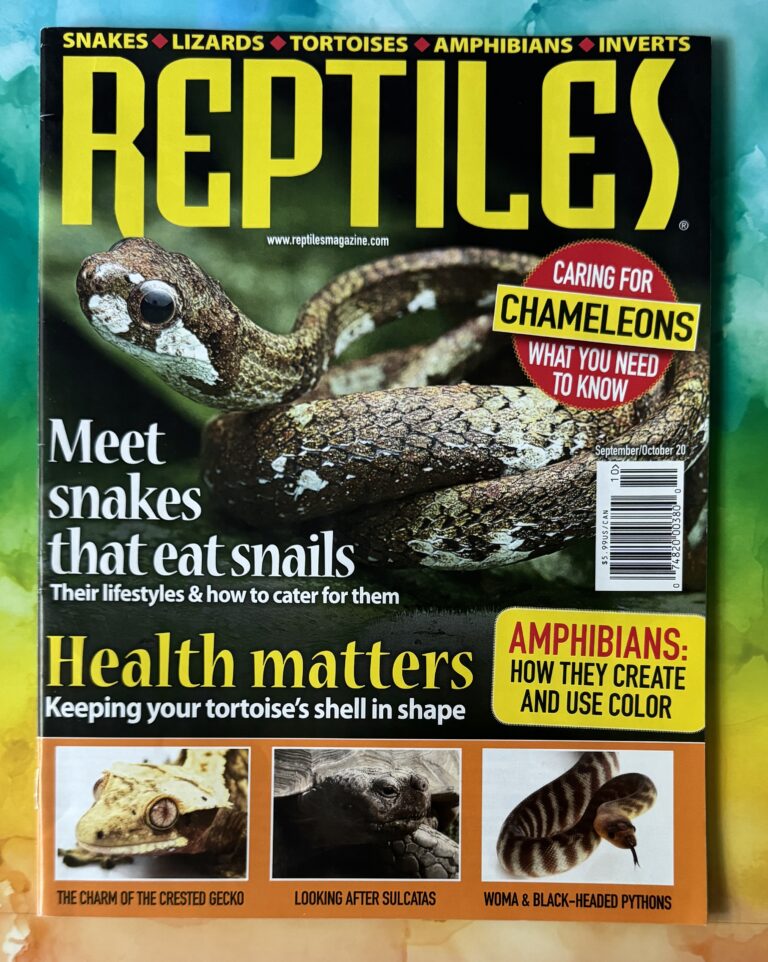
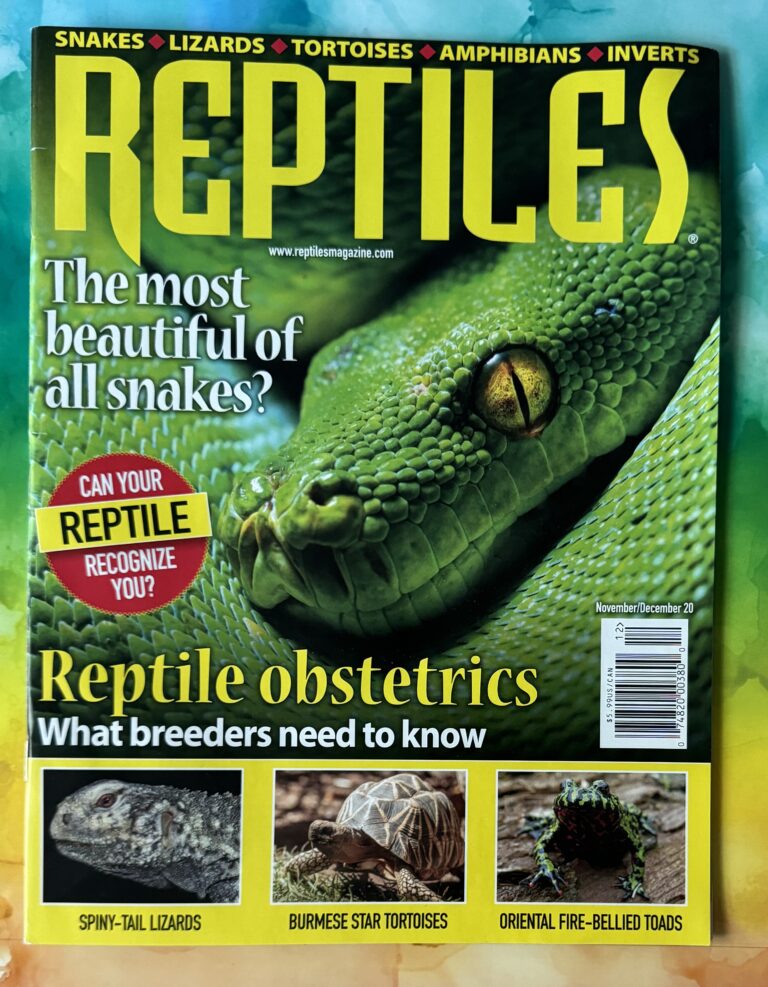
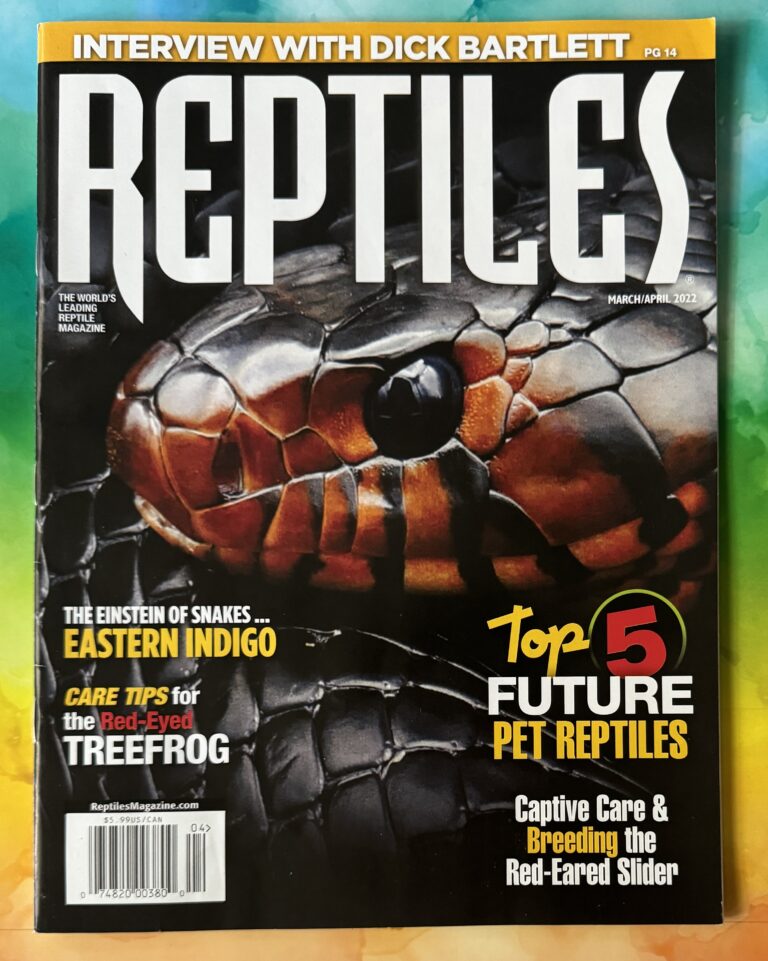
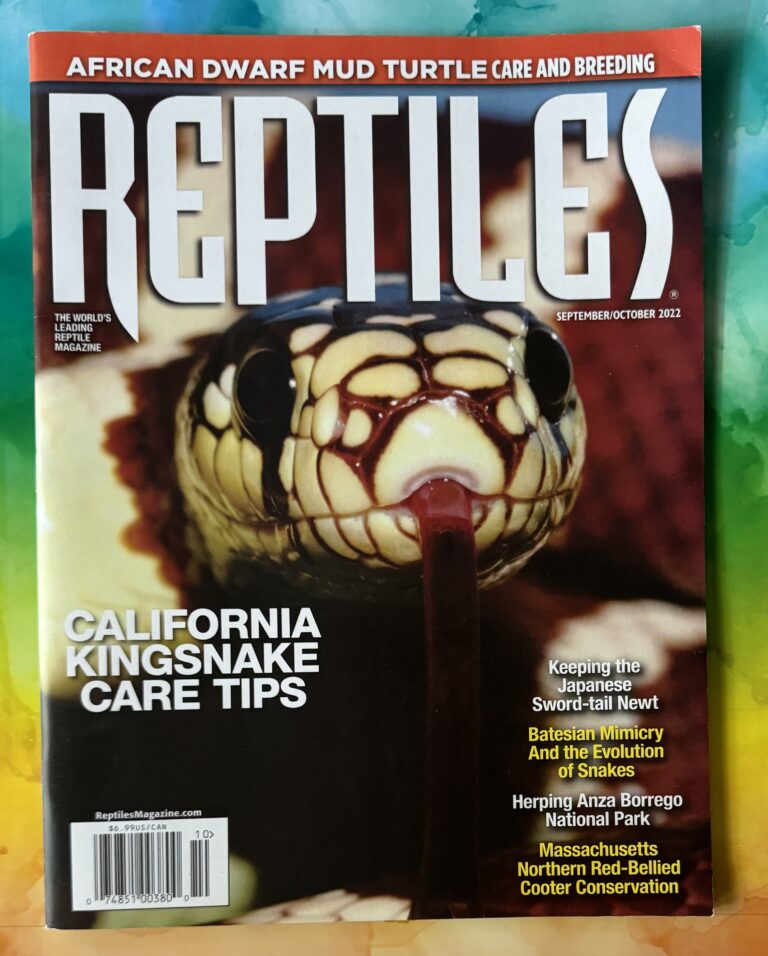
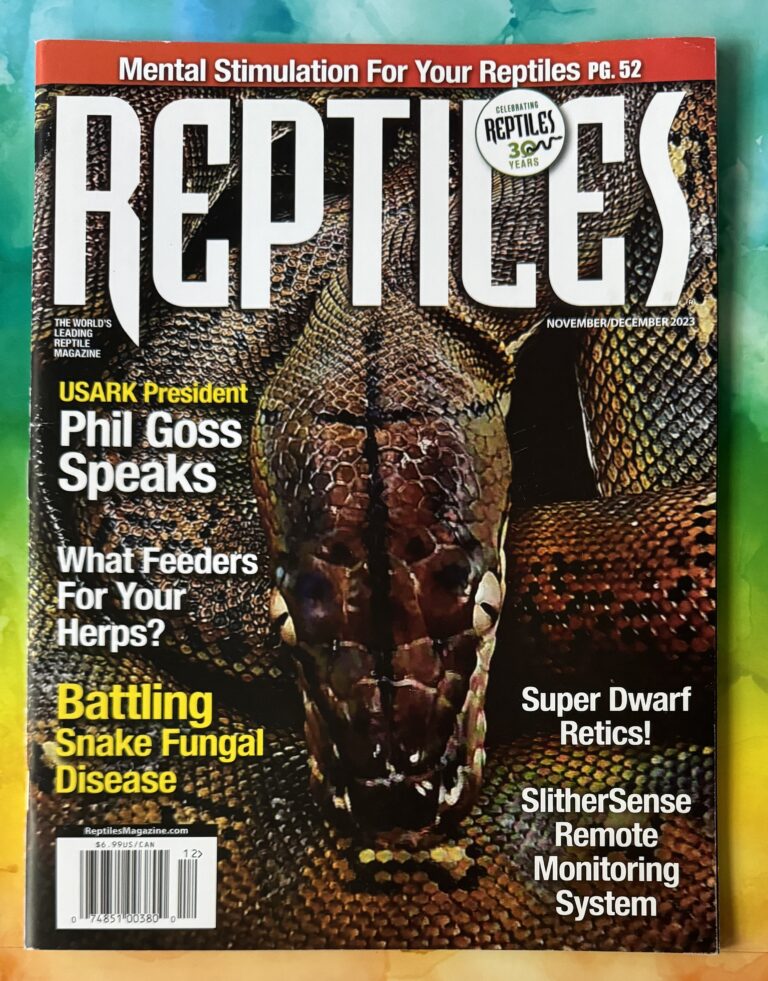
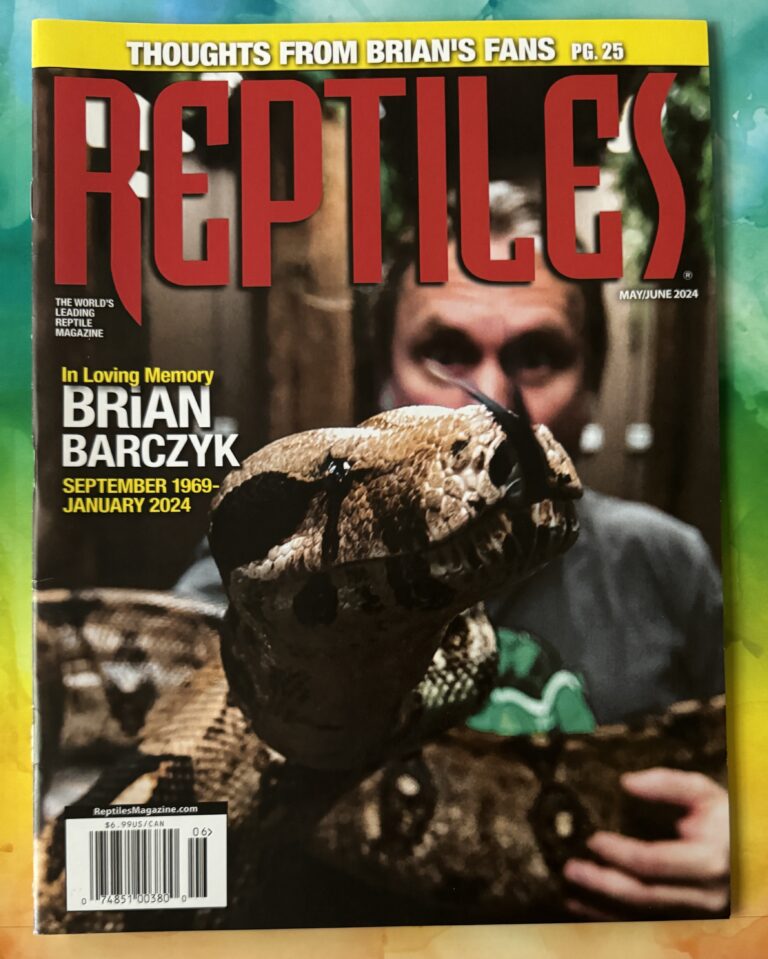
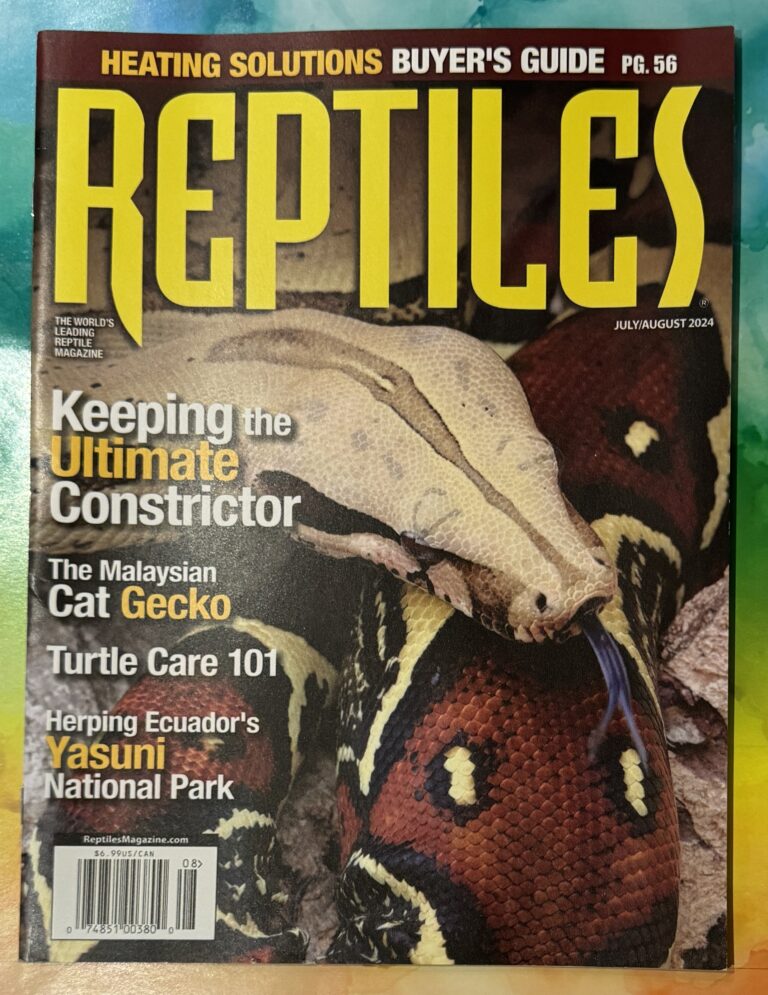
Preservation Significance
REPTILES is unusually valuable within the preservation project because the collection documents the title across more than three decades, from its premiere issue in October 1993 through 2024. The surviving issues show changes in editorial design, husbandry advice, breeding culture, veterinary emphasis, conservation reporting, public attitudes toward reptiles, and the commercial reptile hobby over time.
The run is also significant because it preserves major publication transitions rather than only isolated issues. Early issues document the Fancy Publications era. Later issues preserve the change to I-5 Publishing, the short 2017 sequence involving Lumina Media LLC and Pet360 Media Group, and the subsequent Living World Media period. The November 2000 cover is especially useful documentary evidence because it explicitly announces that REPTILES was “Now Incorporating The Vivarium Magazine.” This provides direct physical evidence of the absorption of another reptile periodical into the title.
Several issues have independent historical importance. The October 2002 issue celebrates the magazine’s tenth anniversary. The November/December 2023 issue marks thirty years of REPTILES. The May/June 2024 issue is a memorial edition for Brian Barczyk, a highly visible modern reptile educator, breeder, entrepreneur, and media personality whose work reached a large international audience. Preserving that issue documents not only the magazine itself, but the way the reptile community publicly remembered one of its best known contemporary figures.
The breadth of the surviving covers also records changing subject priorities. Snakes dominate much of the represented material, including pythons, boas, colubrids, vipers, rattlesnakes, hognose snakes, kingsnakes, anacondas, and venomous species. Other issues document turtles, tortoises, lizards, amphibians, veterinary medicine, field research, conservation, captive breeding, morph development, enclosure design, behavior, enrichment, and reptile related careers. Taken together, the issues form a long running primary source record of the modern reptile hobby in North America.
Magazine Research Record
Reptiles USA
Publication Identification
| Field | Information |
| Country | United States |
| Publisher | Fancy Publications, Inc. (2000 Annual) |
| Publisher address | 2000 corporate headquarters: 2401 Beverly Blvd., Los Angeles, California 90057. 2000 editorial / production / circulation office: P.O. Box 6050, Mission Viejo, California 92690. |
| Magazine title | Reptiles USA |
| Publication status | Pending research update |
| Publication run | First use of the REPTILES USA name documented in 1994. The 2009 Annual identifies itself as the fourteenth edition. Complete publication run: Pending research update. |
| Editor | Phillip Samuelson (2000 Annual) |
| Printer | Printed in the U.S.A. Printing company: Pending research update. |
| ISSN | 1093-944X |
| Language | English |
| Publication type | Annual special publication / buying and care guide |
| Publication frequency | Annual |
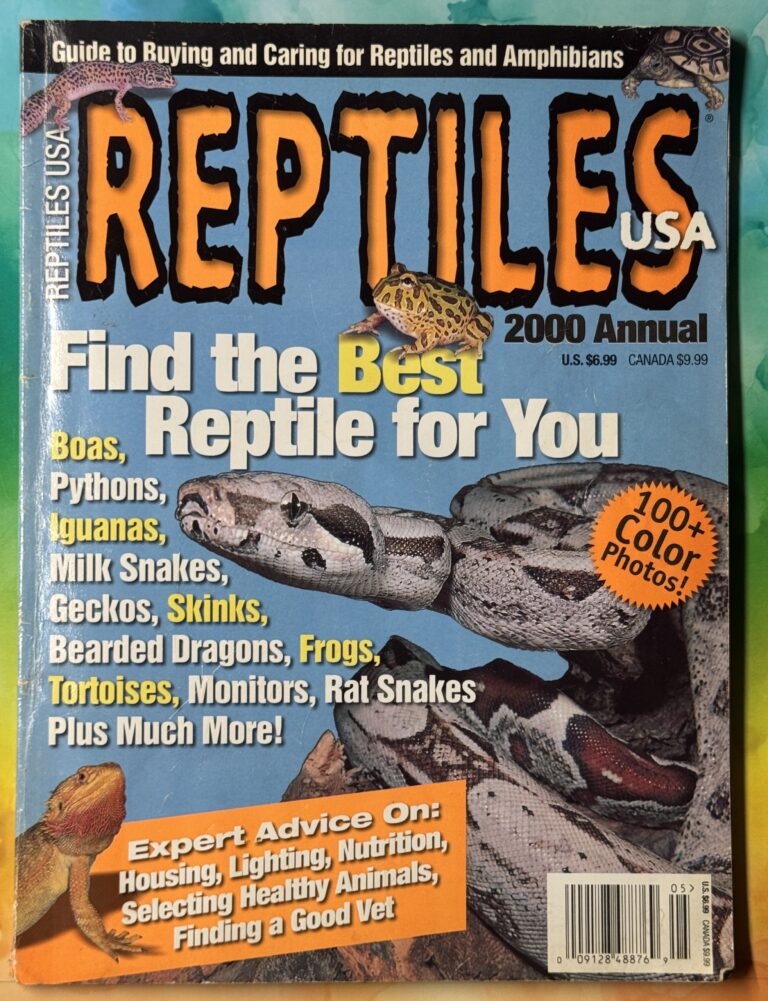
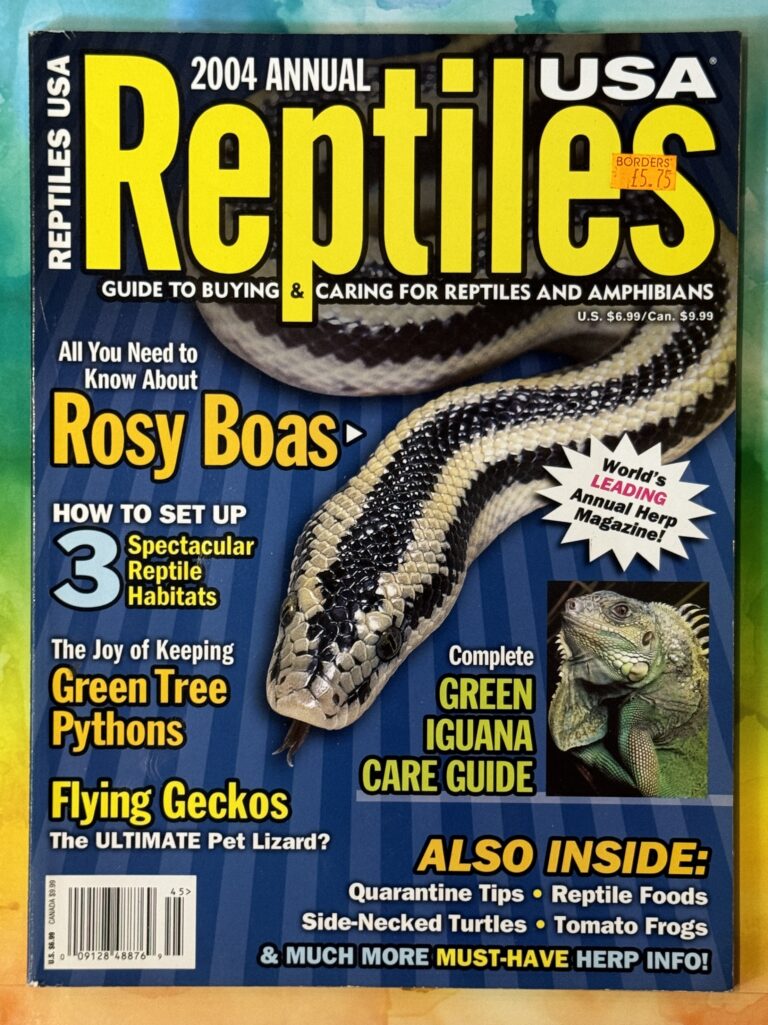
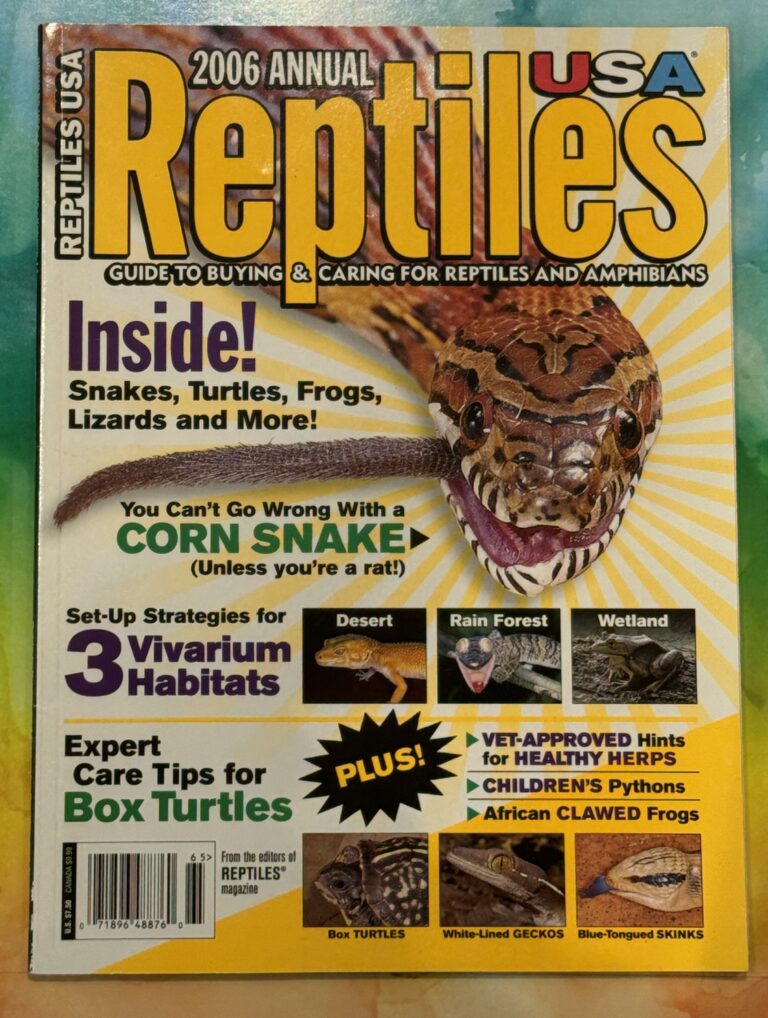
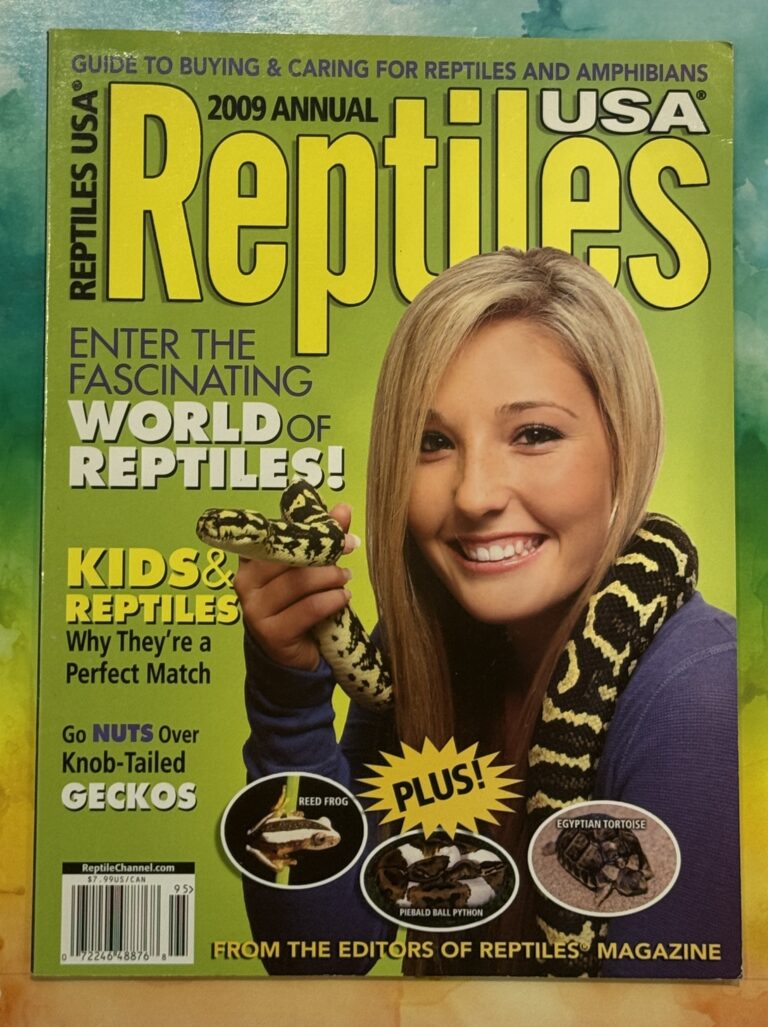
Preservation Significance
Reptiles USA has preservation value because it records how reptile and amphibian care was presented to a broad pet keeping audience through annual reference guides rather than through a monthly specialist magazine alone. The annual format concentrated introductory husbandry, species selection, housing, lighting, nutrition, veterinary guidance, and species profiles into a publication intended to remain useful beyond a single month. The four annuals represented here, from 2000 through 2009, provide a physical record of how that guidance and its presentation changed across nearly a decade.
The 2000 Annual is especially useful because its editor’s introduction describes a hobby that had changed dramatically from an earlier period when reliable information was harder to obtain and keepers often relied on limited personal experience. The introduction emphasizes the expansion of available species, improvements in care information, increasing captive breeding, and the growing availability of animals produced in captivity. That editorial perspective provides a direct historical snapshot of how the reptile keeping community understood its own development at the beginning of the twenty first century.
The later annuals show how the publication continued to frame reptile keeping for new and developing hobbyists. The 2004 Annual emphasizes species care, habitat setup, quarantine, food, and husbandry. The 2006 Annual promotes corn snakes, box turtles, vivarium habitats, veterinary guidance, frogs, geckos, skinks, and children’s pythons. The 2009 Annual includes material aimed at families and beginners, including a feature on children and reptiles, while continuing to cover specialist species such as knob tailed geckos, piebald ball pythons, frogs, and tortoises. Together, the issues preserve changing expectations about what responsible reptile ownership required.
The annuals are also useful as a record of commercial and editorial culture surrounding the reptile hobby. The masthead preserves the staff structure of Fancy Publications, the people responsible for editing, production, circulation, advertising, and publishing, as well as the business addresses and circulation information associated with the publication. The physical issues therefore preserve not only husbandry advice but also the publishing infrastructure that helped distribute reptile information nationally.
Magazine Research Record
Science
American Association for the Advancement of Science
Publication Identification
| Field | Information |
| Country | United States |
| Publisher | American Association for the Advancement of Science (AAAS) |
| Publisher address | 1200 New York Avenue NW Washington DC 20005 |
| Magazine title | Science |
| Publication status | Active; continuing publication |
| Publication run | 1880 to present |
| Editor | H. Holden Thorp |
| Printer | American Association for the Advancement of Science (AAAS) |
| ISSN | 0036-8075 |
| Language | English |
| Publication type | International weekly scientific journal |
| Publication frequency | Weekly |
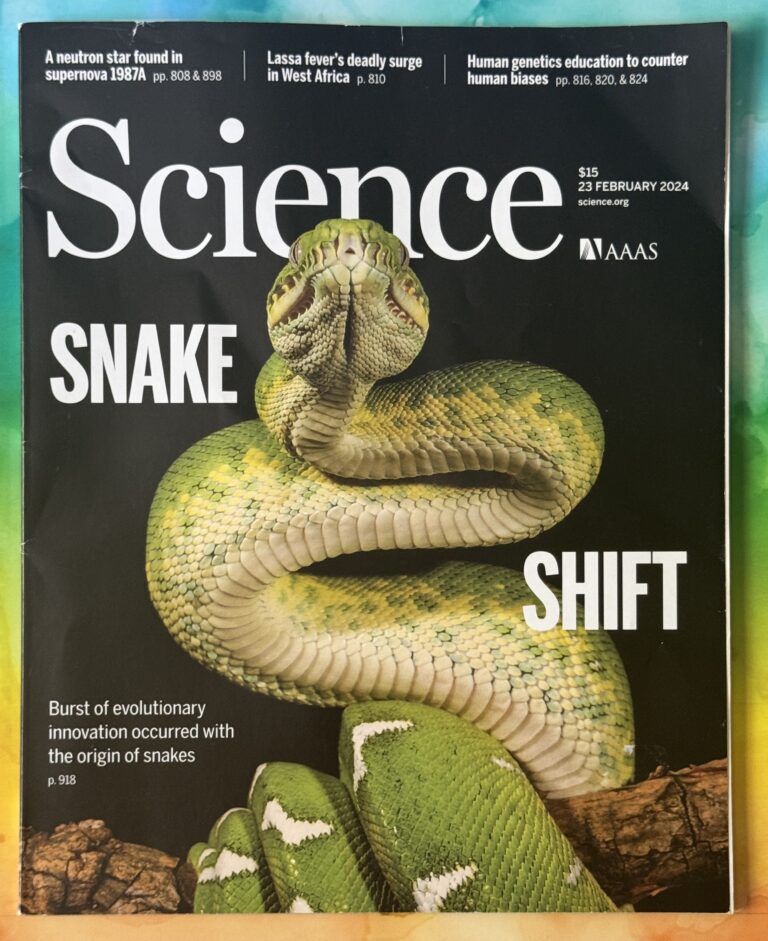
Preservation Significance
This issue has strong preservation significance because a major general science journal devoted its cover to the evolutionary origin and diversification of snakes. The cover does not treat snakes primarily as captive animals or as unusual wildlife. Instead, it presents snake evolution as a major macroevolutionary event and directs readers to a peer reviewed research article examining why snakes became such an exceptionally successful vertebrate radiation.
The physical issue therefore preserves an example of snake biology appearing at the highest level of mainstream scientific communication. Its significance is strengthened by the direct connection between the cover headline, Snake Shift, and the research article The macroevolutionary singularity of snakes. The article combines genomic, phylogenetic, morphological, ecological and natural history evidence to examine the evolutionary history of snakes and their relationship to other squamates.
Within the preservation collection, this issue also provides a useful contemporary counterpart to older general science magazines that featured snakes. It demonstrates how the scientific questions surrounding snakes have changed over time, from descriptive natural history and physiology toward large scale evolutionary analyses built from genomic datasets, museum material, field observations and comparative methods.
Magazine Research Record
Scientific American
Publication Identification
| Field | Information |
| Country | United States |
| Publisher | Gerard Piel |
| Publisher address | 415 Madison Avenue, New York, New York 10017 |
| Magazine title | Scientific American |
| Publication status | Continuing scientific publication; precise present status pending research update |
| Publication run | Founded in 1845; the November 1982 issue is documented here. Full chronological details pending research update |
| Editor | Dennis Flanagan (November 1982 masthead) |
| Printer | Pending research update |
| ISSN | 0036-8733 |
| Language | English |
| Publication type | General science and science communication magazine |
| Publication frequency | Monthly |
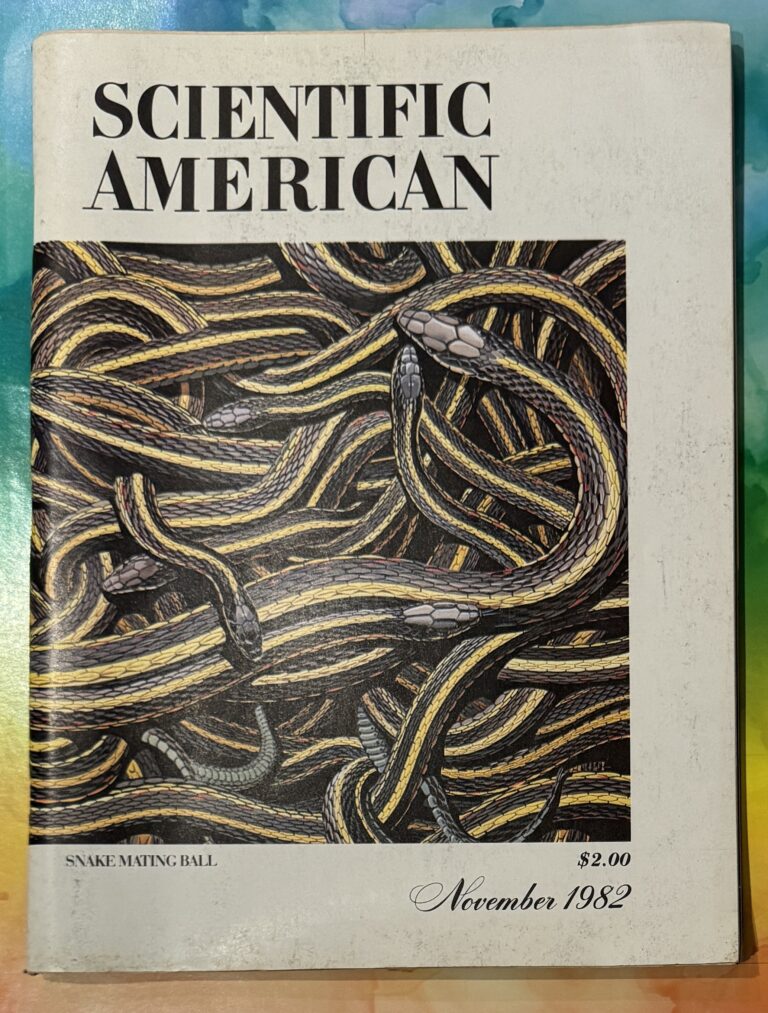
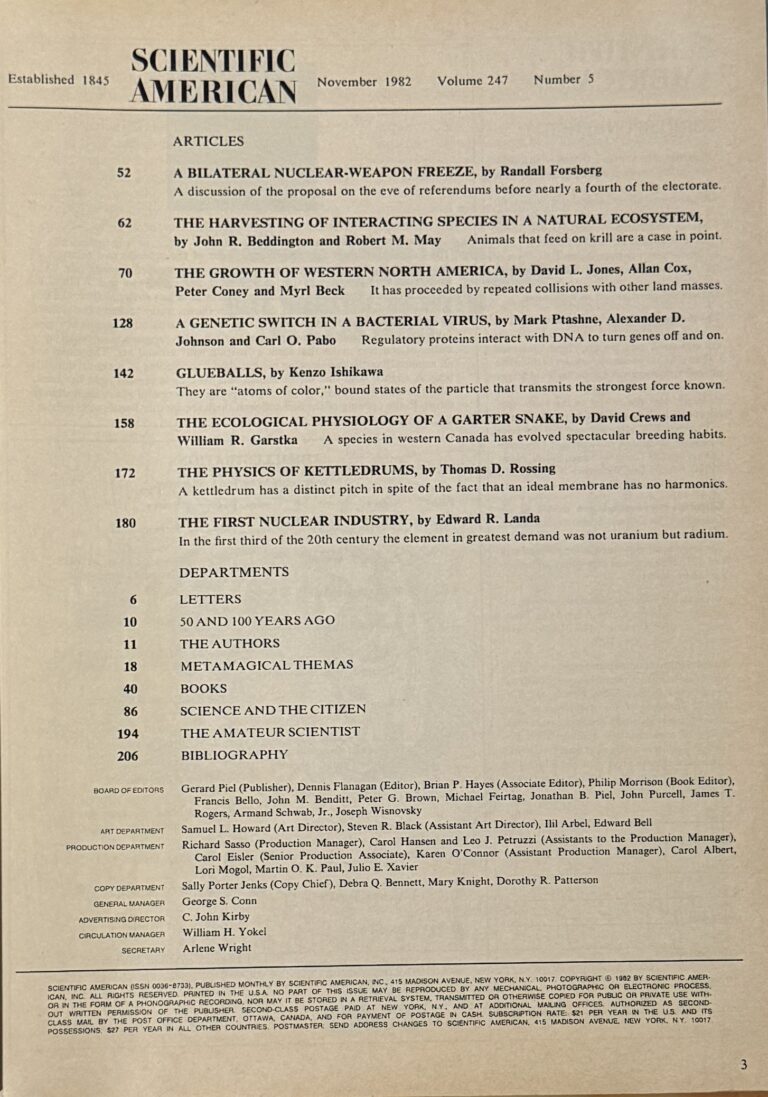
Preservation Significance
This issue is significant within the preservation collection because it places snake reproductive biology on the cover of a major general science magazine rather than a specialist reptile publication. The cover image is explicitly identified as Snake Mating Ball, while the issue contains the article The Ecological Physiology of a Garter Snake by David Crews and William R. Garstka. Together, the cover and article preserve an example of herpetological research being presented to a broad scientific readership in 1982.
The article concerns the red-sided garter snake of western Canada and explains how the species’ physiology and behavior are synchronized with an extreme seasonal environment. Its breeding aggregations are among the most visually dramatic aspects of that annual cycle, which helps explain the choice of a snake mating ball for the cover.
The issue is also useful for showing how reptile biology appeared within mainstream scientific communication during the period. Rather than presenting snakes primarily through captive care or hobby culture, Scientific American framed the subject through ecology, physiology, reproductive behavior and adaptation. That contrast makes the issue especially useful alongside the specialist reptile magazines preserved elsewhere in the collection.
Magazine Research Record
Smithsonian
Publication Identification
| Field | Information |
| Country | United States |
| Publisher | Smithsonian Institution |
| Publisher address | Pending research update |
| Magazine title | Smithsonian |
| Publication status | Continuing publication |
| Publication run | Pending research update |
| Editor | Pending research update |
| Printer | Pending research update |
| ISSN | Pending research update |
| Language | English |
| Publication type | General interest science, history, culture, and natural history magazine |
| Publication frequency | Monthly |
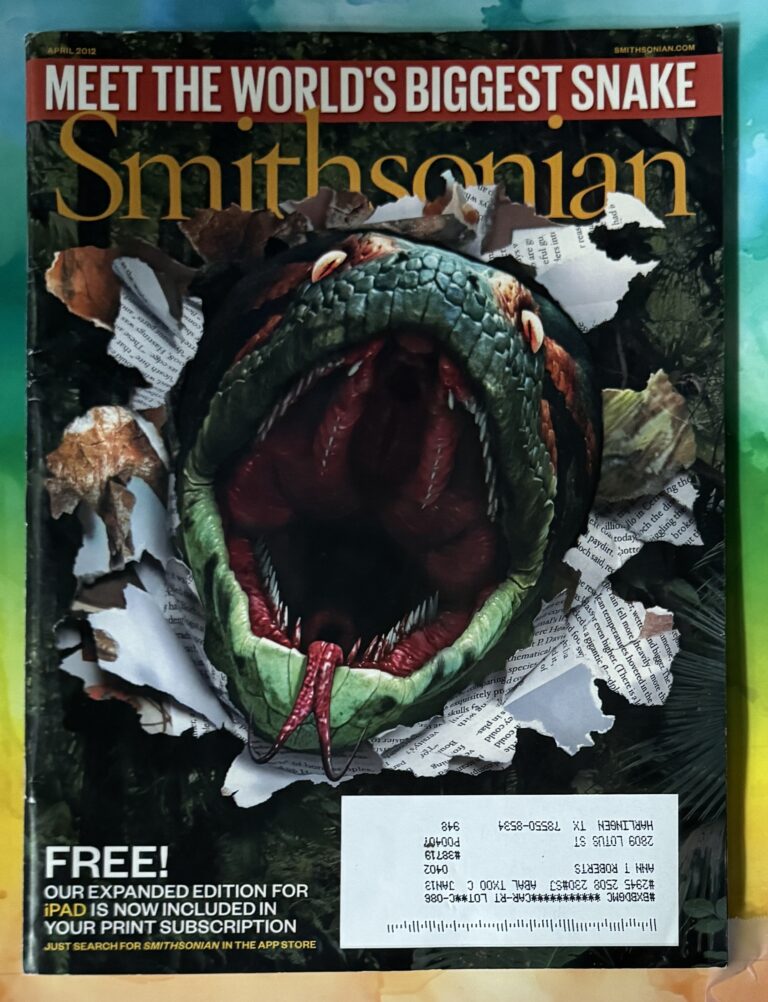
Preservation Significance
This issue is significant within the preservation collection because Smithsonian placed an extinct snake at the center of a major general interest science and history magazine. The cover headline, Meet the World’s Biggest Snake, presents Titanoboa as the defining feature of the April 2012 issue and connects a fossil discovery directly with public scientific communication.
The issue preserves the moment when Titanoboa moved from specialist paleontological research into broad public awareness. The accompanying feature explains the discovery of an enormous fossil snake from Colombia, its implications for understanding prehistoric tropical ecosystems and the scientific effort required to reconstruct an animal known only from fragmentary fossil remains.
Within the collection, the issue is especially useful because it expands the snake record beyond living species, captive care and modern ecology. It documents paleontology, extinction, deep time, climate interpretation and the reconstruction of prehistoric ecosystems, showing another way snakes have contributed to scientific inquiry and public understanding.
Magazine Research Record
The Vivarium
Publication Identification
| Field | Information |
| Country | United States |
| Publisher | American Federation of Herpetoculturists (AFH); later Vivarium Publishing Group, Inc. |
| Publisher address | Pending research update |
| Magazine title | The Vivarium |
| Publication status | Discontinued; formal serial record ends February / March 2000 |
| Publication run | Volume 1, Number 1, Winter 1988 through Volume 11, Number 2, February / March 2000 |
| Editor | Pending research update |
| Printer | Pending research update |
| ISSN | 1047-2665 |
| Language | English |
| Publication type | Color herpetoculture magazine and journal focused on captive care, breeding, natural history, conservation, legislation and the human relationship with reptiles and amphibians |
| Publication frequency | Bimonthly |
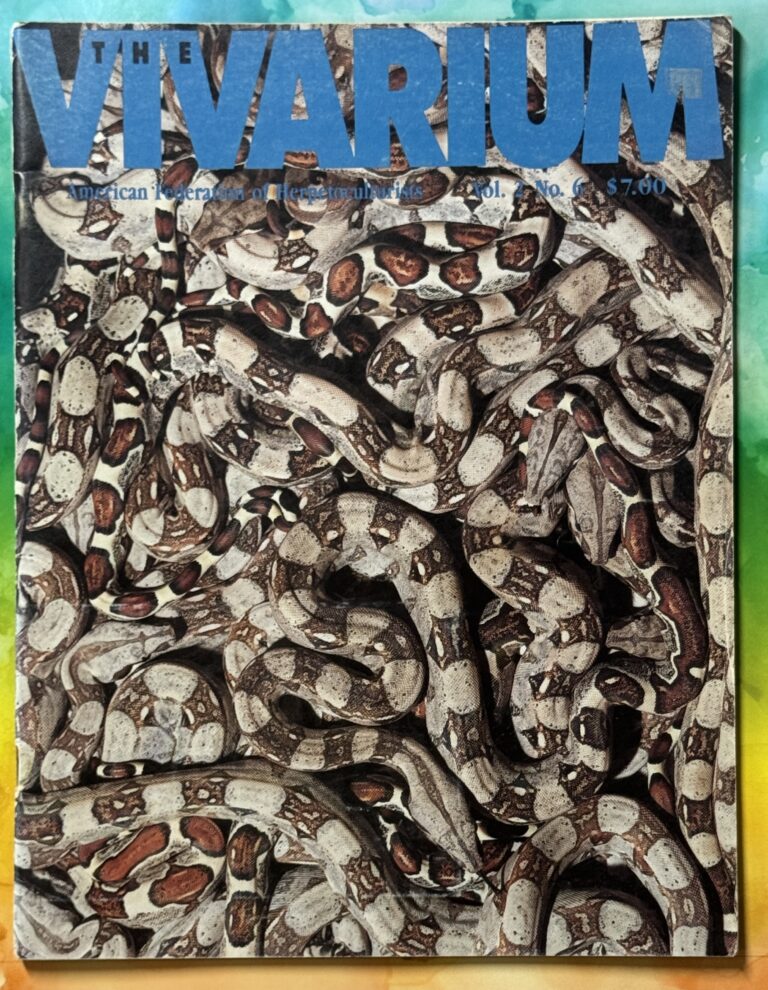
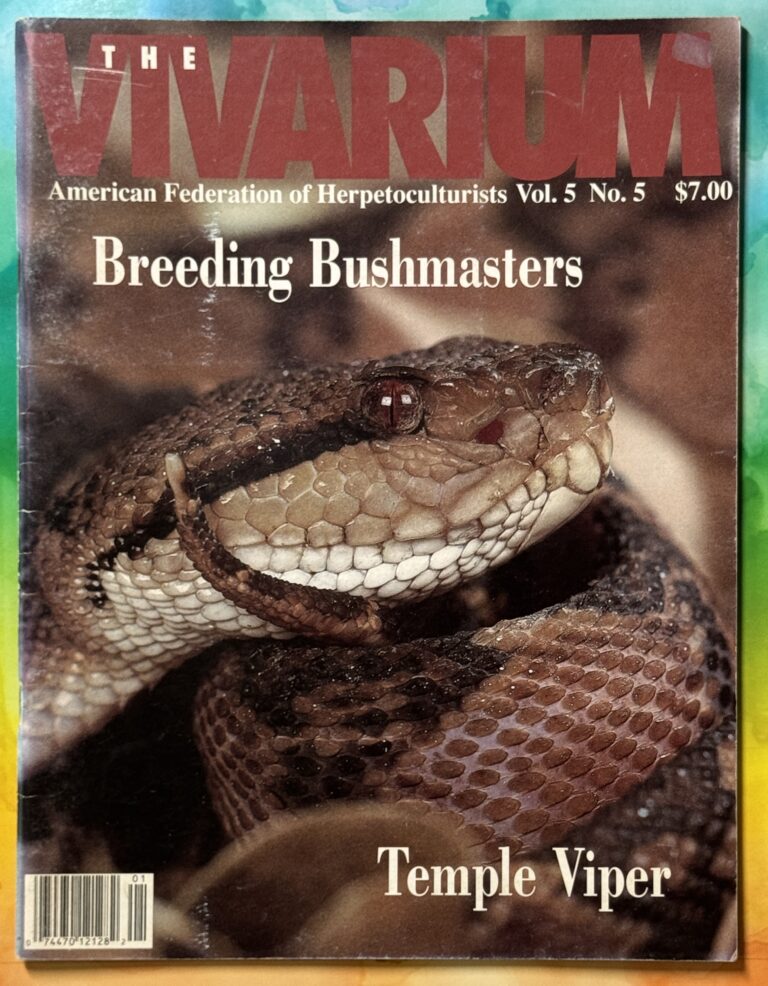
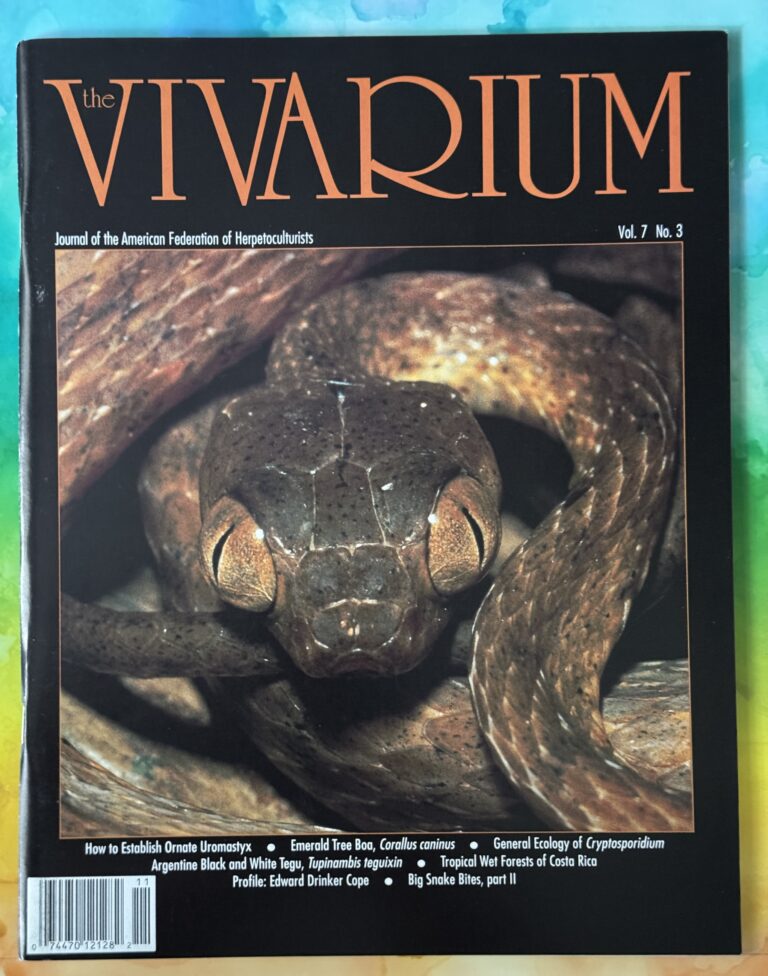
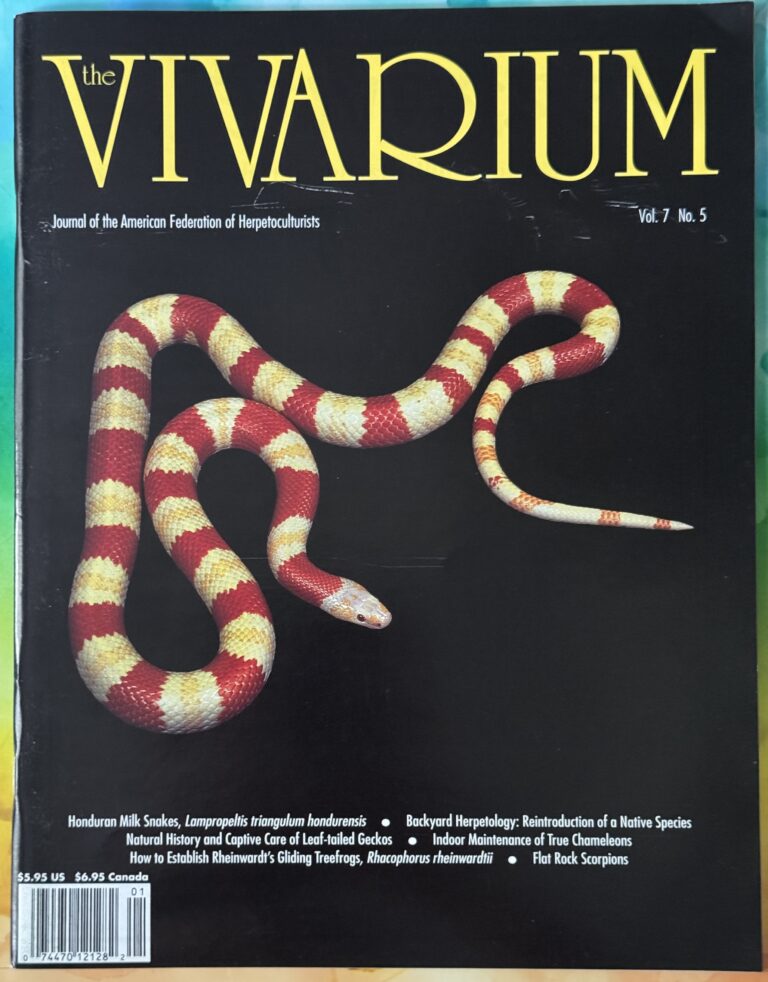
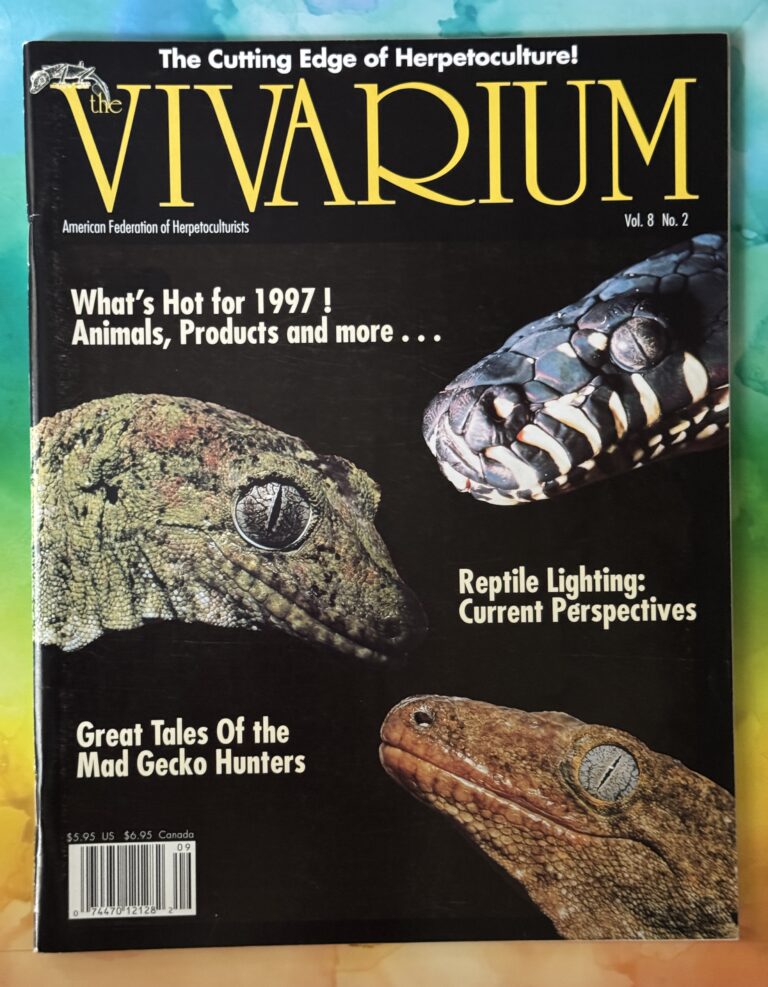
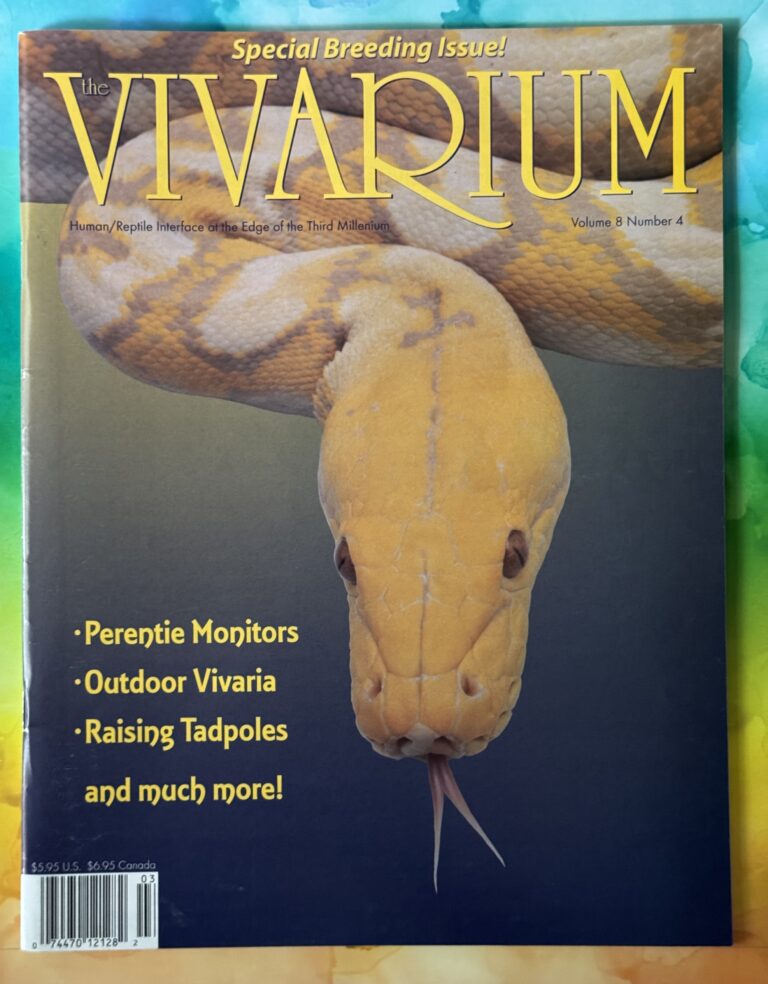
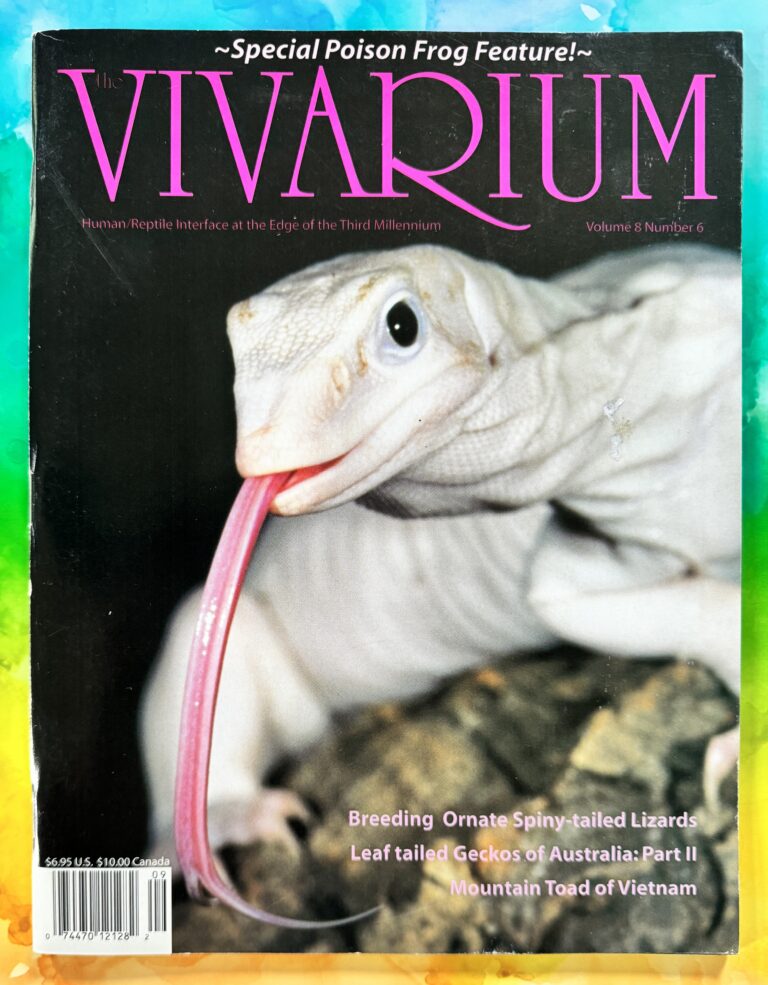
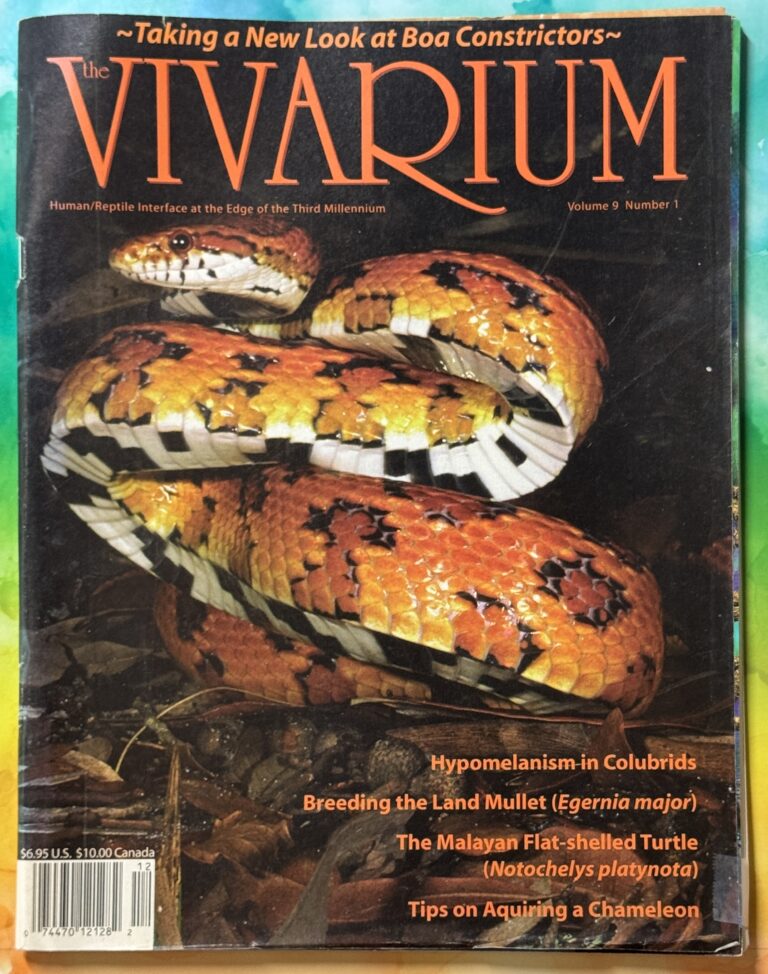
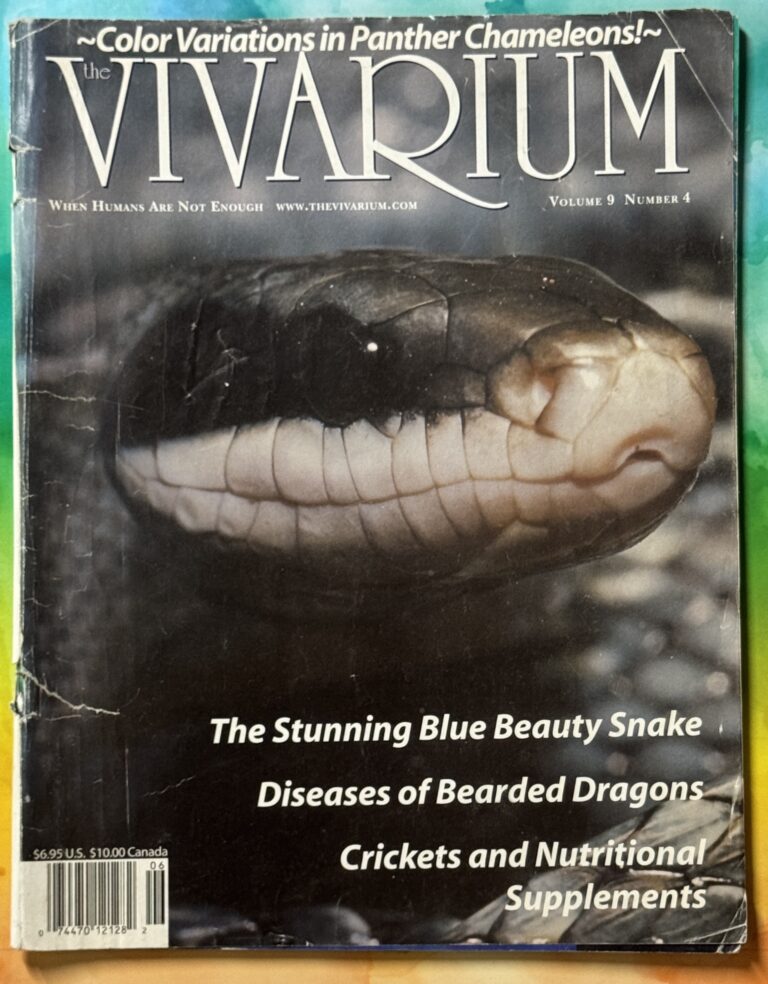
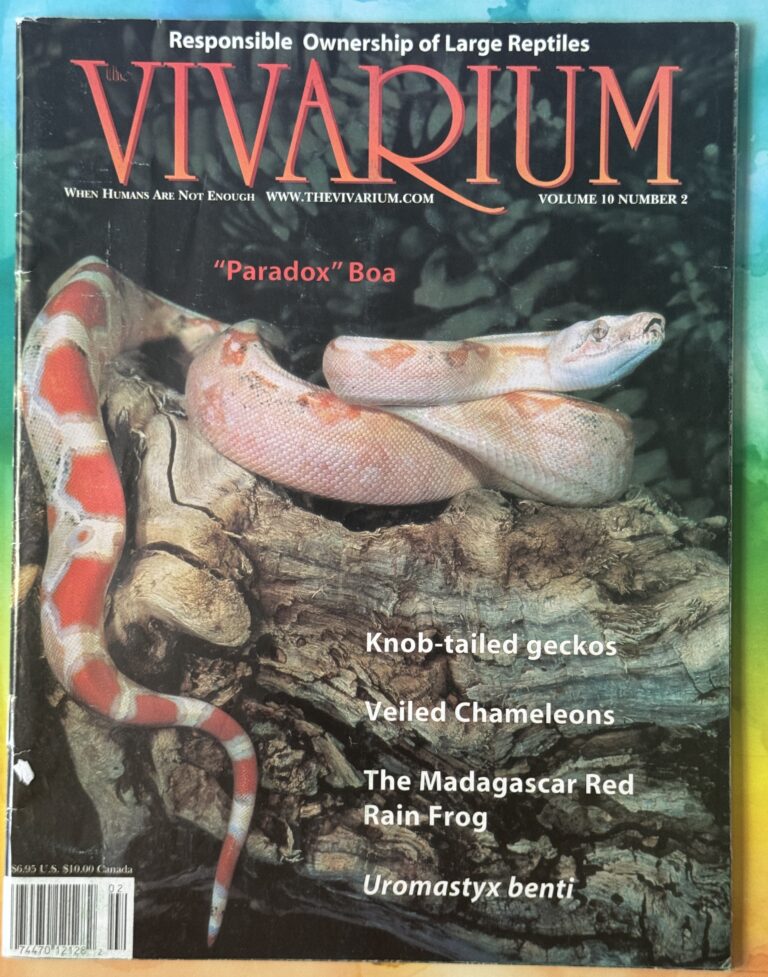
Preservation Significance
The Vivarium has substantial preservation significance because it was one of the formative American periodicals of modern herpetoculture. The American Federation of Herpetoculturists began publishing the magazine in the late 1980s, and former AFH president Philippe de Vosjoli later described it as the first internationally distributed color magazine devoted to the keeping and breeding of amphibians and reptiles.
The surviving issues document a period when organized private herpetoculture was becoming increasingly visible in the United States. The magazine addressed captive care and breeding, vivarium design, veterinary and nutrition topics, field observations, conservation, legislation, ethical questions and the relationship between people and reptiles and amphibians. That combination makes the publication useful as a record of both practical animal keeping and the developing culture surrounding reptile and amphibian ownership.
The represented issues also preserve a broad range of snake material, including bushmasters, temple vipers, Honduran milk snakes, emerald tree boas, boa constrictors, blue beauty snakes, large reptile ownership and big snake safety. For a collection with a strong snake focus, The Vivarium provides particularly useful evidence of how snake husbandry, breeding, safety and natural history were communicated to serious keepers during the 1990s.
Magazine Research Record
Snakes: Fear, Fascination, and Public Perception
Throughout publishing history, snakes have been used to attract attention, sometimes through fascination and scientific curiosity, and other times through fear and sensationalism. Magazine covers provide particularly interesting examples of how these animals have been presented to the public.
Some publications emphasize the danger associated with snakes, while others use dramatic photography to encourage readers to learn more about them. Entertainment publications have also used snakes to promote horror films, often portraying them as aggressive animals intent on attacking people.
These portrayals can reinforce misconceptions about snake behavior and make public education more challenging. Although some snakes are dangerous and should be treated with appropriate caution, most would prefer to avoid confrontation with humans rather than engage them.
An interesting example appears on the August 2006 cover of Fangoria, promoting the film Snakes on a Plane. The cover uses a corn snake, a nonvenomous species generally known for its relatively docile temperament, as part of a frightening image.
The contrast between the animal's typical behavior and its portrayal illustrates how presentation can influence perception.
Snakes can certainly inspire fear, but they are also fascinating animals with important ecological roles. Preserving these magazine covers provides an opportunity to examine how public attitudes toward snakes have been shaped by entertainment, journalism, and scientific communication over time.
Entertainment Weekly
Publication Identification
| Field | Information |
| Country | United States |
| Publisher | Time Inc. |
| Publisher address | Pending research update |
| Magazine title | Entertainment Weekly |
| Publication status | Print edition discontinued in 2022; the publication continued as a digital brand. |
| Publication run | Print: February 1990 to April 2022. Digital publication continued after the print edition ended. |
| Editor | Pending research update |
| Printer | Pending research update |
| ISSN | 1049-0434 (bibliographic reference; not verified against the represented issue’s masthead) |
| Language | English |
| Publication type | General-interest entertainment and popular culture magazine |
| Publication frequency | Weekly |
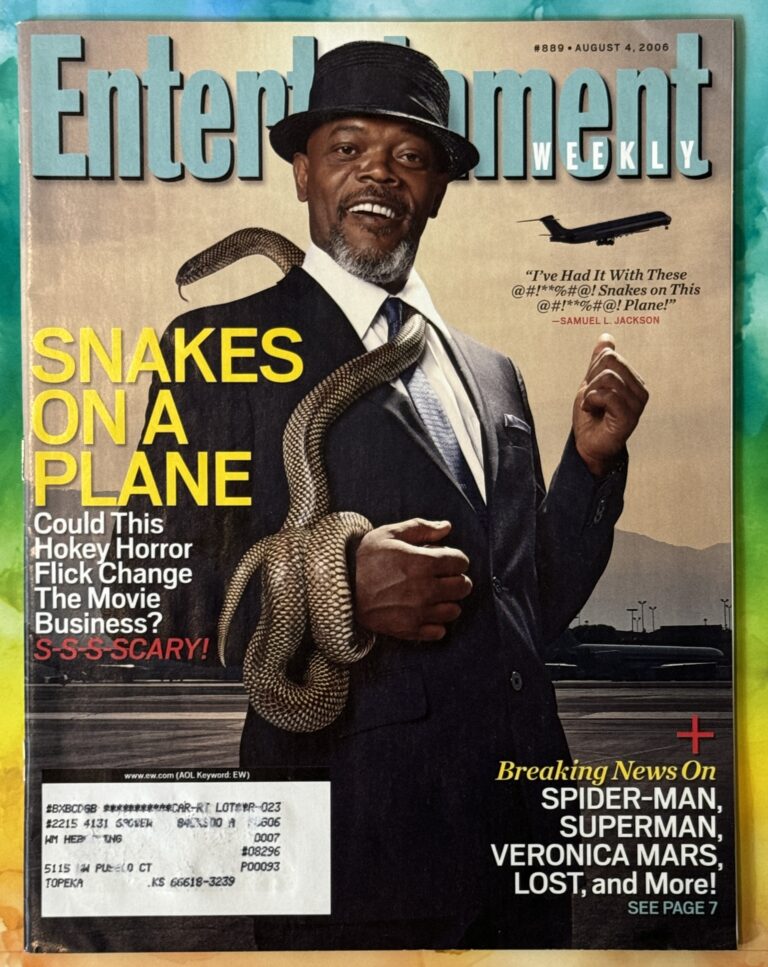
Preservation Significance
This issue has preservation significance because it records how a mainstream American entertainment magazine presented snakes to a mass audience during the 2006 Snakes on a Plane phenomenon. The cover does more than advertise a film: it preserves a cultural example of snakes being used as visual shorthand for fear, danger, and terror. Such portrayals can reinforce an unjustified fear of snakes and make later public education about their behavior and ecological value more difficult. Preserving the physical issue allows future readers to examine the imagery, language, and marketing in their original context rather than relying on later descriptions of the campaign.
Magazine Research Record
Fangoria
Publication Identification
| Field | Information |
| Country | United States |
| Publisher | O’Quinn Studios (attributed in the supplied research record; not established by the cover) |
| Publisher address | Pending research update |
| Magazine title | Fangoria |
| Publication status | Pending research update |
| Publication run | Founded in 1979 according to the existing research record; complete publication run pending research update |
| Editor | Pending research update |
| Printer | Pending research update |
| ISSN | Pending research update |
| Language | English |
| Publication type | Horror film and genre magazine |
| Publication frequency | Monthly during this period, as described in the existing research record |
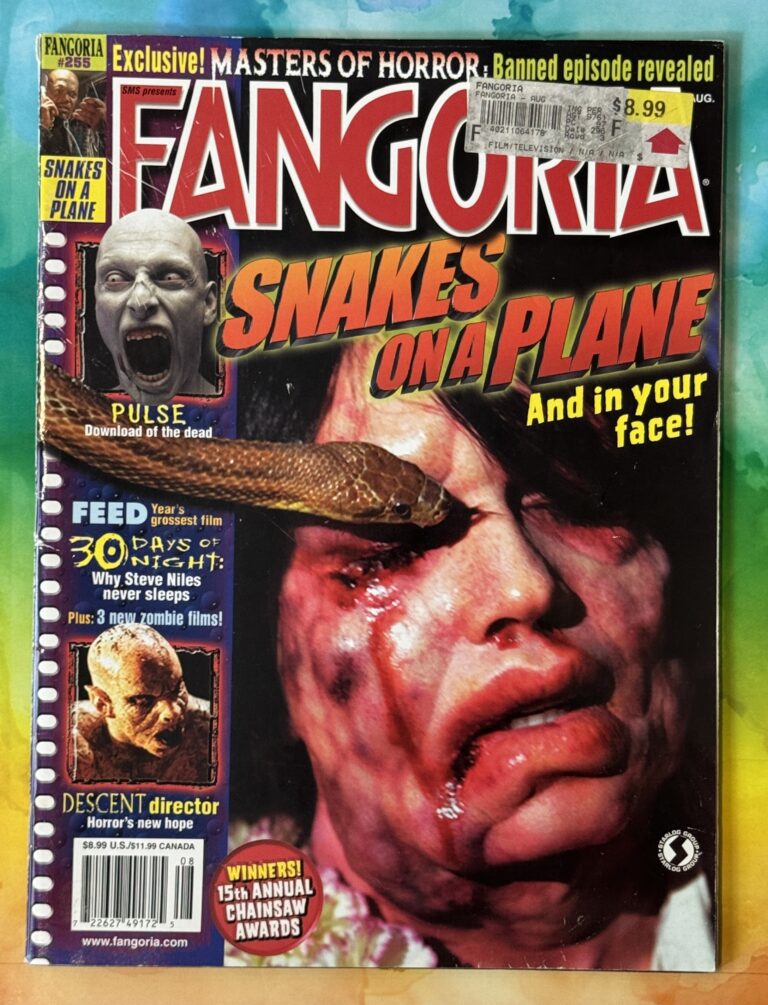
Preservation Significance
This issue has preservation significance because it captures a particularly direct example of snakes being used as instruments of fear in popular horror culture. The physical cover preserves the visual strategy itself: a snake thrust toward an injured human face, accompanied by language emphasizing confrontation and threat. It documents how entertainment media can reinforce the cultural association between snakes and terror, an association that can feed unjustified fear and complicate efforts to teach people about the actual behavior, ecological importance, and diversity of snakes.
Preserving the issue records both a moment in horror publishing associated with the 2006 film Snakes on a Plane and an example of the broader cultural history of human attitudes toward snakes. This is an interpretation of the cover’s representation, not evidence that the magazine caused a measurable change in public attitudes.
Magazine Research Record
Life Magazine
Publication Identification
| Field | Information |
| Country | United States |
| Publisher | Time Inc. |
| Publisher address | Pending research update |
| Magazine title | LIFE |
| Publication status | Historical weekly print edition; ceased in its original weekly form (final issue date not established by the supplied materials) |
| Publication run | The issue represented is Vol. 54, No. 9, March 1, 1963. Complete historical run is not established by this record |
| Editor | George P. Hunt, Managing Editor, credited in the supplied Editors’ Note |
| Printer | Pending research update |
| ISSN | Pending research update |
| Language | English |
| Publication type | General interest news, photography, culture, and current affairs magazine |
| Frequency | Weekly |
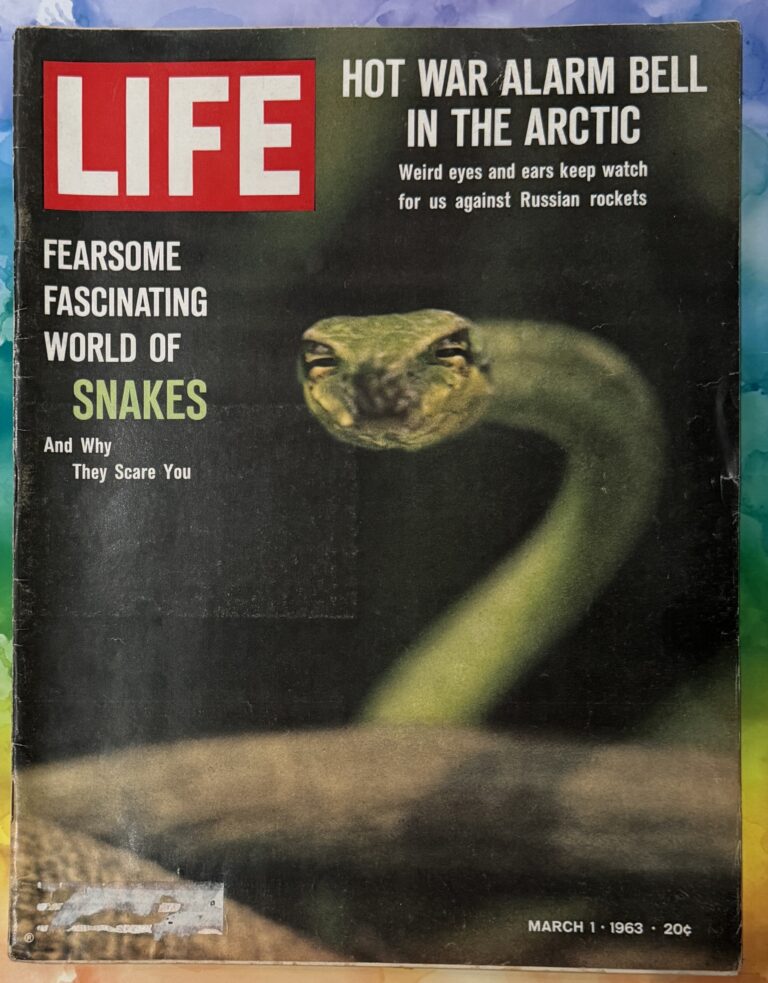
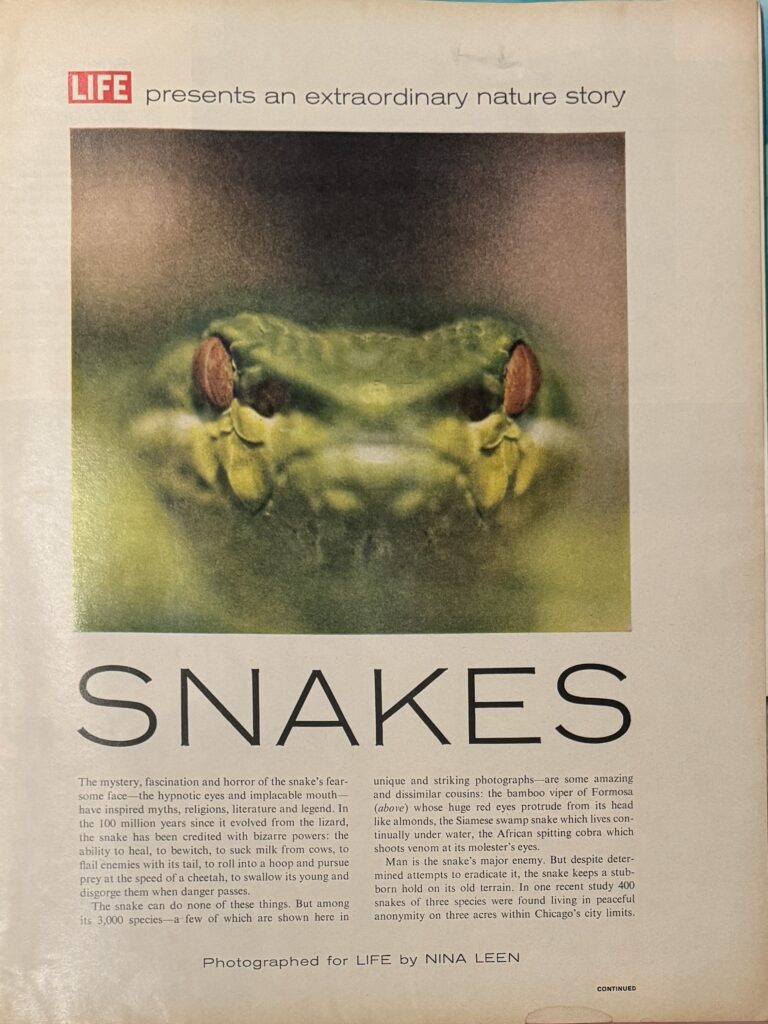
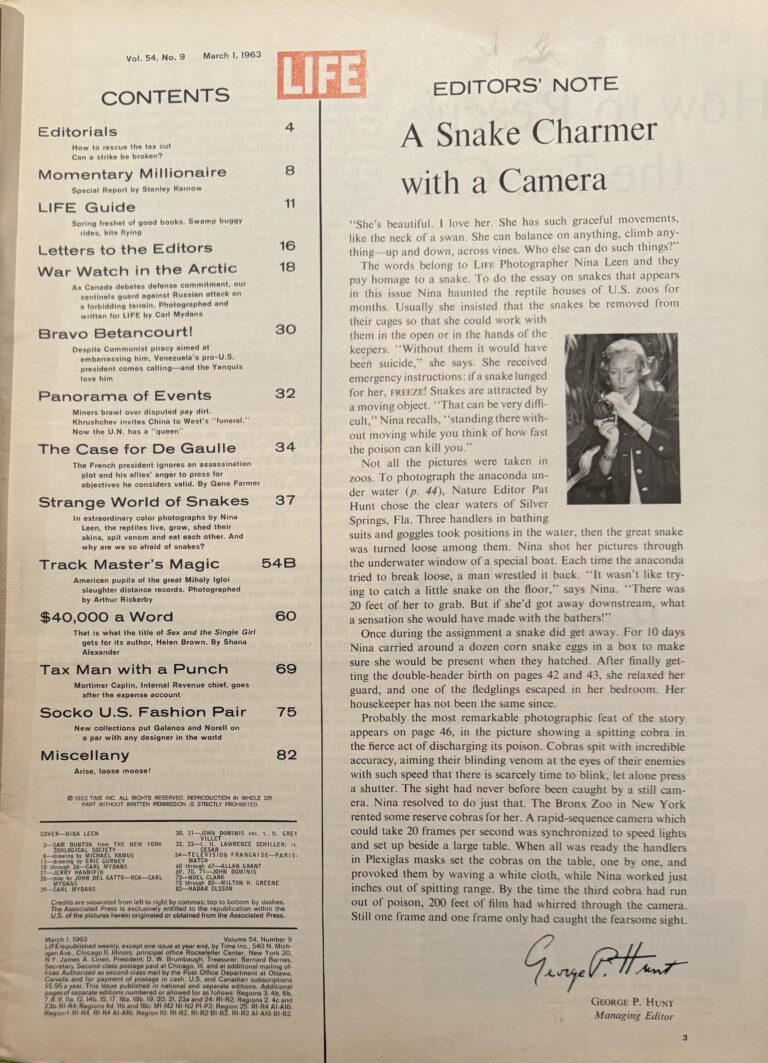
Preservation Significance
The March 1, 1963 issue of LIFE has preservation significance because it documents how one of the most influential American picture magazines combined serious nature photography with a deliberately fear oriented presentation of snakes. The cover language, “FEARSOME FASCINATING WORLD OF SNAKES: And Why They Scare You,” openly uses fear as part of the appeal, while the interior material reveals a more nuanced mixture of admiration, scientific interest, danger, and spectacle. Preserving the complete issue allows those two messages to be studied together. It provides physical evidence of how snakes have long been used to attract and unsettle readers, helping explain how popular media can feed persistent, often unjustified fear even when the underlying animals are not necessarily being factually misrepresented.
Magazine Research Record
National Geographic
Publication Identification
| Field | Information |
| Country | United States |
| Publisher | National Geographic Society |
| Publisher address | Pending research update. Historical publication location: Washington, D.C.; exact street address not established. |
| Magazine title | National Geographic |
| Publication status | Continuing publication; the represented physical issues date from 1970 and 1971 |
| Publication run | Founded in 1888; the full publication run extends beyond the 1970 and 1971 issues represented here |
| Editor | Pending research update |
| Printer | Pending research update |
| ISSN | Pending research update |
| Language | English |
| Publication type | General interest geography, science, natural history, culture, exploration, and photography magazine |
| Publication frequency | Monthly |
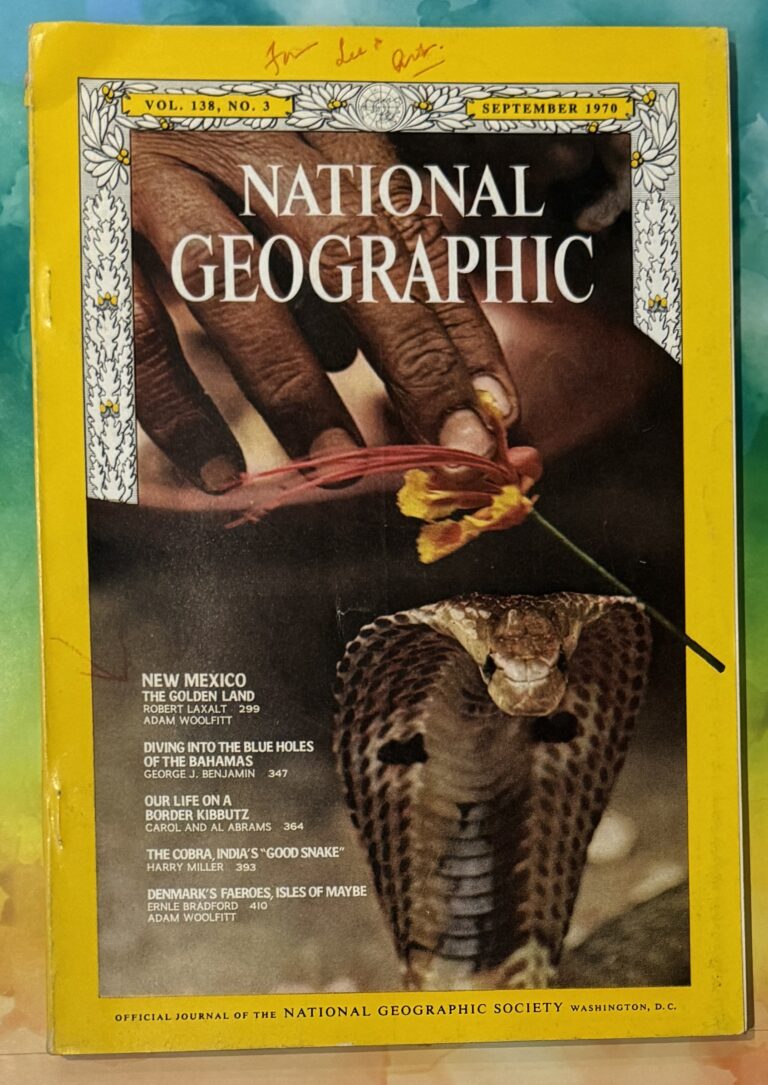
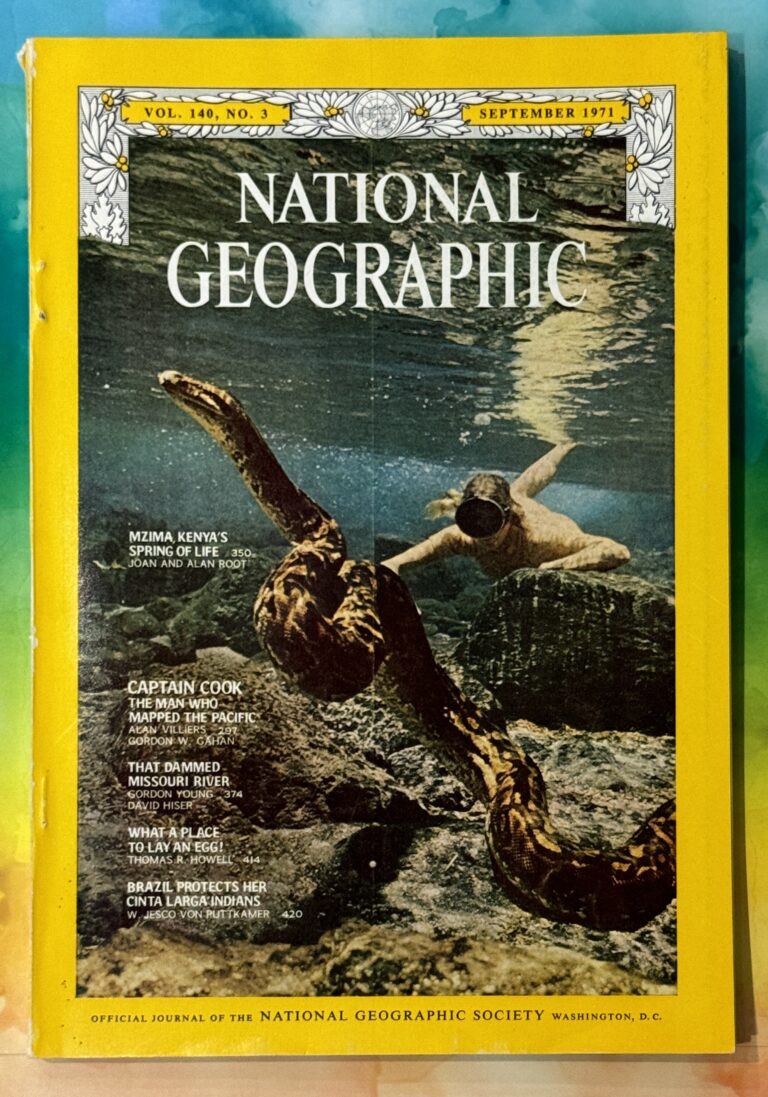
Preservation Significance
These issues have preservation significance because they preserve a subtler form of snake representation than openly sensational or inaccurate publications. National Geographic presented substantive natural history and cultural material, yet its covers still used snakes in purposeful, dramatic compositions that emphasize confrontation, size, proximity, and perceived danger. Preserving these issues makes it possible to study how even credible educational media could simultaneously foster fascination with snakes and draw upon the public’s fear of them. Together with more overtly frightening portrayals in other magazines, these covers help document the long history of snakes being visually framed to attract attention, create tension, and sell publications.
Magazine Research Record
Eight Years Apart. The Same Scientific Error
The June 1982 and June 1990 issues of Sports Afield both use the term “poisonous snakes” rather than the scientifically appropriate term “venomous snakes.” The repetition of this error eight years apart raises concerns about the magazine’s editorial accuracy.
Poisonous and venomous are not interchangeable terms. A poisonous organism contains toxins that can cause harm when ingested, absorbed through contact, or otherwise introduced into the body without a specialized delivery mechanism. A venomous organism actively delivers toxins through a specialized structure, such as the fangs of a snake. When a snake bites and injects venom, the correct description is a venomous bite, not a poisonous one. Although some snake species possess defensive toxins, the distinction remains fundamental when discussing the dangers of snakebite.
The 1990 magazine advertises information about snake danger and emergency treatment.
That is precisely where scientific accuracy matters most. Readers might reasonably expect an article about snakebite treatment to have been reviewed for accuracy. If the editorial staff did not distinguish poisonous from venomous on the cover, it raises a legitimate question about the scientific review applied to the accompanying article. When a publication gets something so basic and immediately recognizable wrong, it undermines confidence in the accuracy of the information that follows.
The mistake doesn’t automatically invalidate everything else, but it gives the reader a legitimate reason to question the publisher’s editorial standards.
What makes this particularly troubling is that the error was repeated eight years later. An isolated mistake might reasonably be attributed to an oversight. Repeating the same fundamental scientific error years apart suggests a more persistent failure of editorial scrutiny. At a minimum, it indicates that the terminology used to educate readers about potentially dangerous animals was not subjected to adequate scientific review before publication.
This is not an obscure distinction requiring specialized expertise to uncover. It is a basic difference between how toxins are delivered and how they affect an organism. A publication presenting itself as an authoritative source of outdoor knowledge, particularly one offering information about snakebite emergencies, should be expected to understand and communicate that distinction correctly.
The issue is not simply that Sports Afield used the wrong word. It is that the publication asked readers to trust its expertise while displaying an elementary scientific error on its own cover, twice. The responsibility for that failure extends beyond the writer to the editorial process that reviewed, approved, and published the material.
Readers should not have to question whether the people providing potentially consequential information understand the subject’s basic terminology. Yet these two covers give them a legitimate reason to do exactly that. Until the accompanying articles are independently examined, their accuracy cannot be judged. What can be judged is the published terminology, and on that measure, Sports Afield fell short of the standard reasonably expected of a magazine presenting educational information about snakes.
Sports Afield
Publication Identification
| Field | Information |
| Country | United States |
| Publisher | Hearst Magazines / Hearst Corporation during the represented period |
| Publishing address | Pending research update |
| Magazine title | Sports Afield |
| Publication status | Historical print title founded in 1887, with the first issue appearing in January 1888. Current end date or later continuity beyond the scope of this record is pending research update. |
| Publication run | The overall magazine began in 1887 and the physical issues represented here date from June 1982, June 1985, and June 1990. Complete run details beyond this documented evidence remain pending research update. |
| Editor | Pending research update |
| Printer | Pending research update |
| ISSN | 0038-8149 |
| Language | English |
| Publication type | General outdoor magazine covering hunting, fishing, shooting, natural history, and conservation |
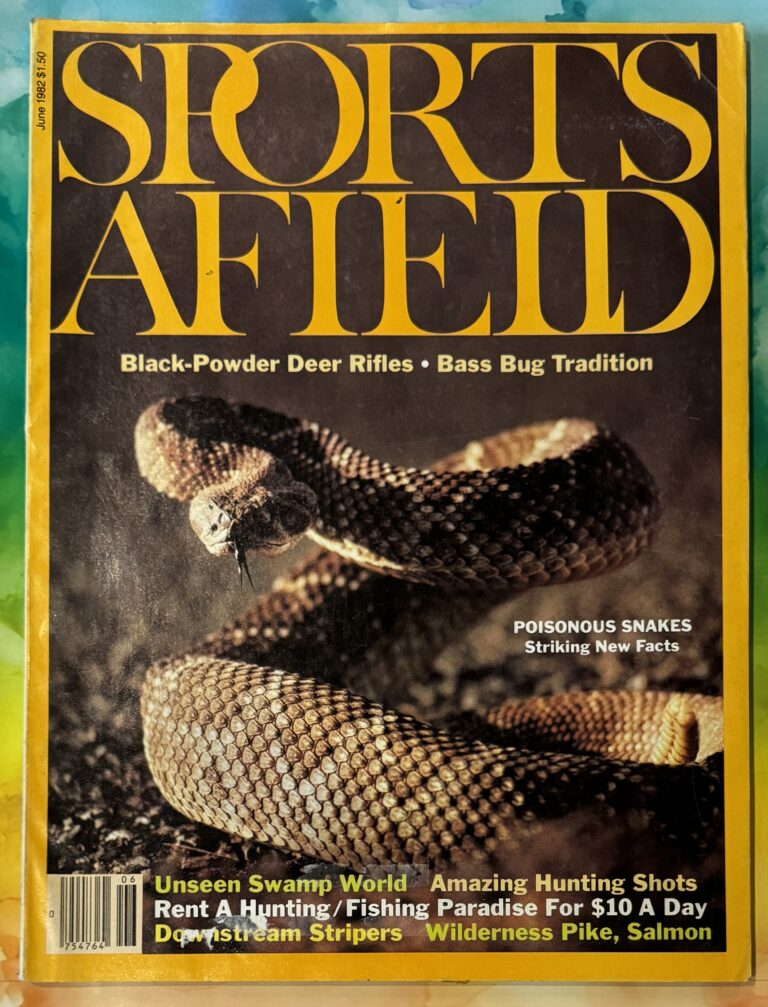
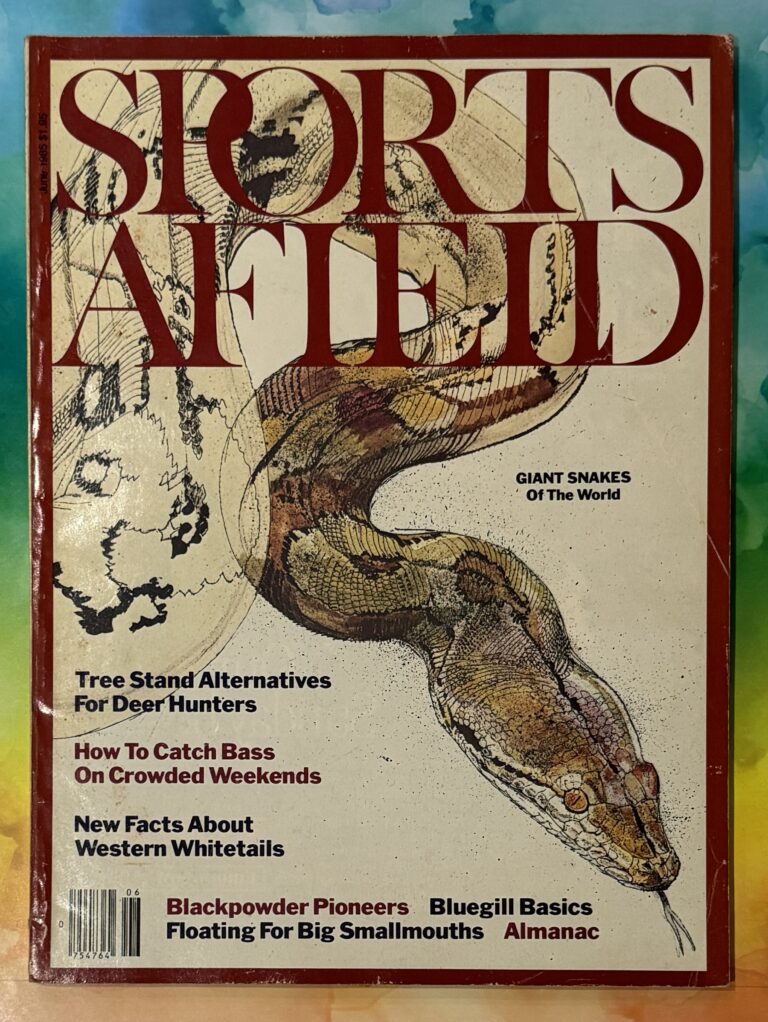
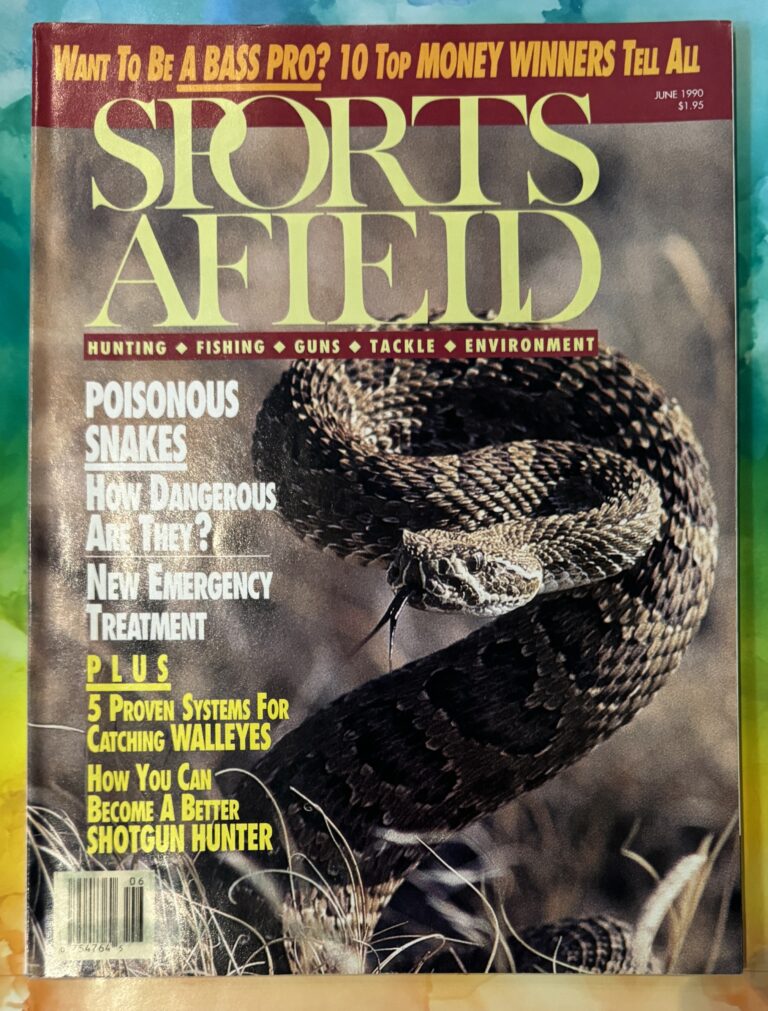
Preservation Significance
These issues have preservation significance because they document how snakes were presented to a large general outdoor readership during the 1980s and 1990s. They preserve photographs, cover design, article subjects, prices, and the editorial language used to market snake related features to readers of a major American outdoor magazine.
They are especially useful because the 1982 and 1990 issues prominently use the phrase “poisonous snakes.” Preservation matters not only for accurate information, but also for historically inaccurate or simplified terminology. Keeping these issues together makes it possible to study how scientific information was communicated, and sometimes misstated, in mass market outdoor publishing.
The three issue group is also useful as a small chronological set. The 1982 and 1990 covers emphasize danger and emergency treatment, while the 1985 cover presents a broader “Giant Snakes of the World” feature. Taken together, they show more than one mode of snake coverage within the same long running publication.
Magazine Research Record
Something for my young visitors
 Boy’s Book of Snakes: How to Recognize and Understand ThemAuthor / Editor / Creator: Percy A. Morris
 National Geographic Kidsby Brady Barr with Kathleen Weidner Zoehfeld
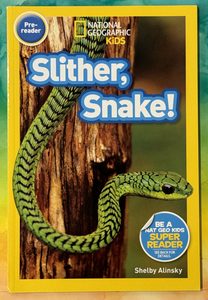 National Geographic KidsSlither Snake by Shelby Alinsky 2015
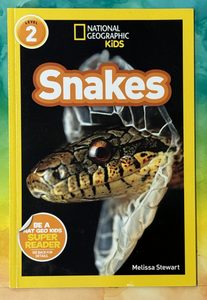 National Geographic KidsSnakes by Melissa Stewart 2009
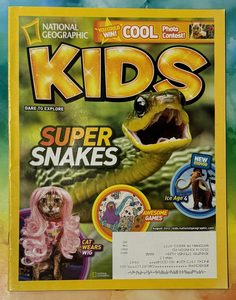 National Geographic KidsExecutive Editor: Rachel Buchholz
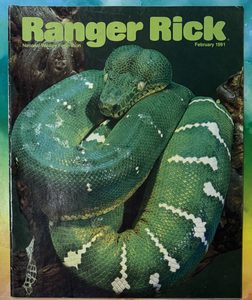 Ranger RickNational Wildlife Federation 1991
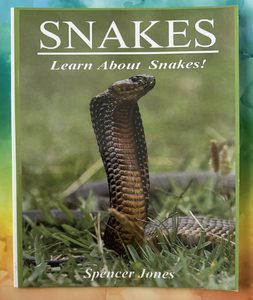 SnakesLearn about Snakes by Spencer Jones 2017
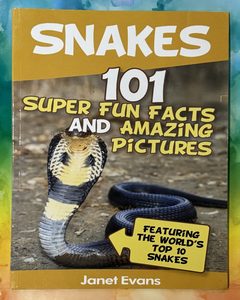 Snakes101 Super fun facts and amazing pictures By Janet Evans 2013
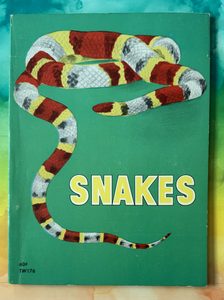 SnakesAuthor / Editor / Creator: Herbert S. Zim
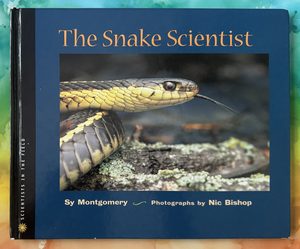 The Snake ScientistBy Sy Montgomery; Photographs by Nic Bishop
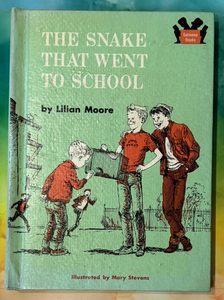 The Snake that went to schoolBy Lilian Moore; Illustrated by Mary Stevens
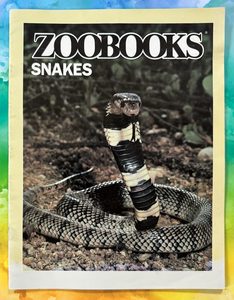 ZooBooksSnakes by John Bonnett Wexo 1984
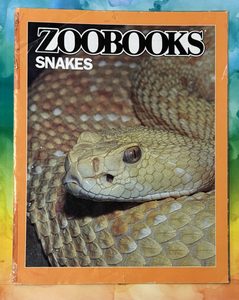 ZooBooksSnakes by John Bonnett Wexo 1981
 ZooBooksSnakes by John Bonnett Wexo 2006
 ZooBooksSnakes by John Bonnett Wexo 1981
 ZooBooksSnakes: Slither into the Untamed Realm of Snakes By John Bonnett Wexo 2003
 ZooBooksSnakes by John Bonnett Wexo 2001
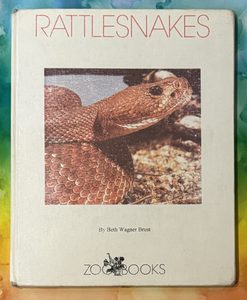 ZooBooksRattlesnakes By Beth Wagner Brust 1991
Why Preservation Matters
History has repeatedly demonstrated how easily recorded knowledge can disappear. The ancient Library of Alexandria, established under the Ptolemaic dynasty, became one of the greatest centers of learning in the ancient world. During Julius Caesar’s campaign in Alexandria in 48 BCE, a fire destroyed a storehouse of manuscripts near the harbor. The Library survived in some form afterward, and its eventual decline and disappearance were considerably more complicated than a single fire.
The danger did not end with the ancient world. In 1814, British forces burned the United States Capitol and destroyed the Library of Congress and its collection of approximately 3,000 volumes. Thomas Jefferson then sold his personal collection of 6,487 volumes to Congress to rebuild the Library. Tragically, another fire in 1851 destroyed approximately 35,000 volumes, including nearly two thirds of Jefferson’s collection.
The University Library at Leuven provides an even more devastating example. German troops burned the library in 1914. Approximately 300,000 volumes, nearly 1,000 manuscripts, 800 incunabula, and the University’s original 1425 foundation document were lost. The collection was painstakingly rebuilt, only for the library to burn again during the Second World War in 1940. Approximately 900,000 volumes were lost, with only about 10,000 to 15,000 books surviving.
There is a particular sadness when knowledge that someone sought, discovered, recorded, and shared is lost forever. The loss of a modern magazine may seem insignificant compared with the destruction of a great library, but the principle is the same: once the last surviving copy disappears, information it uniquely contained may disappear with it.
My collection is one small effort to prevent that kind of loss within an area that matters to me. These publications record what people knew, what they believed, what they were still learning, and how their understanding of snakes changed over time. By preserving the original publications and documenting what I learn about them, I hope to preserve that record and make it available to someone who may want to study it in the future.
Sources for Historical Examples
- Library of Alexandria: World History Encyclopedia, Library of Alexandria
- Library of Congress: Library of Congress, A Timeline
- University Library at Leuven: KU Leuven Libraries, History of the University Library Collections