


Germany
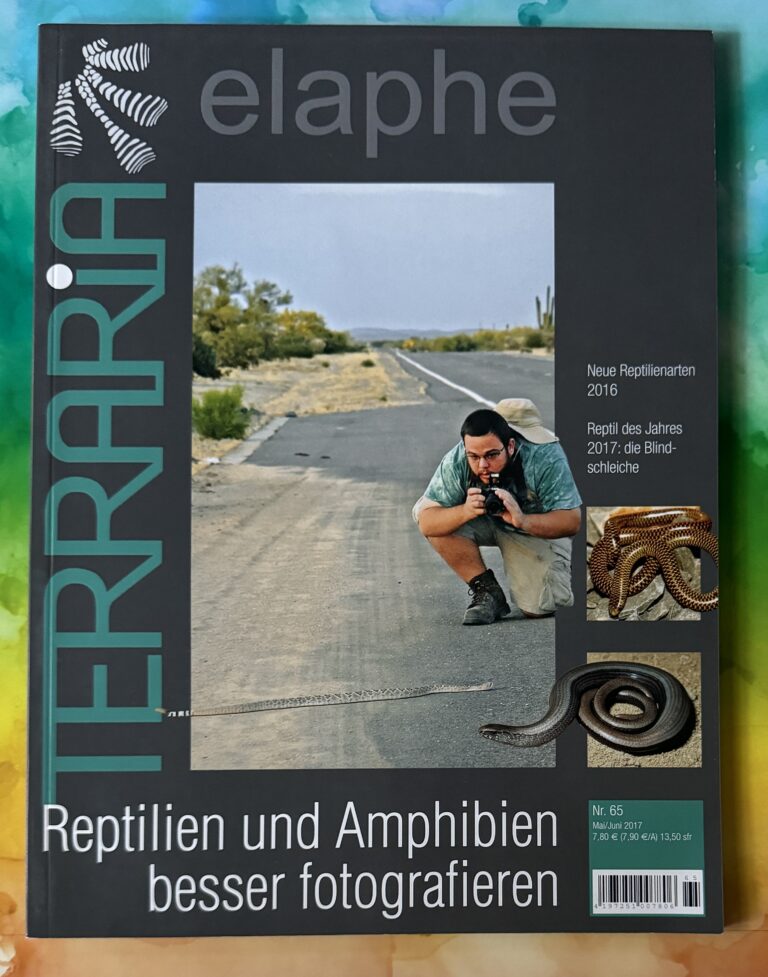
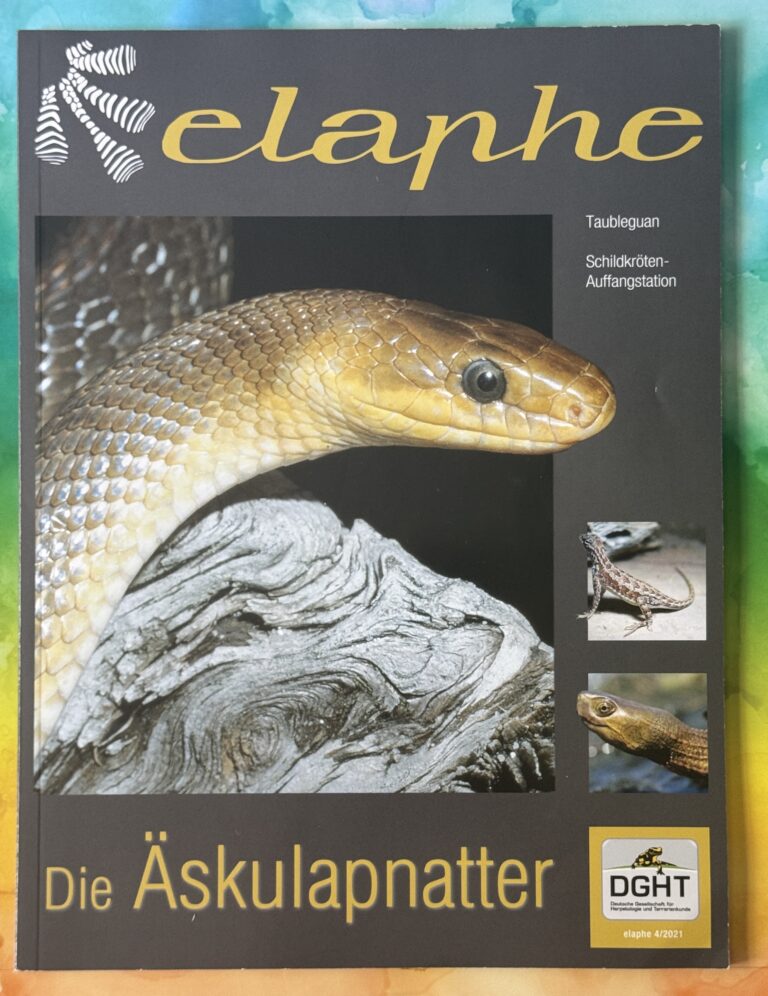
elaphe / Terraria
Publication Identification
| Field | Information |
| Country | Germany |
| Publisher | Deutsche Gesellschaft für Herpetologie und Terrarienkunde (DGHT); Natur und Tier Verlag GmbH (NTV). DGHT and NTV jointly published the combined title. |
| Publisher address | Pending research update |
| Magazine title | elaphe (standalone); TERRARIA (standalone); TERRARIA/elaphe (combined publication) |
| Publication status | elaphe: active as a DGHT publication. Standalone TERRARIA: ceased with No. 74 (November 2018). Combined TERRARIA/elaphe: ended in 2018. |
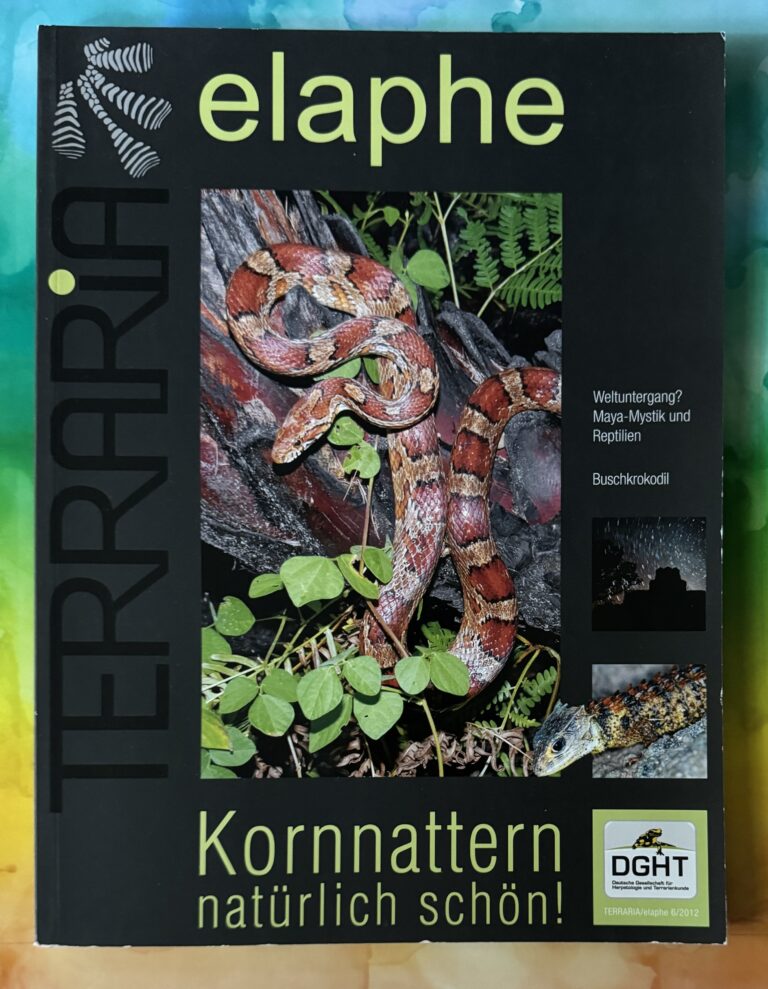
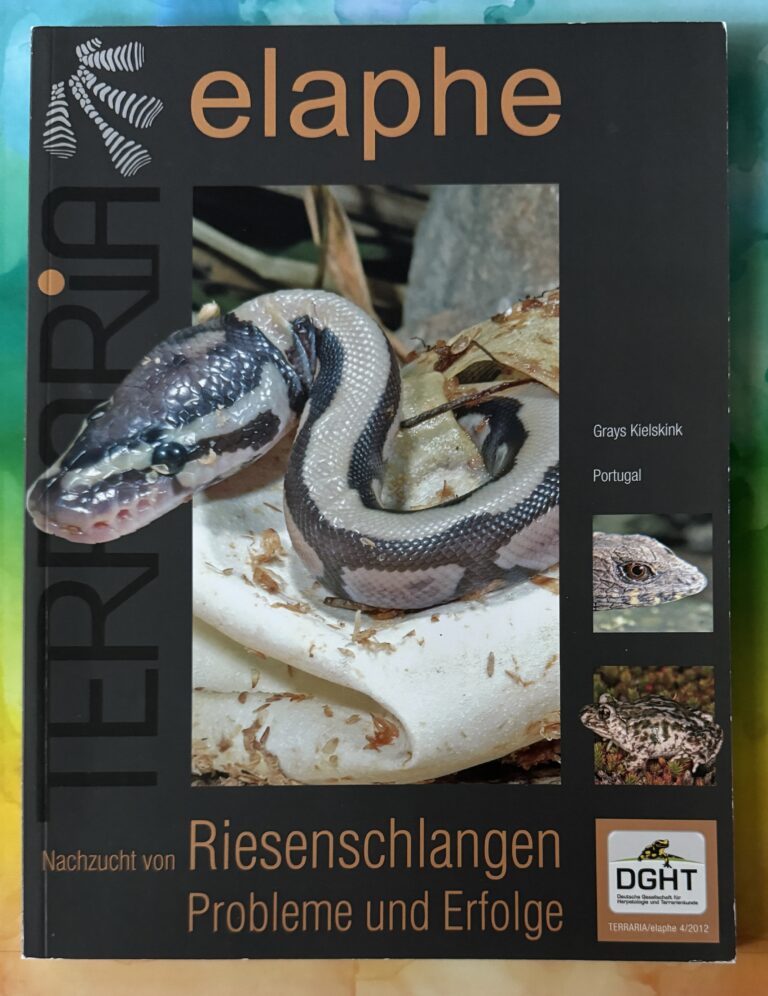
| Publication run | elaphe first appeared in 1979, was interrupted following German reunification, revived as a DGHT magazine, combined with TERRARIA beginning in 2012, and returned under its own title with issue 1/2019. TERRARIA existed independently by 2008; its precise first issue date is not established in the supplied record. Combined publication: 2012–2018. |
| Editor | Pending research update. Individual issue editorial personnel require verification; transition-era personnel are documented below. |
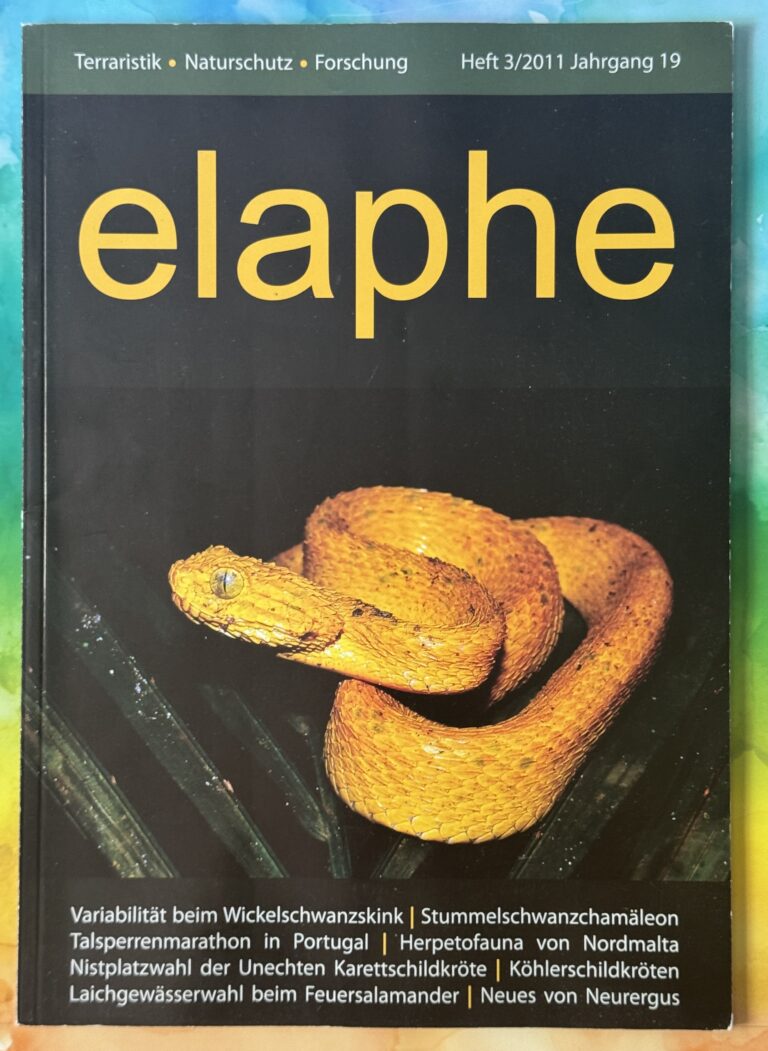
| Printer | Druck Center Meckenheim for elaphe, Heft 3/2011. Other issues: Pending research update |
| ISSN | elaphe (current DGHT record): 2627-6275. Historical TERRARIA and combined-title identifiers: Pending research update |
| Language | German |
| Publication type | Specialist herpetology, terrarium keeping, conservation and research publications |
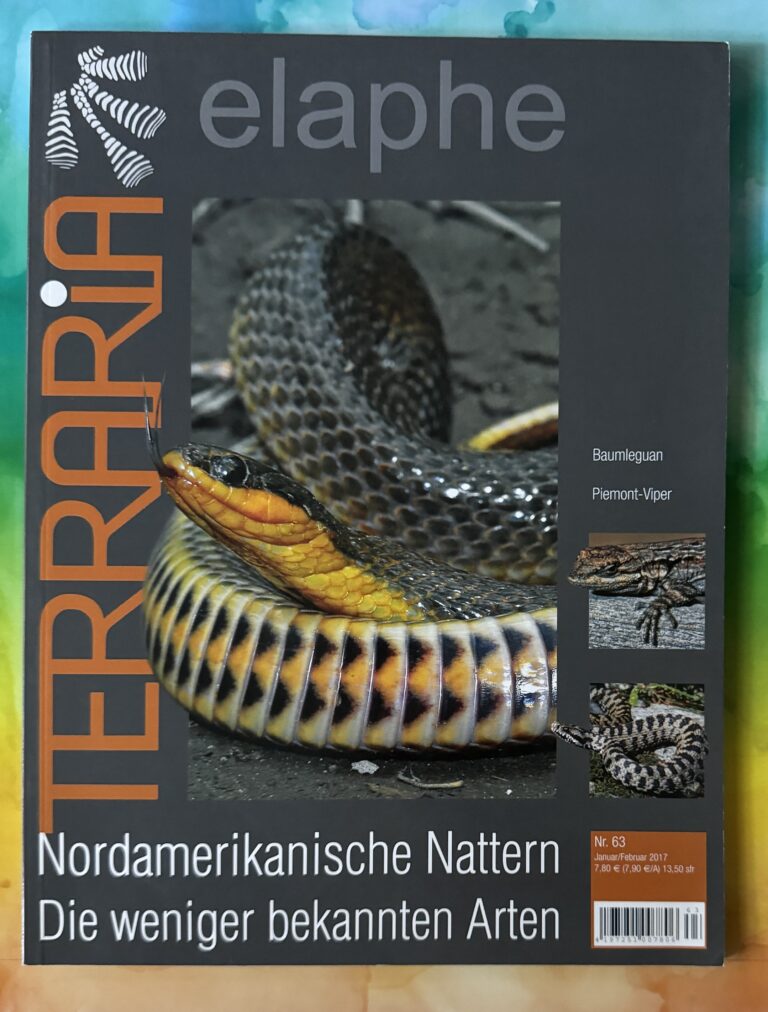
| Publication frequency | TERRARIA and combined TERRARIA/elaphe: bimonthly for documented issues. elaphe: frequency varied over its history; four issues annually from 2024, according to DGHT. |
Preservation Significance
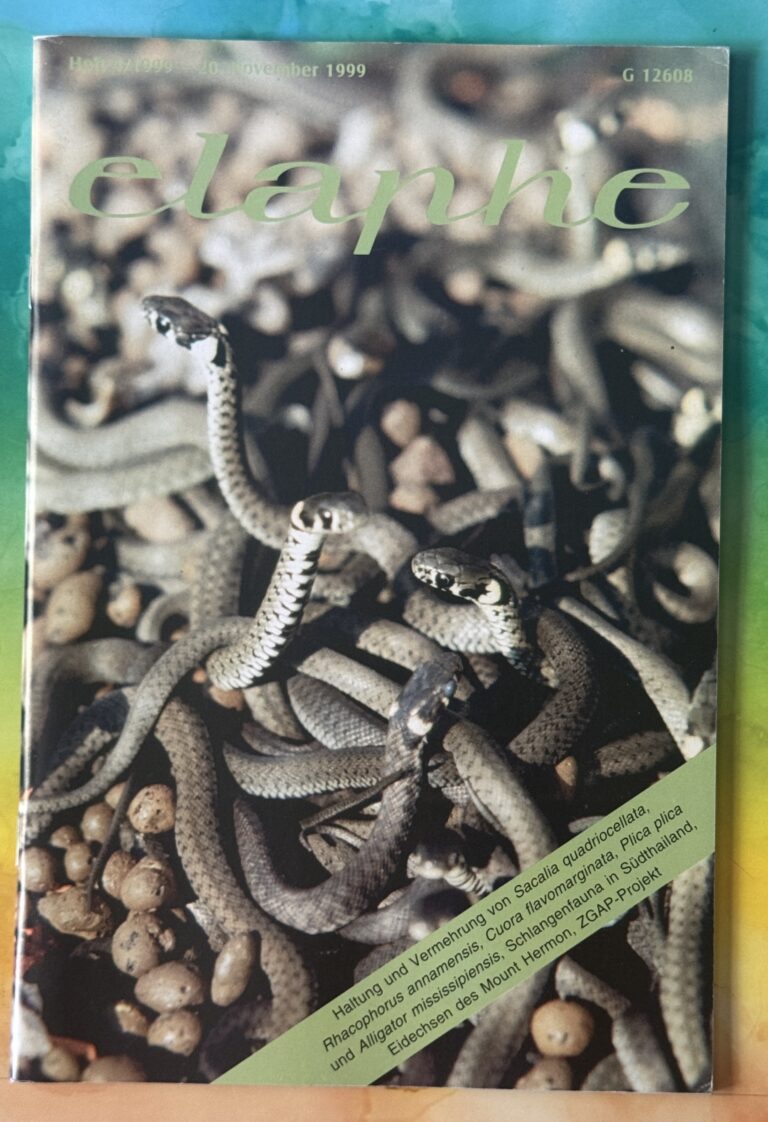
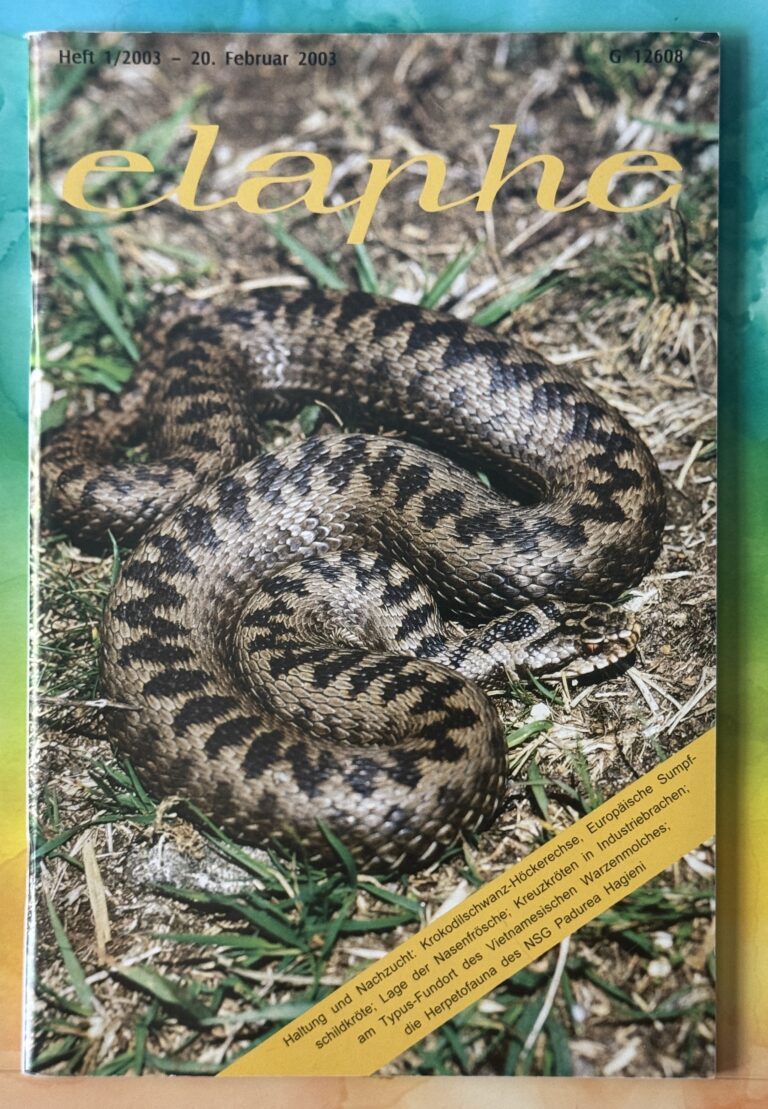
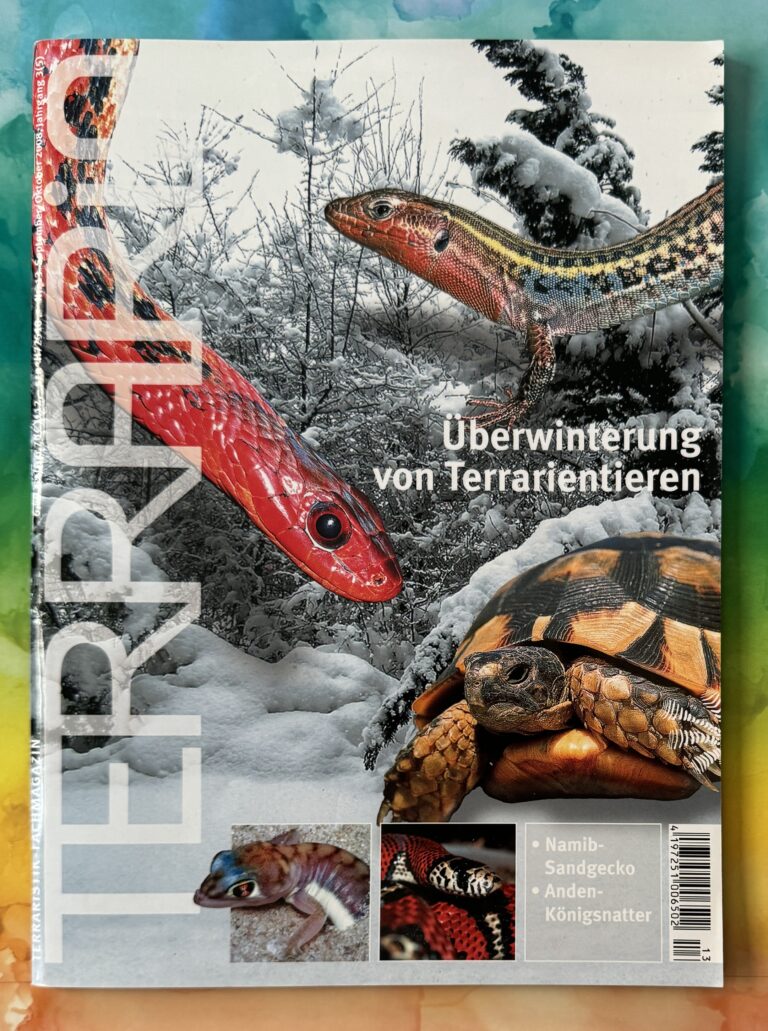
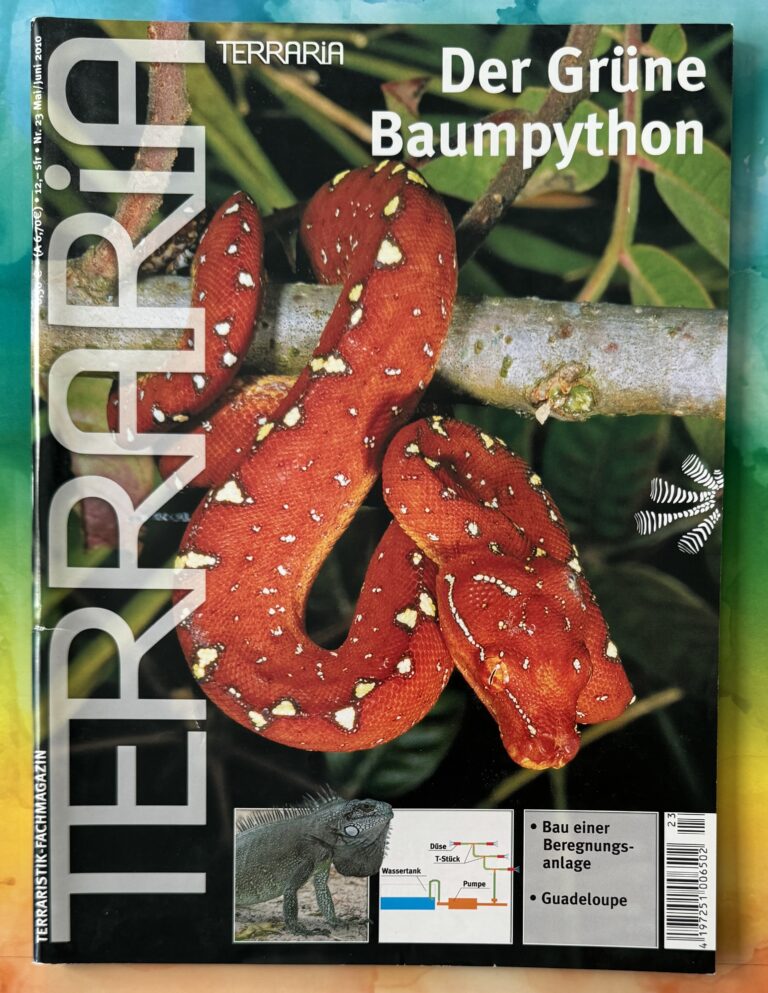
The physical issues preserve a publishing relationship that is not apparent from the magazine names alone. The collection contains standalone examples of elaphe, standalone issues of TERRARIA, issues published under the combined TERRARIA/elaphe title, and a later issue of elaphe after the combined arrangement ended. Together, these copies document two distinct German herpetological publishing traditions, their temporary combination, changes in branding and production, and the return of elaphe as a separate DGHT publication.
Cataloging each issue under the title used at the time of publication protects this chronology. Treating all ten issues as one uninterrupted title would obscure the distinct origins and later changes in the relationship between the publications.