


United States
The Vivarium
Publication Identification
| Field | Information |
| Country | United States |
| Publisher | American Federation of Herpetoculturists (AFH); later Vivarium Publishing Group, Inc. |
| Publisher address | Pending research update |
| Magazine title | The Vivarium |
| Publication status | Discontinued; formal serial record ends February / March 2000 |
| Publication run | Volume 1, Number 1, Winter 1988 through Volume 11, Number 2, February / March 2000 |
| Editor | Pending research update |
| Printer | Pending research update |
| ISSN | 1047-2665 |
| Language | English |
| Publication type | Color herpetoculture magazine and journal focused on captive care, breeding, natural history, conservation, legislation and the human relationship with reptiles and amphibians |
| Publication frequency | Bimonthly |
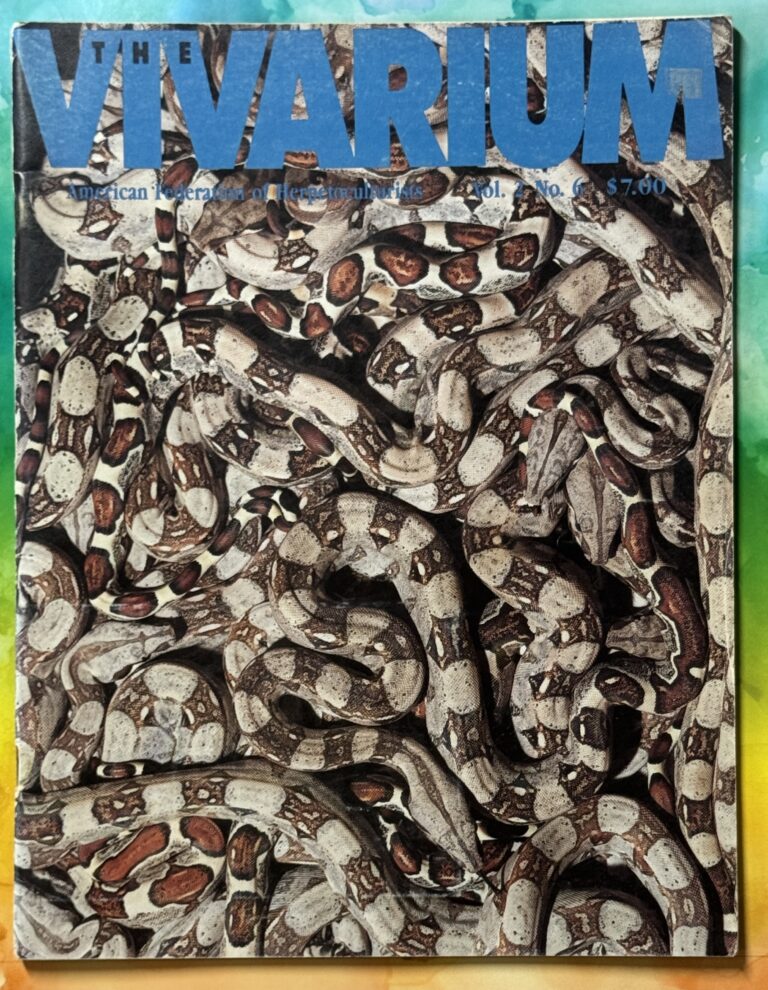
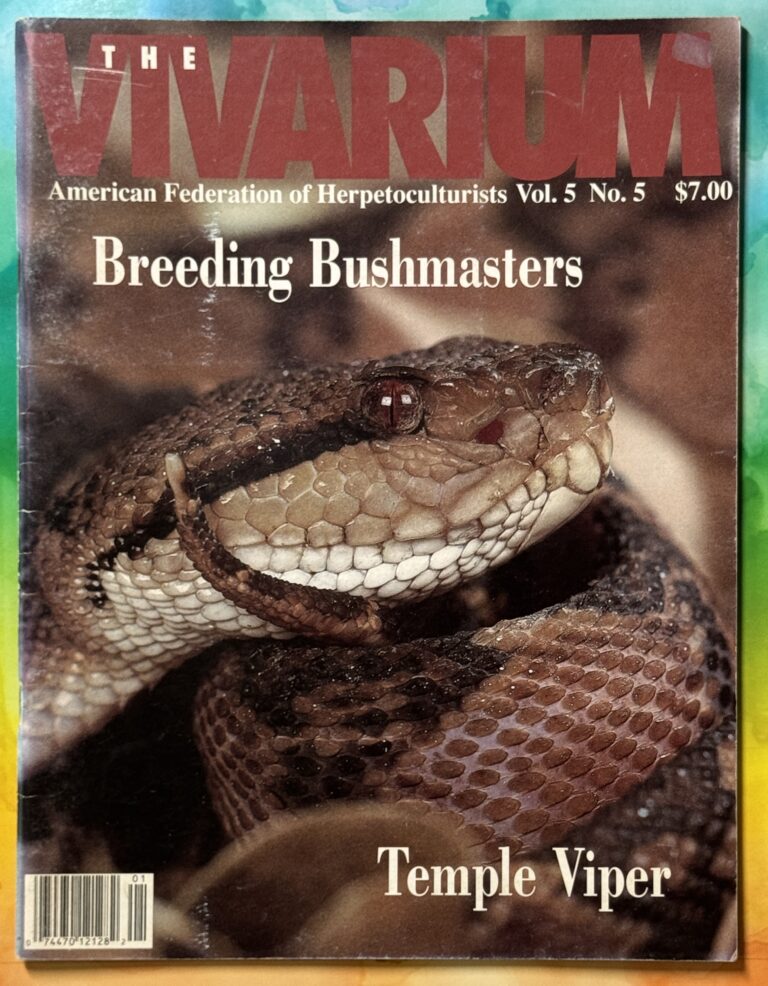
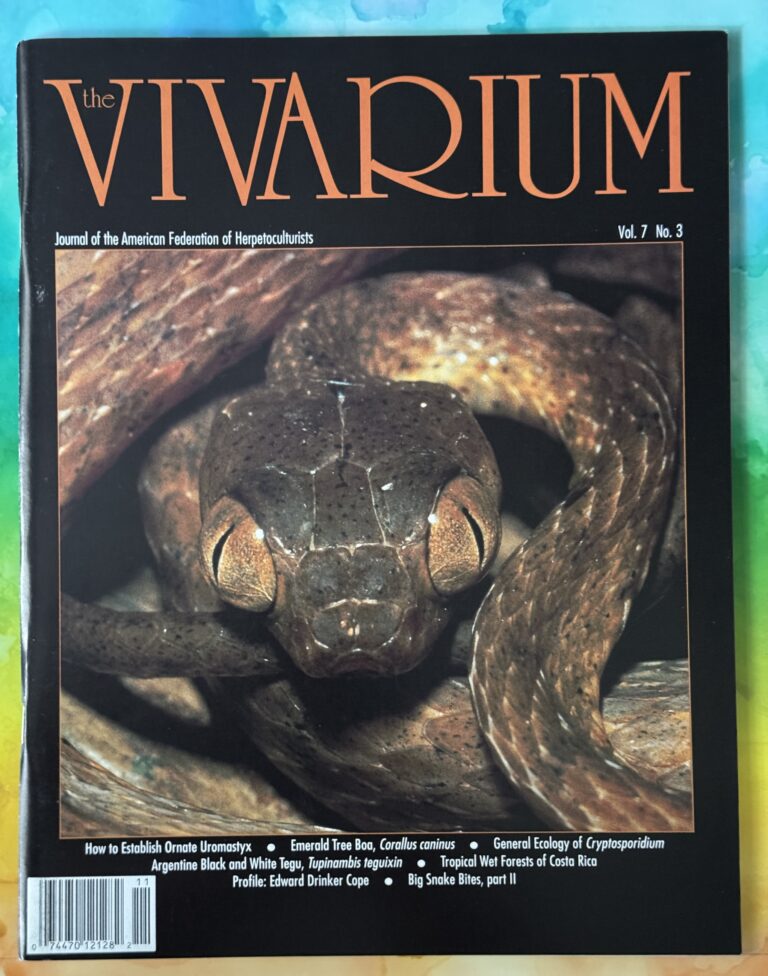
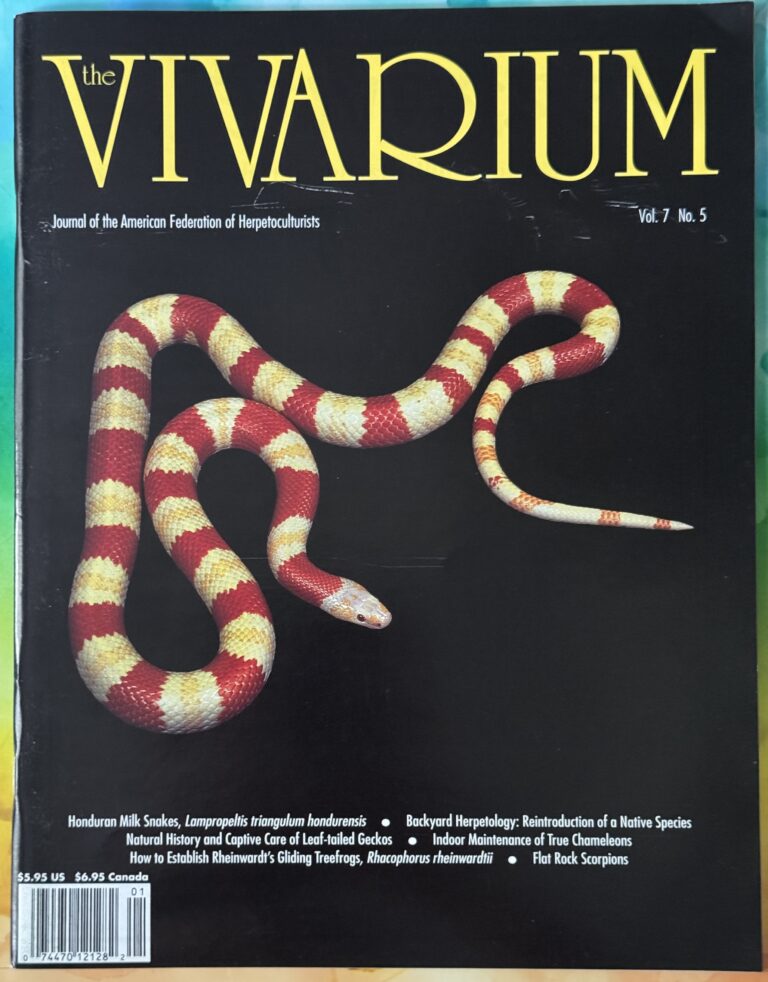
Preservation Significance
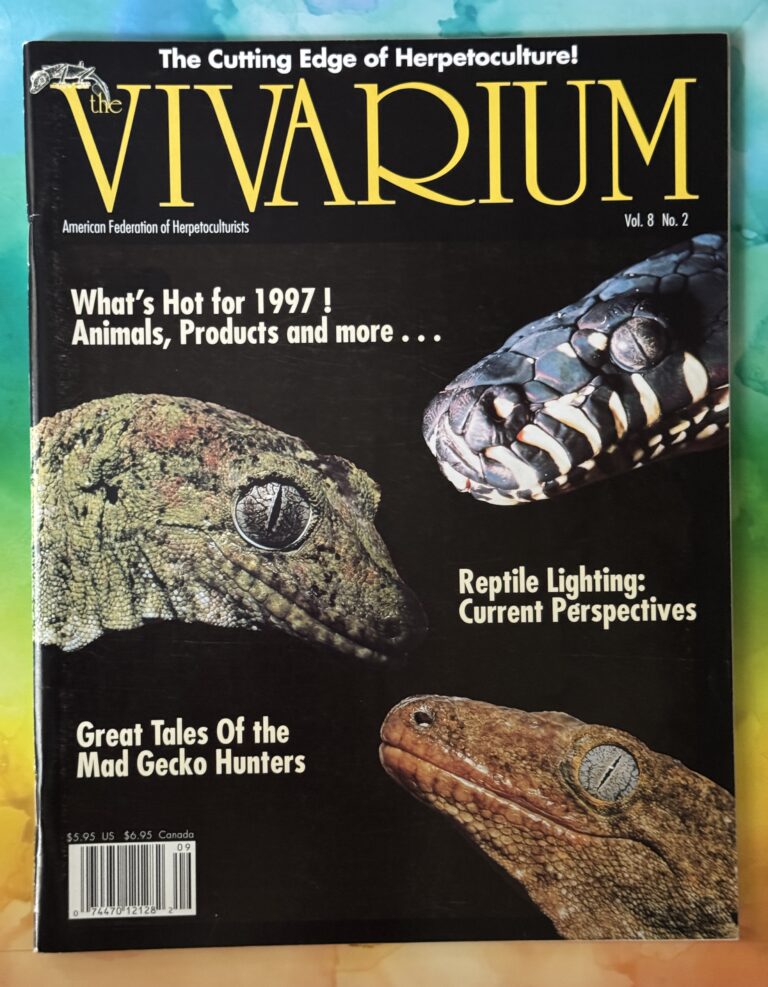
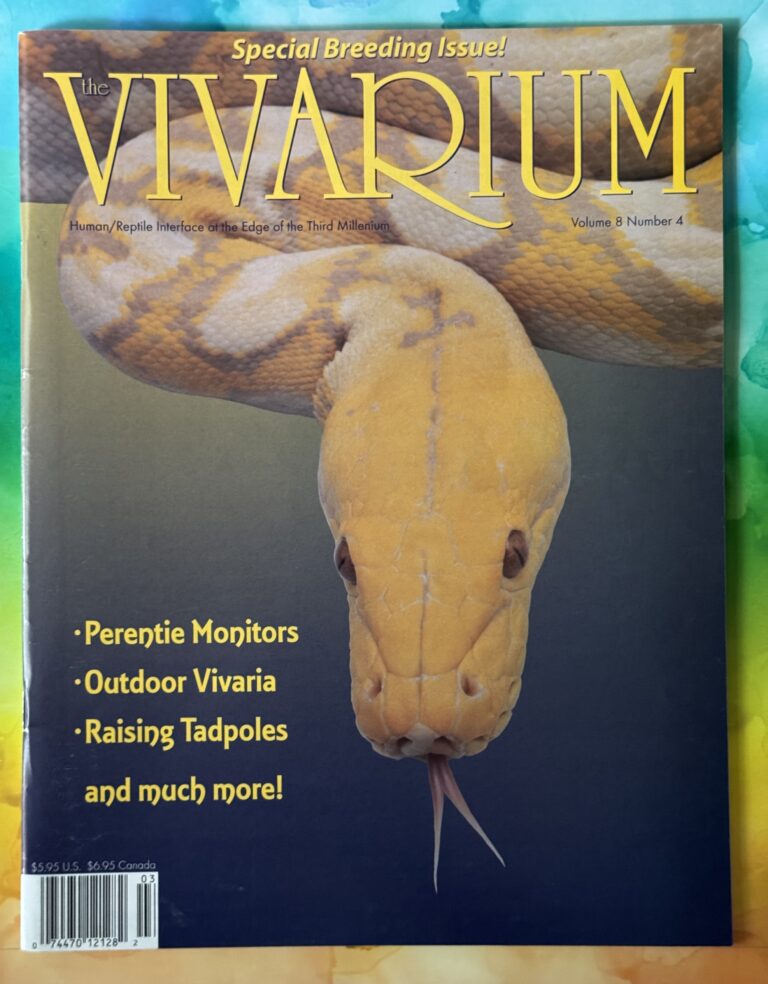
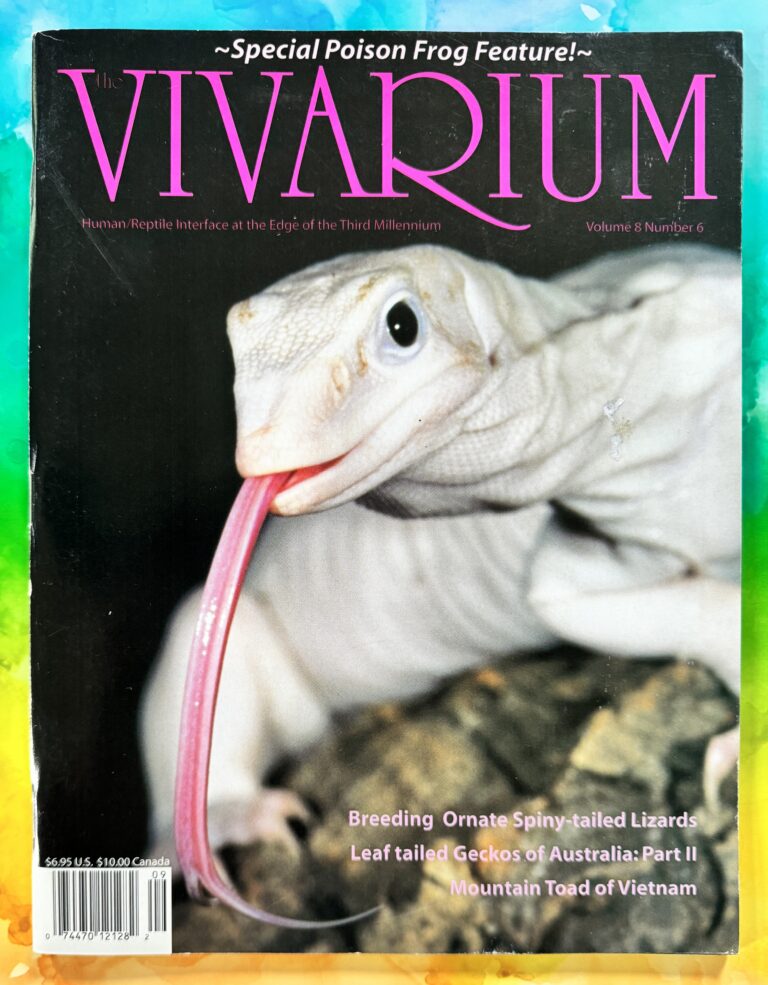
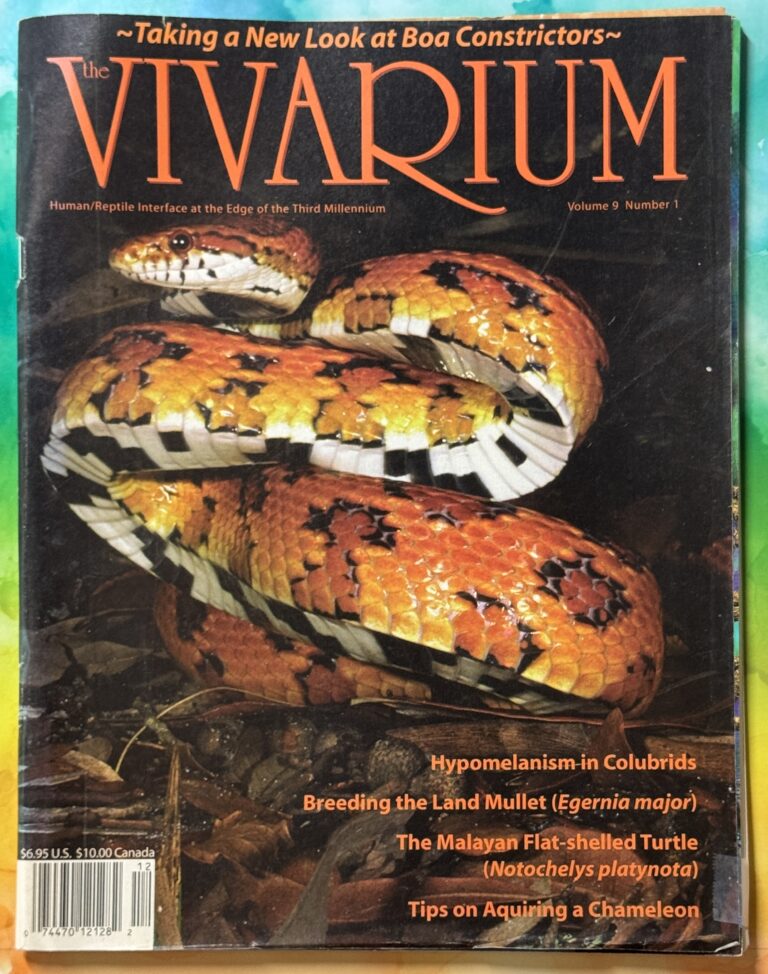
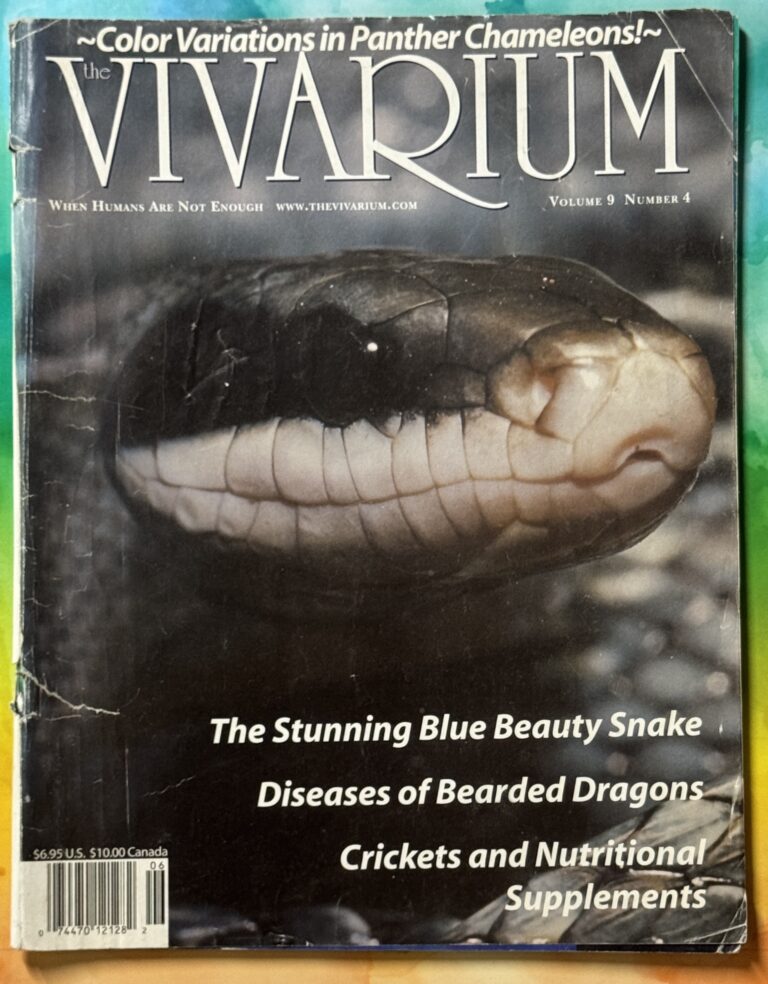
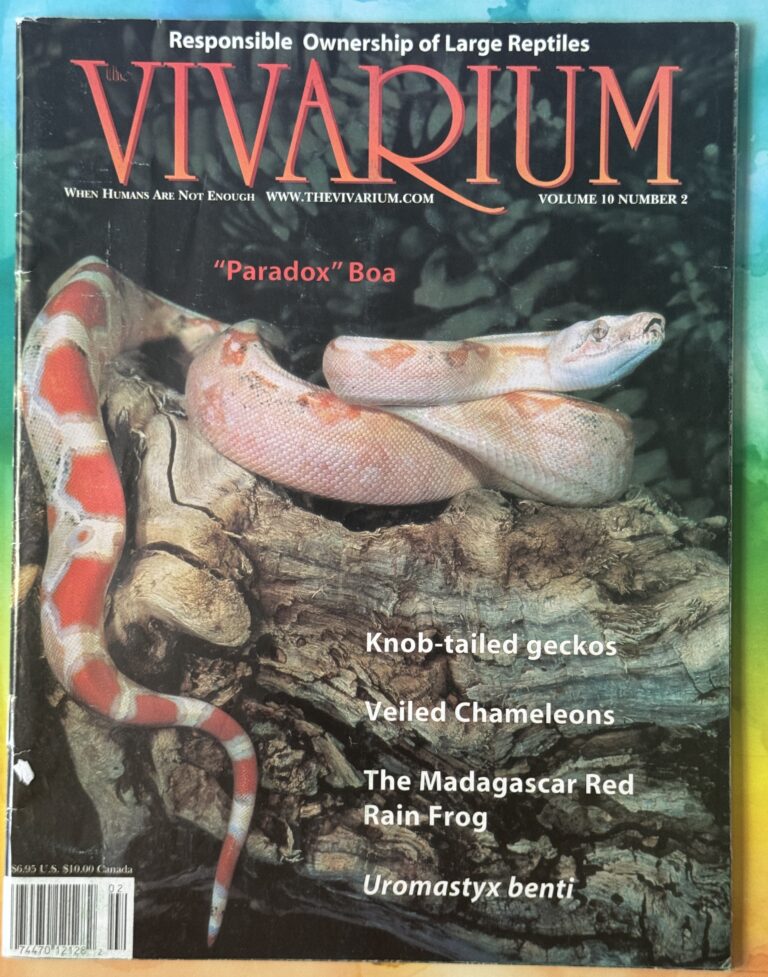
The Vivarium has substantial preservation significance because it was one of the formative American periodicals of modern herpetoculture. The American Federation of Herpetoculturists began publishing the magazine in the late 1980s, and former AFH president Philippe de Vosjoli later described it as the first internationally distributed color magazine devoted to the keeping and breeding of amphibians and reptiles.
The surviving issues document a period when organized private herpetoculture was becoming increasingly visible in the United States. The magazine addressed captive care and breeding, vivarium design, veterinary and nutrition topics, field observations, conservation, legislation, ethical questions and the relationship between people and reptiles and amphibians. That combination makes the publication useful as a record of both practical animal keeping and the developing culture surrounding reptile and amphibian ownership.
The represented issues also preserve a broad range of snake material, including bushmasters, temple vipers, Honduran milk snakes, emerald tree boas, boa constrictors, blue beauty snakes, large reptile ownership and big snake safety. For a collection with a strong snake focus, The Vivarium provides particularly useful evidence of how snake husbandry, breeding, safety and natural history were communicated to serious keepers during the 1990s.