


United States
Herp Nation
Publication Identification
| Field | Information |
| Country | United States |
| Publisher | Herp Nation Magazine / Herp Nation Media; founded by Scott Waters and Jeremiah Easter. Scott Waters continued operating the magazine after Jeremiah Easter left in October 2012. |
| Publisher address | Pending research update |
| Magazine title | Herp Nation |
| Publication status | Discontinued; later sources identify the magazine as defunct |
| Publication run | 2010 to 2016, according to Scott Waters’ biography; exact final issue not established |
| Editor | Pending research update |
| Printer | Pending research update |
| ISSN | Pending research update |
| Language | English |
| Publication type | Specialist herpetology, field herping, captive husbandry and conservation magazine |
| Publication frequency | Bimonthly / six issues per year. Contemporary advertising specifications explicitly state six issues per year. |
Preservation Significance
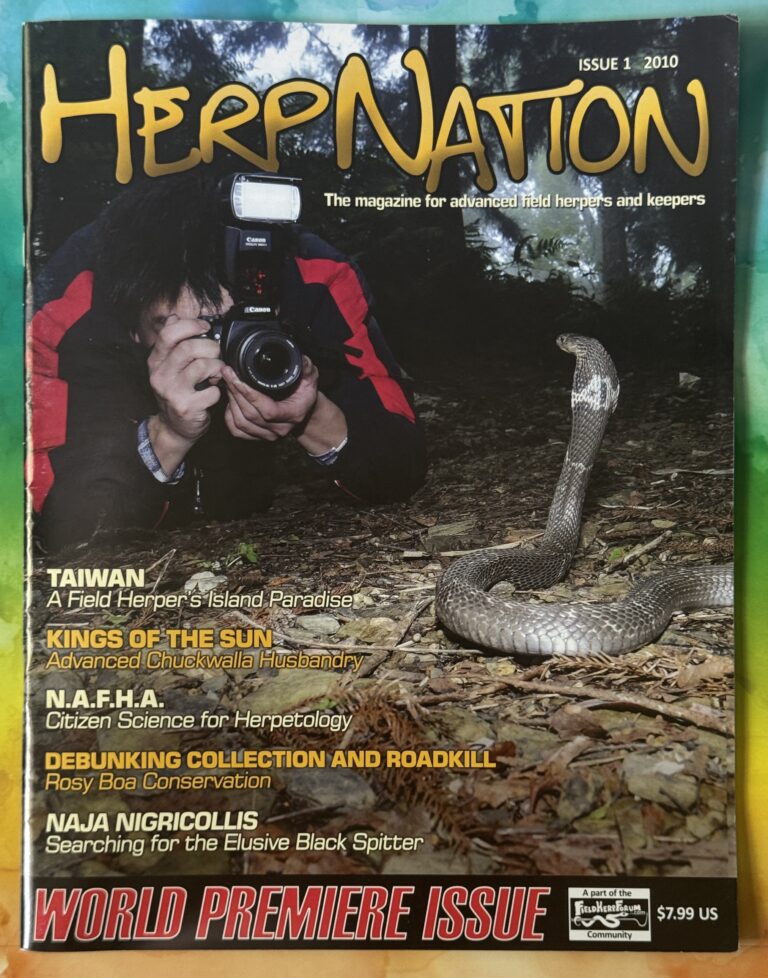
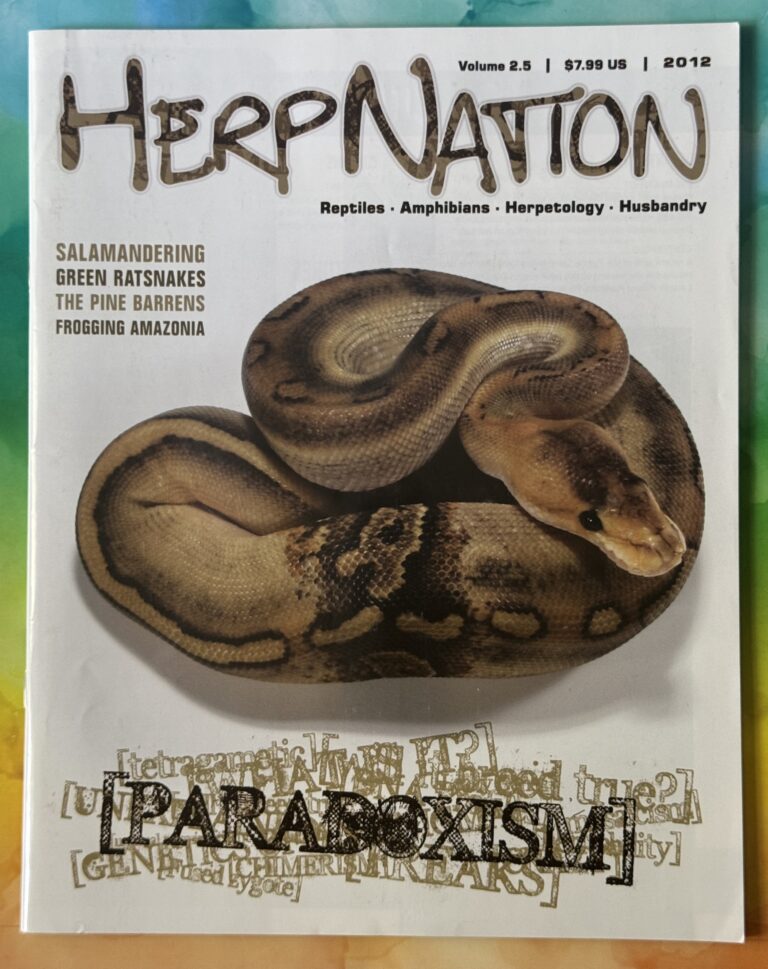
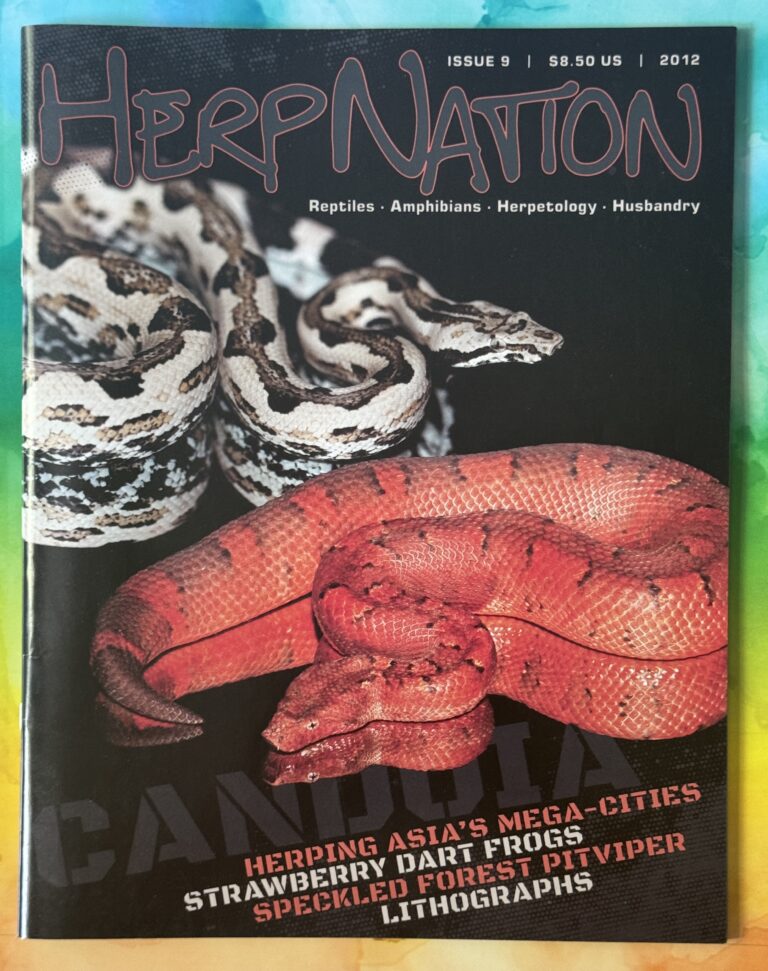
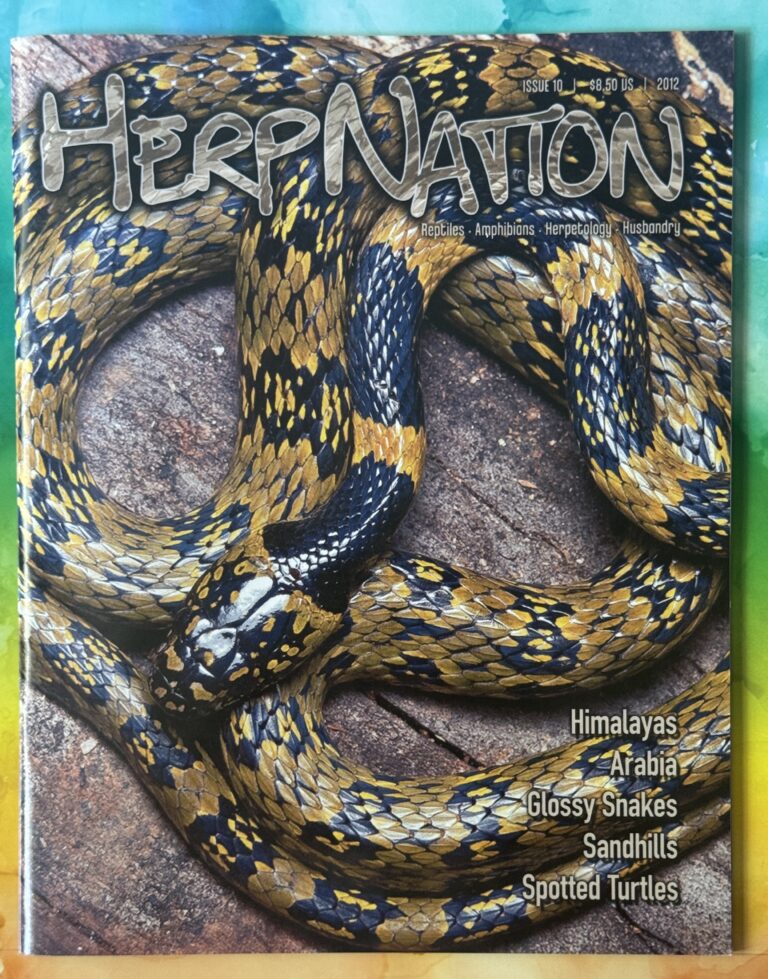
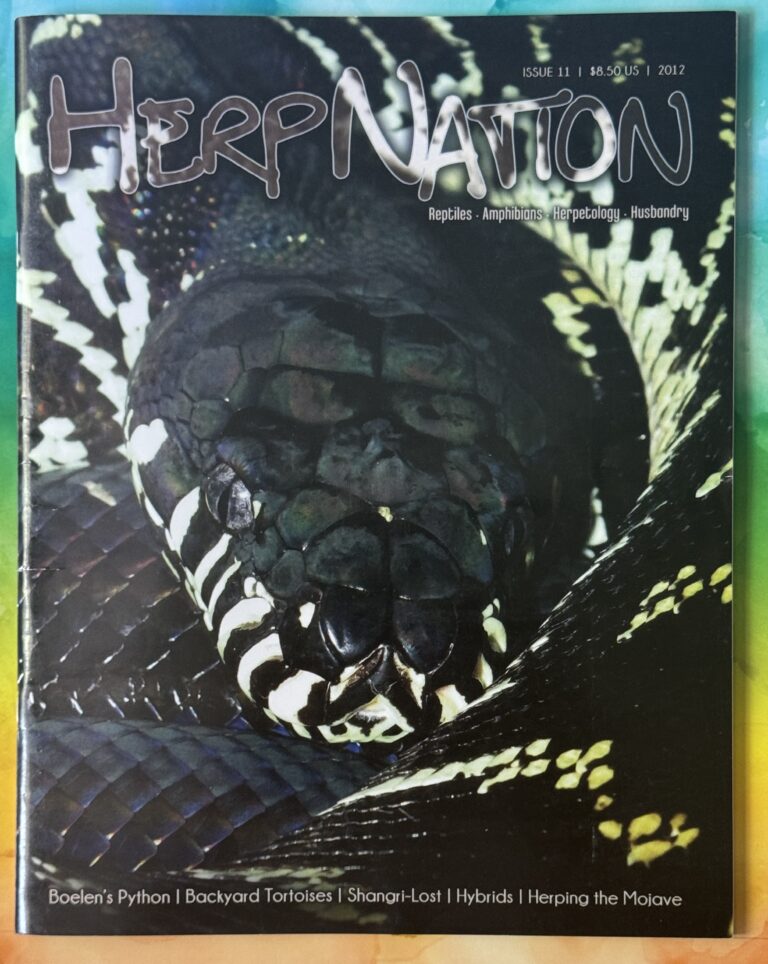
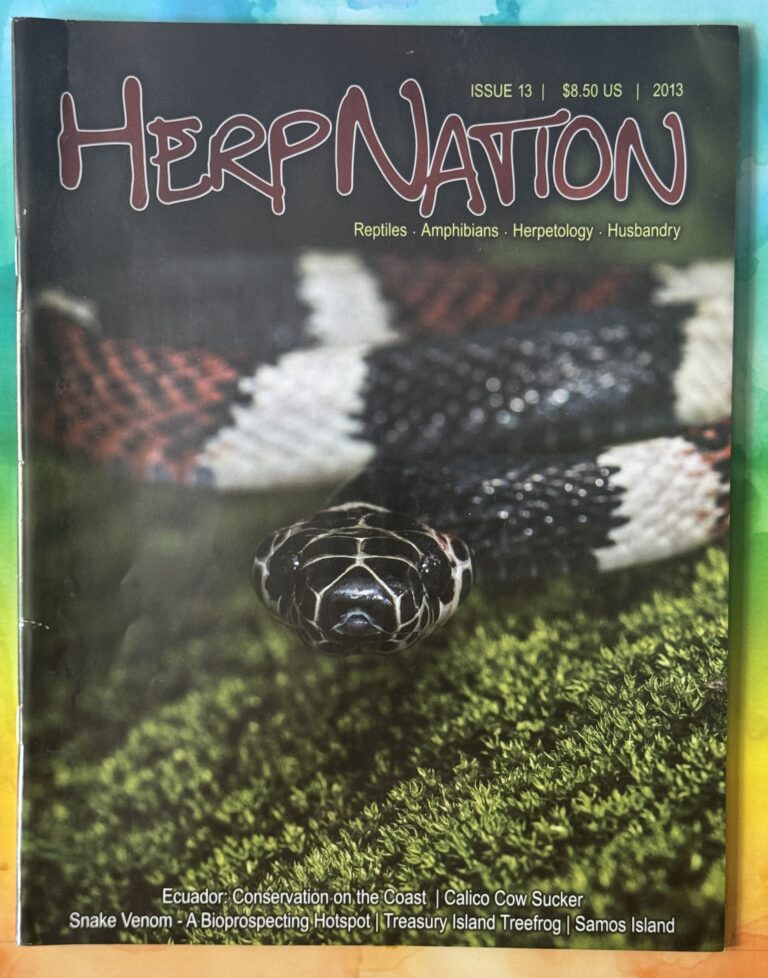
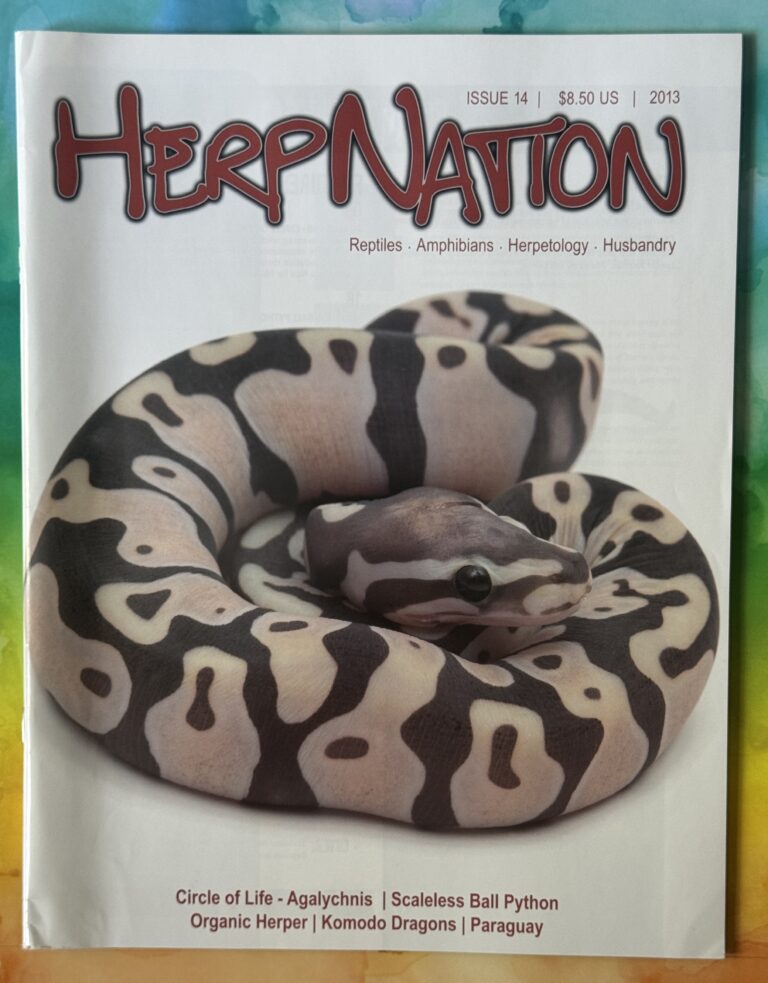
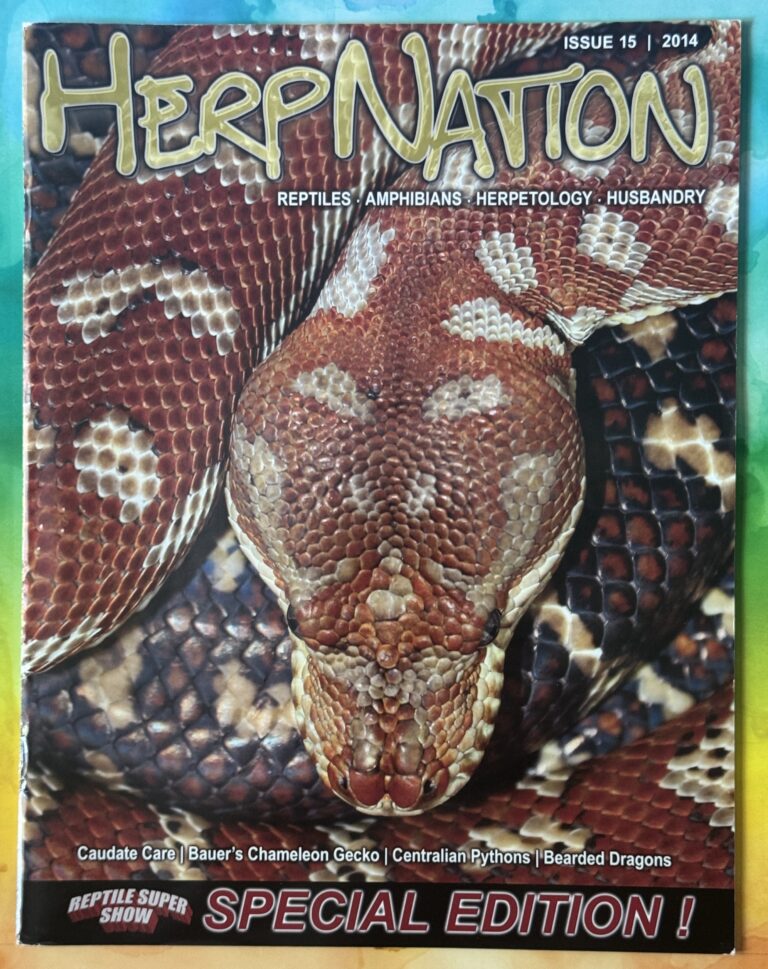
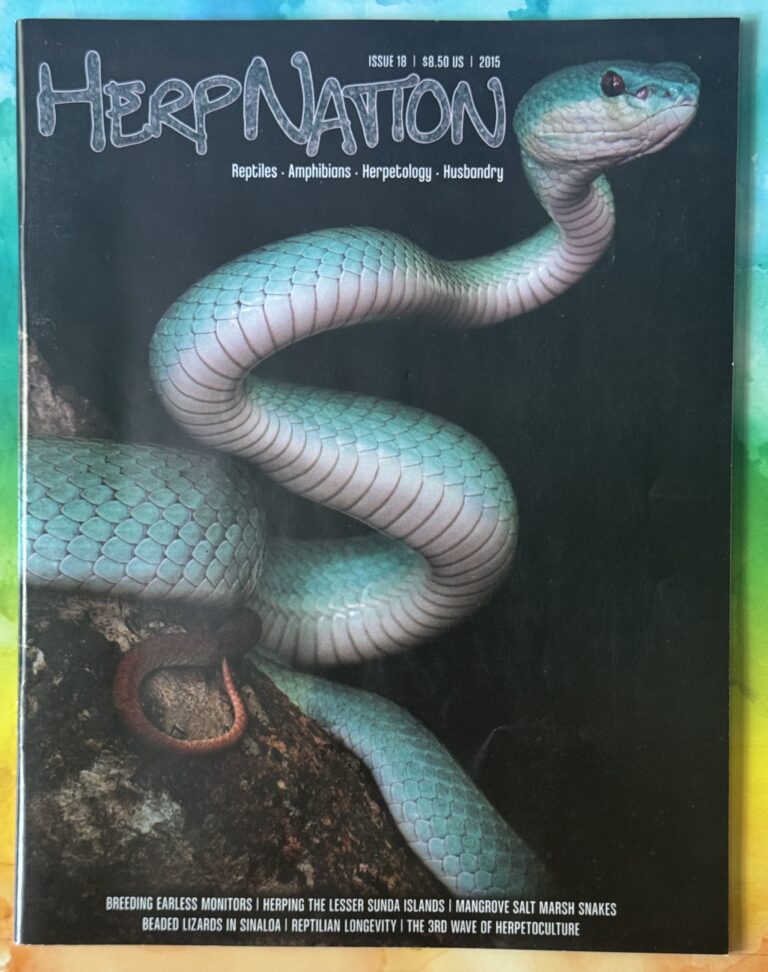
Herp Nation has strong preservation significance as a short lived American herpetological magazine that documented the overlap between field herping, captive husbandry, conservation, citizen science and the developing online herpetological community during the early 2010s. The publication began in 2010 and continued through 2016, a period when specialist reptile and amphibian communities were increasingly moving from print forums and magazines toward online communities and digital media. the physical issues preserve that transition in physical form. The World Premiere Issue explicitly identifies the magazine with the Field Herp Forum community, while later issues broaden the cover identity to “Reptiles · Amphibians · Herpetology · Husbandry.” The photographed issues also preserve articles on field research, conservation, captive breeding, unusual species, husbandry and citizen science. Independent bibliographic citations show that material published in Herp Nation continued to be referenced in professional and scholarly herpetological contexts. Preserving these print issues therefore retains both the specialist information they contain and a record of how the herpetological community communicated during a transitional period in print and digital publishing.
SPECIAL SECTION: Herp Nation, Field Herp Forum, and the Community Behind the Magazine
Herp Nation represents more than a short lived herpetological magazine. Its history documents a period when an established online field herping community expanded into traditional print publishing.
Herp Nation Media was launched in 2010 by Scott Waters and Jeremiah Easter, with Herp Nation Magazine as its flagship publication. Waters had previously founded Field Herp Forum, an online community devoted to field herping, photography, observation, research and discussion of reptiles and amphibians. Independent contemporary and near contemporary sources connect the magazine directly with FieldHerpForum.com. A Central Valley Herpetological Society history later stated that Jeremiah Easter left in October 2012 and that the magazine thereafter was operated by Scott Waters.
The surviving Field Herp Forum screenshots preserved with the collection provide an unusually direct record of the magazine at the moment it was being introduced to the community from which it emerged. In a July 4, 2010 discussion, Waters reported an enormous response to the magazine, discussed the delayed premiere issue and stated that Issue 1 was expected to ship around July 15. He described Herp Nation as a publication intended to share the stories of advanced field herpers and keepers around the world.
That same discussion documents the intended publication schedule and early distribution model. On July 20, 2010, Waters stated that Herp Nation was bimonthly and that issues were intended to go out on the first of the appropriate month. He identified September 1, 2010 as the planned release date for Volume 1, Issue 2. Because the premiere issue had been delayed, the second issue was expected to follow only about five weeks later so that the magazine could return to its intended schedule. The discussion also records direct communication between the publisher and prospective readers concerning subscriptions and individual issue purchases.
Most importantly, the screenshots preserve the relationship between Herp Nation and Field Herp Forum. Waters told forum members that the magazine would reflect the members of that community and deliver a quality product to them. Herp Nation therefore provides a physical record of a community that had largely developed online transferring some of its knowledge, photography, field experiences, conservation interests and discussions into print.
Independent contemporary discussion supports that relationship. A 2010 account of the North American Reptile Breeders Conference reported that Waters explained that Field Herp Forum had spawned a magazine dedicated to advanced techniques and field herping. A 2011 herpetology forum discussion described Herp Nation as relatively new, focused less on the conventional reptile hobby and more on field herping, advanced herpetological husbandry, field research and conservation, and noted that it published six issues per year.
Herp Nation Media also expanded beyond the printed magazine into Herp Nation Online, blogs, news stories, the Herp Nation Radio Network, and Herp Nation LIVE video and audio. This broader media activity places the magazine within a period when specialized herpetological communities were moving between print and digital forms rather than existing exclusively in either one.
The relationship eventually moved in the opposite direction as well. In December 2014, Waters announced through Field Herp Forum that J. P. Lawrence’s article, “Conservation of a Polymorphic Frog,” originally published in Herp Nation Issue 9, was being made available as a free digital download. The collection contains a physical copy of Issue 9, providing a direct connection between the surviving printed magazine and the later digital circulation of its contents.
Later sources demonstrate the continuing value of the publication after it ceased. Herp Nation is described by later herpetological publications as defunct. In 2019, the Southwestern Center for Herpetological Research discussed the inaugural issue while reproducing its cover in a bulletin. In 2023, the same organization republished a snakebite account that had originally appeared in Herp Nation Issue 16 in 2014, explicitly identifying the original magazine as defunct. These later uses show that material first published in Herp Nation continued to have historical and educational value after the magazine itself ceased publication.
The physical magazines preserve the publication itself. The surviving forum screenshots preserve something equally important: the people, community and circumstances that produced it. Printed magazines can disappear. Websites can disappear too. Forum discussions, downloads, photographs and other digital records can vanish when websites close, domains expire or technology changes. Once those records disappear, the history surrounding a small specialized publication can become extremely difficult, and sometimes impossible, to reconstruct.
For that reason, the preservation of Herp Nation includes more than the physical issues. The surviving contemporary screenshots and publication history are being preserved alongside them so that the story behind the magazine is not separated from the magazine itself. Once the story is lost, it is gone forever.
Additional contemporary forum records establish actual distribution more precisely than the original proposed release dates. Scott Waters announced the magazine on June 17, 2010 and anticipated shipping the premiere around mid-July. On July 20, he reported that copies were arriving for dispatch on July 20 or 21. Forum members then reported receipt of Issue 1 on July 23 and 24, 2010. These dated acknowledgments document physical circulation without treating the projected July 15 date as the confirmed release date. [Field Herp Forum search-result archive, page 4: June–July 2010 posts; page 3: July 23–24, 2010 posts.]
Scott Waters announced on September 7, 2010 that Issue 2 was in print and would begin shipping around September 13. He expressly described a continuing mid-month, bimonthly release pattern following the mid-July premiere. In November 2010 he reported that Issue 3, including Mike Pingleton’s article about Snake Road in southern Illinois, was in press and expected to ship the following week. These contemporary statements distinguish intended scheduling from documented production and distribution. [Field Herp Forum search-result archive, page 3: September 7 and November 11, 2010 posts.]
Editorial discussions also show the publication’s intended balance of subjects. In an August 16, 2011 discussion of Volume 2, Issue 3, Jeremiah Easter described an ambition to balance field herping and herpetoculture rather than devote the magazine exclusively to either. On July 20, Scott Waters announced Volume 2, Issue 3 as the magazine’s first “Venom Issue,” scheduled for August; Easter confirmed the issue was at press on August 16, and Waters reported on August 31 that shipping had begun the prior week. On November 19, 2011, Waters reported Volume 2, Issue 4 was shipping. These posts document both editorial intent and specific issue chronology. [Field Herp Forum search-result archive, pages 1–2: July–November 2011 posts.]
The forum additionally records readers reacting to the magazine as an educational and community publication. September 2011 discussions identify articles on Crotalus concolor, envenomation, Heloderma and the midget faded rattlesnake; readers also debated the suitability of a comic for a publication shared with younger audiences. Such contemporary criticism and praise document the readership and editorial expectations, rather than independently establishing the accuracy of every article. [Field Herp Forum search-result archive, pages 1–2: September 2011 posts.]
Issue-specific references continued after 2011. On April 29, 2014, Sam Bacchini announced that Issue 16 had gone to print; Scott Waters identified Kent VanSooy’s field rattlesnake-bite account as appearing in Issue 16. In August 2014 a forum contributor anticipated Issue 17; these remarks help establish issue activity but do not verify the dates on which each copy was delivered. In January 2015, subscribers publicly questioned a prolonged delay between issues. In February 2015, Waters acknowledged that it had been the longest interval between issues, while expressing an intention to continue and expand the magazine. These statements document irregularity late in the run without establishing a final publication date. [Field Herp Forum search-result archive, page 1: 2014–2015 posts.]