


Australia
Reptiles Australia
Publication Identification
| Field | Information |
| Country | Australia |
| Publisher | Alex Lannan later issues |
| Publisher address | PO Box 4499, Wantirna, Victoria 3152, Australia |
| Magazine title | Reptiles Australia |
| Publication status | Pending research update |
| Publication run | Documented Volume 1 through Volume 6. Full start and end dates pending research update; later collectors report a thirty three issue run, not independently confirmed. |
| Editor | Simon Watharow |
| Printer | Design & Printing Leading Edge Solutions earlier issues |
| ISSN | 1448-3246 |
| Language | English |
| Publication type | Reptile husbandry, field herpetology, breeding, conservation, veterinary topics, species profiles, books, products, and reptile community news |
| Publication frequency | Every two months / bimonthly |
Preservation Significance
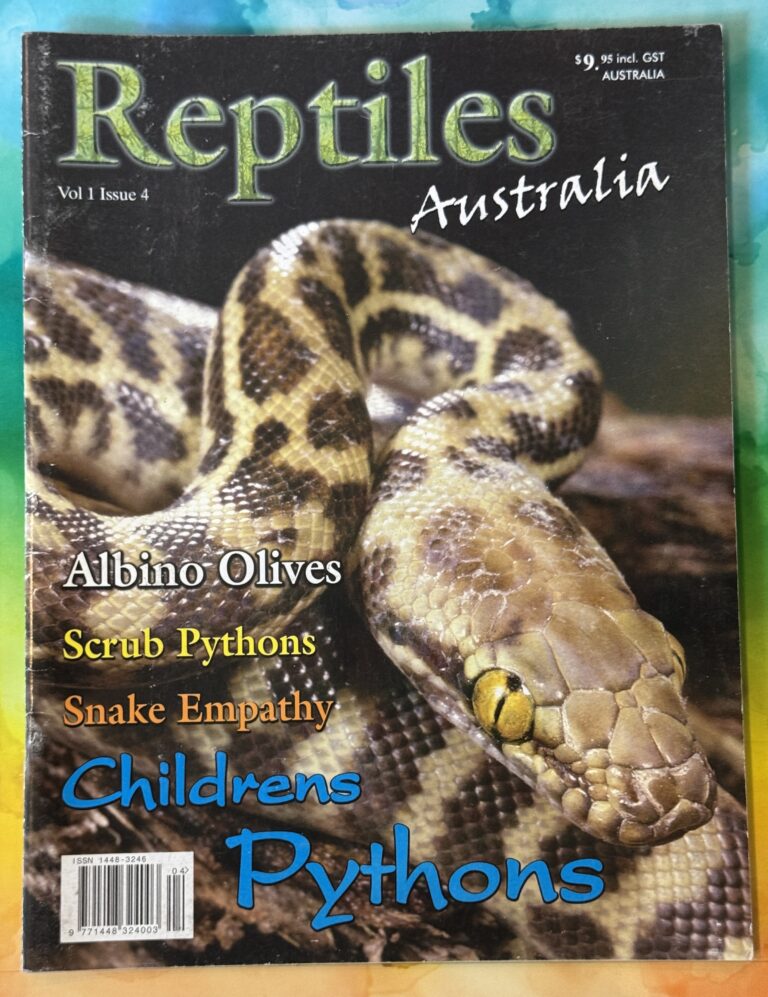
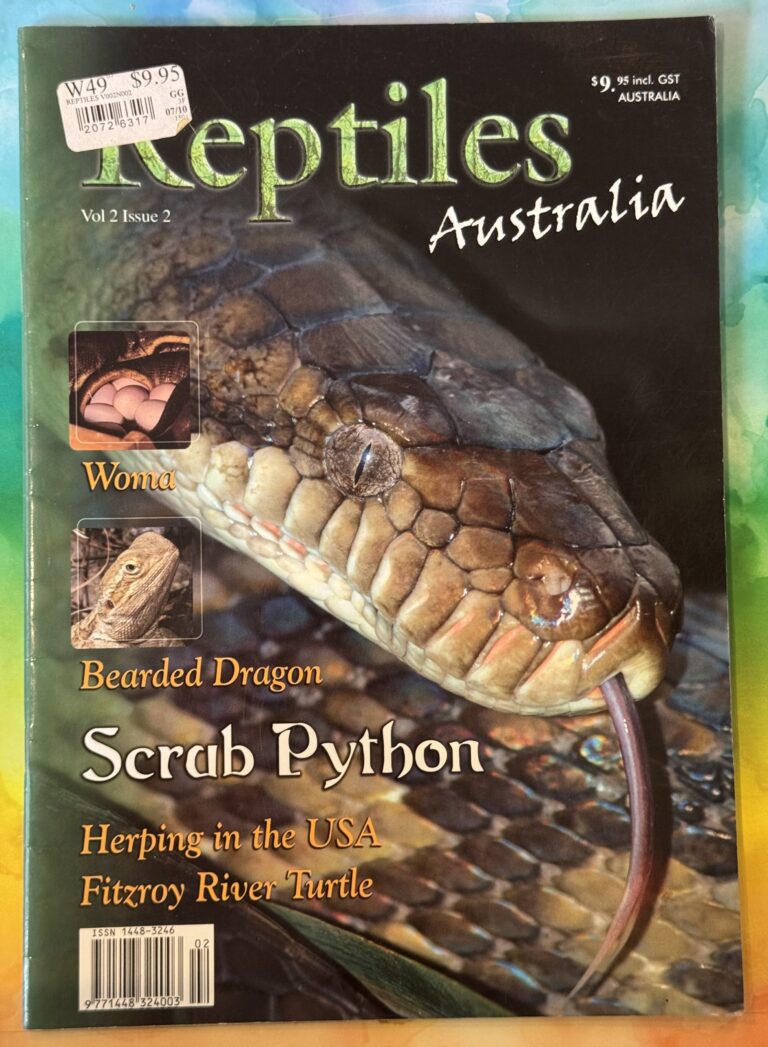
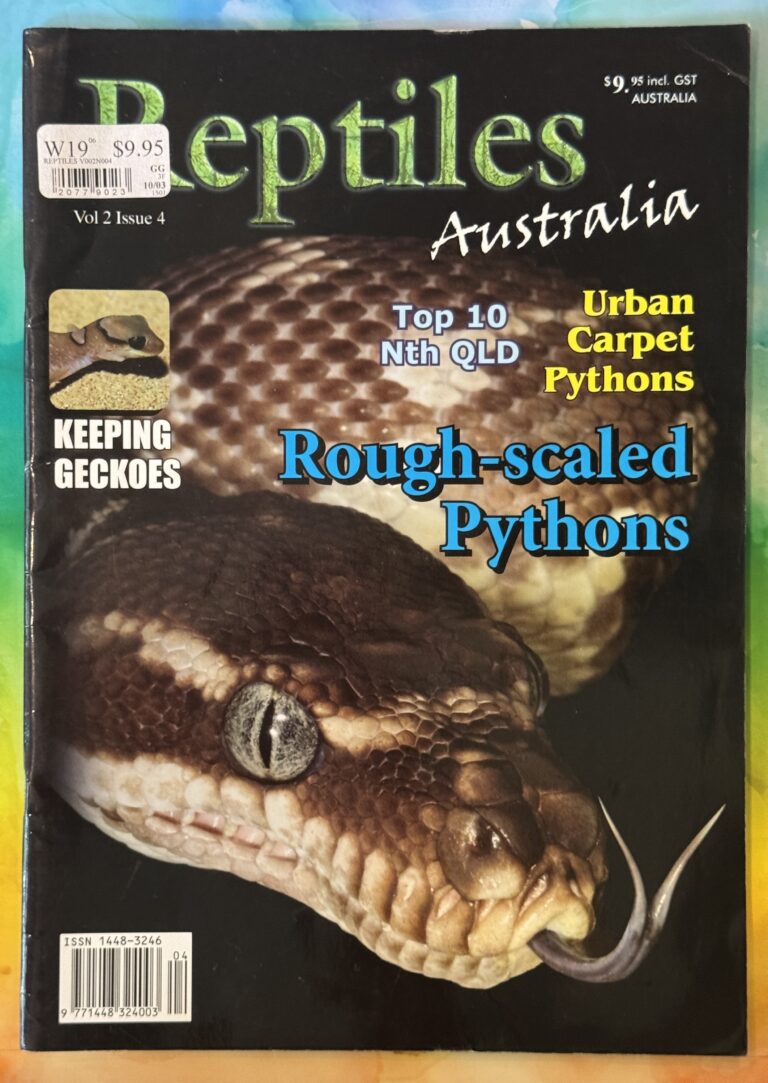
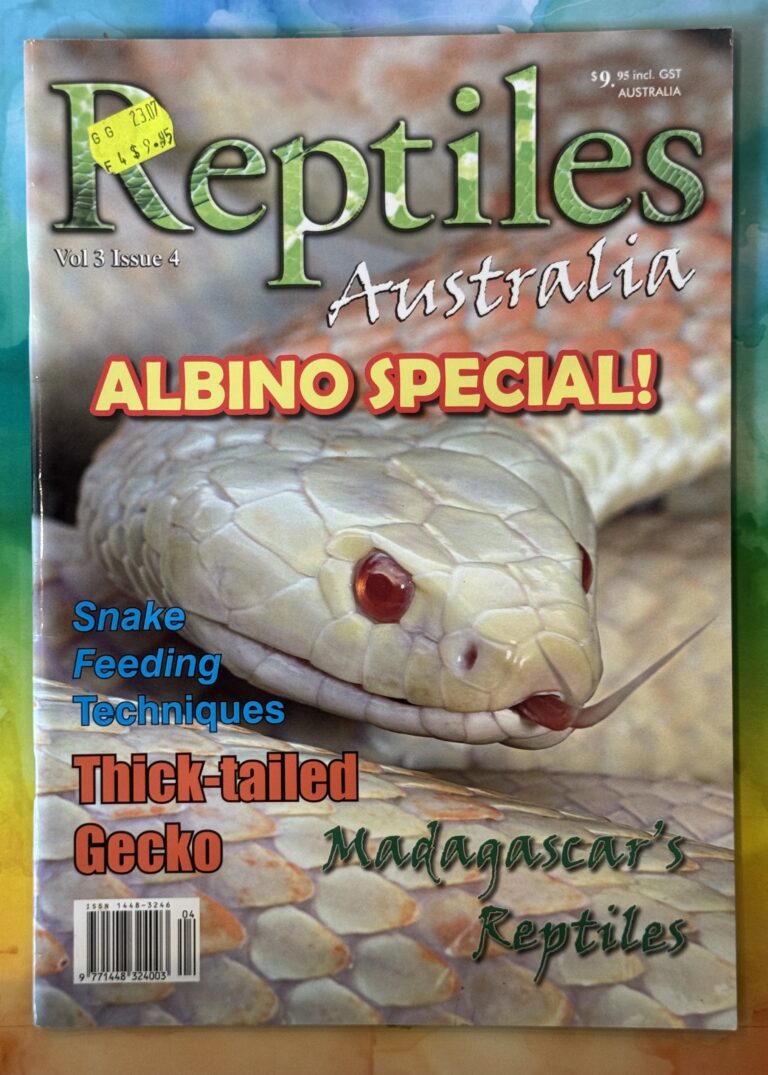
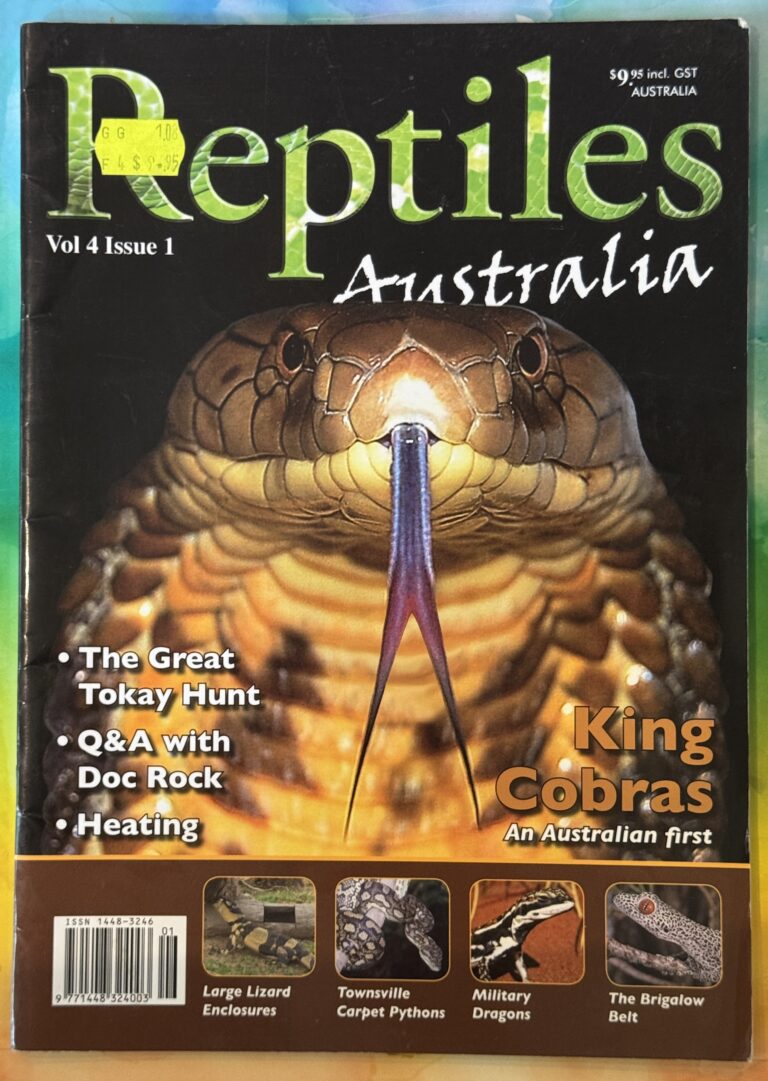
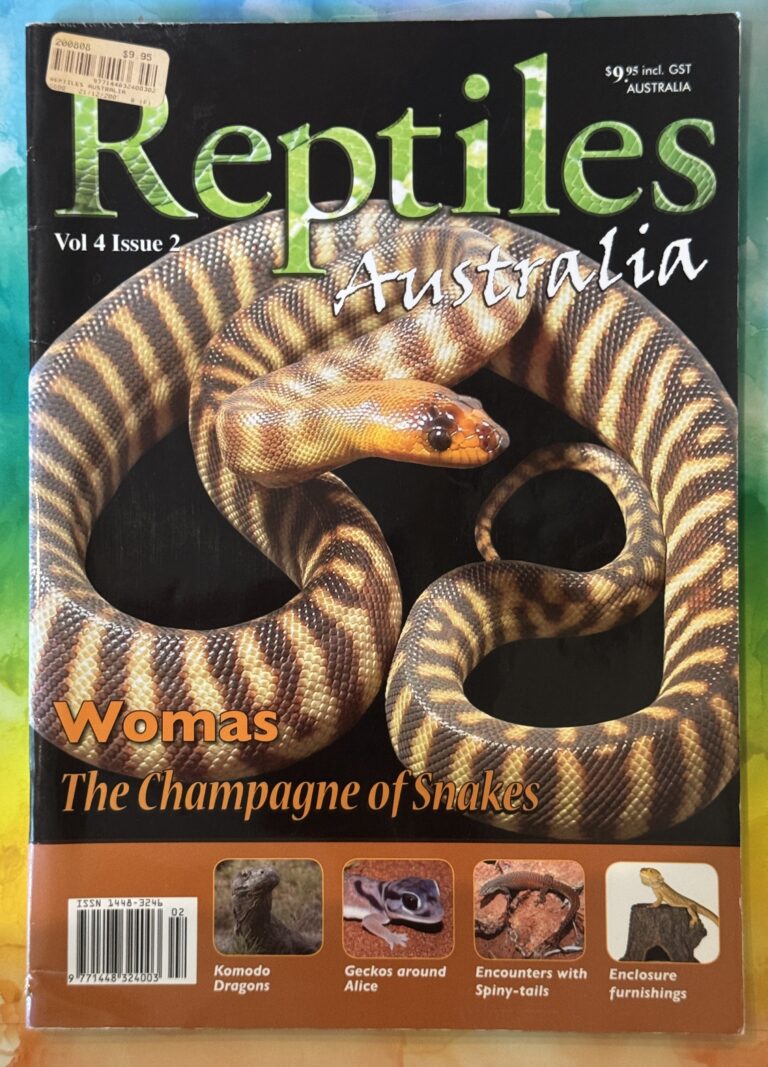
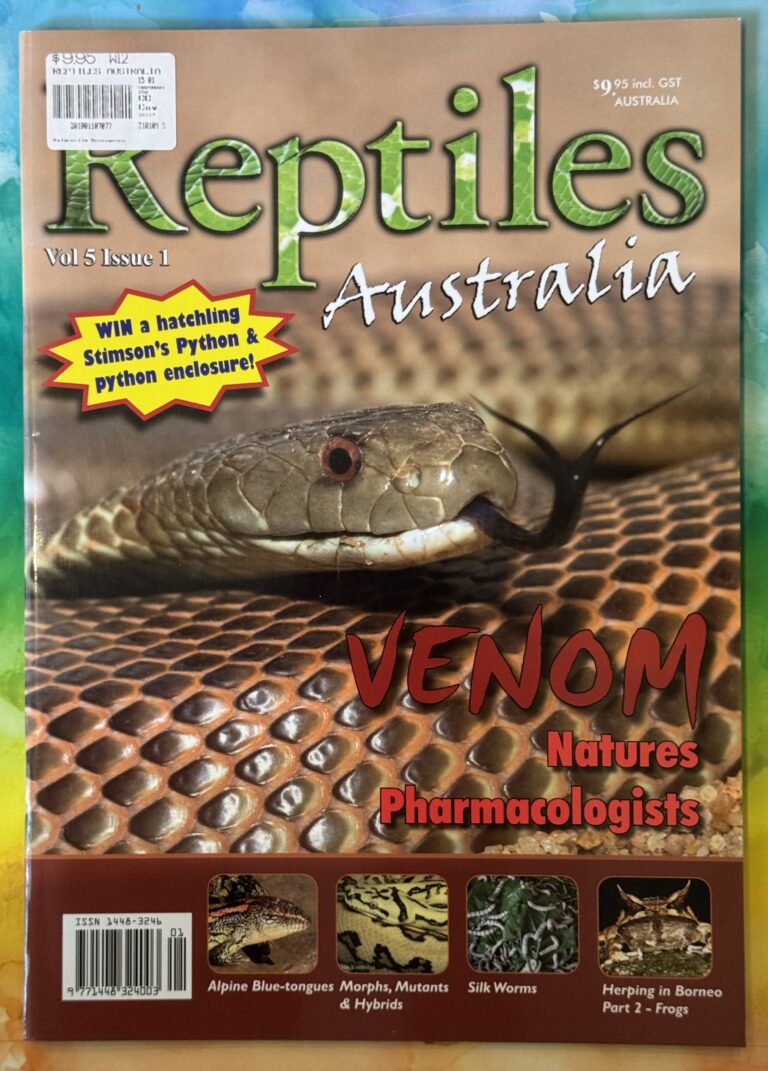
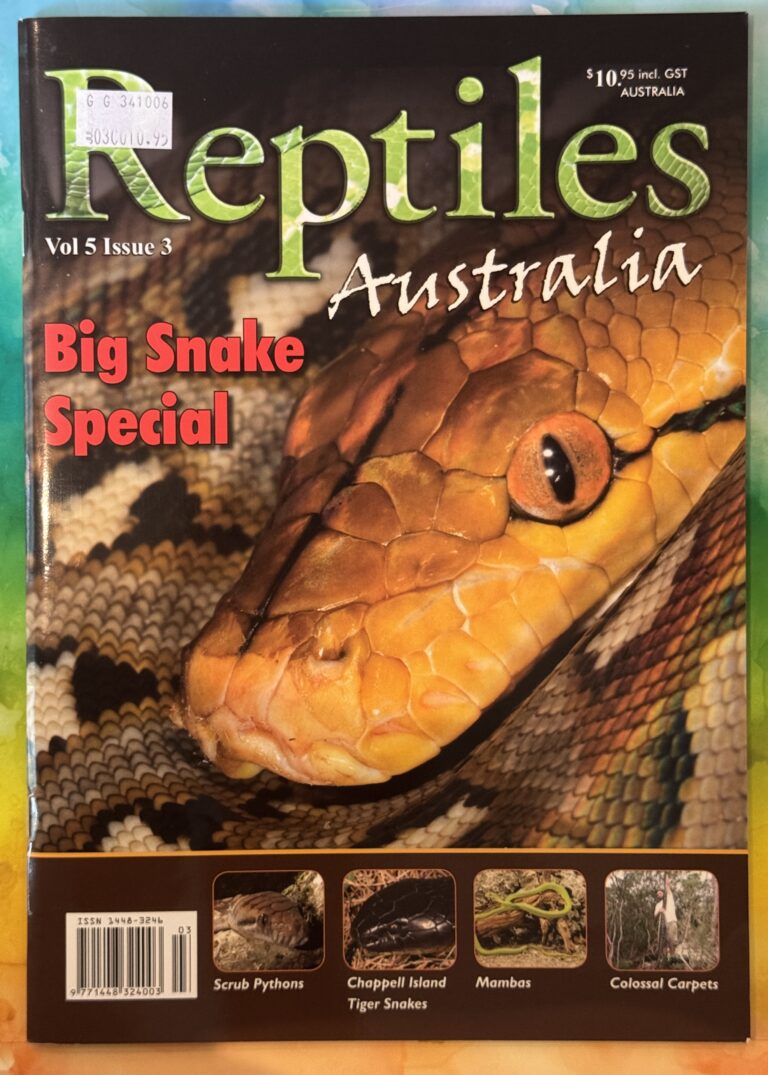
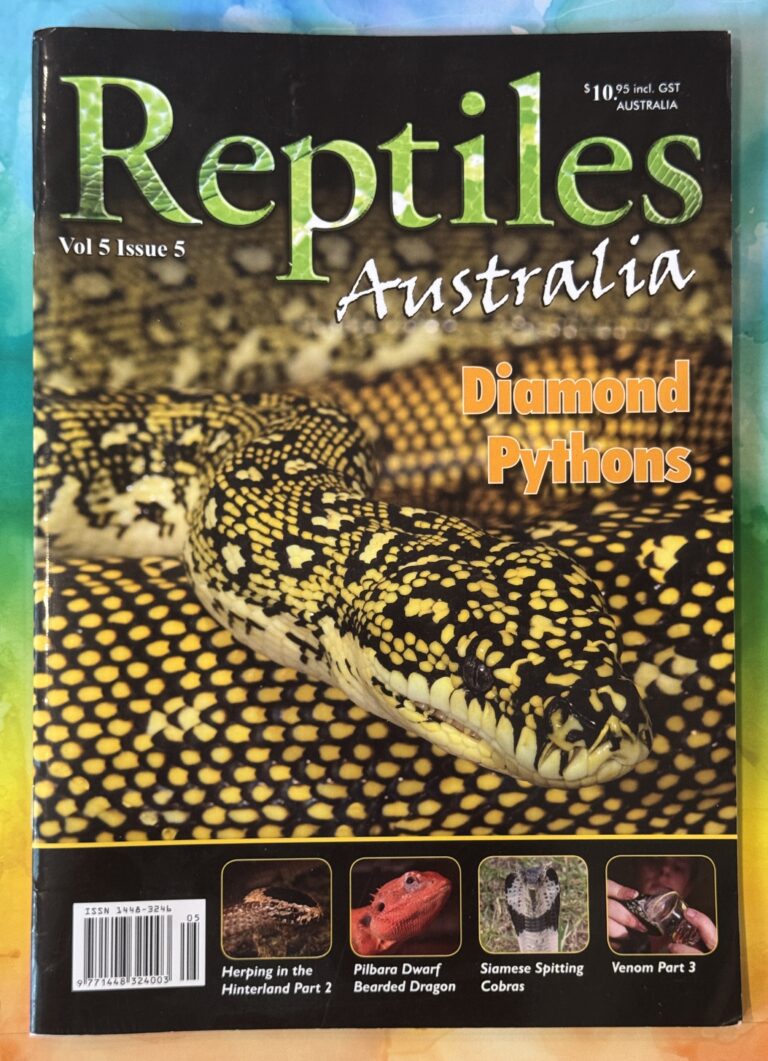
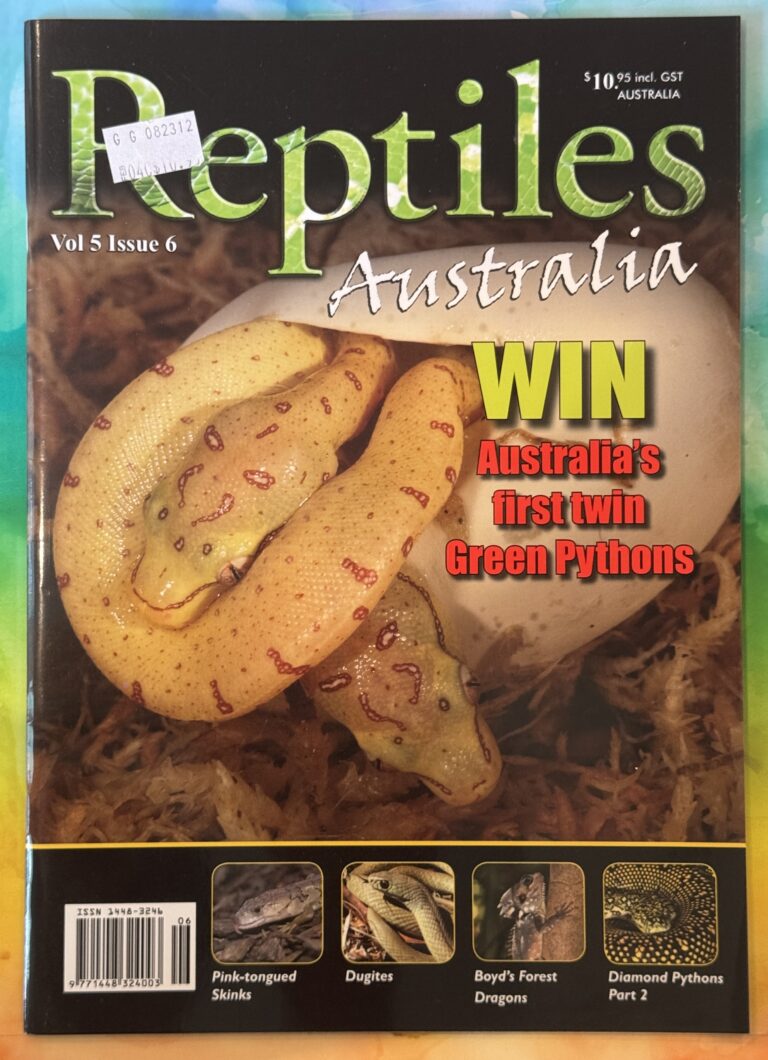
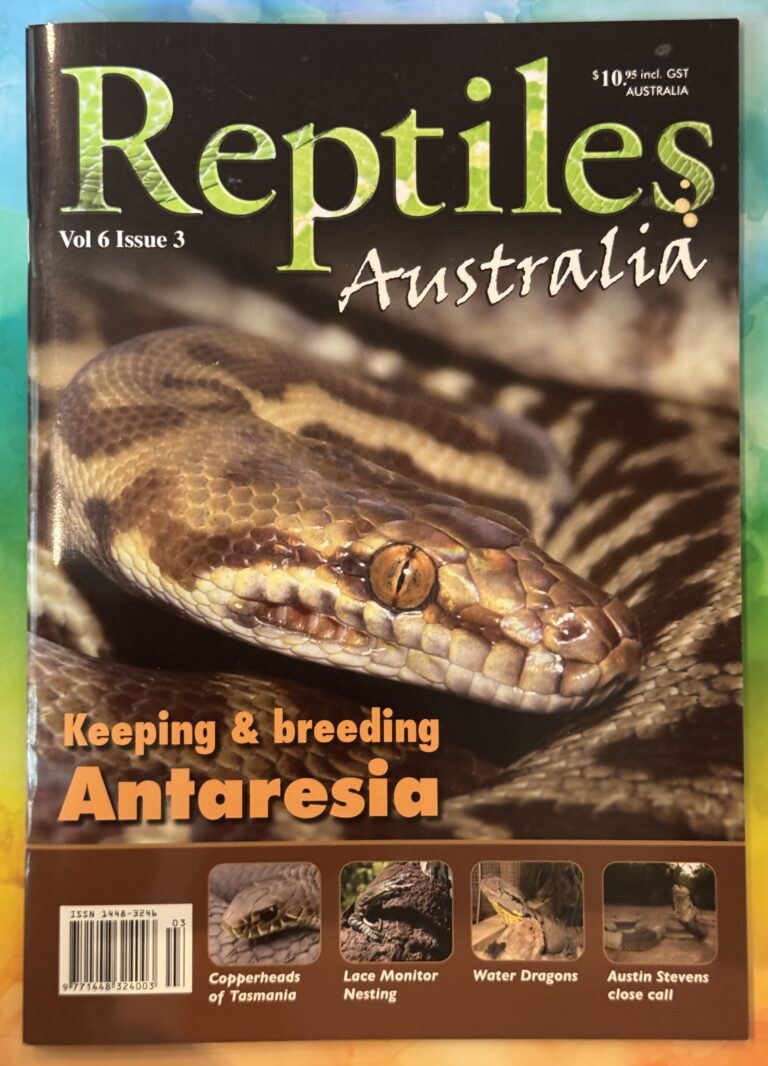
Reptiles Australia has strong preservation significance as a specialist Australian herpetological magazine that combined captive husbandry, breeding, field observations, conservation, veterinary material, species profiles, and community reporting. The supplied issues span six volumes and preserve a broad cross section of the magazine rather than a single isolated issue. Read together, the covers show recurring attention to Australian pythons, venomous snakes, lizards, turtles, field herping, captive breeding, morphs, feeding, enclosure design, and regional reptile conservation.
The surviving masthead and editor pages add substantial historical value because they document the people and working structure behind the publication. Simon Watharow is identified as editor in the earlier supplied masthead, with Rachael Hammond credited for layout, design, and illustrations, Angela Reid for administration, and a group of writers and contributing photographers named by the magazine. A later masthead shows an expanded production structure including Leesa Lannan as Admin / Co. Editor, Attila Vermes in graphic design, and Katerina Tanasic as designer assistant. These changes preserve evidence of how the publication developed internally over time.
The editor’s own statements also preserve the magazine’s purpose. The early supplied editor note describes the publication as bimonthly and states an intention to bring readers a reptile magazine every two months. It invites prospective authors, encourages inexperienced writers to seek help from the support group, and describes the magazine as a place to publish, share, and promote reptile husbandry and field herpetology. A later editor note continues that emphasis, describing a balance of husbandry, conservation, field, and general articles and placing particular importance on detailed husbandry material based on records, research, and writing.
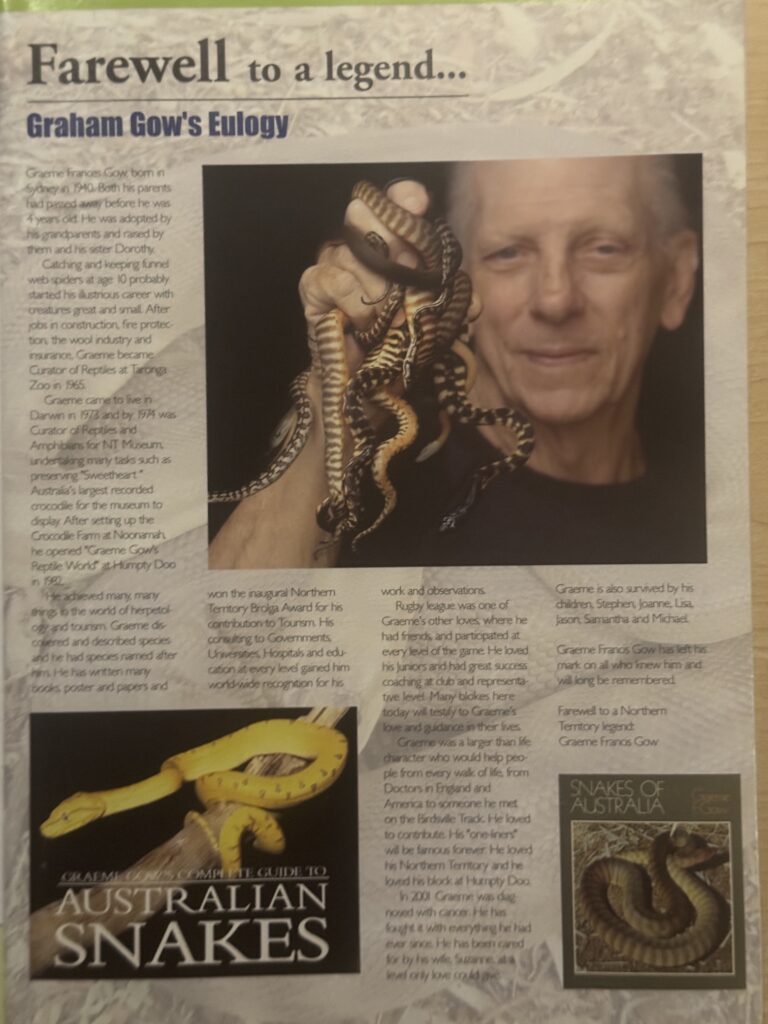
One represented issue also preserves a memorial to Graeme Francis Gow, an important figure in Australian herpetology. The memorial records his work with reptiles, his curatorial career, his move to Darwin, his work with the Northern Territory Museum, the establishment of the Crocodile Farm at Noonamah, the opening of Graeme Gow’s Reptile World at Humpty Doo, his publications, and his influence on keepers, herpetologists, and the wider Australian community. Preserving that issue therefore retains not only reptile information but also a contemporary record of the people who shaped Australian herpetology.
The physical run is also significant because later collector discussions indicate that Reptiles Australia is now difficult to assemble as a complete set. Later collectors describe a thirty three issue run and specifically note missing early and late issues when attempting to complete their sets. The issues preserved here therefore contribute to the survival of a specialist print publication from a period when much reptile information was still circulated through magazines rather than through websites and social media.