


United States
Reptile & Amphibian Hobbyist
Publication Identification
| Field | Information |
| Country | United States |
| Publisher | T.F.H. Publications, Inc. |
| Publisher address | One TFH Plaza, Neptune City, New Jersey 07753 |
| Magazine title | Reptile & Amphibian Hobbyist |
| Publication status | Discontinued. November 2001 is identified as the final issue by independent magazine indexes. |
| Publication run | May 1999 through November 2001. The combined successor title followed the acquisition and merger of Reptile Hobbyist and Reptile & Amphibian Magazine. |
| Editor | Tom Mazorlig (documented among the editorial staff for the represented combined run) |
| Printer | Pending research update |
| ISSN | 1525-4712 |
| Language | English |
| Publication type | Specialist reptile and amphibian hobby magazine |
| Publication frequency | Monthly during the combined title period |
Preservation Significance
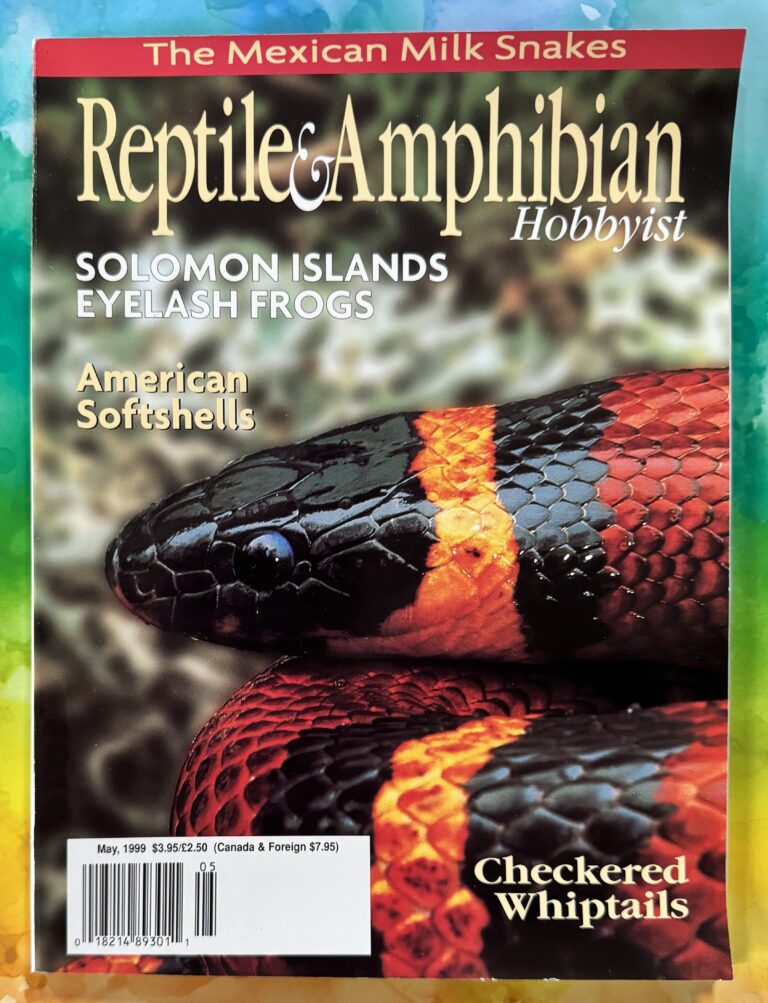
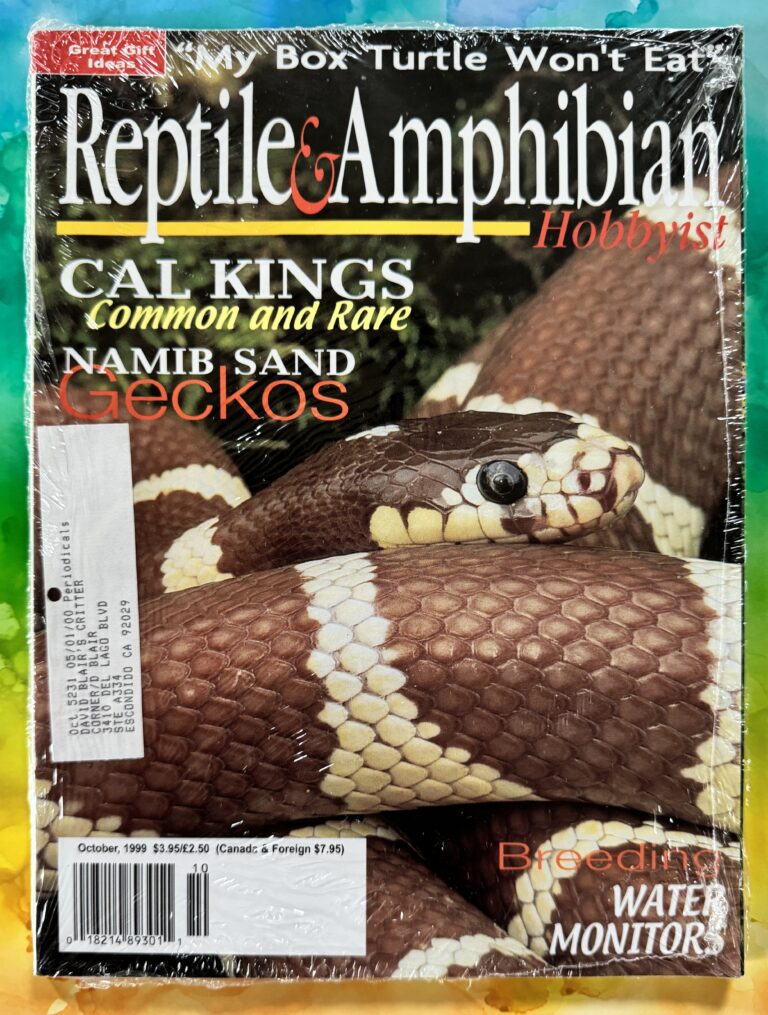
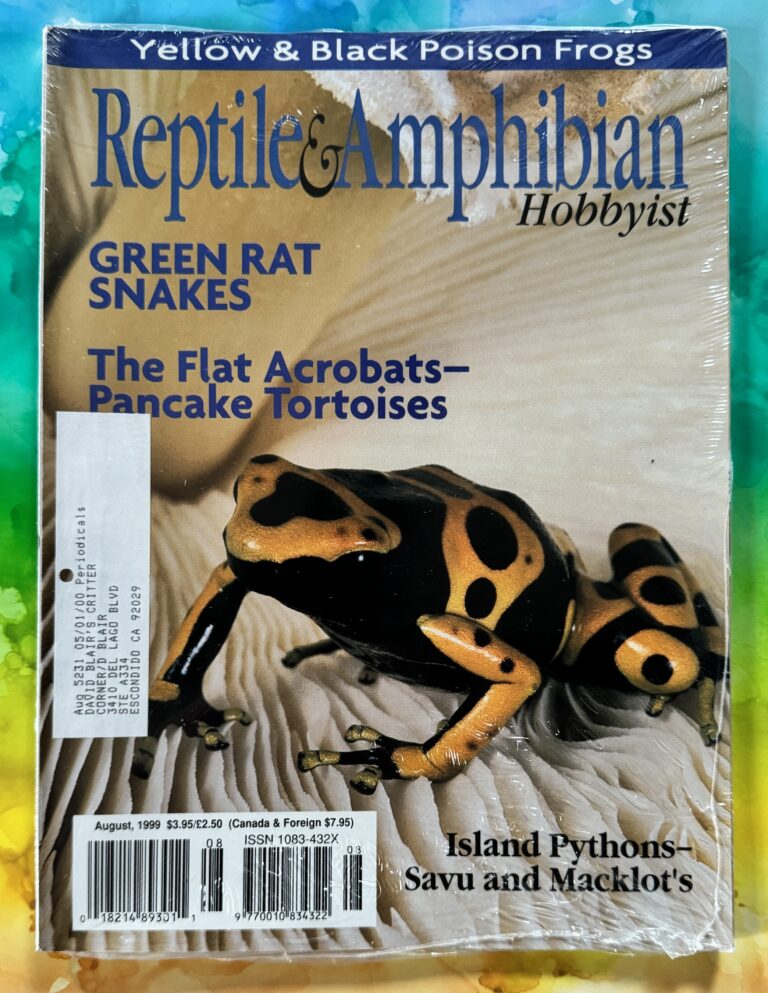
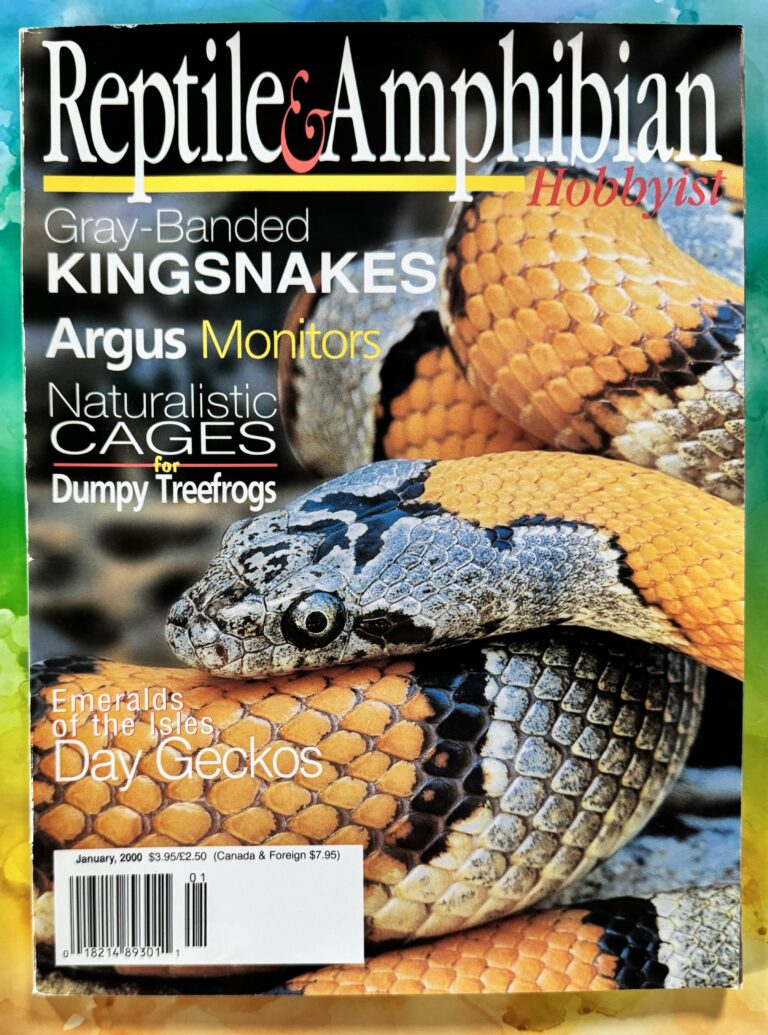
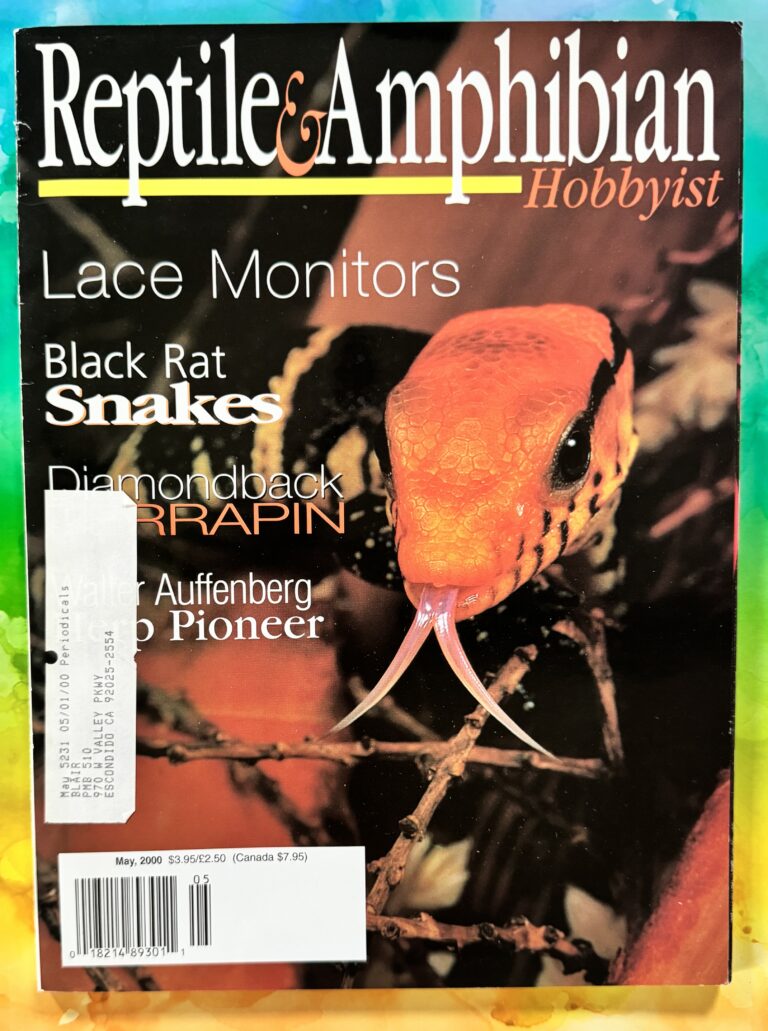
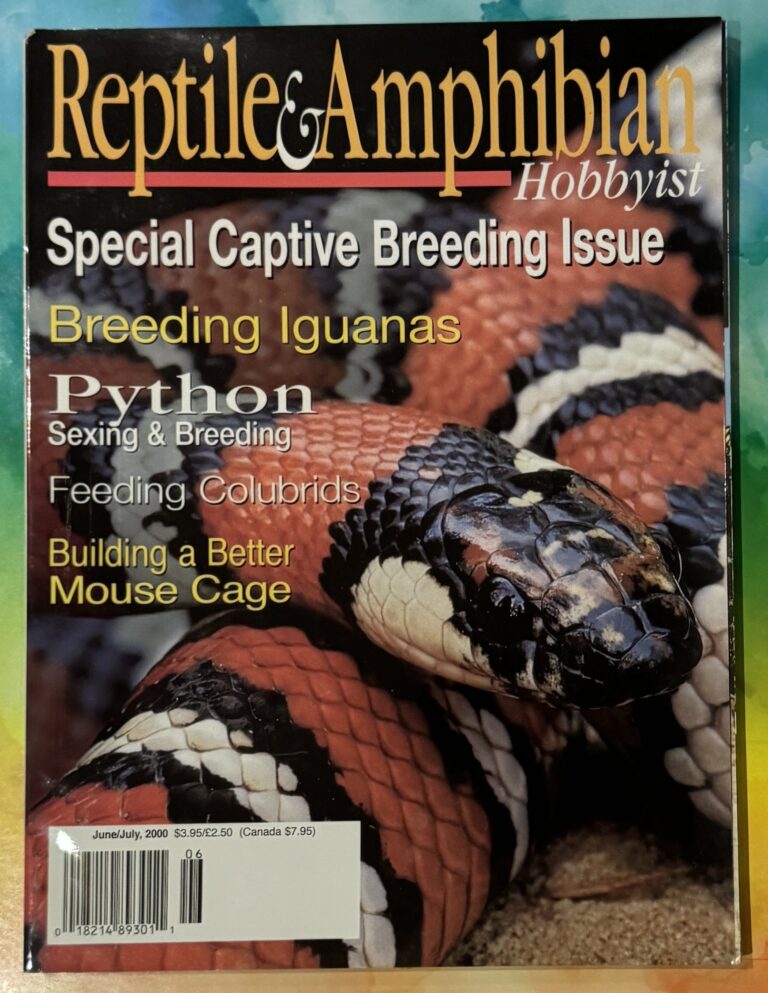
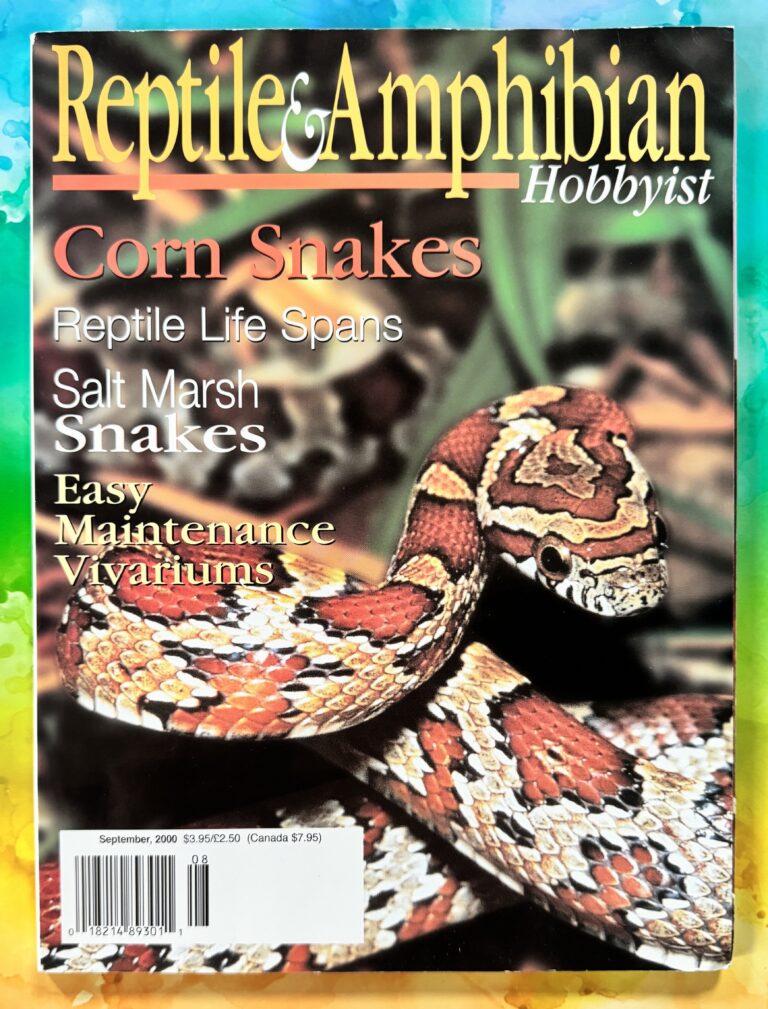
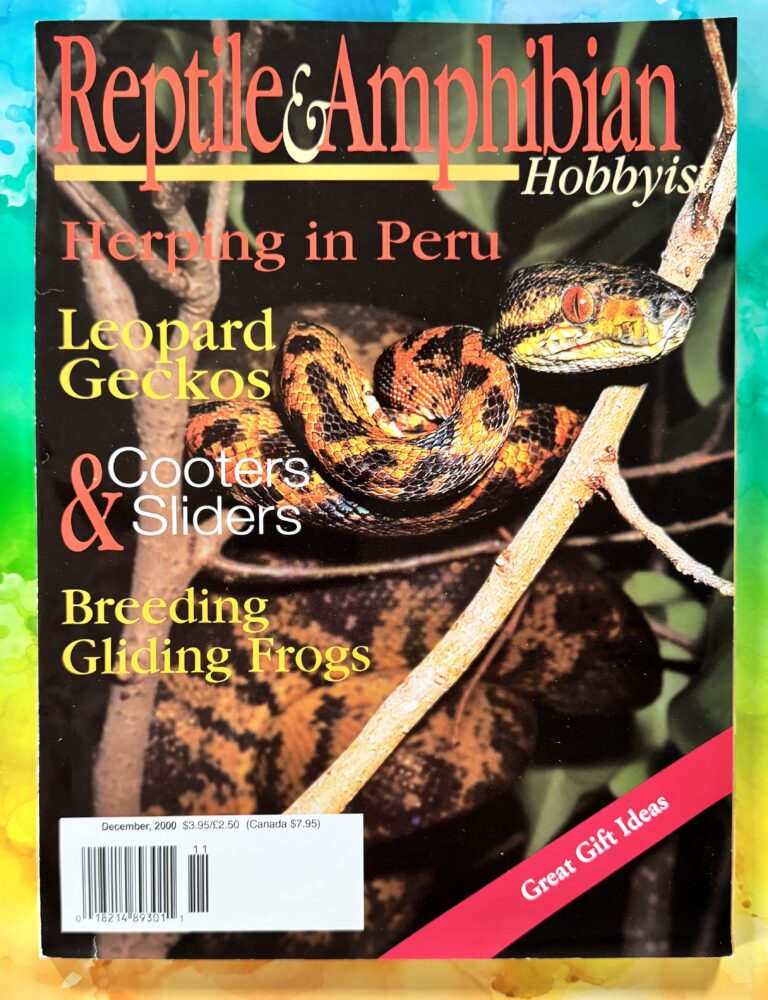
Reptile & Amphibian Hobbyist is preservation significant because it represents the documented successor created from two established American herpetological magazines. The collection includes the May 1999 issue, the first combined issue named in the contemporary merger notice, together with later issues extending through November 2001. This makes the collection capable of documenting not only a magazine title but the actual transition from two predecessor publications into a single successor.
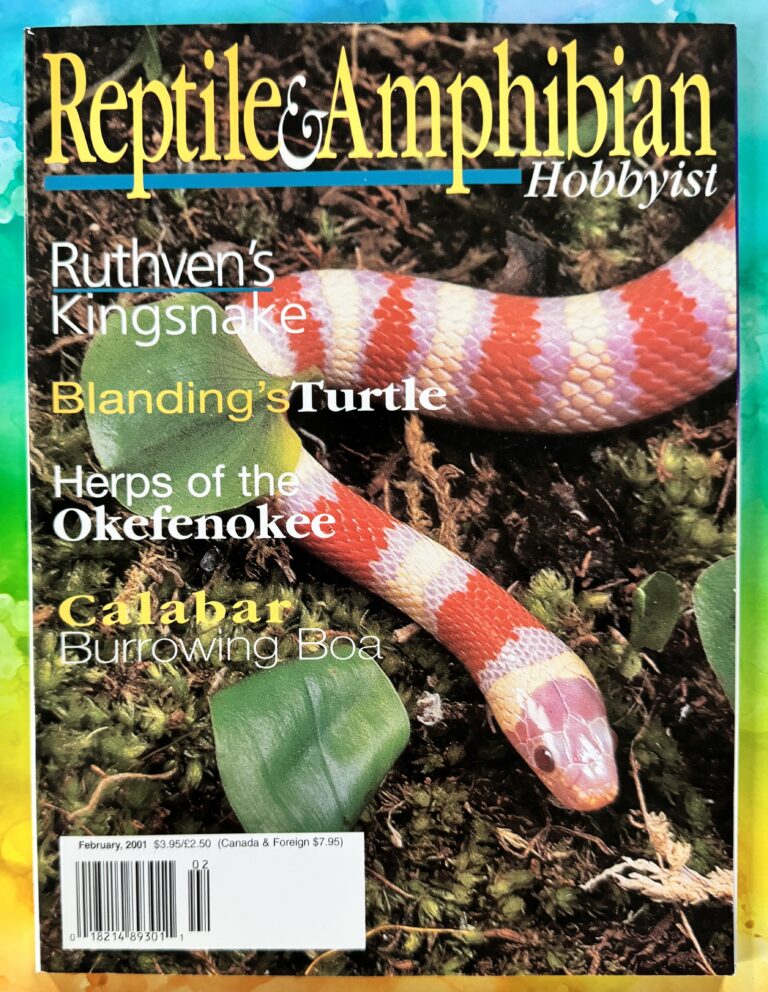
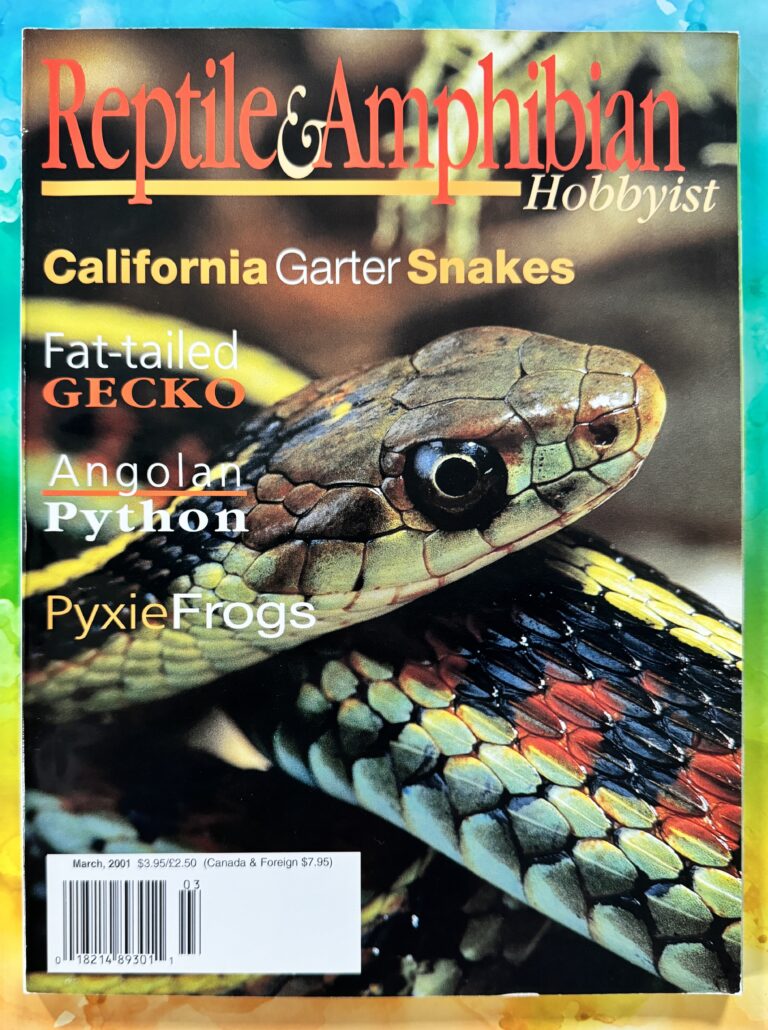
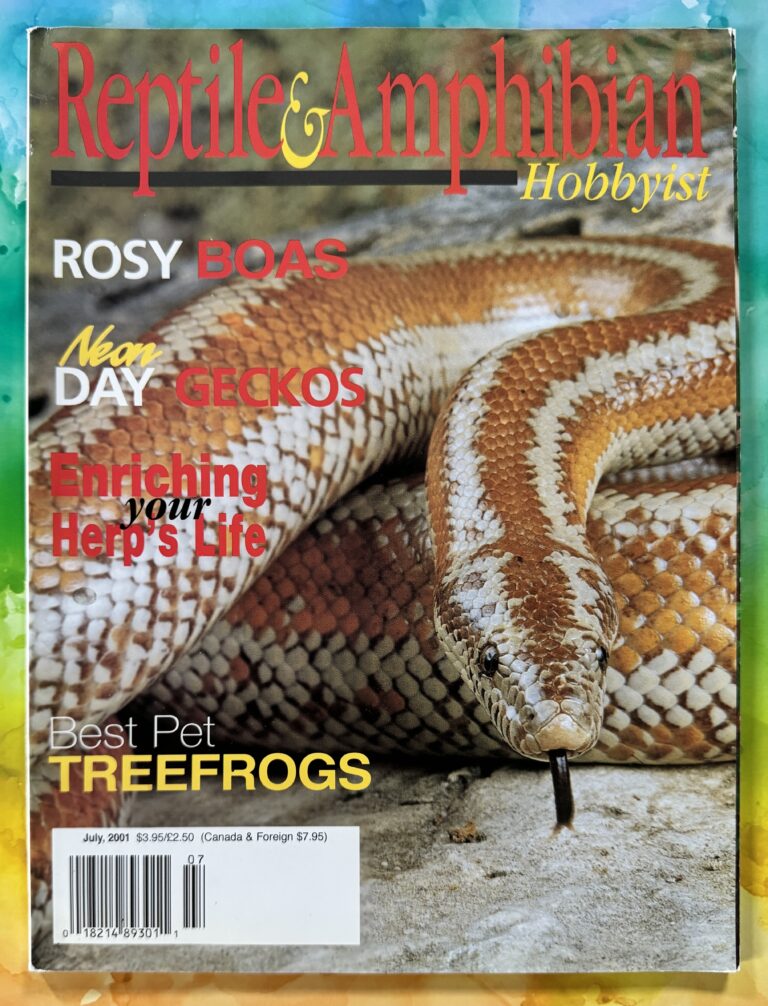
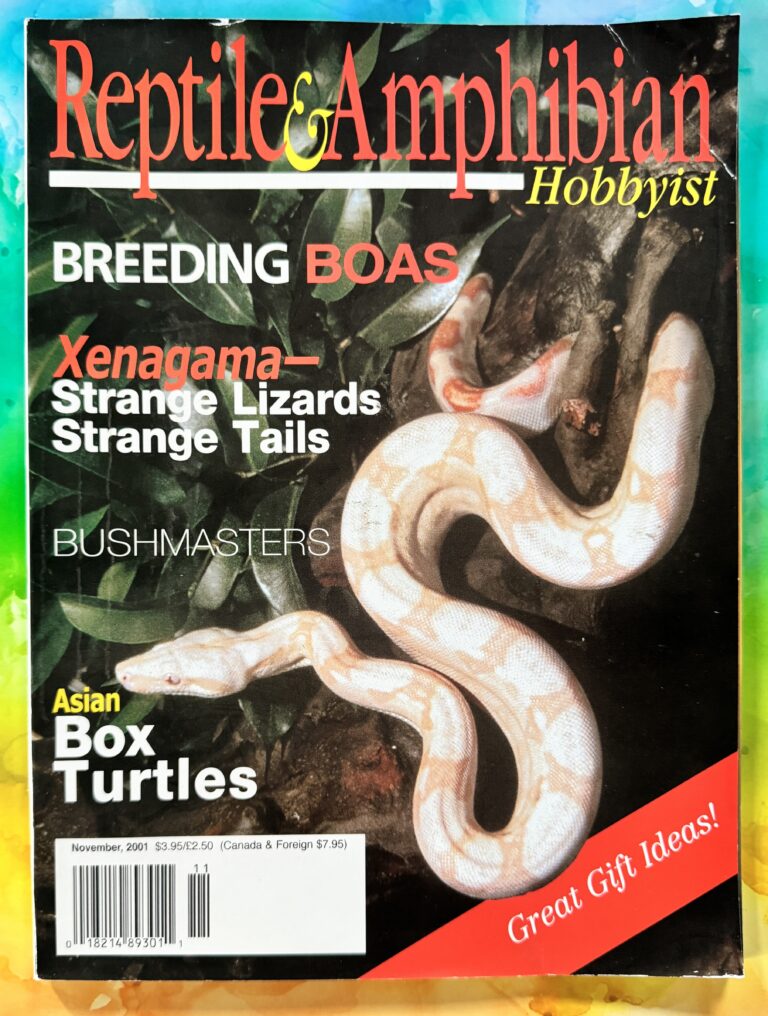
The surviving issues preserve a concentrated period of late 1990s and early 2000s herpetoculture. Snake material remains especially prominent, including Mexican milk snakes, green rat snakes, island pythons, California kingsnakes, gray banded kingsnakes, black rat snakes, corn snakes, salt marsh snakes, Ruthven’s kingsnake, California garter snakes, Angolan pythons, rosy boas, bushmasters and boa breeding.
The successor title also carried forward the broader editorial range of both predecessors. The represented issues include frogs, turtles, tortoises, monitors, geckos, breeding, vivarium design, field herpetology, enrichment and natural history. The result is a useful record of how T.F.H. combined two different herpetological publishing traditions into one monthly magazine.