


United States
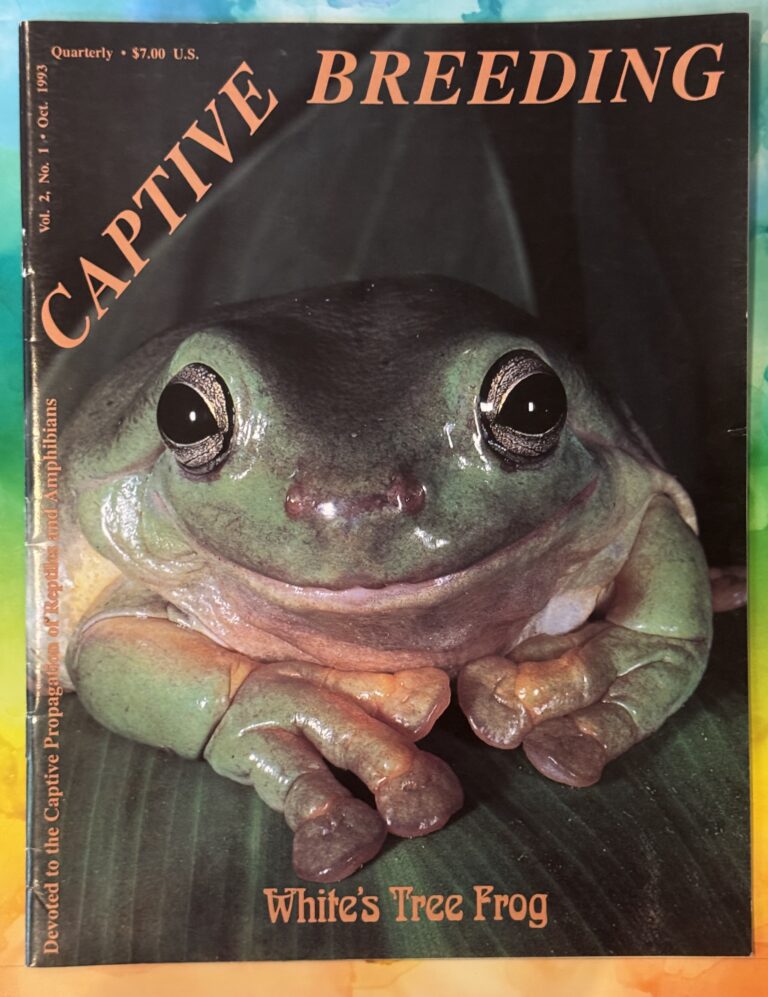
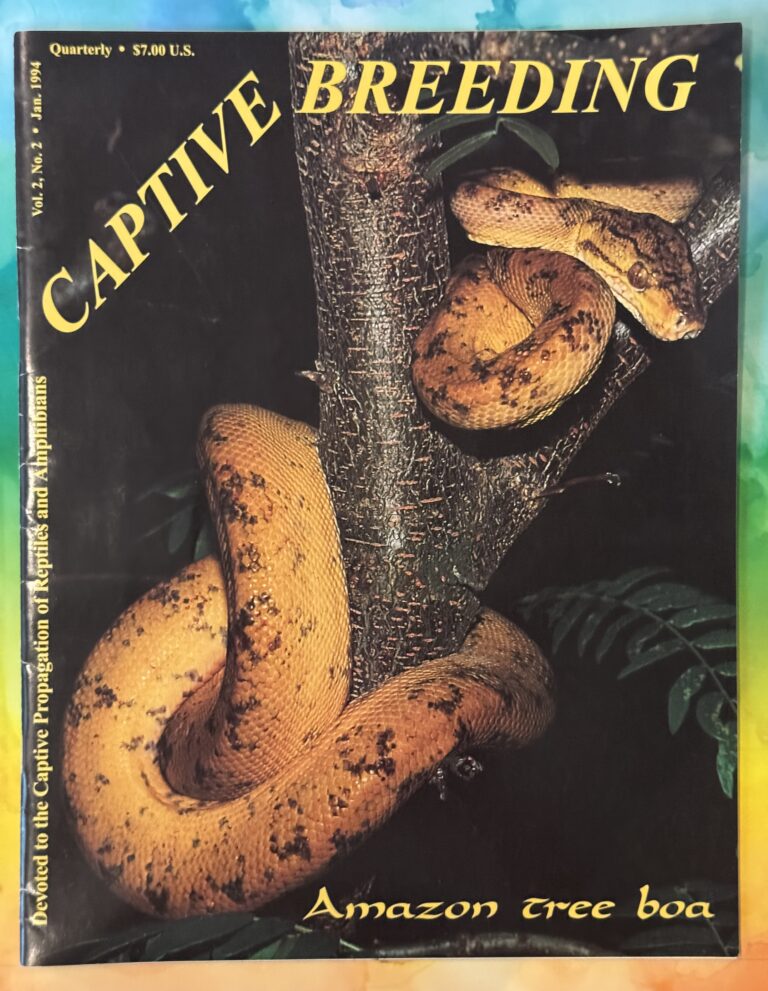
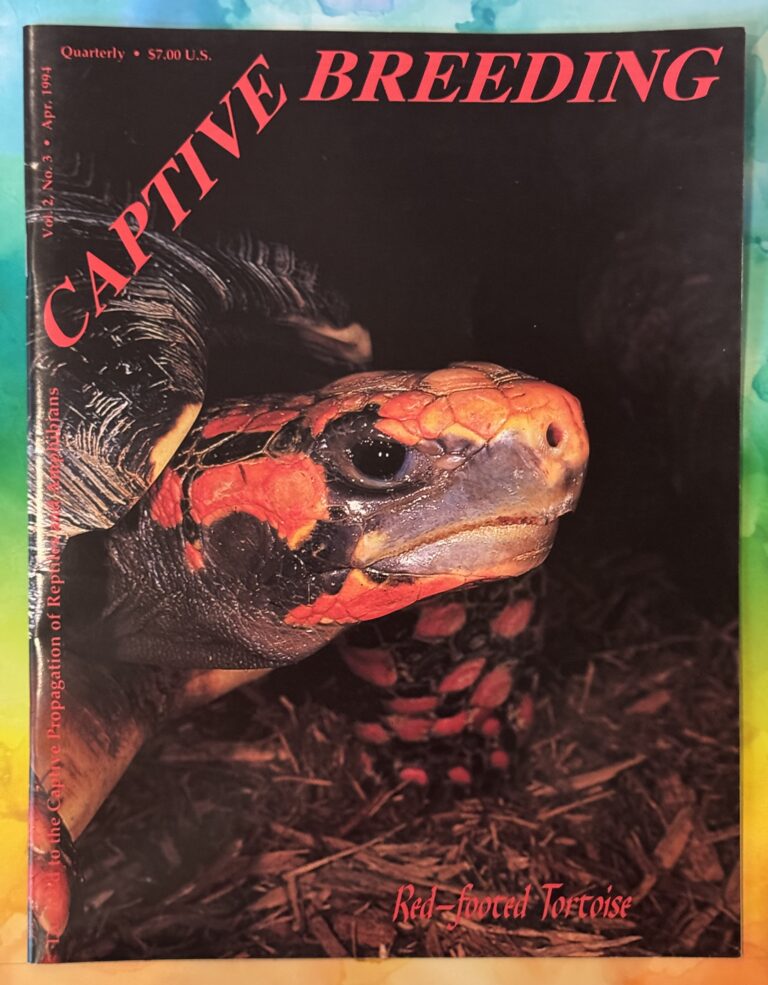
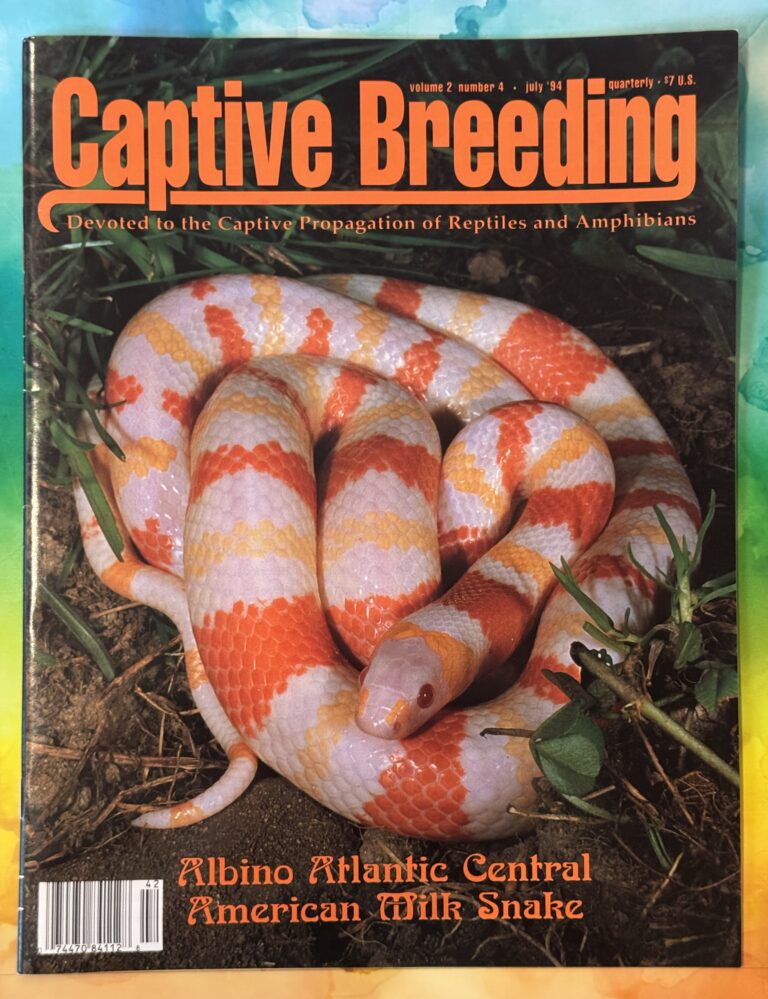
Captive Breeding
Publication Identification
| Field | Information |
| Country | United States |
| Publisher | Richard Aquiline; later Eric M. Rundquist |
| Publisher address | Pending research update |
| Magazine title | Captive Breeding |
| Publication status | Ceased |
| Publication run | October 1992 through February 1995 |
| Editor | Richard Aquiline (identified as editor of multiple issues; issue-specific responsibility may vary) |
| Printer | Pending research update |
| ISSN | Pending research update |
| Language | English |
| Publication type | Specialist reptile and amphibian captive breeding, husbandry and conservation magazine |
| Publication frequency | Quarterly |
| Collection coverage | Complete published run: Volume 1, Number 1 through Volume 3, Number 2 |
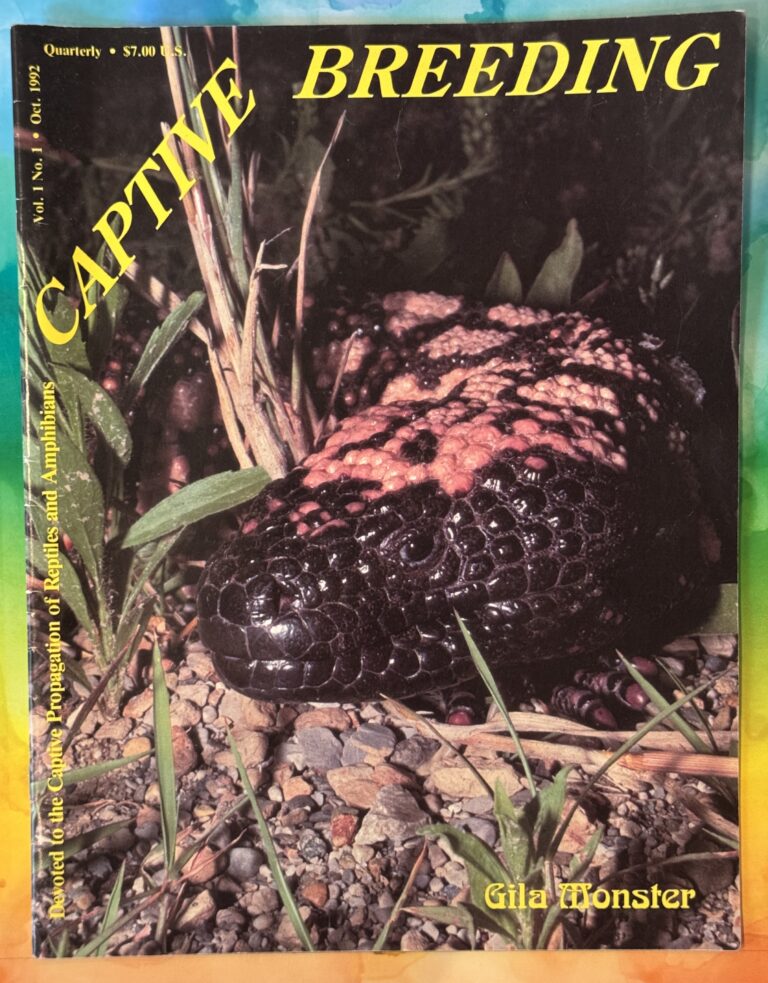
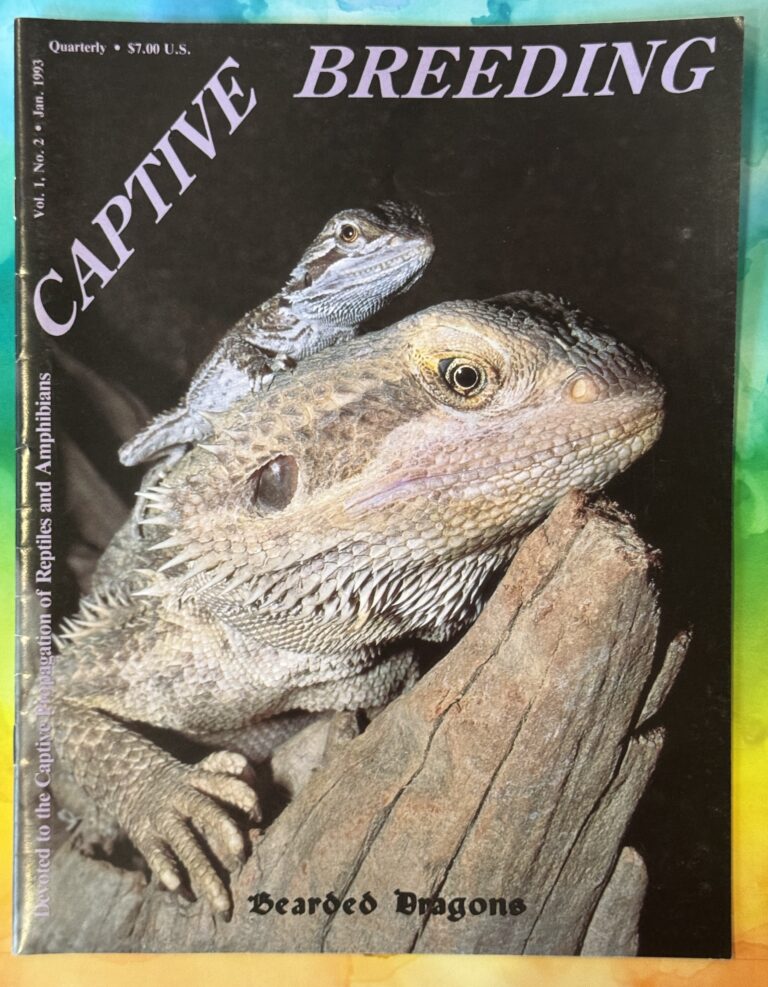
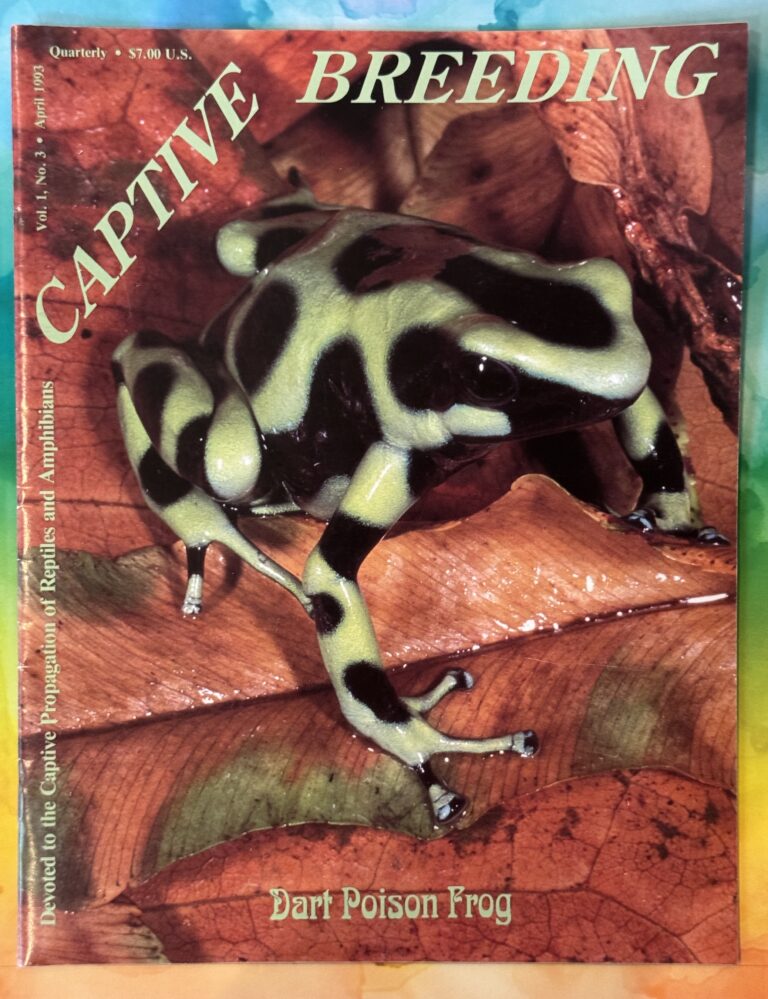
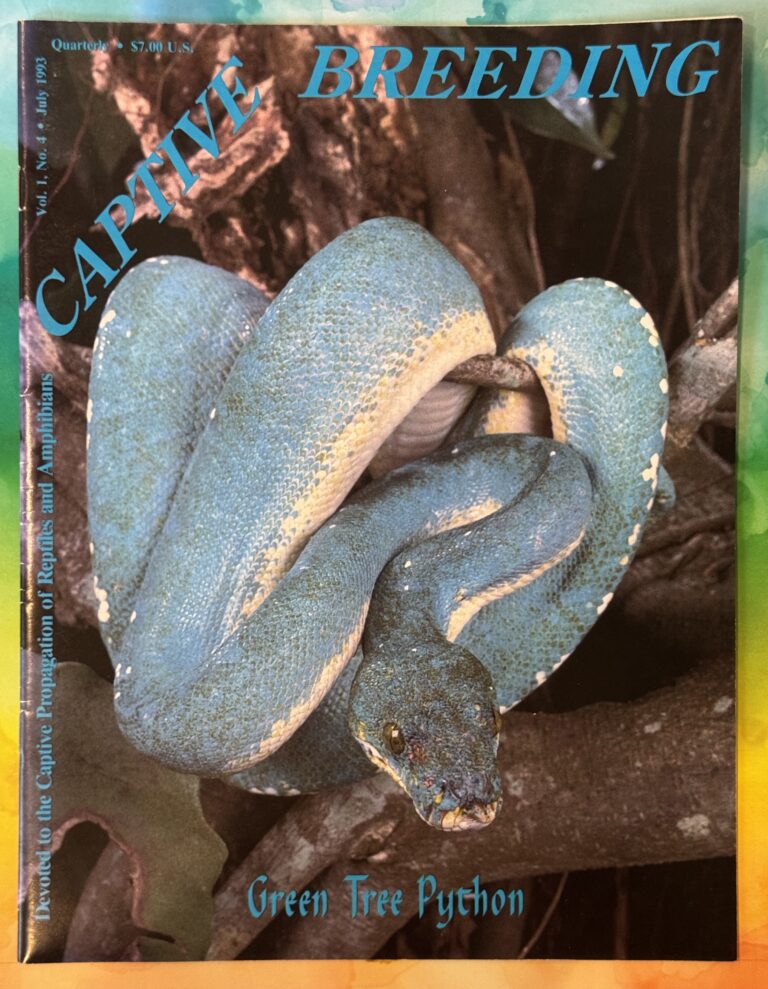
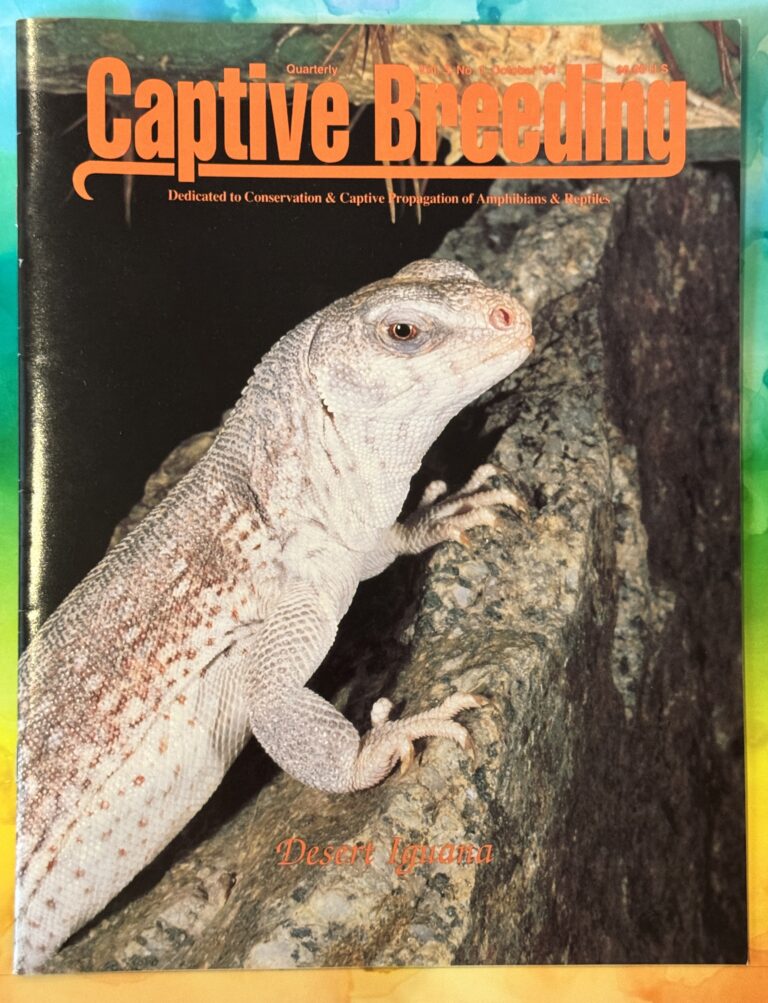
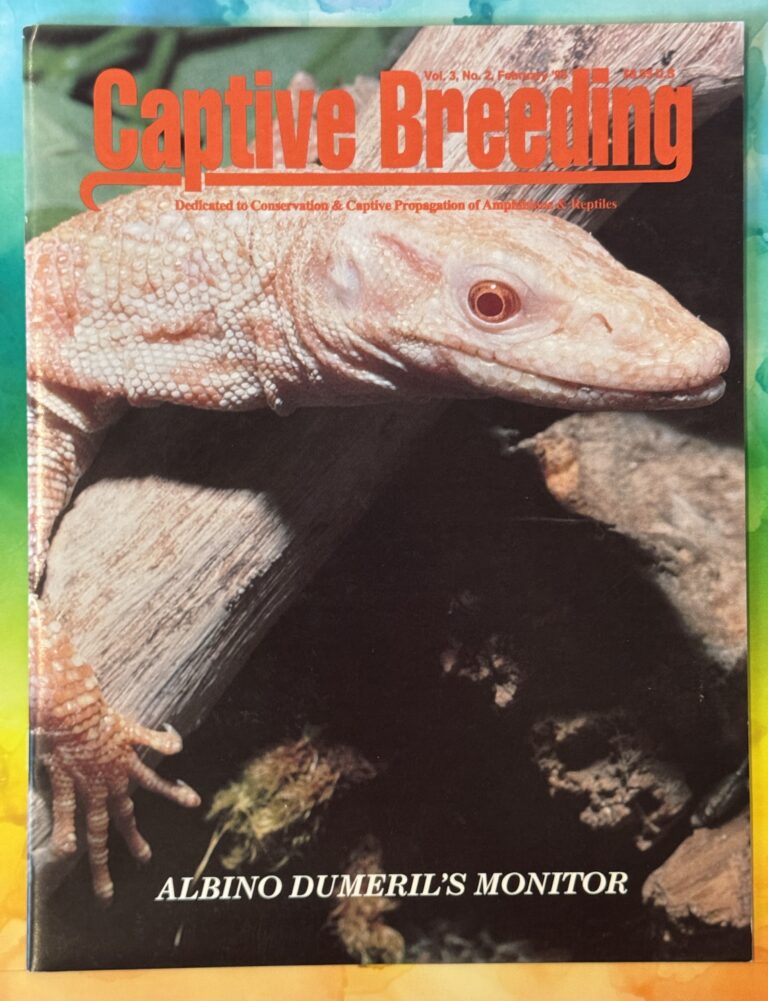
Preservation Significance
Captive Breeding has strong preservation significance because the entire publication consisted of only ten issues, and two complete physical print sets of the full series are held in the collection. The first eight issues reportedly had final print runs of 1,000 copies each, while a credible private source reported substantially reduced distribution for the two Volume 3 issues: approximately 500 copies of Volume 3, Number 1 were obtained after part of the intended run was destroyed, and only 300 copies of the final issue were obtained following another printer payment problem. Those scarcity figures remain attributed to the private source unless further documentary evidence is found. Beyond rarity and completeness, the series preserves a compact record of early 1990s herpetoculture. Its changing cover language moves from a primary emphasis on captive propagation of reptiles and amphibians toward an explicit inclusion of conservation, documenting an important shift in how the captive reptile and amphibian community presented its goals. Preserving the complete run keeps that short lived publication, its husbandry and breeding information, its editorial history, and its evolving conservation perspective together as a single historical record.