


Spain
Reptilia
The European Herp Magazine
Publication Identification
| Field | Information |
| Country | Spain |
| Publisher | Reptilia Ediciones, S.L.; German edition: Natur und Tier Verlag GmbH / Nature and Animal Publishing GmbH |
| Publisher address | Muntaner 88, 5º 1ª, 08011 Barcelona, Spain |
| Magazine title | Reptilia |
| Publication status | English and Spanish editions reportedly suspended in 2012; German edition continued. Final publication status across all editions: Pending research update. |
| Publication run | English numbered edition documented from January / February 1998 through 2012 according to secondary sources; German issues represented through February / March 2018. Earlier Spanish publishing history: Pending research update. |
| Editor | Mercè Viader Staub (Director, English edition; International Relations Officer) |
| Printer | Druckhaus Fromm, Osnabrück (later German production as documented in the research); other issue-specific printers: Pending research update |
| ISSN | 1431-8997 (German edition); English edition ISSN: Pending research update |
| Language | English and German editions represented; Spanish edition also documented in the publication history |
| Publication type | International specialist reptile, amphibian, and terrarium magazine issued in multiple language editions |
| Publication frequency | Six issues per year / every two months (German edition); English edition frequency: Pending research update |
Preservation Significance
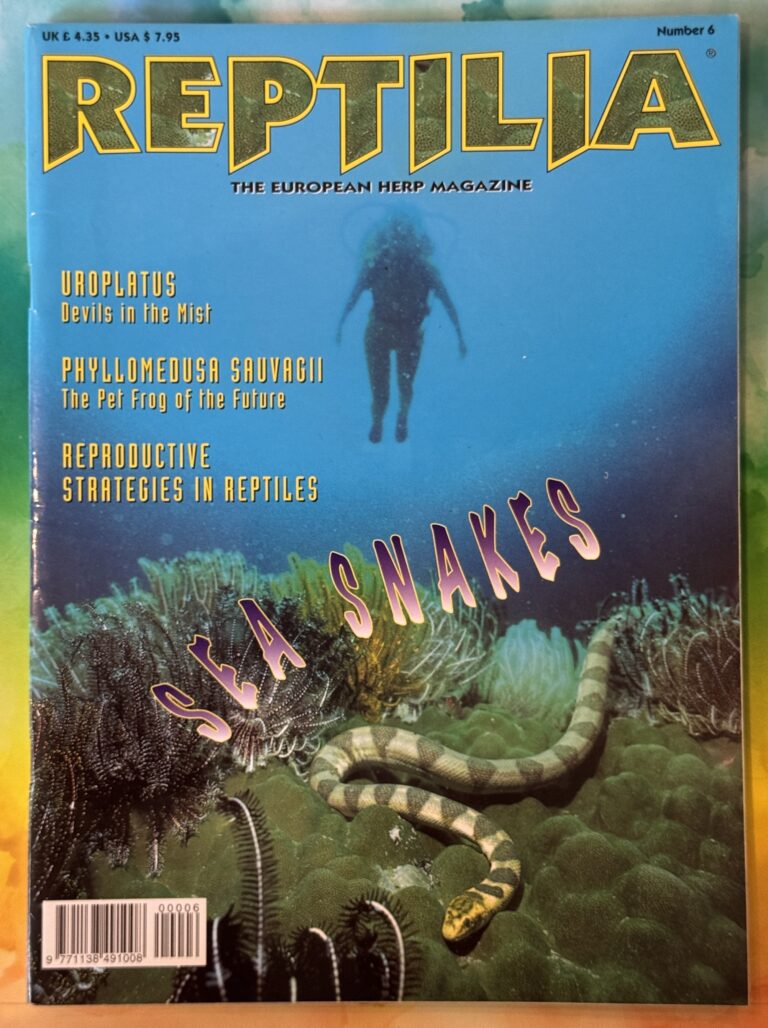
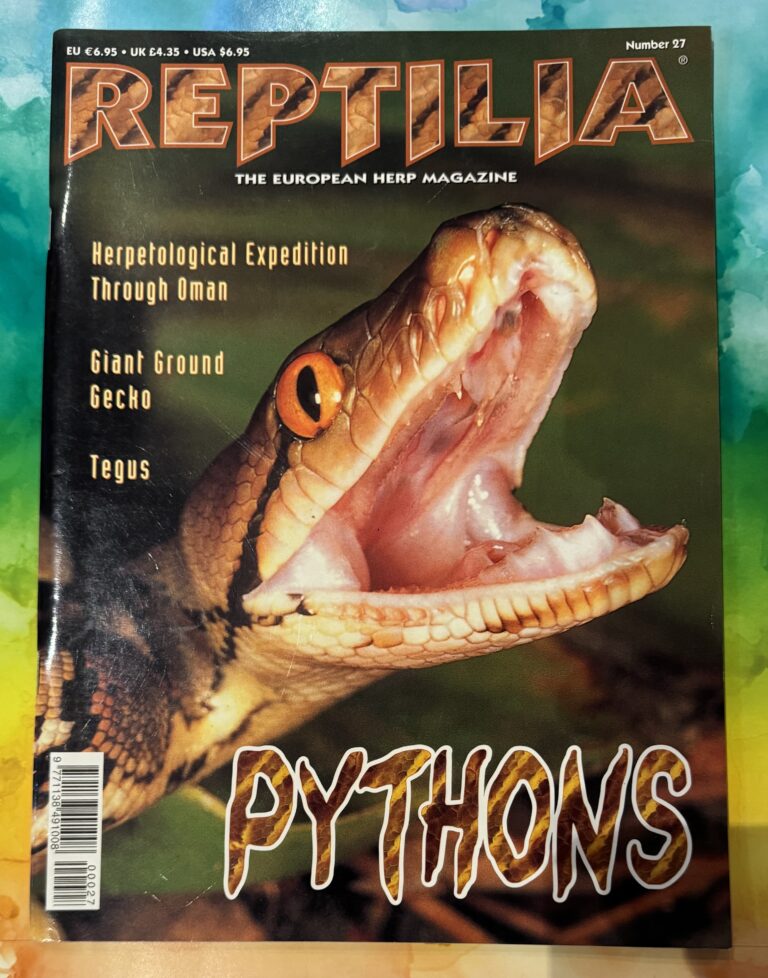
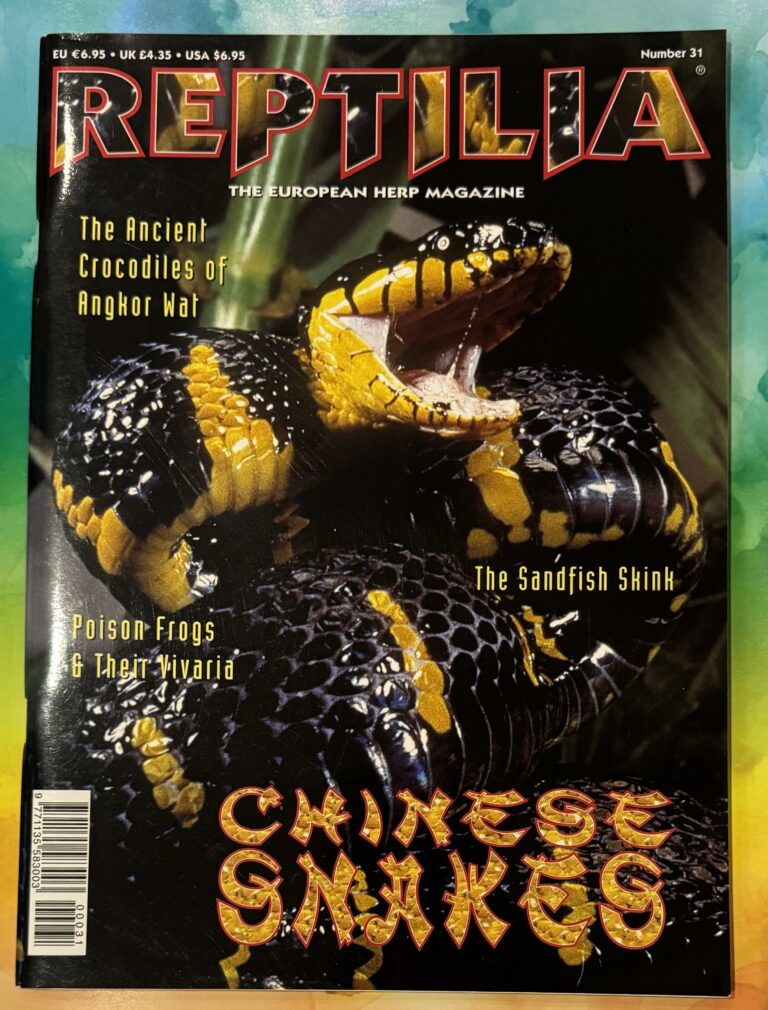
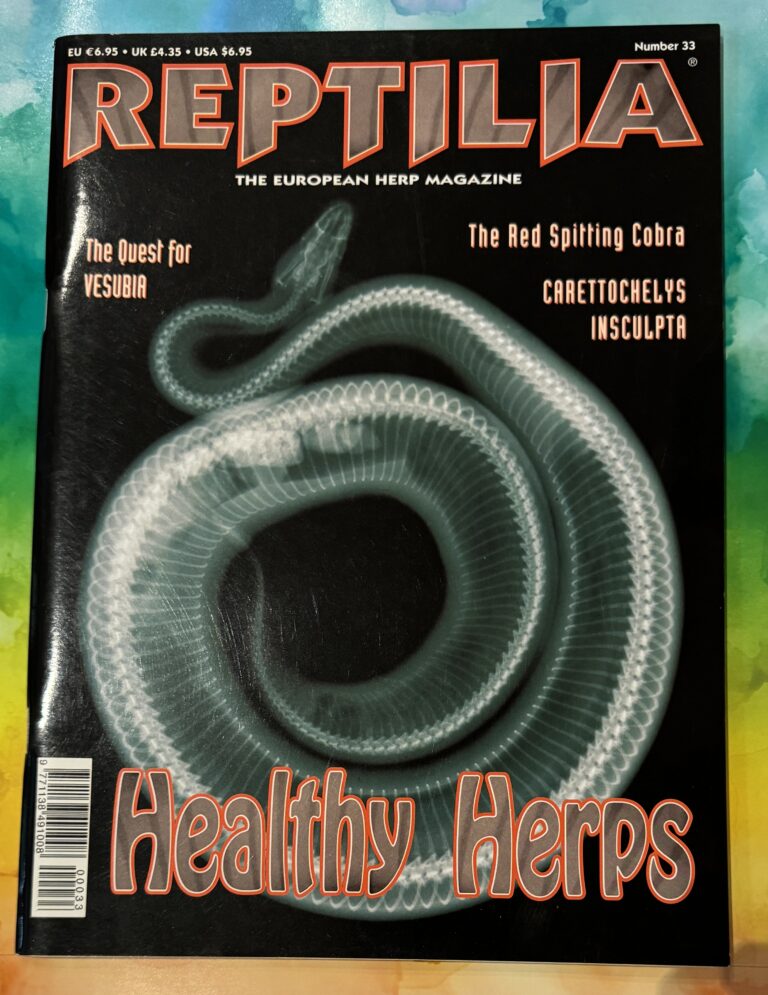
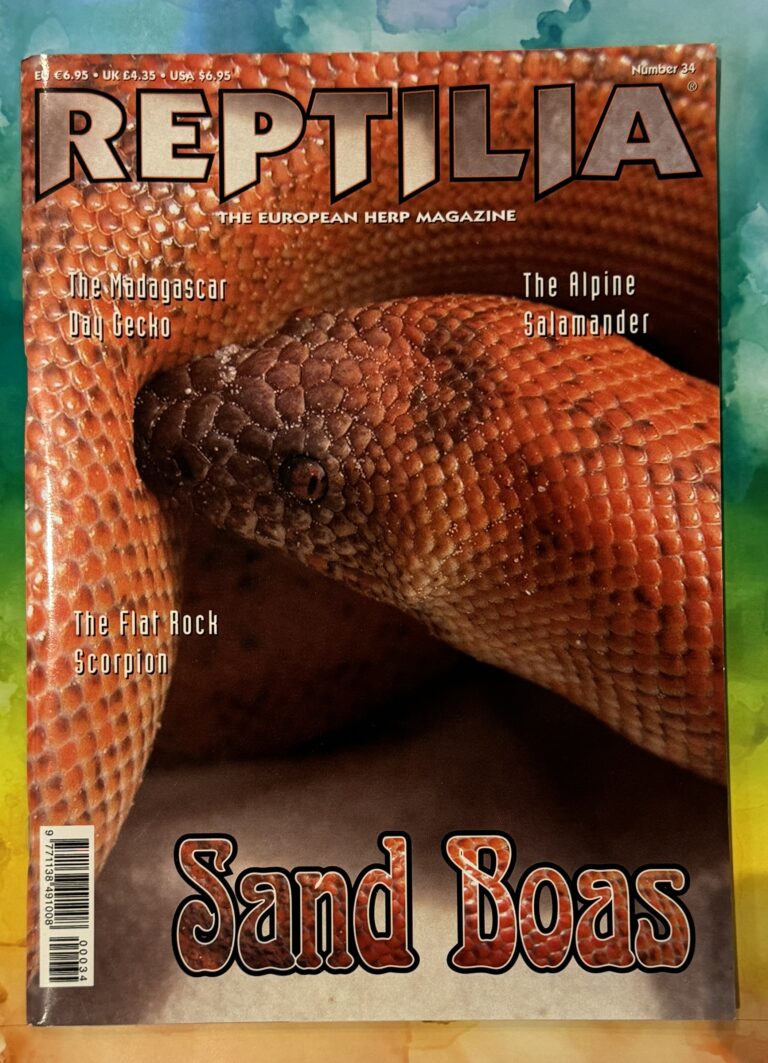
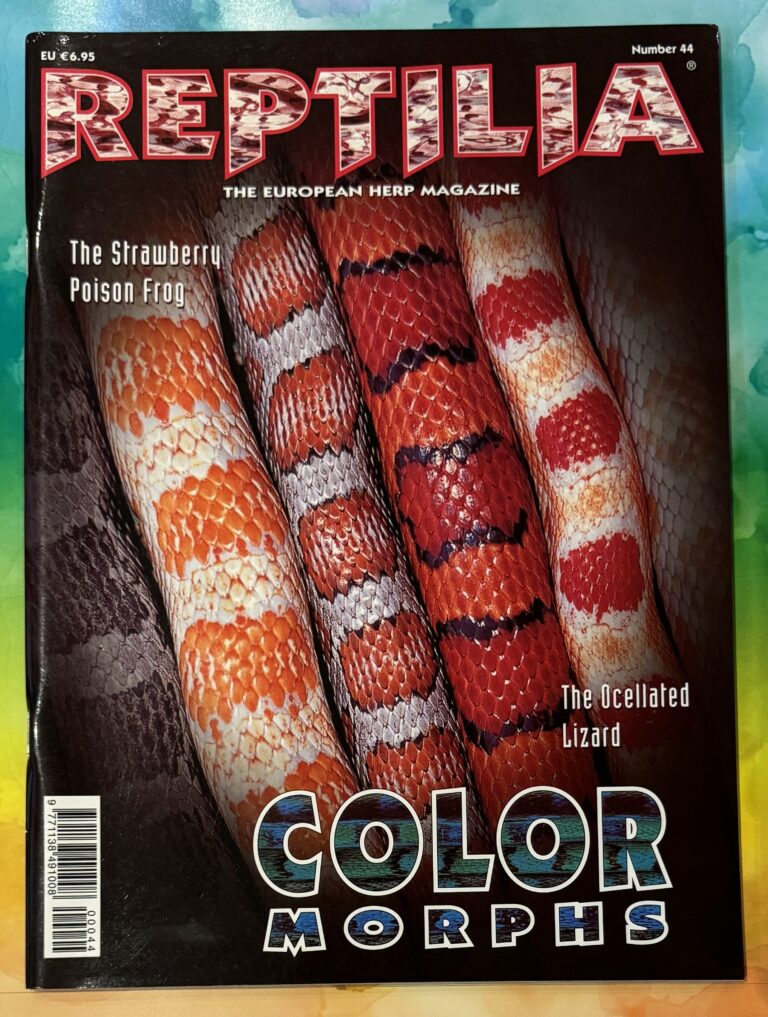
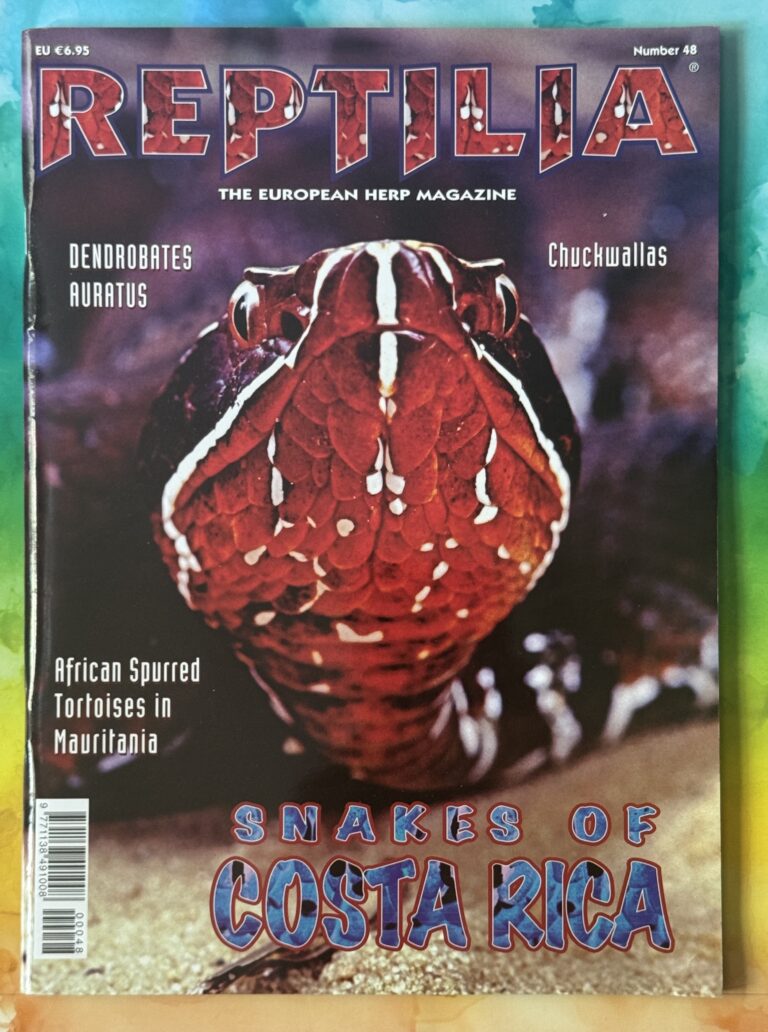
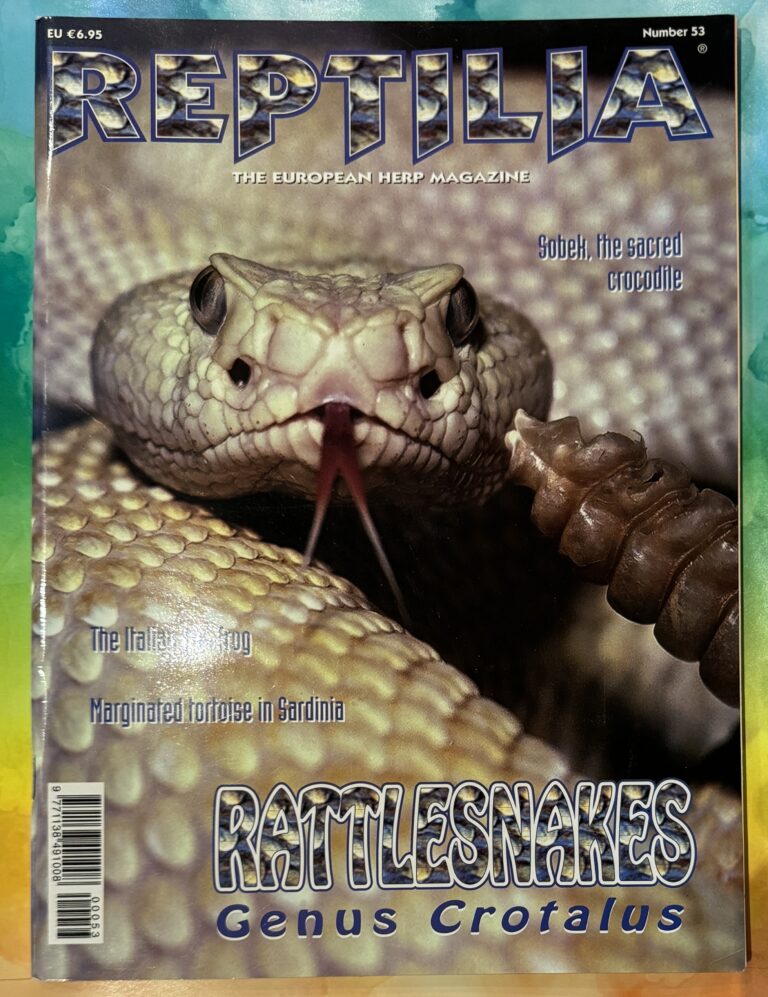
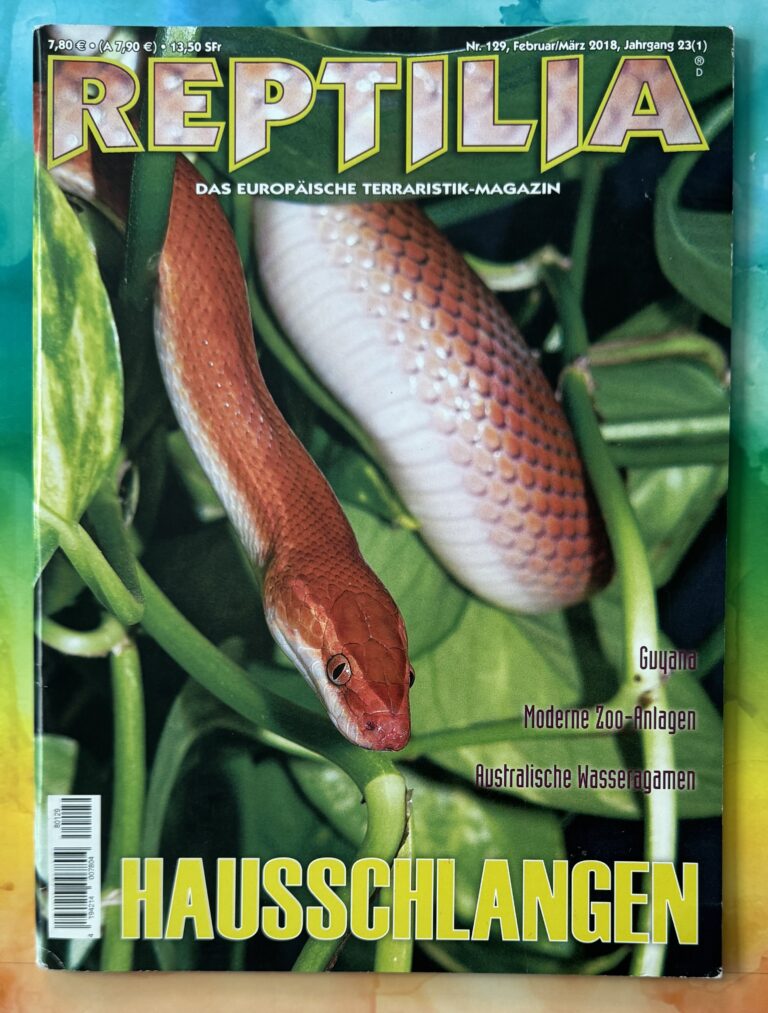
Reptilia has exceptional preservation significance within the collection because the surviving issues document an international specialist magazine across different languages, publishers, decades, numbering systems, and editorial eras. The collection begins with Number 1 of the English language edition in January / February 1998 and extends to Number 129 of the German edition in February / March 2018. That twenty year span allows the publication to be studied not as a single isolated title but as a long running European herpetological publishing project whose identity continued across national and language boundaries.
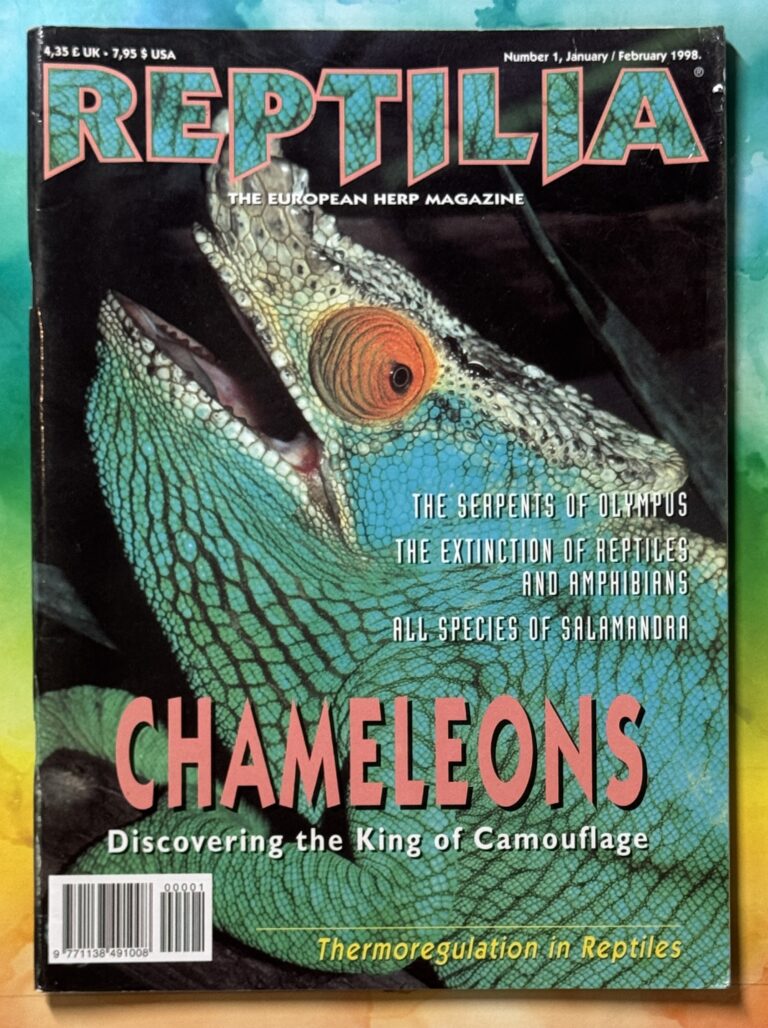
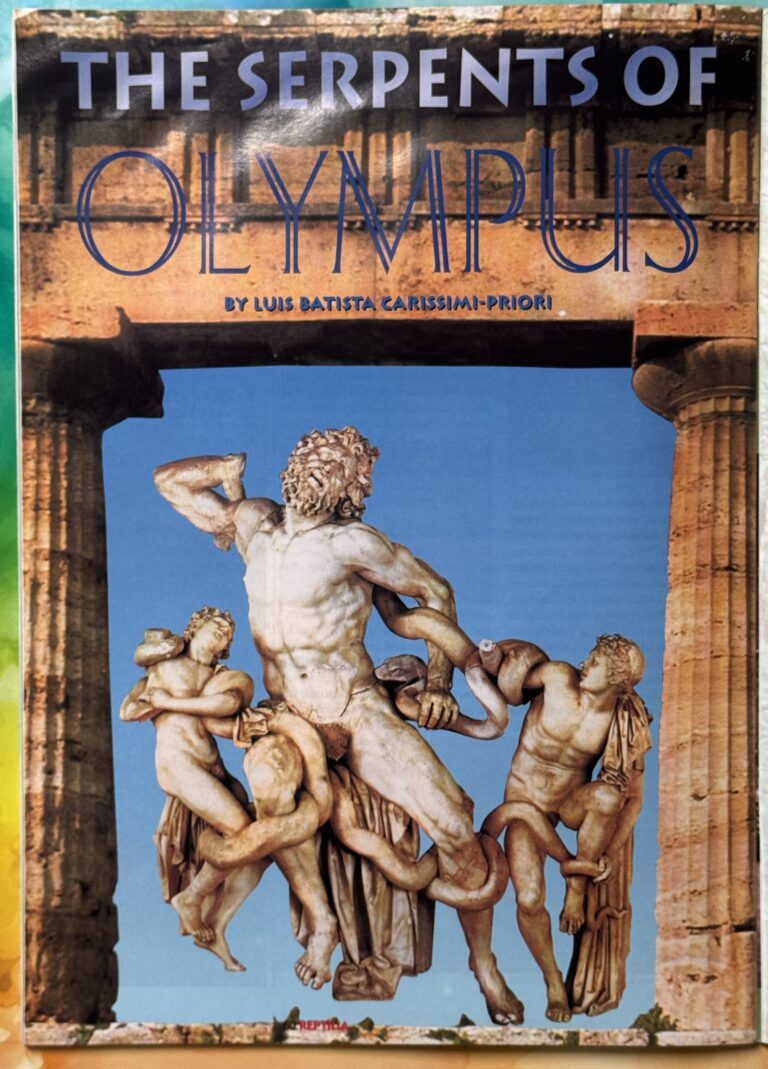
The first English issue is especially important. It identifies itself as Number 1, January / February 1998 and uses the subtitle The European Herp Magazine. Its cover subjects include chameleons, thermoregulation in reptiles, the extinction of reptiles and amphibians, salamanders, and The Serpents of Olympus. As an inaugural issue, it preserves the magazine at the beginning of its English language run and provides a baseline for later changes in design, price, subject emphasis, and distribution.
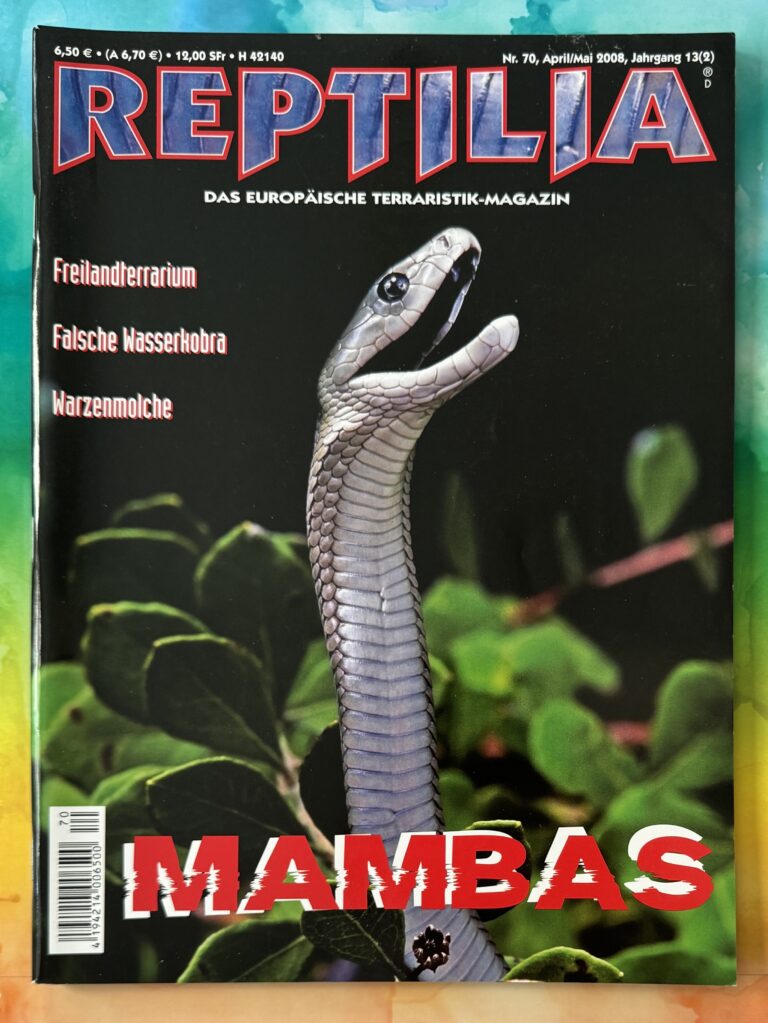
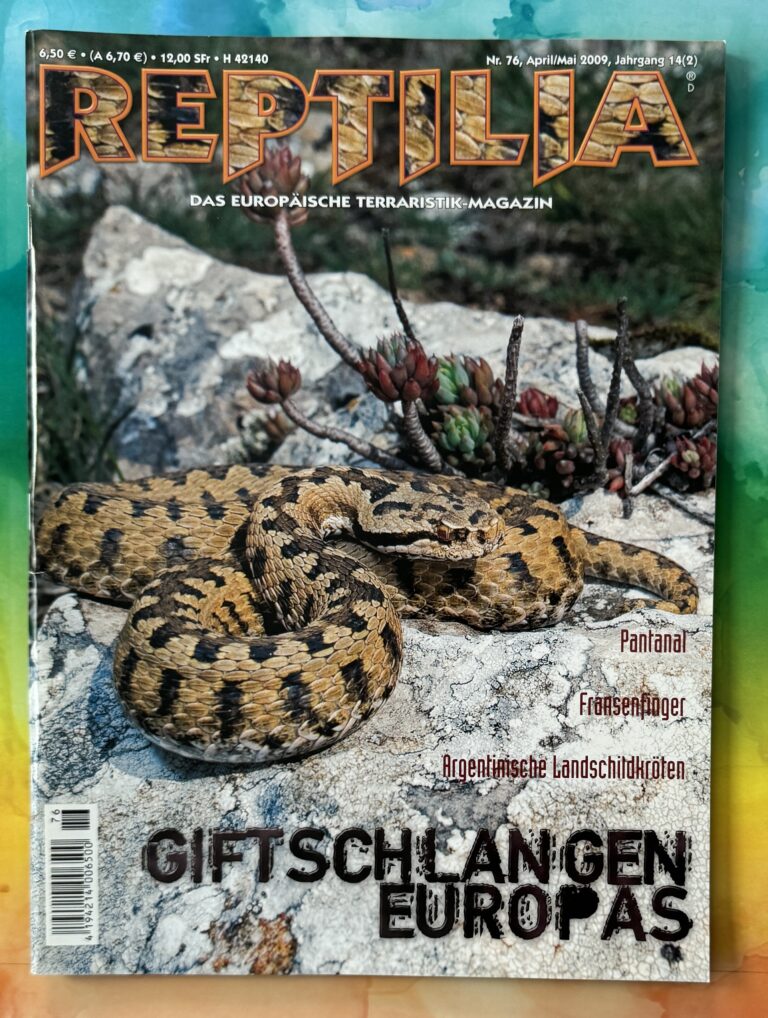
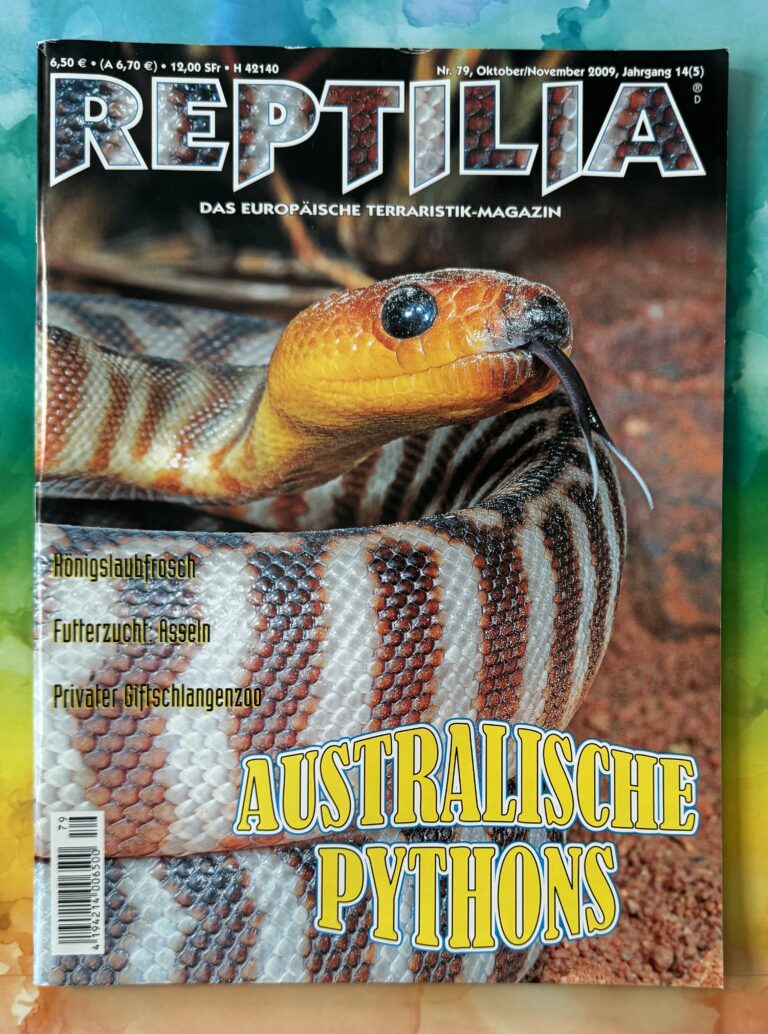
The collection also preserves the transition from the English language edition to later German language issues. The English covers use The European Herp Magazine, while the German covers use Das Europäische Terraristik-Magazin. The later German issues retain the recognizable Reptilia identity while adding year and volume information, including Number 70 as Jahrgang 13 (2), Number 76 as Jahrgang 14 (2), Number 79 as Jahrgang 14 (5), and Number 129 as Jahrgang 23 (1). This continuity makes the run useful for documenting how one specialist publication was adapted for different readerships over time.
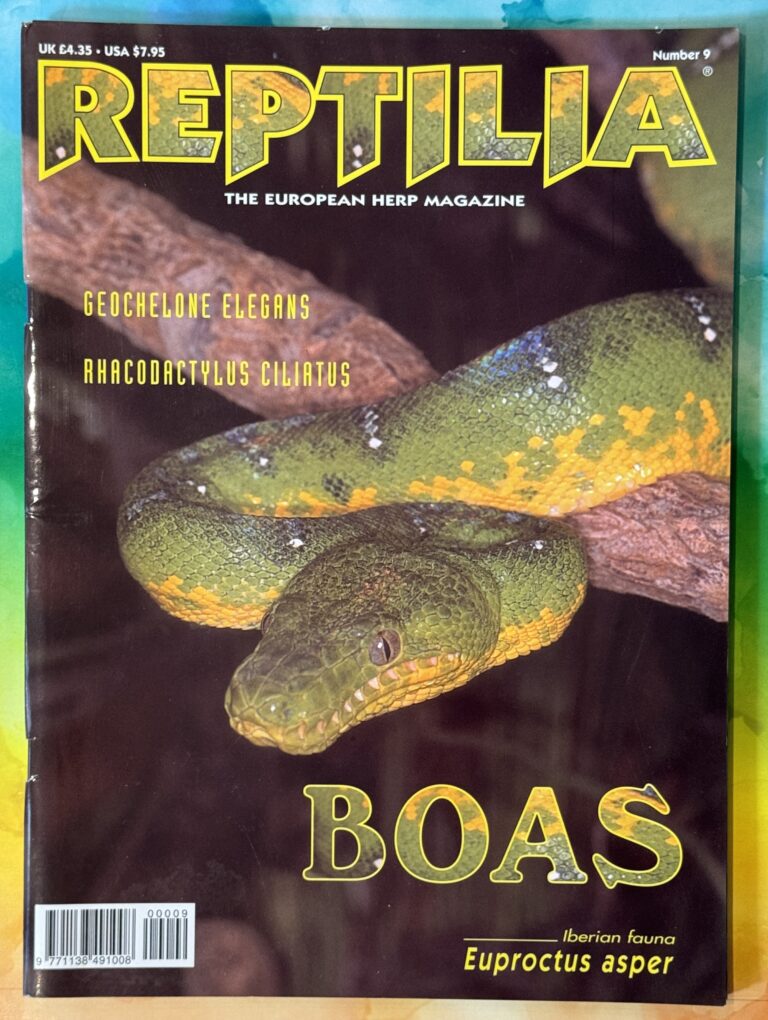
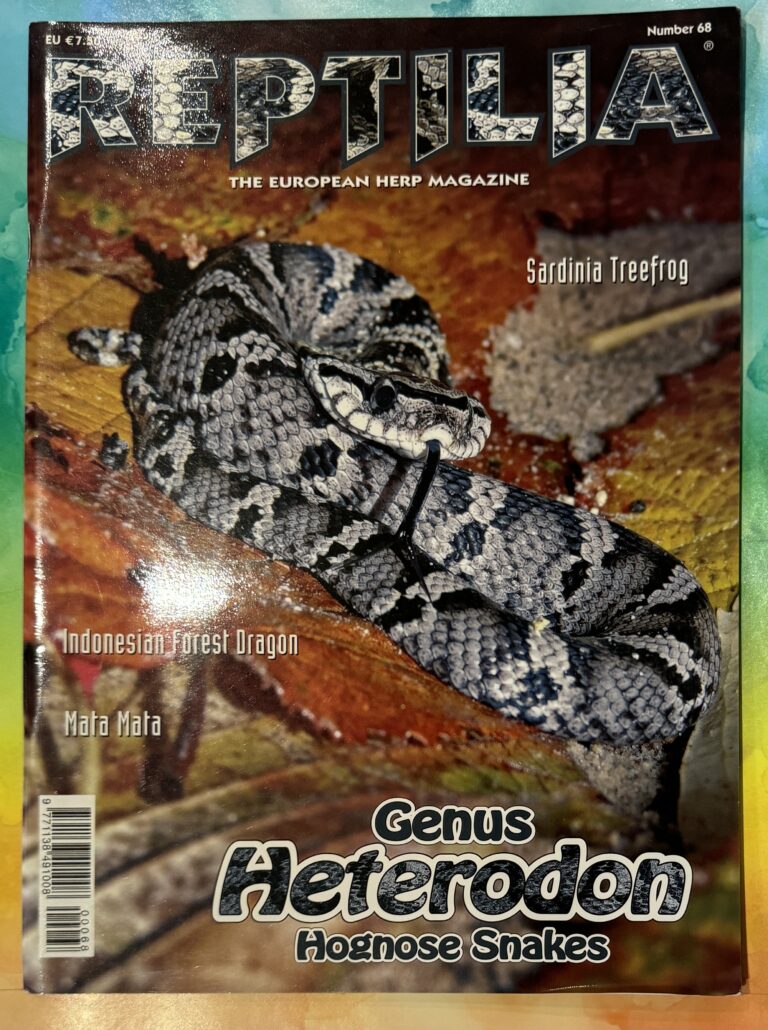
The subject range represented on the covers is equally significant. Across the surviving issues, Reptilia covers snakes, lizards, turtles, tortoises, frogs, salamanders, crocodilians, field expeditions, conservation, captive breeding, reproductive biology, venomous species, regional faunas, zoo design, and terrarium practice. The issues therefore preserve not only husbandry information but also the changing scientific, conservation, and cultural interests of European herpetology and terraristics.
The collection is particularly valuable because the English and Spanish language editions were later discontinued while the German edition continued. A later independent index describes Reptilia as a Spanish publication produced in English, German, and Spanish and reports that the English and Spanish editions suspended publication in 2012. The physical copies preserved here therefore retain access to a publication stream that is no longer continuously available in those languages.
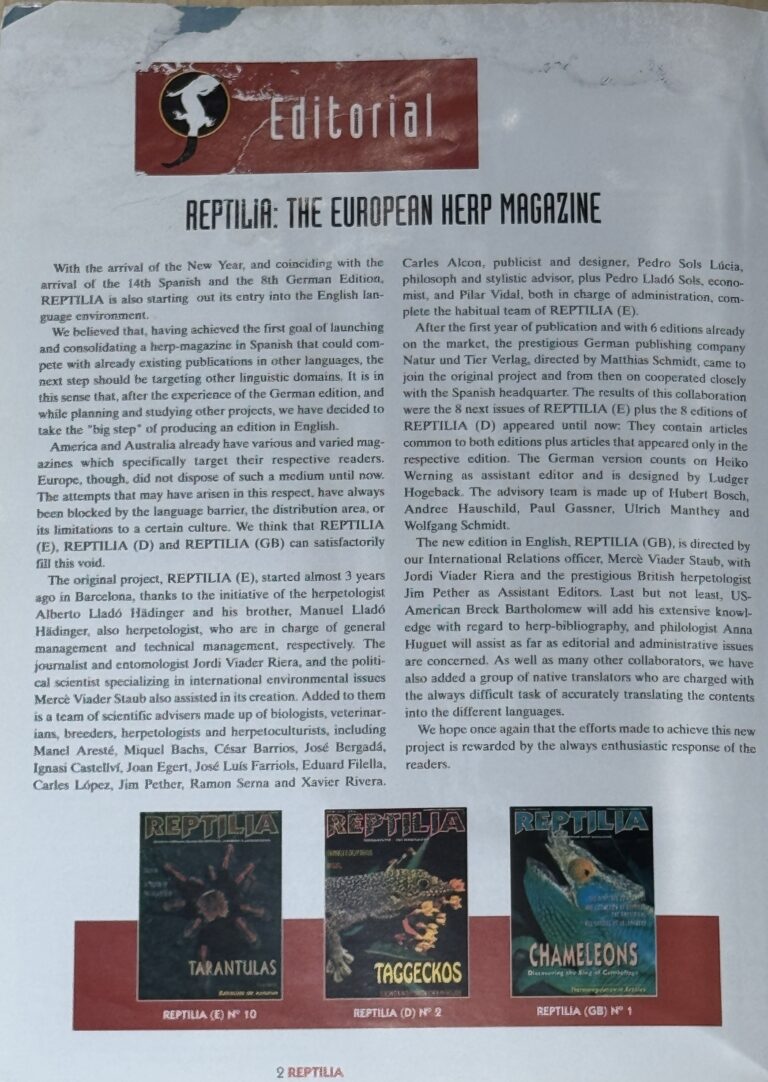
The inaugural English editorial provides firsthand evidence that Reptilia operated as a coordinated international publishing project rather than as unrelated language editions. The Spanish and German publishers worked together on editions that shared some articles while also publishing material intended for their respective audiences. The English edition extended that collaboration to another readership. Preserving the different editions documents how specialist herpetological information was adapted, translated, and shared across linguistic and national boundaries.